

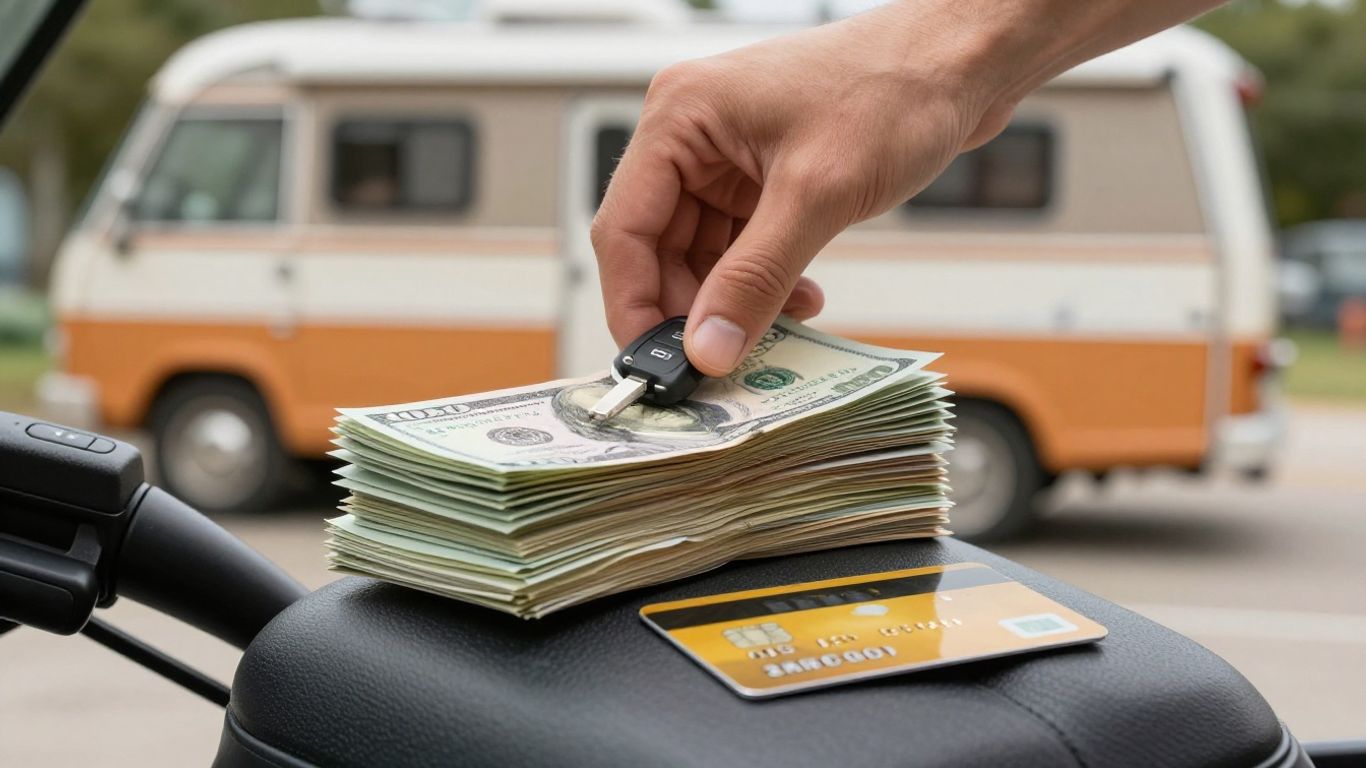
Thinking about renting a motorhome in Canada? It’s a fantastic way to see the country, but you’ll definitely run into the topic of security deposits. These deposits are pretty standard across most rental companies. They’re basically a placeholder to cover any unexpected issues that might pop up during your trip. Let’s break down what affects these amounts and what you need to know before you hit the road.
Key Takeaways
- The motorhome rental Canada security deposit is a sum held by the rental company to cover potential damage, violations, or extra fees. It’s usually pre-authorized on a credit card.
- Factors like the specific motorhome model, how long you’re renting it for, and the insurance options you choose all play a role in how big the security deposit will be.
- You can often reduce your financial risk by selecting different liability reduction options, which usually come with a nightly fee, but cap out after a certain number of rental days.
- The deposit covers things like accidental damage, cleaning, refueling, and late return fees, but typically excludes damage to tires, windscreens, the underside of the vehicle, or anything too high up.
- Always check the rental agreement carefully for details on what the security deposit covers, what it excludes, and the process for getting it back, especially if there are any insurance claims involved.
Understanding The Motorhome Rental Security Deposit
What Is A Motorhome Rental Security Deposit?
So, you’re looking to rent a motorhome for your next adventure? Awesome! One thing you’ll definitely run into is something called a security deposit. Think of it like a temporary hold on your card, kind of like when you check into a hotel. It’s not an extra fee you pay, but rather an amount the rental company sets aside to cover themselves just in case something goes wrong with the motorhome while it’s in your care. This deposit is fully refundable if you return the vehicle in the same condition you got it.
Purpose Of The Security Deposit
Why do they even bother with a security deposit? Well, it’s mainly there to cover any unexpected costs that might pop up during your rental period. This could include things like:
- Damage to the motorhome itself, whether it’s a scratch on the paint or something more serious.
- Loss or damage to any equipment or fixtures inside the motorhome.
- Fees for traffic violations or parking tickets you might rack up.
- Costs associated with cleaning if the motorhome isn’t returned in a reasonably clean state.
- Charges for refuelling if you don’t top it up before returning it.
- Penalties if you happen to return the motorhome late.
Essentially, it’s a safety net for the rental company to ensure they can cover these kinds of expenses without a huge headache.
When Is The Security Deposit Paid?
This is pretty straightforward. You’ll typically need to have the security deposit amount ready to go when you pick up the motorhome. The rental company will usually pre-authorize the amount on your credit card. This means they’ll put a hold on that amount, so it’s not available for you to spend, but it hasn’t actually been charged to your account yet. It’s super important to make sure you have enough available credit on your card to cover the deposit, otherwise, they might not let you drive off the lot. The deposit is usually taken in the local currency of the rental location.
Factors Influencing Security Deposit Amounts
So, you’re looking at renting a motorhome and wondering why the security deposit seems to change from one rental to another. It’s not just a random number; a few things actually play a role in how much they ask for. It makes sense, right? A bigger, fancier RV probably costs more to fix if something goes wrong, so the deposit would be higher.
Vehicle Model And Type
The type of motorhome you choose is a big one. Think about it: a small campervan is a world away from a large, luxury Class A motorhome. The bigger and more complex the vehicle, the higher the potential cost for repairs or damage. So, if you’re eyeing that top-of-the-line model with all the bells and whistles, expect a heftier security deposit compared to a more basic, compact option. It’s all about covering the potential costs if something were to happen.
Rental Duration
How long you plan to have the motorhome on the road also impacts the deposit. Generally, longer rentals might come with a higher security deposit. This isn’t always a direct, day-for-day increase, but rental companies often factor in the extended period of risk. The longer the vehicle is out with a renter, the more opportunities there are for wear and tear, or even accidental damage. Some companies might cap the deposit after a certain number of rental days, though.
Insurance Options Selected
This is a pretty significant factor. Rental companies usually offer different levels of insurance or "liability reduction options." If you opt for the most basic coverage, your security deposit will likely be higher because you’re taking on more of the financial risk yourself. On the flip side, if you choose to pay extra for premium insurance that significantly lowers your out-of-pocket responsibility for damages, the security deposit amount will usually be much lower. It’s a trade-off: pay more upfront for insurance, or have a larger amount held as a deposit.
Here’s a general idea of how these factors might stack up:
| Vehicle Type | Typical Deposit Range | Notes |
|---|---|---|
| Small Campervan | $500 – $1,000 | Basic amenities, lower repair costs |
| Medium Motorhome | $1,000 – $1,500 | More features, moderate repair costs |
| Large/Luxury RV | $1,500 – $2,500+ | High-end features, higher repair costs |
| Rental Duration | Varies | Longer rentals may increase deposit amount |
| Insurance Level | Varies | Higher coverage = lower deposit |
Remember, the security deposit isn’t an extra fee you lose. It’s held to cover potential damages and is fully refundable if the motorhome is returned in the agreed-upon condition. Always read the rental agreement carefully to understand exactly what the deposit covers and what your responsibilities are.
Security Deposit Coverage And Exclusions
So, what exactly does that security deposit you hand over actually cover? Think of it as a safety net for the rental company. It’s primarily there to cover any damage or loss that happens to the motorhome during your rental period. This isn’t just about big crashes, either. It can include things like damage to equipment inside, accidental damage to the vehicle itself, or even things like losing keys.
What The Deposit Covers
The security deposit acts as a buffer for the rental company against various issues that might arise. Here’s a breakdown of common things it’s used for:
- Vehicle Damage: This includes accidental damage to the motorhome’s body, interior fixtures, and fittings. If you scrape a post or a cabinet door comes loose, this is where the deposit comes in.
- Equipment Loss or Damage: If the motorhome comes with specific equipment like camping chairs, a BBQ, or even kitchen utensils, and these are lost or damaged, the deposit can be used to cover their replacement.
- Negligent Damage: This is a bit broader, but it covers damage caused by carelessness or not following the rental agreement’s rules. Think of driving through a low underpass and damaging the roof.
- Administration Fees: Sometimes, if there are road traffic violations (like speeding tickets or parking fines), the rental company will charge an administrative fee for processing these, which can come out of the deposit.
- Cleaning Costs: If the motorhome is returned excessively dirty, beyond normal wear and tear, cleaning fees can be deducted.
- Refuelling: If you don’t return the motorhome with a full tank of fuel as per the agreement, the cost of refuelling will be charged.
- Late Return Penalties: If you bring the motorhome back late, penalties will apply, and these can be covered by the deposit.
Common Exclusions From Coverage
Now, it’s not a blank check for every possible scenario. There are definitely things the security deposit won’t cover, and you’ll be liable for the full cost of repairs for these.
- Damage Above a Certain Height: Many companies exclude damage to parts of the vehicle that are over a specific height from the ground, often around 6 feet (1.8 meters). This usually means roof damage from hitting low-hanging branches or structures.
- Underside Damage: Damage to the undercarriage of the motorhome is typically excluded. This could happen from hitting speed bumps too fast or driving on rough terrain.
- Specific Component Damage (Without Extra Protection): Damage to items like windscreens, mirrors, and tires are often excluded unless you’ve purchased specific additional protection for them. Even then, there might be limits on how many can be replaced.
It’s really important to read the fine print on your rental agreement. What’s covered and what’s not can vary quite a bit between companies, and understanding these details upfront can save you a lot of headaches and unexpected costs down the road. Don’t just assume; check the specifics.
Damage To Specific Vehicle Parts
When it comes to specific parts of the motorhome, the rules can get a bit more detailed. For instance, while general vehicle damage is covered, things like:
- Windscreens and Glass: A cracked or shattered windscreen is a common issue. Unless you’ve opted for specific glass protection, the cost of replacement will likely come out of your deposit.
- Tires: Punctures or significant tire damage might not be covered under the standard deposit. If you’re planning on driving on rougher roads, checking tire protection is a good idea.
- Mirrors: Side mirrors are vulnerable, especially in tight spots. Similar to windscreens, damage here might require separate coverage.
These exclusions aren’t meant to be tricky; they’re usually related to parts that are more prone to damage from everyday use or specific driving conditions. Always clarify with the rental company what’s included in their standard deposit and what requires an add-on protection package.
Liability Reduction Options Explained
When renting a motorhome, most companies offer liability reduction options alongside the standard security deposit. This is where things can feel a bit confusing, but sticking to the basics helps.
Choosing Your Level Of Cover
Renters are typically given a choice between different levels of cover, ranging from standard/basic to more premium plans. Choosing a higher level of cover lowers your out-of-pocket expense in case of damage. The main difference between these options is the amount you’d have to pay if something goes wrong (your “liability” or “deductible”).
Common liability options usually look like this:
| Cover Type | Daily Cost (approx.) | Your Liability (Deductible) | Deposit Required |
|---|---|---|---|
| Standard Cover | $0–$10 | $1,000–$2,500 | $1,000+ |
| Medium Cover | $20–$30 | $500–$1,000 | $500–$1,000 |
| Premium/Maximum | $40–$50 | $0–$250 | $200–$500 |
You select your level of cover when booking, during online check-in, or even at pick-up. Each option is priced per night, and there’s usually a cap on the maximum you’ll pay for long trips.
Cost Of Liability Reduction
The nightly rate for reducing your liability can add up, especially for longer rentals. Here’s what to keep in mind:
- Costs are charged for each night of your rental, often with a minimum stay.
- Maximum charges typically apply for trips over 15–30 nights.
- Higher cover levels mean a lower deposit and deductible but a higher upfront cost.
If you’re risk-averse or just want peace of mind, paying more upfront for better cover could save you a headache—and a big bill—if there’s an accident.
Maximum Charges For Protection
Rental companies don’t allow these charges to go on forever. There’s a maximum amount you’ll pay for any liability reduction package, even if your trip is longer.
For example:
- Most plans cap charges at 15–30 nights, so you won’t pay for every night after that cap.
- Caps stop you from overpaying for extra-long trips.
- This maximum is clearly listed when you view or book your options.
In short, liability reduction is about balancing risk and cost. Make sure you read the fine print so you know exactly what’s included, what’s excluded, and how much you’ll be responsible for if something happens.
Payment And Pre-Authorization Of Deposits
When you pick up your motorhome, you’ll need to sort out the security deposit. This isn’t an extra charge, but rather a placeholder amount that the rental company holds to cover potential issues. Think of it like a temporary hold on your card.
Credit Card Pre-Authorization
Most rental companies will pre-authorize the security deposit amount on your credit card. This means they put a temporary hold on the funds, but they don’t actually charge you. It’s important to know that this hold can affect your available credit limit, so make sure you have enough room on your card. The amount is usually authorized in the currency of the pickup location.
Sufficient Funds For Deposit
Before you even get to the rental depot, double-check your credit card’s limit. You need to have enough available credit to cover the full security deposit amount. If you don’t, they won’t be able to release the motorhome to you, which can really mess up your travel plans. It’s a good idea to confirm the exact deposit amount a few days before pickup, just in case.
Currency Of Pre-Authorization
Just a heads-up, the security deposit will typically be pre-authorized in the local currency of the country where you’re picking up the motorhome. So, if you’re renting in Canada, expect the hold to be in Canadian dollars. This is pretty standard practice across most rental companies.
Refund Process For Security Deposits
Conditions For Full Refund
Getting your security deposit back is usually pretty straightforward, but there are a few key things you need to nail. The motorhome needs to be returned in the same condition it was when you picked it up. This means no new dings, scratches, or damage that goes beyond normal wear and tear. You’ll also want to make sure you’ve followed all the rental company’s rules, like returning the vehicle on time and with a full tank of fuel if that was part of the deal. Cleaning is another big one; most places expect the interior to be reasonably tidy, and the waste tanks emptied. If you’ve managed all of that, a full refund should be on its way.
Timeframe For Deposit Release
So, when can you expect that money back in your account? It’s not usually instant. Most rental companies will process the refund within a few business days after you’ve returned the motorhome. However, it can sometimes take longer, especially if there’s a bank involved or if they need to do a final inspection. Some companies mention up to 28 days, which sounds like a long time, but it’s often on the higher end of the estimate. It’s always a good idea to check the specific rental company’s policy on this when you book, so you know what to expect.
Impact Of Insurance Claims On Refunds
This is where things can get a bit more complicated. If there’s been an incident that requires an insurance claim, your security deposit will likely be held until that claim is settled. This process can take a while, and it’s often out of the rental company’s hands. They have to wait for the insurance provider to sort everything out. So, if you’re involved in an accident or any situation that leads to a claim, be prepared for a delay in getting your deposit back. It’s a good reminder to understand your insurance coverage options thoroughly before you hit the road.
Additional Drivers And Their Impact
Adding extra drivers to your motorhome rental might sound like a simple bonus, but it actually affects your security deposit, overall rental agreement, and even the flexibility of your trip. Let’s break down what you need to know if you’re thinking about sharing the driving.
Adding Extra Drivers To Your Rental
Extra drivers sound like a plus—less time behind the wheel for you, and someone else to help cover those long stretches of highway. Most rental companies allow you to register up to three additional drivers per contract. Here’s why you might want to include them:
- Share driving duties for longer, more relaxing days on the road.
- Cover more ground without getting exhausted.
- Have a safety backup if the primary driver gets tired or unwell.
Usually, you’ll need to add extra drivers at booking, during check-in, or sometimes even when you pick up the motorhome. Some rental companies charge a daily fee per added driver, which you’ll want to budget for.
| Number of Drivers | Typical Deposit Impact | Average Added Daily Fee (USD) |
|---|---|---|
| 1 (Primary only) | Standard | $0 |
| 2 | Might increase deposit | $5–$15 |
| 3 or more | Higher deposit possible | $10–$20 |
Responsibility Of Additional Drivers
When someone else gets listed as a driver, the responsibility for safe operation of the vehicle spreads to them too. Every approved driver shares liability for:
- Traffic violations during their time at the wheel
- Any damage that happens while they’re driving
- Following all terms and conditions in the rental agreement
If an extra driver causes a crash or breaks the rules, it often impacts your deposit refund.
Even with extra drivers, make sure every person knows the rental agreement well—one bad choice could cost everyone.
Documentation For Additional Drivers
Rental companies won’t allow just anyone to hop in and drive. To list another driver, you’ll usually need:
- Valid driver’s license for each person you want to add
- Identification (like a passport or official photo ID)
- Every driver present at the pick-up location for verification
If you miss any documentation, that person can’t legally drive. If they drive anyway, you risk nullifying your insurance coverage and losing your deposit.
Adding extra drivers can be a big help on a long road trip, but it’s not just about handing over the keys—it means added rules, shared risks, and a few extra steps to follow.
Potential Additional Charges
Beyond the main security deposit, there are a few other things that could add to your bill. It’s good to know about these upfront so there are no surprises when you return the motorhome. Think of them as potential fees for things that go beyond normal wear and tear or standard rental conditions.
Road Traffic Violation Fees
If you happen to get a speeding ticket or any other traffic violation while you’re driving the rental, the rental company will likely get notified. They’ll then pass that fine onto you, usually with an extra administrative fee for handling it. It’s not a huge amount, but it’s definitely something to keep in mind. Always follow the speed limits and traffic laws to avoid these extra costs.
Cleaning and Refuelling Costs
Most rental agreements state that the motorhome needs to be returned in a reasonably clean condition. If it’s returned excessively dirty – think mud-caked floors or sticky countertops from a big cooking session – you might be charged a cleaning fee. Similarly, the fuel tank needs to be full. If you return it with less fuel than it had when you picked it up, you’ll pay for the missing fuel, often at a higher rate than you’d find at a gas station. Some companies offer a pre-paid fuel option, which can sometimes be more convenient if you don’t want to worry about refuelling before returning.
Late Return Penalties
Time is money, and rental companies really mean it when it comes to returns. If you bring the motorhome back even a little bit late, you could face significant penalties. These aren’t just small charges; they can sometimes be equivalent to an extra day’s rental or more. It’s really important to plan your return journey to arrive on time. If you think you might be delayed, contact the rental company as soon as possible to see if arrangements can be made, though they aren’t obligated to waive fees.
It’s always a good idea to double-check your rental agreement for the specifics on these potential charges. What one company considers ‘excessively dirty’ might differ for another, and the exact fees for late returns or administrative charges for violations can vary quite a bit. Being aware of these possibilities helps you manage your budget better during your trip and avoid any unwelcome surprises upon return of the RV.
Here’s a quick look at what might trigger these extra fees:
- Traffic Violations: Speeding tickets, parking fines, red-light camera tickets.
- Cleaning: Significant interior mess, excessive dirt, unemptied waste tanks.
- Refuelling: Returning the vehicle with less fuel than specified in the agreement.
- Late Returns: Failing to return the motorhome by the agreed-upon time and date.
Motorhome Rental Canada Specifics
Canadian Rental Company Policies
Motorhome rental agencies in Canada set their own rules for security deposits, and these can shift a lot between providers and provinces. Most companies ask for a security deposit to be pre-authorized on a credit card at pickup, making sure the renter is responsible for any damages or extra fees. Here are a few things most Canadian companies require:
- The named main driver must be present at pickup with the credit card used for the deposit.
- The pre-authorized amount goes on your card, not as a charge, but as a hold.
- Funds must be available for the total deposit, otherwise, the vehicle can’t be released.
- Most companies process the deposit in Canadian dollars (CAD) at the depot where you pick up.
Be sure to carefully check the rental agreement for specific deposit conditions before your trip—what applies at one company won’t always match other providers.
Typical Deposit Ranges In Canada
The security deposit amount tends to reflect the type of vehicle, rental length, and optional insurance add-ons. Here’s a simple table laying out what you can usually expect across Canada:
| Vehicle Class | Typical Security Deposit (CAD) |
|---|---|
| Small Campervan | $750 – $1,000 |
| Mid-Size Class C Motorhome | $1,000 – $1,500 |
| Large Class A Luxury Motorhome | $1,500 – $2,500 |
A few providers might ask for even higher deposits if you decline extra insurance or book a longer trip. Always ask in advance if you’re unsure.
Choosing A Canadian Rental Provider
If you’re looking for a hassle-free experience, you’ll want to weigh a few things when picking a company in Canada:
- Flexible deposit policies: Some agencies offer liability reduction so you can pay a smaller deposit up front.
- Clear refund timelines: Mailing timeframes can vary, so find out about refund speeds before booking.
- Easy payment methods: Make sure your card is accepted and the process is straightforward.
Doing a little homework on these points can make your rental experience much smoother. Not every company handles deposits the same way in Canada, so comparing your options is worth your time.
Protecting Your Motorhome Rental Investment
Taking a little time at the start of your trip can help you save a lot of money and trouble at the end. Here’s how to look after your rental and avoid problems that can eat into your security deposit.
Importance Of Vehicle Condition
Check the motorhome carefully before you take the keys. It’s easy to get swept up in the excitement, but make sure you:
- Walk around the vehicle with the rental staff
- Note any dents, scratches, or marks
- Take photos with your phone of any existing damage
- Double-check the interior for wear or broken equipment
Documenting everything makes it much easier to sort out any disagreements later about what damage was already there.
The way you return the motorhome often says more than the official paperwork. A tidy, well-looked-after vehicle is less likely to trigger extra cleaning or repair fees—simple as that.
Understanding Rental Agreements
Reading the rental agreement might feel like a chore, but it’s important. Pay attention to these key areas:
- What does your insurance cover (and not cover)?
- What counts as “damage” and what’s normal wear?
- Which parts of the vehicle are your responsibility?
- Are there any fees for things like extra cleaning, mileage, or late returns?
- Who pays for things like worn tires or windshield cracks?
Knowing what you’re signing helps you avoid surprises after drop-off.
Reviewing Terms And Conditions
There’s always fine print, but don’t ignore it. Focus on:
- Rules about additional drivers
- The process for claiming your deposit back
- Timelines for reports or insurance claims
- Penalties for breaking the rules (like smoking in the vehicle or taking the RV off-road)
Here’s a quick table to compare some common conditions you might see:
| Condition | What It Means | Possible Charge |
|---|---|---|
| Returned dirty | Needs more than sweeping | $100+ cleaning fee |
| Refueled less than full | You didn’t fill the tank | Cost of fuel + service charge |
| Late return | Drop-off after agreed time | Extra day’s rental, or more |
Looking after the motorhome and sticking to the rules in your agreement is the best way to protect your deposit and have a stress-free trip. Don’t get caught out by the little details—you’ll thank yourself later!
Conclusion
So, that’s the lowdown on motorhome rental security deposits. The amount you need to put down really depends on the company, the type of motorhome, how long you’re renting, and what kind of insurance or protection you pick. It’s not an extra fee, just a hold on your card to cover any damage or extra costs if something goes wrong. If you bring the motorhome back in good shape and on time, you’ll get your money back—though sometimes it can take a few weeks. If you want to lower your risk, you can usually pay a bit more for extra coverage. Just make sure you have enough funds available when you pick up your vehicle, and always read the fine print so there aren’t any surprises. Renting a motorhome should be fun, not stressful, so knowing how deposits work can help you hit the road with peace of mind.
Frequently Asked Questions
What exactly is a motorhome security deposit?
Think of a motorhome security deposit as a temporary hold on some of your money. It’s like a promise that you’ll take good care of the motorhome. The rental company holds onto this money until you return the vehicle. If everything is in good shape, you get it all back!
Why do rental companies need a security deposit?
The main reason is to cover any unexpected costs. This could include things like damage to the motorhome, needing to clean it more than usual, or even if you get a parking ticket. It’s a safety net for the rental company in case something goes wrong during your trip.
How much is a typical security deposit?
The amount can change, but it’s often between $1,000 and $1,500. Factors like the size of the motorhome, how long you’re renting it for, and the insurance you choose can all affect the final price.
When do I have to pay the security deposit?
You’ll usually need to have the deposit ready when you pick up the motorhome. The company will put a hold on this amount using your credit card. Your motorhome won’t be handed over until this is sorted.
Can I reduce the amount of the security deposit?
Yes, many companies offer ways to lower your risk. You might be able to pay for extra insurance or ‘liability reduction’ options. These cost a little extra each day but can significantly lower the deposit amount you need to have available.
What things are NOT usually covered by the security deposit?
Be aware that some damage might not be covered. This often includes things like damage to the underside of the motorhome, the roof, or tires and windshields unless you specifically pay for extra protection for those parts.
How long does it take to get my deposit back?
Once you return the motorhome in the agreed-upon condition, the company will release the hold on your deposit. It can take a little while, sometimes up to 28 days, for the money to show up back in your account.
What happens if I have an accident or cause damage?
If there’s any damage or an incident, the rental company will likely keep your security deposit until the situation is sorted out, which might involve insurance claims. This process can sometimes take a long time, and you might be responsible for costs beyond the deposit amount.