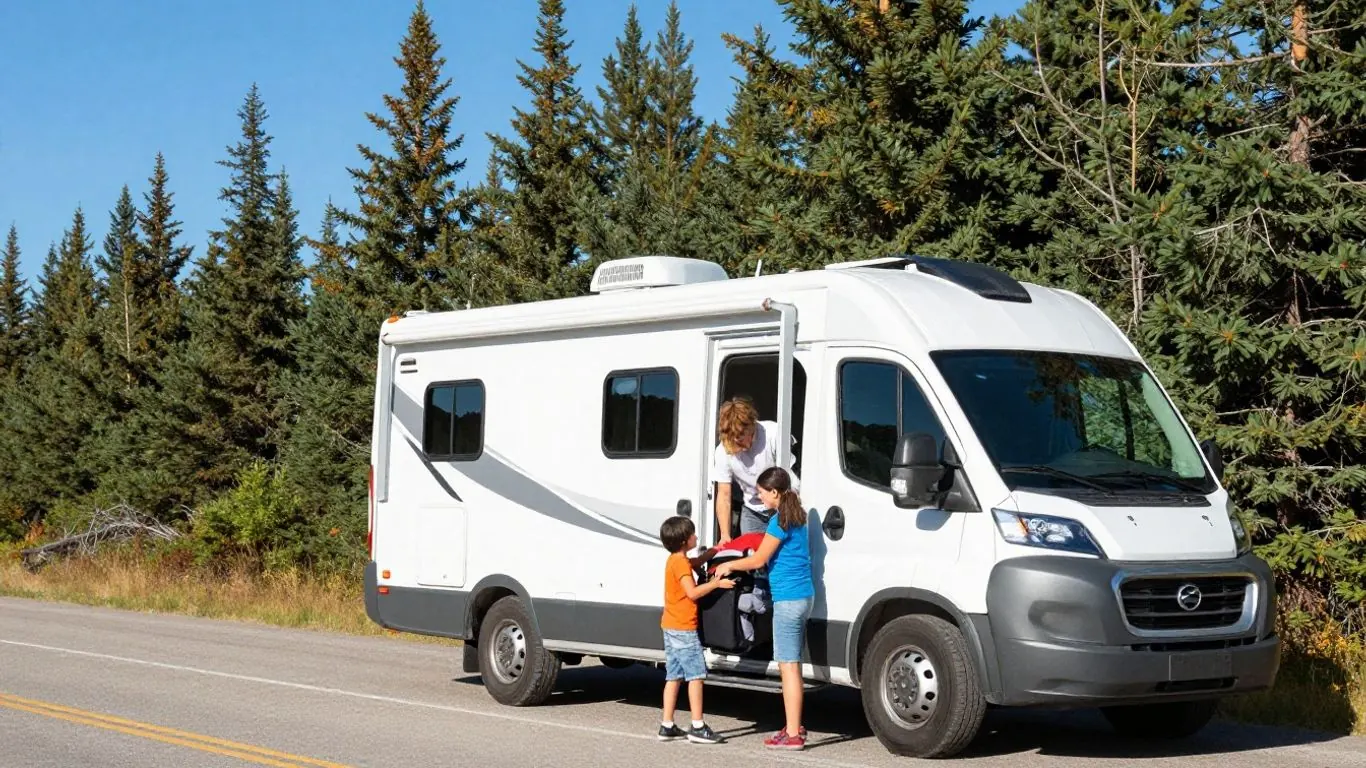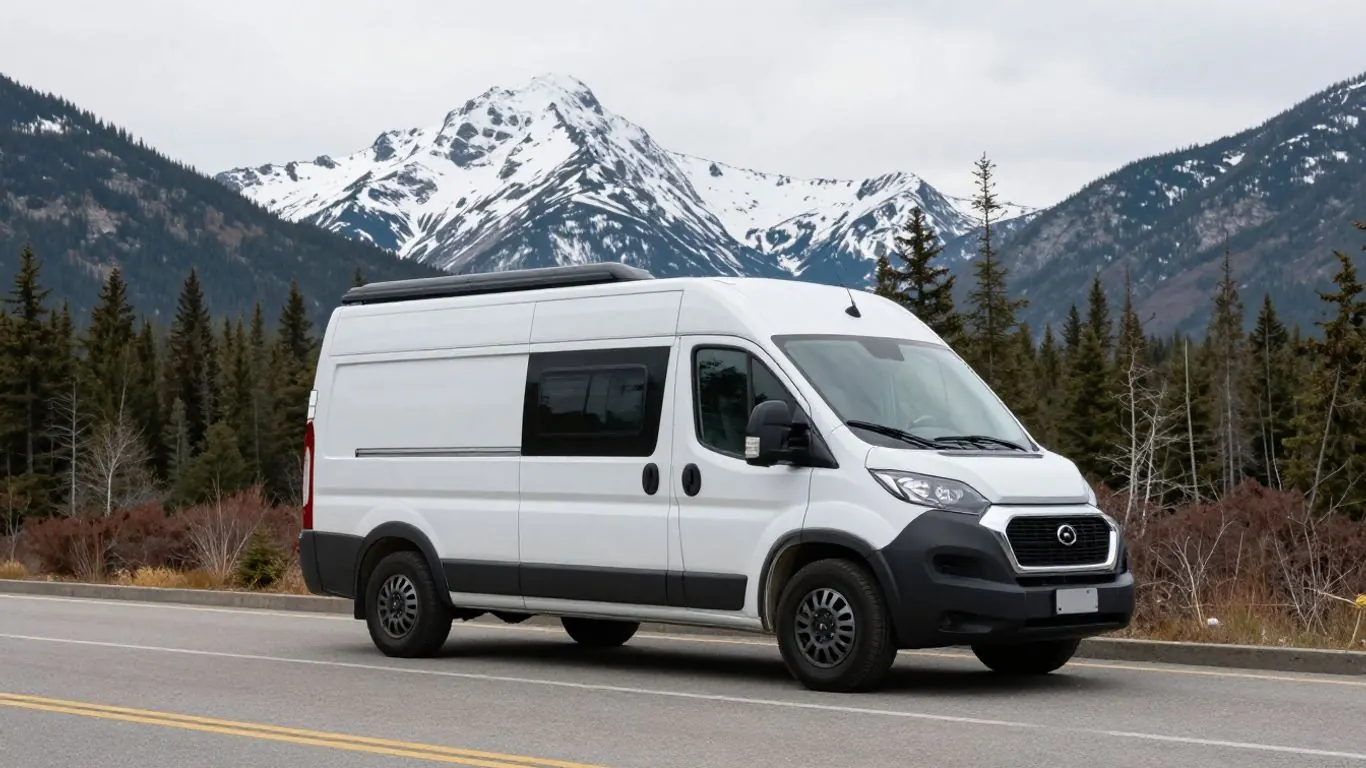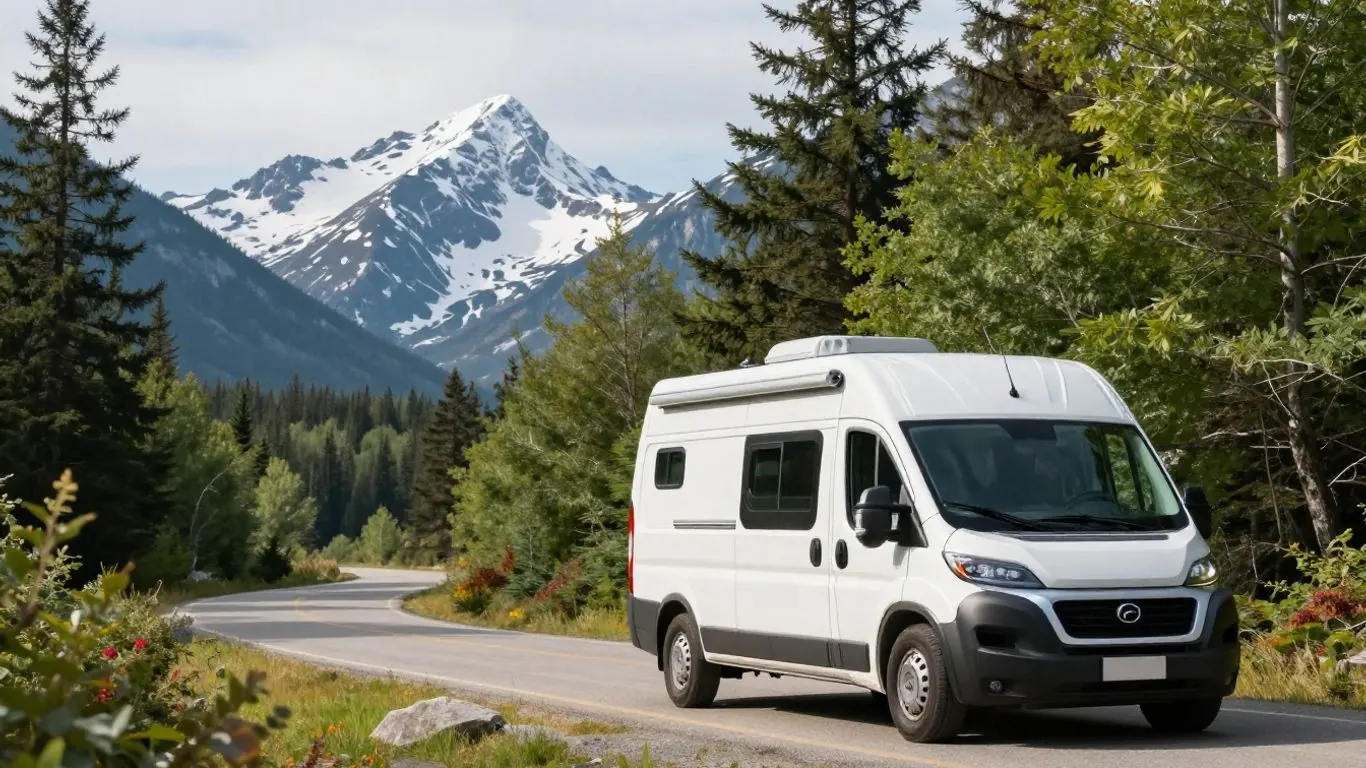
Planning a motorhome trip through the Canadian Rockies sounds like a dream, right? Mountains, lakes, open road – it’s pretty epic. But figuring out the best motorhome routes in the Canadian Rockies that fit your schedule can feel a bit much. This guide breaks down how to plan your adventure, what to pack, where to go, and how to make the most of your time, whether you have a few weeks or just a short break. We’ll cover everything from picking the right time to travel to finding a good spot to park for the night.
Key Takeaways
- The Canadian Rockies offer amazing scenery perfect for a motorhome trip, with national parks like Banff and Jasper providing plenty of camping spots.
- Consider the season when planning your motorhome routes in the Canadian Rockies; spring and fall offer fewer crowds and lower prices, while summer has everything open but more people.
- Starting your trip in Vancouver is a common choice for motorhome rentals and offers a good jumping-off point into the mountains.
- Popular motorhome routes include the Icefields Parkway, connecting Banff and Jasper National Parks, and exploring areas like Lake Louise and Yoho National Park.
- Practical tips for motorhome travel include using apps to find campsites, planning grocery stops in larger towns, and being aware of fuel and propane availability.
Planning Your Motorhome Routes in the Canadian Rockies
Getting ready for a motorhome trip through the Canadian Rockies is half the fun, honestly. It’s not just about hopping in and driving off into the sunset, though that’s part of the appeal, right? You’ve got to think about when you’re going and what that means for your trip. The season you choose will really shape your experience.
Choosing Your Travel Dates
When you decide to go makes a big difference. Spring and fall can be lovely, with fewer crowds and milder weather, but some services might still be closed or just opening up. Summer is peak season – think sunshine, everything open, but also way more people and higher prices. Winter travel is a whole different ballgame, with potential road closures and the need for a specially equipped RV.
Understanding Seasonal Differences
Let’s break down what you can expect:
- Spring (April-May): Snow is still around, especially at higher elevations, but roads are generally clear. Not all attractions or services might be operational yet. RV rentals might be easier to find and cheaper.
- Summer (June-August): The most popular time. Expect warm weather, all attractions open, and vibrant green landscapes. Campsites and popular spots book up months in advance. This is the time for full-on summer activities.
- Fall (September-October): Beautiful autumn colors, cooler temperatures, and fewer crowds than summer. Some services start to wind down, and early snow is possible later in the season.
- Winter (November-March): A challenging but beautiful time for the prepared. Many roads, including parts of the Icefields Parkway, can close due to snow and avalanche risk. You’ll need a winterized RV, and many campgrounds and attractions will be shut down.
Planning your trip around these seasonal shifts is key to having a smooth adventure. It affects everything from what you can see and do to how easily you can find a place to park your RV for the night.
Essential Motorhome Provisions
Before you even think about hitting the road, make sure your motorhome is ready. This means checking:
- Vehicle Condition: Tires, brakes, fluids – the usual suspects. If you’re renting, go over it with the rental company and note any existing issues.
- Onboard Supplies: Think about kitchen basics, bedding, and cleaning supplies. Most rentals offer these as packages, but double-check what’s included. You don’t want to arrive and realize you have no can opener.
- Navigation Tools: While GPS is great, having paper maps is a smart backup, especially in areas with spotty cell service. Download offline maps too. Planning an RV trip to Banff and Jasper requires preparation, especially for parking and camping. Booking campsites months in advance is crucial. Arriving early at first-come, first-served campgrounds or utilizing overflow options are alternatives. The scenic Icefields Parkway connects Banff and Jasper, featuring campgrounds that also fill quickly. Yoho National Park offers a great alternative with stunning scenery and hiking opportunities.
Embarking on Your Canadian Rockies Motorhome Adventure
![]()
Starting Your Journey in Vancouver
Vancouver is a fantastic jumping-off point for your motorhome trip into the Canadian Rockies. It’s a major city with good flight connections, making it easy to get to and a prime spot for picking up your rental vehicle. Think of it as your gateway to the mountains. You’ll want to give yourself a day or two here before hitting the road, just to get settled, pick up your motorhome, and maybe grab some initial supplies. Don’t rush this part; it’s better to start your adventure feeling organized.
RV Rental Considerations
When you’re looking to rent an RV for this trip, there are a few things to keep in mind. It’s not just about the price, though that’s certainly a factor. Think about the size of the motorhome – will it be comfortable for everyone traveling? Also, consider what’s included. Does it come with bedding, kitchen supplies, and basic tools? Some companies offer different packages, and it’s worth comparing what you get for your money. Booking a few weeks in advance is usually a good idea, especially if you’re traveling outside the absolute peak summer months. For example, renting in late spring might mean you don’t need to book months ahead, but summer travel often requires earlier reservations.
Navigating Vancouver Traffic
Okay, let’s talk about Vancouver traffic. It can be a bit of a beast, especially during rush hour. If you’re picking up your motorhome and heading straight out, try to do it during off-peak times. Early morning or mid-afternoon can be much smoother than trying to get through the city at 5 PM. Plan your route out of the city beforehand, and be patient. It’s a big city, and getting a large vehicle through it takes a little extra time and awareness. Don’t let it stress you out; just factor it into your departure plan. A little bit of planning here can save you a lot of hassle later on.
Iconic Motorhome Routes Through the Rockies
The Canadian Rockies offer some truly spectacular drives, and doing it in a motorhome just adds to the adventure. You get the freedom to stop whenever a view catches your eye, which happens a lot out here. Two of the most famous routes really stand out for motorhome travelers.
The Icefields Parkway Experience
This is the highway that connects Banff and Jasper National Parks, and honestly, it’s like driving through a postcard. It’s about 230 kilometers (140 miles) of pure mountain magic. You’ll see glaciers, turquoise lakes, and waterfalls all along the way. Make sure you give yourself plenty of time to actually stop and enjoy it, not just drive through.
Here are some must-see spots:
- Columbia Icefield: This is a massive icefield, and you can even walk on the Athabasca Glacier. There’s also the Skywalk, a glass-floored observation platform that’s pretty wild.
- Peyto Lake: The viewpoint for this lake is famous for its wolf-like shape and vibrant blue color. It’s a short walk from the parking lot.
- Athabasca Falls: A powerful waterfall that’s impressive no matter the season.
Remember that services can be spread out along the Icefields Parkway. It’s a good idea to fill up your fuel tank before you set off and carry snacks and water. Cell service is also spotty, so download any maps or information you need beforehand.
Exploring Banff National Park
Banff is probably the most well-known of the Canadian Rockies parks, and for good reason. It’s packed with stunning scenery and activities. When you’re in a motorhome, you’ll appreciate the space and ability to move between different areas.
Key highlights include:
- Lake Louise: The iconic turquoise lake with the Victoria Glacier in the background. You can rent a canoe here or just walk along the shore.
- Moraine Lake: Another breathtakingly blue lake, often considered even more stunning than Lake Louise. Access can be restricted, so check ahead.
- Banff Townsite: A charming town with shops, restaurants, and plenty of places to park your motorhome for a bit.
Discovering Jasper National Park
Jasper is often described as Banff’s wilder, more laid-back cousin. It’s larger and generally less crowded, offering a different kind of beauty. Motorhome travel here feels particularly rewarding because you can easily access remote viewpoints and campgrounds.
Don’t miss these in Jasper:
- Maligne Lake & Spirit Island: A boat tour on Maligne Lake takes you to the incredibly picturesque Spirit Island.
- Jasper SkyTram: Ride up Whistlers Mountain for panoramic views of the surrounding ranges.
- Miette Hot Springs: A great place to relax and soak after a day of exploring.
When planning your motorhome trip, remember that booking campsites in advance is highly recommended, especially during peak season. You can find great spots within the national parks themselves, offering unparalleled access to nature. Picking up a motorhome in Vancouver offers a great start to a Canadian adventure, and these routes are a fantastic way to see the heart of the Rockies.
Key Destinations for Motorhome Explorers
When you’re rolling through the Canadian Rockies in your motorhome, certain spots just stand out. These aren’t just places to see; they’re experiences that really make the trip.
Lake Louise Area Highlights
Lake Louise itself is pretty famous, and for good reason. The water is this unreal turquoise color, especially when the sun hits it right. It’s a great spot to just pull over, maybe have a picnic lunch right from your motorhome. You can walk along the shore, or if you’re feeling more energetic, there are trails leading up to viewpoints. The Fairmont Chateau Lake Louise sits right there, looking all grand. It’s a bit of a tourist hub, so expect crowds, but the scenery is worth it. Don’t forget to check out Moraine Lake too, if you can get access – it’s often considered even more stunning, with the Valley of the Ten Peaks as a backdrop. Parking can be tricky here, especially with a larger vehicle, so plan to arrive early or consider shuttle options if available.
Adventures in Yoho National Park
Just a stone’s throw from Banff, Yoho National Park offers a slightly wilder feel. It’s home to the incredible Emerald Lake, which lives up to its name with vibrant green waters. You can rent a canoe here or just wander around the lake. Another must-see is the Natural Bridge, a rock formation carved by the Kicking Horse River. For a bit of history and a unique sight, the Spiral Tunnels are fascinating – they were built to help trains climb the steep mountain grades. Yoho has campgrounds that can accommodate motorhomes, offering a peaceful base for exploring.
Kananaskis Country Exploration
Kananaskis Country, often called the ‘K-Country’, is a vast network of parks west of Calgary. It’s less developed than Banff or Jasper, which means fewer crowds and a more rugged, natural feel. This is the place for serious outdoor activities. Think hiking, mountain biking, and even horseback riding. The scenery is just as dramatic as the more famous parks, with towering peaks and pristine valleys. There are several campgrounds scattered throughout Kananaskis, many with good facilities for motorhomes. It’s a fantastic area if you want to feel a bit more off the beaten path while still having access to motorhome services.
Kananaskis offers a different vibe than its more famous neighbors. It’s a place where you can truly feel immersed in the wilderness, with plenty of space to roam and explore without the constant buzz of large crowds. It’s perfect for those motorhome trips where you want a bit more solitude and a deeper connection with nature.
Extending Your Motorhome Itinerary
The Okanagan Valley’s Charm
Thinking about adding a few more days to your Rockies adventure? The Okanagan Valley, west of the mountains, offers a completely different vibe. It’s known for its warm weather, beautiful lakes, and, you guessed it, vineyards. Imagine spending your mornings exploring orchards and your afternoons sampling local wines. It’s a nice change of pace from the rugged mountain scenery, and many motorhome sites are located right near the water. You can easily spend a few extra days here just relaxing by the lake or exploring charming small towns.
Revelstoke’s Mountain Majesty
For those who love a good mountain town with a bit of history, Revelstoke is a great stop. It sits between the Monashee and Selkirk Mountains, offering stunning views and access to outdoor activities. Revelstoke Mountain Resort is famous for its skiing in winter, but in the warmer months, it’s a hub for hiking and mountain biking. The town itself has a cool, laid-back feel with a historic downtown area. It’s a good place to break up a longer drive and enjoy some more mountain air.
Glacier National Park’s Wilderness
Just a bit further west from Revelstoke lies Glacier National Park. Now, this isn’t the one in Montana, but Canada’s version, and it’s wild. It’s known for its heavy snowfall and dense forests, making it a prime spot for serious hikers and nature lovers. The park has some incredible trails, but be prepared for a more rugged experience. Motorhome access can be more limited in certain areas, so it’s worth checking ahead. This park is a true wilderness experience, so plan accordingly.
Here’s a quick look at what you might find:
- Okanagan Valley: Lakes, wineries, orchards, warm weather.
- Revelstoke: Mountain town, historic downtown, hiking, biking.
- Glacier National Park: Dense forests, challenging trails, remote feel.
When extending your trip, remember that services can become more spread out. Always check for available campgrounds and amenities in advance, especially if you’re heading into more remote areas like Glacier National Park. Having a good map and a flexible attitude will make these additions to your trip much smoother.
Logistics for Your Motorhome Trip
Getting your motorhome trip sorted involves a few practical steps to make sure you’re comfortable and well-prepared for the open road. It’s not just about the scenic views; it’s about having the right supplies and knowing where to find them.
Finding Campsites and Services
Securing a place to park your motorhome each night is key. While spontaneous stops are part of the charm, having a general idea of where you’ll stay is smart. Many national and provincial parks offer designated campgrounds that can accommodate larger vehicles. Apps like WikiCamps Canada and Park4Night are super helpful for locating not just campsites, but also water fill-up stations and dump stations. Remember, proper waste disposal is important, especially in bear country, so always use the bear-proof bins provided.
- Book ahead for popular parks, especially during peak season.
- Utilize apps to find available spots and services.
- Be aware of park regulations regarding overnight stays and waste disposal.
Grocery Shopping Strategies
When it comes to stocking your motorhome kitchen, planning ahead can save you money and hassle. Larger towns and cities will offer a wider selection and better prices for groceries. Places like Walmart can be a good starting point for general supplies. As you venture into smaller towns, like Lake Louise or even Banff, you’ll notice prices creeping up significantly. It’s wise to do a big shop in a larger center before heading into the more remote areas. Don’t underestimate how quickly you’ll go through staples like milk, bread, and snacks.
Planning your grocery stops can make a big difference in your budget and convenience. Stocking up in larger centers before entering national parks is a common strategy for motorhome travelers.
Fuel and Propane Refills
Keeping your motorhome fueled up is straightforward, as gas stations are common along major routes. Propane, however, might require a little more searching. While many larger gas stations will have propane tanks, they can be less common once you leave the bigger towns. Keep an eye out for clearly marked tanks at service stations. It’s a good idea to top up your propane when you see it, especially if you plan on doing a lot of cooking or using your heating system. You can find RV rental pick-up locations in places like Calgary which can help you get started with your journey.
Making the Most of Your Motorhome Holiday
![]()
Freedom and Flexibility on the Road
One of the biggest draws of a motorhome trip is the sheer freedom it offers. You’re not tied to hotel check-in times or rigid schedules. See a viewpoint that catches your eye? Pull over. Hear about a local festival happening a few towns over? You can change your plans on a whim. This flexibility is what makes motorhoming in the Canadian Rockies so special. You can wake up to mountain views and decide your day as it unfolds, rather than following a pre-set path.
Family Adventures with Activity Books
Keeping everyone entertained, especially younger travelers, is key to a happy motorhome holiday. While the stunning scenery itself is a huge draw, having a few tricks up your sleeve can make a big difference. Think about packing some travel-sized games, a deck of cards, or even some coloring books and crayons. For longer drives between destinations, audiobooks or a curated playlist can also be a lifesaver.
- Plan for downtime: Schedule in time for relaxation, not just sightseeing.
- Involve the kids: Let them help choose activities or navigate using a map.
- Snack strategy: Keep a good supply of easy-to-grab snacks to avoid
Tailoring Your Motorhome Routes
So, you’ve got your motorhome, you’ve got your sights set on the Canadian Rockies, but how long do you actually have? That’s the big question, right? The Rockies are huge, and trying to cram everything into a weekend is just asking for trouble. But don’t worry, whether you’ve got a solid three weeks or just a long weekend, you can still have an amazing trip. It’s all about being smart with your time and knowing what you want to see.
Three-Week Itinerary Overview
If you’re lucky enough to have three weeks, you’re in for a real treat. This gives you the freedom to really explore without feeling rushed. You can easily do a loop starting from Vancouver, hitting up all the big hitters like Banff, Jasper, and Yoho National Parks, and still have time for some detours. Think about spending a few days in each major park, exploring different trails, taking scenic drives, and maybe even adding in a visit to the Okanagan Valley for some wine tasting or Revelstoke for some mountain air. This kind of trip allows for spontaneity, like deciding to stay an extra day somewhere because you’re loving it.
- Week 1: Vancouver to Jasper, including stops along the Icefields Parkway.
- Week 2: Jasper to Banff, exploring Lake Louise and surrounding areas.
- Week 3: Banff to Vancouver, perhaps with a scenic drive through Kananaskis Country or a stop in Revelstoke.
Customizing for Shorter Stays
Got less time? No sweat. You just need to be a bit more focused. For a one-week trip, it’s probably best to pick one or two national parks and really get to know them. Trying to do Banff and Jasper in a week will feel like you’re just driving past everything. Maybe focus on Banff and Yoho, or Jasper and the Icefields Parkway. You’ll still see incredible scenery, just a more concentrated dose. Remember, it’s better to enjoy a few places deeply than to rush through many.
Planning ahead is key for shorter trips. Book popular campgrounds in advance, especially if you’re traveling during peak season. This saves you time and stress trying to find a spot.
For a weekend trip, you’re looking at a very specific area. Perhaps a quick visit to Banff from Calgary, or a short loop from Edmonton to Jasper. These trips are more about getting a taste of the mountains and planning a longer adventure for next time. You’ll want to prioritize one or two key sights and accept that you can’t see it all.
Adapting for Different Seasons
Your timing also really changes things. Traveling in the summer means everything is open, the weather is generally good, and you’ll see more people. Spring and fall can be beautiful with fewer crowds, but some services might be limited, and you could still encounter snow, especially at higher elevations. Winter travel is a whole different ballgame, with road closures (like the Icefields Parkway sometimes) and many attractions shut down. You’ll need a properly equipped motorhome for winter conditions. Always check road conditions and park advisories before you go, no matter the season. For example, if you’re starting your trip in Edmonton, you’ll want to be aware of seasonal road conditions when heading west.
Here’s a quick look at what to expect:
| Season | Pros | Cons |
|---|---|---|
| Summer (June-Aug) | All attractions open, best weather | Most crowded, highest prices |
| Spring (Apr-May) | Fewer crowds, beautiful wildflowers | Some services may be closed, potential snow |
| Fall (Sep-Oct) | Stunning autumn colors, fewer crowds | Shorter days, potential for early snow |
| Winter (Nov-Mar) | Unique snowy landscapes, winter sports | Many closures, challenging driving conditions |
Wrapping Up Your Rocky Mountain Adventure
So, there you have it. The Canadian Rockies are pretty amazing, and seeing them from a motorhome is a fantastic way to do it. Whether you’ve got a whole month or just a long weekend, there’s a route that can work for you. Remember to think about when you want to go – spring and fall can be great for fewer crowds and decent weather, but summer means everything’s open. Winter is a whole different ballgame, and you’ll need a properly equipped rig. Plan ahead a bit, especially for campsites if you’re traveling in peak season. No matter how much time you have, you’re going to see some incredible sights. Just get out there and enjoy the mountains!
Frequently Asked Questions
When is the best time to visit the Canadian Rockies with a motorhome?
The best time to visit depends on what you want to see and do! Spring (April-May) is great for fewer crowds and cheaper prices, but some places might still be closed. Summer (late May to early September) is popular with everything open, but it’s busier and more expensive. Winter offers a snowy wonderland but comes with road closures and cold weather, needing a specialized RV.
What are the must-see routes for motorhomes in the Rockies?
The Icefields Parkway is a famous drive connecting Jasper and Banff National Parks, packed with stunning views and attractions like glaciers. Exploring Banff and Jasper National Parks themselves offers incredible scenery, lakes, and wildlife. Don’t miss areas like Lake Louise, Yoho National Park, and Kananaskis Country for more amazing landscapes.
How long should my motorhome trip be?
A three-week trip is often recommended to truly explore the Canadian Rockies without feeling rushed. This allows time to see major spots like Jasper and Banff, plus some extra areas. However, you can still have a fantastic trip with shorter stays, focusing on one or two key national parks.
What should I pack for a motorhome trip in the Canadian Rockies?
Besides your usual travel gear, think about layers of clothing for changing mountain weather. Essentials include warm jackets, rain gear, comfortable walking shoes, and bug spray. Don’t forget a basic kitchen kit (check what your rental includes!) and maybe some entertainment for downtime.
Where can I find places to park my motorhome overnight?
National Parks like Banff and Jasper have plenty of campgrounds. You can also use apps like WikiCamps Canada or Park4Night to find free camping spots, water refill stations, and places to empty your waste tanks. Booking ahead is a good idea, especially during peak season.
How do I handle groceries and fuel in the Rockies?
Bigger towns like Calgary, Banff, and Jasper have larger grocery stores like Walmart, which offer better prices and variety. Smaller towns, especially places like Lake Louise, have much more expensive options, so stock up when you can. Fuel is generally easy to find, but propane refills might be a bit trickier in smaller areas.
Is it safe to drive a motorhome in the Canadian Rockies?
Yes, the roads are generally well-maintained, and many are wide, making them suitable for motorhomes. However, be aware of wildlife on the roads, especially at dawn and dusk. The Icefields Parkway can be challenging in winter due to snow and avalanche risks, so always check road conditions.
Can kids enjoy a motorhome trip in the Canadian Rockies?
Absolutely! National Parks often have free activity books for kids that teach them about the area and offer fun challenges. Completing these can earn them special park dog tags. The freedom of a motorhome and the amazing natural playground of the Rockies are a huge hit with children.