

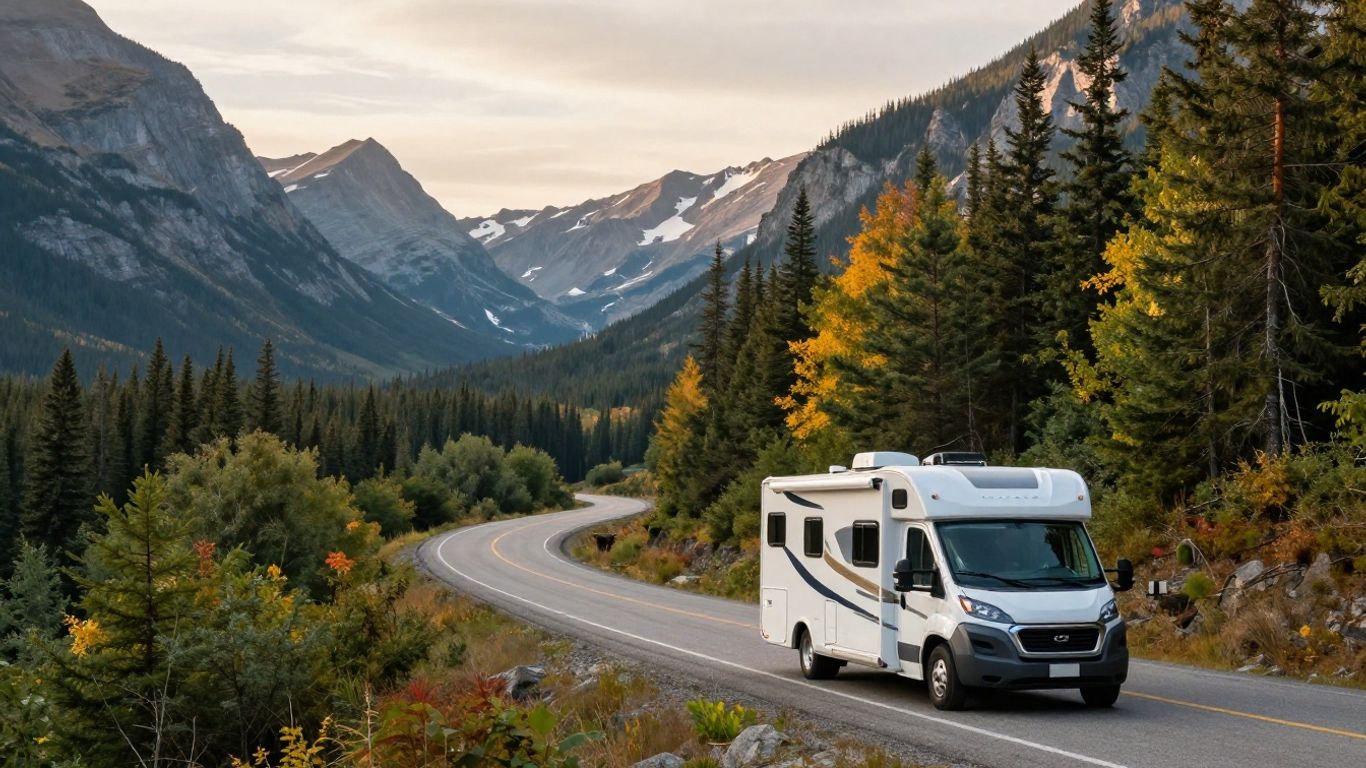
Thinking about renting an RV in Canada for a trip where you don’t plan on returning it to the pick-up spot? This is called a one-way rv rental canada one way, and it can be a really smart move sometimes. It’s not always the cheapest option, but there are definitely times when it just makes sense for your travel plans. We’ll break down when it’s worth it, what to look out for, and how to make it work for you.
Key Takeaways
- One-way RV rentals in Canada can save you time and money by eliminating the need to drive back to your starting point.
- Carefully review rental agreements for one-way fees, mileage limits, and drop-off charges, as these can significantly impact the total cost.
- Choosing the right RV size and type is important for comfort and maneuverability, especially on longer journeys or varied terrain.
- Popular one-way routes often follow scenic highways, but it’s key to balance driving time with opportunities for sightseeing.
- Consider alternatives like round-trip rentals or different vehicle types if one-way RV rental costs or availability are not ideal for your trip.
Understanding One-Way RV Rentals in Canada
What Constitutes a One-Way RV Rental?
A one-way RV rental is pretty straightforward: you pick up the recreational vehicle in one city and drop it off in another, often hundreds or even thousands of kilometers away. This setup is a bit different from your typical round-trip rental where you return the vehicle to its original location. It’s designed for travelers who want to cover a lot of ground without backtracking. Think of it as a road trip with a built-in endpoint, allowing you to explore new territories without the added time and expense of driving back. This can be a game-changer for those looking to experience Canada’s vast landscapes from coast to coast, or perhaps from the mountains to the prairies, without repeating any part of their journey.
Key Considerations for Your Journey
Before you even think about booking, there are a few things to keep in mind. One-way rentals often come with different pricing structures than standard rentals. You’ll want to understand how the rental company calculates these fees, as they can vary quite a bit. Also, consider the time of year you plan to travel. Canada is huge, and weather can play a big role, especially if you’re crossing through mountainous regions or heading north. Planning your route is also important – knowing where you’ll end up will help you figure out logistics like flights back home or onward travel.
- Pricing: Expect higher base rates and potential drop-off fees.
- Seasonality: Weather can significantly impact your travel, especially in shoulder seasons.
- Mileage: Some one-way rentals have mileage caps, so check the details.
- Vehicle Type: Not all rental companies offer one-way options for every RV model.
Navigating Rental Agreements and Policies
Reading the fine print on your rental agreement is super important for one-way trips. Pay close attention to:
- Drop-off locations and times: Make sure the designated drop-off point works for your plans and that you understand the hours of operation.
- Included mileage: Some agreements include a set amount of mileage, and exceeding it can lead to extra charges.
- One-way fees: These are often separate from the daily rental rate and can add a significant amount to your total cost.
- Cancellation policies: Understand what happens if your plans change.
It’s always a good idea to get everything in writing. Verbal agreements don’t hold up well when there’s a disagreement about fees or vehicle condition. Ask questions, and don’t be afraid to clarify anything you’re unsure about before you sign on the dotted line.
When a One-Way RV Rental Makes Financial Sense
So, you’re thinking about a one-way RV trip across Canada. It sounds like a grand adventure, right? But is it actually a smart move for your wallet? Sometimes, it really is. Let’s break down when this kind of rental can actually save you money or offer a better travel experience than the usual round trip.
Avoiding Return Trip Costs
This is the big one, honestly. If you’re planning to travel from, say, Vancouver to Halifax, the idea of driving an RV all the way back to Vancouver is… a lot. That’s a huge amount of extra driving, gas money, and time. By opting for a one-way rental, you skip that entire return journey. You fly or take another mode of transport home from your destination, saving you days on the road and a significant chunk of change on fuel and overnight stays.
Think about it: a cross-country drive back could easily add another week or more to your trip. That’s more food, more campgrounds, and more wear and tear on your nerves. A one-way rental lets you focus on the journey to your destination, not the journey back.
Maximizing Your Travel Itinerary
Sometimes, a one-way rental just makes more sense for the kind of trip you want to take. Maybe you want to explore the Rockies and then end up on the East Coast to catch a ferry to Newfoundland. Driving an RV back and forth would eat up precious vacation days. A one-way rental allows you to pack more experiences into your time off. You can cover more ground and see more places without the pressure of backtracking.
Here’s how it can help you see more:
- Explore diverse regions: Hit the mountains, then the coast, without doubling back.
- Focus on unique destinations: Reach places that are geographically spread out.
- Reduce travel fatigue: Spend less time driving and more time enjoying.
The key is to view the one-way fee not just as an extra cost, but as a payment for saved time and mileage on your return trip. If that saved time allows you to experience more or simply relax more, it’s often a worthwhile trade-off.
Special Promotions and Discounts
Rental companies sometimes offer deals on one-way rentals, especially if they need to reposition their fleet. If they have too many RVs in one city and not enough in another, they might offer discounted rates or even waive the one-way fee to encourage renters to move the vehicles. It’s not always the case, but it’s definitely worth looking out for these special offers. Keep an eye on rental company websites or sign up for their newsletters. You might snag a great deal that makes a one-way trip even more appealing financially.
Choosing the Right RV for Your One-Way Adventure
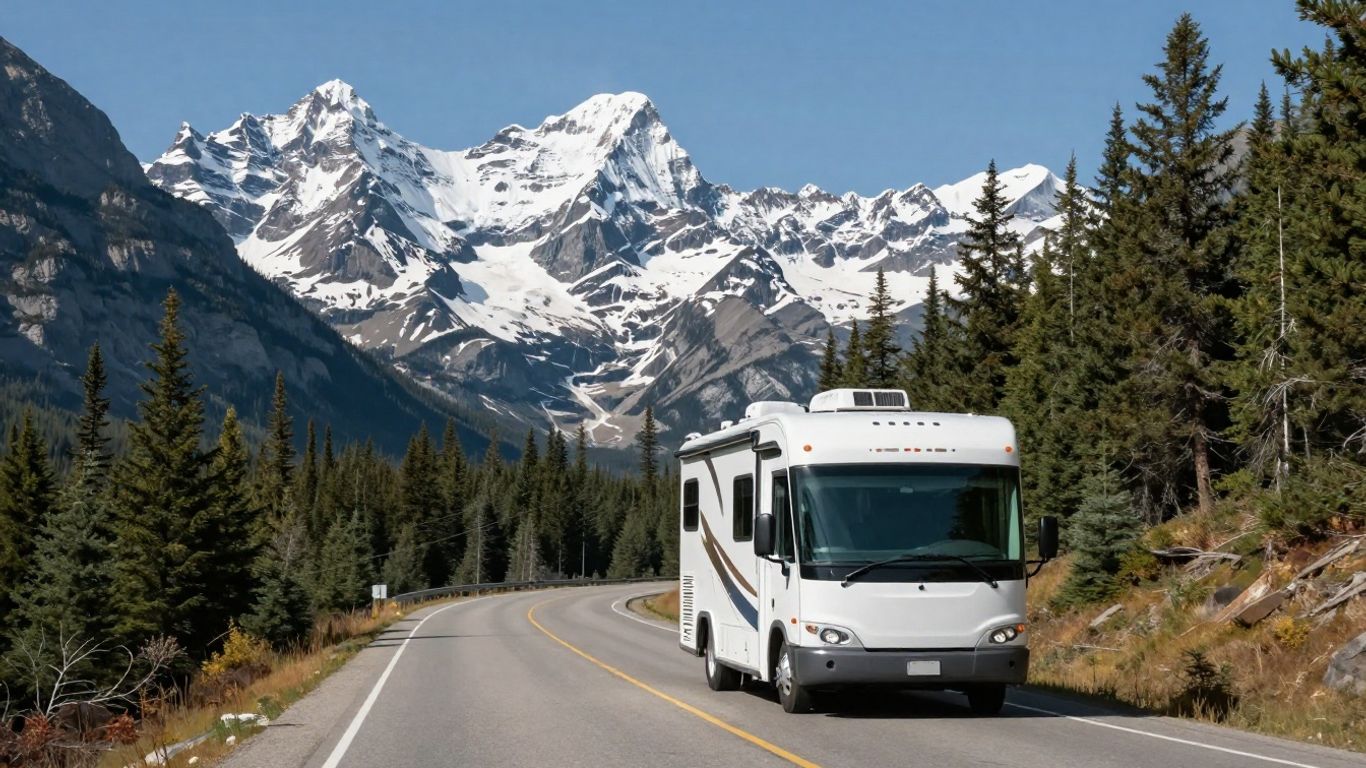
So, you’re thinking about a one-way RV trip across Canada. That’s pretty exciting! But before you hit the road, you’ve got to figure out what kind of rig will work best for you. It’s not a one-size-fits-all situation, and picking the wrong one can really put a damper on things. Let’s break down the main types you’ll see.
Class A, B, or C: Which is Best?
When people talk about RVs, they usually mean one of these three classes. Each has its own vibe and set of pros and cons, especially for a trip where you’re not returning the vehicle to its starting point.
- Class A: These are the big ones, like a bus. They offer the most space and amenities, kind of like a rolling apartment. Great for comfort, but they can be a handful to drive and park, especially in smaller towns or on winding roads. If you’re looking for luxury and don’t mind a larger vehicle, this might be it.
- Class B: Think of these as camper vans. They’re built on a van chassis and are much more maneuverable. They’re easier to drive, park, and can often fit into regular parking spots. They’re more basic than Class A, but many are surprisingly well-equipped for their size. For a one-way trip, their agility can be a big plus.
- Class C: These are usually built on a truck chassis with a distinctive over-cab sleeping area. They offer a good balance between space and drivability, often more than a Class B but less than a Class A. They’re a popular choice for families or groups.
Considering Size and Maneuverability
This is where things get really important for a one-way rental. You’re not just driving from point A to point B; you’ll likely be exploring. Think about where you plan to go. Are you sticking to major highways, or do you want to explore some of those smaller, scenic routes? Some of the larger RVs, while comfortable, can be a real pain to handle on narrow roads or in tight parking lots. A smaller, more nimble vehicle might save you a lot of stress. You’ll also want to consider fuel efficiency and how easy it is to get around once you’ve parked for the night.
Amenities for Comfort and Convenience
What do you absolutely need to be comfortable? Most RVs will come with basic sleeping areas and some form of kitchen. But beyond that, the options vary wildly. Do you need a full bathroom with a shower, or are you okay with using campground facilities? How important is a generator for power when you’re off the grid? Think about how much time you’ll actually spend in the RV versus exploring outside. For a one-way trip, sometimes a simpler setup that’s easier to manage is better than a rig packed with features you might not use.
When choosing your RV, really picture yourself driving it, parking it, and living in it for your trip. What feels right for your travel style? Don’t just go for the biggest or the fanciest; think about practicality for your specific journey across Canada. The right vehicle makes all the difference.
Planning Your One-Way RV Route Across Canada
So, you’ve decided on a one-way RV rental and you’re ready to see Canada. That’s awesome! But before you hit the gas, you’ve got to figure out where you’re actually going. Planning your route is half the fun, and it makes a huge difference in how smooth your trip will be.
Popular One-Way Routes
Canada is massive, and there are a few classic one-way routes that people love. Think about what you want to see. Are you all about the mountains, or maybe the coast? Or perhaps you want to drive from one end of the country to the other.
- Vancouver to Calgary: This is a super popular one, taking you through the stunning Canadian Rockies. You get mountains, lakes, and maybe even some wildlife sightings.
- Toronto to Montreal: A great option if you want to experience some of Canada’s most historic cities and enjoy the scenery of Ontario and Quebec.
- Halifax to St. John’s: For a taste of the Maritimes, this route offers rugged coastlines, charming fishing villages, and a unique cultural experience.
Scenic Drives and Must-See Destinations
When you’re planning, don’t just think about the start and end points. Canada is packed with incredible places to stop along the way. The journey itself is the destination, right?
- Icefields Parkway (Alberta): If you’re doing the Vancouver to Calgary route, this drive is non-negotiable. It’s one of the most beautiful drives in the world, connecting Banff and Jasper National Parks.
- Cabot Trail (Nova Scotia): This scenic highway in Cape Breton is famous for its dramatic ocean views and winding roads.
- Pacific Rim National Park Reserve (British Columbia): If your route takes you to Vancouver Island, this park offers rainforests, beaches, and a wild coastal feel.
Balancing Driving Time and Sightseeing
This is where it gets tricky. You can’t see everything, and trying to cram too much in will just make you tired and stressed. It’s better to pick a few key spots and really enjoy them.
Remember, RV travel is about slowing down. Don’t try to cover hundreds of miles every single day. Build in time for spontaneous stops, relaxing at a campsite, or just enjoying the view from your RV window. It’s a vacation, after all!
Think about how many hours you’re comfortable driving each day. A good rule of thumb is to aim for no more than 4-6 hours of driving, leaving you plenty of time for exploring. Also, consider the time of year. Driving in the Rockies in winter is a whole different ballgame than driving in the summer.
Potential Downsides of One-Way RV Rentals
While the idea of dropping off your RV in a different city or province sounds pretty convenient, it’s not always the perfect solution for everyone. There are definitely some drawbacks to consider before you book that one-way trip across Canada. It’s good to go into it with your eyes open, you know?
Higher Rental Fees
Let’s get this one out of the way first: one-way rentals usually cost more. Think about it from the rental company’s perspective. They have to get that RV back to its original location, and that takes time, money, and a driver. This extra logistical effort is often passed on to you, the renter. So, while you’re saving on a return flight or avoiding driving back, you’re likely paying a premium for the convenience.
Limited Vehicle Availability
Because one-way rentals are more complex to manage, companies tend to have fewer of them available compared to standard round-trip rentals. This is especially true during peak travel seasons. You might find that the specific type of RV you want, or even any RV at all, isn’t available for your desired one-way route. Popular routes might have more options, but if you’re looking to go off the beaten path, your choices could be pretty slim.
Additional Drop-Off Charges
Beyond the base rental rate, keep an eye out for extra fees. Some companies charge a significant "relocation fee" or "drop-off charge" for one-way rentals. This can add a substantial amount to your total cost, sometimes making the whole endeavor less financially appealing. Always ask for a full breakdown of all potential charges before you commit.
It’s not just about the daily rate; the total cost of a one-way RV rental can be surprisingly higher than you might initially expect. Always factor in all the potential fees, not just the advertised price per day. This can save you from some unpleasant surprises down the road.
Here’s a quick look at what might influence the cost:
- Base Rental Rate: Often higher for one-way trips.
- Mileage Fees: Some rentals have limits, and exceeding them adds up.
- Drop-Off Fee: This is the big one for one-way rentals.
- One-Time Use Fees: Cleaning, prep, etc., can sometimes be higher.
- Insurance: While not always higher, it’s a cost to consider.
Tips for a Smooth One-Way RV Rental Experience
Booking in Advance
Seriously, don’t wait until the last minute to book your one-way RV. Especially if you’re looking at specific dates or a particular type of RV, things get snapped up fast. Think about it like trying to get concert tickets for a popular band – the good seats (or in this case, the right RV) go first. For one-way rentals, companies often have fewer vehicles positioned where you need them, so planning ahead is key. The earlier you book, the better your chances of getting the RV you want, where you want it, and potentially at a better price.
Thorough Vehicle Inspection
Before you even think about pulling out of the rental lot, give that RV a good once-over. Don’t just glance at it. Open cabinets, check the fridge, flush the toilet (if it has one), test the lights, and look for any dings or scratches. It’s way easier to point out existing damage when you’re standing there with the rental agent than it is to argue about it when you return the vehicle. Take pictures or a video with your phone – it’s your best friend in case of any disputes later on.
Here’s a quick checklist:
- Exterior: Look for dents, scratches, tire condition, and any damage to awnings or slide-outs.
- Interior: Check for cleanliness, water damage (especially around windows and vents), and ensure all appliances work.
- Utilities: Test the generator, propane levels, water pump, and battery.
- Plumbing: Run the water, check for leaks under sinks and around the toilet/shower.
Understanding Insurance Options
This is one of those things that can feel like a headache, but it’s super important. Rental companies will offer you their insurance, and it can add a chunk to your daily rate. Figure out what your personal auto insurance covers, or if your credit card offers any rental protection. Sometimes, you can get better coverage for less money by going through a third party or using your existing policies. Don’t just blindly accept the rental company’s insurance without understanding what you’re paying for and what it actually covers. It’s worth a few phone calls to save yourself a lot of potential grief down the road.
Alternatives to One-Way RV Rentals
While a one-way RV rental can be super convenient for certain trips, it’s not always the best fit for everyone. Sometimes, looking at other options just makes more sense, especially when you’re trying to save a buck or just want a different kind of travel experience. Let’s check out a few alternatives that might work better for your Canadian adventure.
Round-Trip Rentals
This is probably the most common way people rent RVs, and for good reason. You pick up the RV at one location and bring it back to the same spot. It’s straightforward and often more budget-friendly than a one-way rental. If your trip starts and ends in the same general area, this is definitely worth considering. You get all the benefits of an RV without the extra fees associated with dropping it off somewhere else.
- Cost Savings: Generally cheaper than one-way rentals due to no repositioning fees.
- Wider Availability: More rental locations offer round-trip options, giving you more choices.
- Simpler Logistics: No need to coordinate complex drop-off arrangements.
Renting Different Vehicle Types
An RV isn’t the only way to hit the road. Depending on your travel style and needs, other vehicles might be a better fit. Think about what you really need from your accommodation on wheels. Do you need a full kitchen and bathroom, or just a place to sleep and store your gear?
- Van Conversions: These are becoming super popular. They’re often easier to drive and park than larger RVs, and many come with basic amenities like a bed and a small kitchenette. They offer a more nimble way to explore, especially in cities or on tighter roads. Some people even convert their own vans, which can be a more affordable route if you’re handy.
- Truck Campers: If you already have a truck, a truck camper can be a great option. It slides into the bed of your pickup, giving you a cozy sleeping area and sometimes a small galley. This setup is fantastic for off-road adventures and getting to more remote spots where a big RV can’t go.
- Trailers (Travel Trailers, Teardrop Trailers): Towing a trailer behind your own vehicle is another solid alternative. Teardrop trailers, in particular, are small, lightweight, and easy to tow, offering a comfortable sleeping space without the bulk of a full RV. You can leave the trailer at your campsite and use your vehicle for day trips.
The key here is to match the vehicle to your actual travel plans. If you’re mostly sticking to highways and want all the comforts of home, a larger RV might be great. But if you’re looking for more flexibility, easier driving, and access to less-traveled paths, a van conversion or a trailer could be your ticket to a fantastic Canadian road trip.
Exploring Other Transportation Methods
Sometimes, the best way to see Canada doesn’t involve renting a vehicle at all. You might consider combining different modes of transport to create a unique and potentially more affordable trip.
- Train Travel: VIA Rail Canada offers extensive routes across the country, providing a relaxing way to see the landscape without the stress of driving. You can book sleeper cars for overnight journeys and enjoy the scenery from a different perspective.
- Bus Travel: Companies like Greyhound (though routes have changed) and other regional bus lines can get you between major cities and towns. This is often the most budget-friendly option for covering long distances.
- Flying and Local Rentals: For vast distances, flying between major hubs and then renting a smaller car or even a campervan locally at your destination can be a smart strategy. This minimizes long driving days and allows you to focus on exploring specific regions more deeply.
Maximizing Your One-Way RV Rental Budget
Taking a one-way RV trip across Canada sounds amazing, right? But let’s be real, those rentals can add up. You want to see the sights without breaking the bank. Luckily, there are smart ways to keep costs down and make your adventure more affordable. It’s all about being a bit savvy with your planning and your spending.
Cooking and Meal Planning
Eating out for every meal on the road will seriously drain your wallet. Planning your meals and doing your grocery shopping before you hit the road is a game-changer. Think about simple, easy-to-prepare meals that don’t require a ton of fancy ingredients or complex cooking. Pasta, sandwiches, pre-made salads, and one-pot wonders are your friends here. Pack a cooler with essentials and hit up local grocery stores as you go, rather than relying on expensive tourist trap restaurants.
Here’s a quick meal idea list:
- Breakfasts: Oatmeal, yogurt with granola, breakfast burritos (pre-made and frozen), toast with jam.
- Lunches: Sandwiches, wraps, hearty soups (canned or homemade), salads.
- Dinners: Pasta dishes, stir-fries, chili, tacos, foil packet meals cooked over a campfire.
Utilizing Free Campsites
Campground fees can be a significant expense. While some spots offer great amenities, there are plenty of ways to find free or low-cost places to park your RV for the night. Look into:
- National Forests and BLM Land: In many areas, you can camp for free on public lands. Just be sure to check local regulations and practice Leave No Trace principles.
- Rest Stops and Truck Stops: Some allow overnight parking, though amenities are usually limited to restrooms. Always check signage.
- Walmart Parking Lots: Many Walmarts allow overnight RV parking, but policies vary by location. It’s always best to ask the store manager first.
- Boondockers Welcome / Harvest Hosts: These are membership programs that connect RVers with hosts offering free overnight parking on private property, often farms or businesses. It’s a great way to meet people and find unique spots.
Finding free camping spots requires a bit of research and flexibility. Apps like iOverlander, Campendium, and FreeCampsites.net can be incredibly helpful for locating these hidden gems across Canada. Always have a backup plan in case your first choice isn’t available or suitable.
Managing Fuel Expenses
Fuel is a big one, especially with RVs. Driving efficiently can make a noticeable difference in your overall spending.
- Drive Smoothly: Avoid rapid acceleration and hard braking. Maintain a steady speed whenever possible.
- Check Tire Pressure: Properly inflated tires improve fuel economy.
- Reduce Weight: Don’t carry unnecessary heavy items. The lighter the RV, the less fuel it uses.
- Plan Your Route: Group your destinations to minimize backtracking and long, unnecessary drives. Consider using apps that help optimize routes for fuel efficiency. Understanding rental agreement specifics like mileage limits is also key to avoiding surprises [756f].
- Use Cruise Control: On highways, cruise control can help maintain a consistent speed and save fuel.
The Appeal of Van Conversions for One-Way Trips
When you’re thinking about a one-way RV rental, especially across Canada, you might not immediately picture a van conversion. But honestly, these things can be pretty sweet for certain kinds of trips. They’re not your typical hulking RV, which is often the point.
Agility and Ease of Driving
One of the biggest pluses for van conversions is how they handle on the road. They drive much more like a regular vehicle, which is a huge relief if you’re not used to piloting something the size of a small bus. This makes them great for navigating smaller towns, winding roads, or even just finding parking in a busy city. You don’t feel quite as intimidated by them, and that can make a big difference on a long journey.
Compact Living Spaces
Sure, they’re smaller than a Class A or C RV, but that’s not always a bad thing. Van conversions are designed to make the most of their space. You’ll find clever storage solutions and multi-functional furniture. It forces you to be a bit more organized, but you still get the convenience of a bed, a small kitchen area, and sometimes even a tiny bathroom, all in one package. It’s a cozy setup, perfect for solo travelers or couples.
Unique Travel Experiences
There’s a certain charm to van life that you just don’t get with a larger RV. It feels more connected to the outdoors and the places you’re visiting. You can often get to more remote spots that larger rigs can’t reach. Plus, there’s a whole community around van conversions, and it just feels like a more adventurous way to travel. It’s less about hauling a house and more about the journey itself.
Here’s a quick look at how they stack up against other options:
| Feature | Van Conversion | Standard RV (Class C) | Large RV (Class A) |
|---|---|---|---|
| Ease of Driving | High | Medium | Low |
| Maneuverability | High | Medium | Low |
| Fuel Efficiency | Medium | Low | Very Low |
| Living Space | Compact | Moderate | Spacious |
| Access to Remote Spots | Good | Fair | Poor |
Van conversions offer a blend of practicality and adventure. They let you get closer to nature without sacrificing too many comforts, making them a compelling choice for a one-way Canadian road trip where flexibility is key.
Navigating Specific Canadian Regions with Your Rental
Canada is a huge place, and where you decide to drop off your RV can really change your trip. Each region has its own vibe and challenges, so it’s good to have a little heads-up before you go.
Coastal British Columbia Adventures
Driving an RV along the coast of British Columbia can be stunning, but it also comes with its own set of quirks. Think winding roads, ferry schedules, and sometimes, limited parking for larger vehicles. If you’re picking up or dropping off in Vancouver or Victoria, you’ll want to be comfortable maneuvering your RV through city traffic and finding suitable spots. Many people find that smaller RVs or campervans are easier to handle on these routes, especially if you plan on exploring smaller towns or accessing more remote coastal areas. Keep an eye on ferry reservations, too; they can fill up fast, especially during peak season. You might want to check out RV rental options that cater to these specific needs.
- Ferry Travel: Book your ferry crossings in advance, especially if you’re traveling with a larger RV. Space can be limited.
- Road Conditions: Coastal highways can be narrow and winding. Drive cautiously and be aware of your surroundings.
- Parking: Finding parking for an RV in popular coastal towns can be tough. Look for designated RV parking areas or be prepared to park further out and walk.
Rocky Mountain National Parks
Heading into the Rockies means spectacular views but also some specific considerations for RV rentals. Parks like Banff, Jasper, and Yoho have designated campgrounds and roads suitable for RVs, but there are often size restrictions in certain areas or on specific trails. You’ll want to plan your route carefully to ensure you can access the places you want to see. Some mountain passes can be steep, and weather can change rapidly, even in summer. If you’re planning a one-way trip that ends in Calgary or Edmonton, you’ll need to factor in the drive from the mountains to the drop-off location.
Remember that altitude can affect your RV’s engine performance, so take it easy on steep inclines and monitor your gauges.
- Campground Reservations: Book your campsites well in advance, as they are highly sought after.
- Wildlife Awareness: Be mindful of wildlife. Store food properly and never feed animals.
- Park Passes: Ensure you have the necessary park passes for entry.
Exploring the Maritimes
The Maritime provinces – Nova Scotia, New Brunswick, and Prince Edward Island – offer a charming RV experience with rolling hills, coastal drives, and friendly towns. One-way rentals here might mean picking up in Halifax and dropping off in St. John’s, or vice versa. The roads are generally well-maintained, but many are rural and can be narrow. You’ll find plenty of beautiful spots to park and explore, from sandy beaches to historic lighthouses. Just be aware that some areas might have limited services, so stocking up on supplies before heading into more remote regions is a good idea. The pace of life is slower here, which is perfect for an RV trip, but it also means services might be further apart than you’re used to.
So, When Does a One-Way RV Rental Make Sense?
After looking at all the options, from fancy camper vans to older, well-loved VWs, it’s clear that renting an RV one-way isn’t always the easiest choice. It can be pricey, and finding the right fit for your trip style is key. If you’re planning a long, cross-country adventure and want to avoid the hassle of driving back, or if you just want to try out a specific type of RV before buying, then yeah, it might be worth the extra cash. But for shorter trips or if you’re on a tight budget, sticking to a more traditional rental or even your own vehicle might be the smarter move. Ultimately, it’s all about weighing the convenience against the cost and making sure the ride fits your travel dreams.
Frequently Asked Questions
What exactly is a one-way RV rental?
A one-way RV rental means you pick up your recreational vehicle in one city or location and drop it off in a completely different one. It’s like renting a car but for a much bigger vehicle, and you don’t have to drive it all the way back to where you started.
When does a one-way RV rental make sense financially?
It’s a good idea if you want to explore a new area without the cost and time of returning the RV. Imagine flying into Vancouver and driving to Calgary, then flying home from there. You save money on gas and lodging for the return trip.
Are one-way RV rentals more expensive than regular rentals?
Often, yes. Companies charge more because they have to move the RV back to its original location, which costs them time and money. Think of it as a convenience fee for not having to do the round trip yourself.
What types of RVs can I rent one-way?
You can usually find different kinds, like the big Class A motorhomes, the more compact Class C ones, or even smaller camper vans. The best choice depends on how many people are traveling and what kind of roads you’ll be on. Smaller vans are easier to park and handle.
What should I look for in the rental agreement?
Always read the fine print! Check for any hidden fees, like extra charges for dropping off the RV at a different location. Also, understand the rules about mileage, where you can drive, and what’s covered by insurance.
Can I drive my one-way RV rental anywhere in Canada?
Generally, yes, but it’s smart to check. Some rental companies might have restrictions on driving on unpaved roads or in certain remote areas. It’s best to confirm this with the rental company before you plan your route.
What are some popular one-way RV routes in Canada?
Many people enjoy routes like driving from Vancouver, British Columbia, through the stunning Rocky Mountains to Calgary or Edmonton in Alberta. Another popular option is exploring the East Coast, perhaps starting in Halifax, Nova Scotia, and heading west.
What if I can’t find a one-way rental that fits my budget?
If one-way rentals are too pricey, consider a round-trip rental and then selling or returning the RV. You could also look into renting a car and staying in hotels or exploring other options like trains or buses for different parts of your trip.