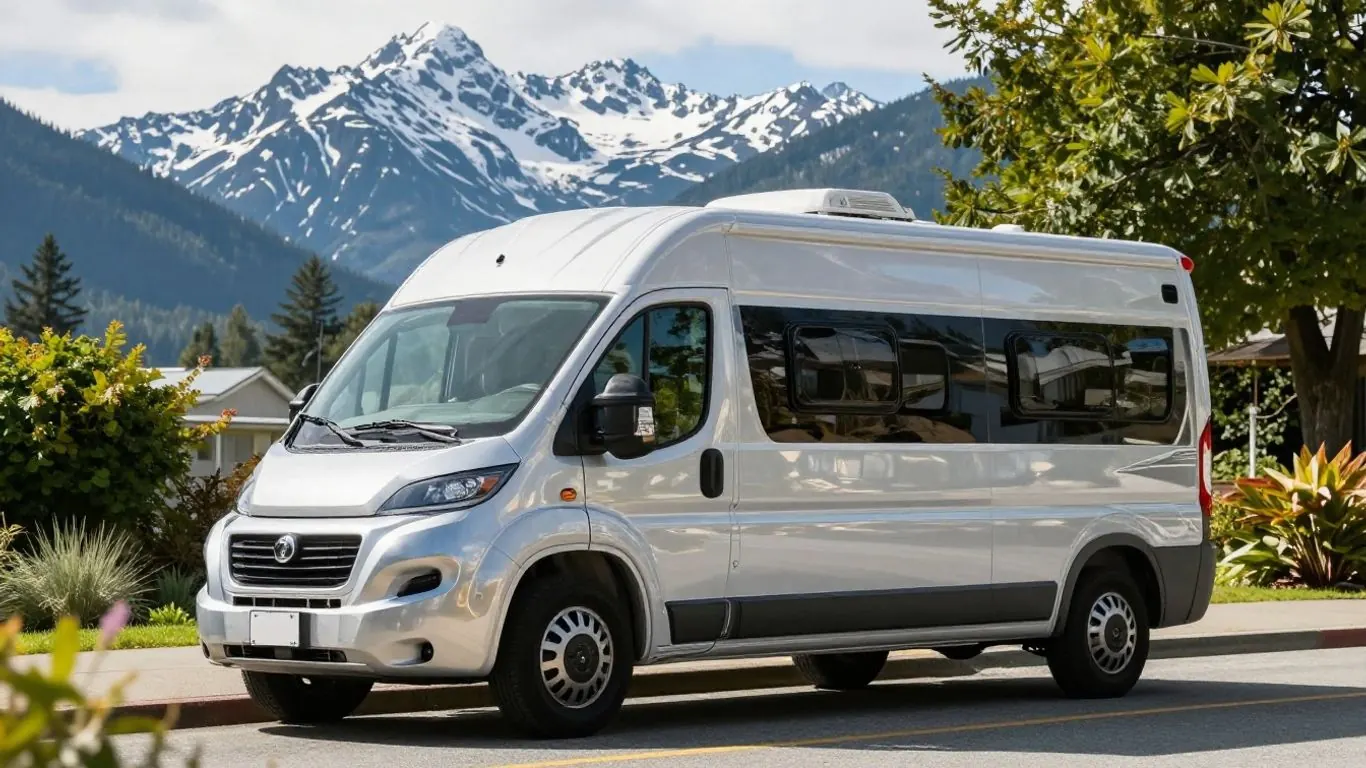
Thinking about renting a motorhome for your Canadian adventure? Picking one up in Vancouver is a great starting point. It can feel a bit overwhelming at first, especially if it’s your first time. ’ But don’t let that stop you. With a little planning and knowing what to expect, you’ll be cruising along and enjoying the amazing scenery in no time. This guide will help you get ready for your motorhome rental Canada Vancouver pickup.
Key Takeaways
When you pick up your motorhome rental Canada Vancouver pickup, take time to learn all the controls and hook-up procedures. It’s more than just driving.
Figure out the size of motorhome that fits your group and how much stuff you plan to bring. Storage space is important for longer trips.
Plan your route ahead of time, especially for popular spots like national parks. Book campsites early, as they fill up fast.
Driving a larger vehicle takes some getting used to. Pay attention to the vehicle’s size and be aware of Canadian road signs and wildlife.
Enjoy the freedom of cooking outside, using campsite amenities, and taking in the incredible views. Your motorhome trip is about the experience.
Choosing Your Motorhome Rental Canada Vancouver Pickup
So, you’re thinking about grabbing a motorhome in Vancouver for your Canadian adventure? That’s a fantastic idea! Vancouver is a great spot to kick things off, with access to stunning coastlines and the gateway to the mountains. But before you hit the road, there are a few things to sort out with your rental.
Selecting The Right Size Vehicle
This is a big one, literally. Think about who’s traveling with you and how much stuff you’re bringing. A smaller camper might feel nimble, but it can get cramped fast, especially if you’re on the road for a while. On the flip side, a massive RV can be a bit of a handful to drive and park, especially in tighter spots. Most rental places have a few different classes, usually based on how many people they sleep. It’s usually better to have a little extra space than not enough.
Here’s a general idea of what you might find:
Class C: Often built on a truck chassis, these are pretty common and good for families. They usually have a separate sleeping area over the cab.
Class A: These look more like a bus and are the biggest. Plenty of room, but definitely a bigger vehicle to handle.
Class B (Campervans): These are more like a van, easier to drive and park, but can be tight for more than two people.
Understanding Different Motorhome Models
Beyond just size, the models themselves have different layouts and features. Some might have a dedicated dining area, while others use a dinette that converts into a bed. Check out the kitchen setup – do you need a full oven, or will a stovetop and microwave do? Also, consider the bathroom situation. Some have a wet bath (shower and toilet in the same small space), while others have a separate shower stall. It’s worth looking at floor plans online before you book to get a feel for what works best for your travel style. You can find a variety of options when you’re looking for your RV rental pick-up location .
Ensuring Adequate Storage Space
This is something people often underestimate. You’ll have your luggage, groceries, camping gear, and maybe even some souvenirs. Look for motorhomes with plenty of overhead cabinets, a good-sized pantry, and external storage compartments (often called basement’ storage). If you plan on doing a lot of cooking or bringing along bikes, you’ll need more space than someone just planning short drives and simple meals. Don’t forget to factor in space for things like water hoses, electrical cords, and leveling blocks – these are usually stored outside.
When you pick up your motorhome, take your time. Don’t feel rushed by the rental staff. Walk around the vehicle, check for any existing damage, and make sure you understand how everything works before you drive away. It’s your home on wheels for the next little while, so getting comfortable with it from the start is key.
What To Expect At The Rental Depot
So, you’ve picked out your perfect motorhome and you’re ready to hit the road. The next step is heading to the rental depot to actually get your home on wheels. When you arrive, don’t expect to just grab the keys and go. There’s a bit of a process involved, and it’s good to know what’s coming. First off, someone will walk you through the vehicle. They’ll show you where everything is and how it works. This is your chance to ask all the questions you have, no matter how small they seem. They’ve seen it all, so don’t be shy!
Getting Familiar With Vehicle Controls
Motorhomes are a bit different from your everyday car. You’ve got more buttons, levers, and gauges to get acquainted with. The rental staff will go over the basics, like how to start the engine, operate the lights, and use the mirrors. They’ll also point out things like the fresh water tank level, the battery monitor, and how to control the heating and air conditioning. It might seem like a lot at first, but they usually have helpful videos or guides you can take with you. It’s a good idea to take a few minutes to sit in the driver’s seat and just get a feel for the controls before you pull out of the lot.
Understanding Essential Hook-Ups
This is where things get a little more RV specific’. When you get to a campsite, you’ll likely want to connect to power and water. This is called hooking up’. You’ll have a hose for water and a cable for electricity. The rental staff will show you where these connections are on the motorhome and how to hook them up to the campsite’s services. They’ll also explain the waste water tanks – the grey water (from sinks and showers) and the black water (from the toilet). You’ll need to know how to empty these at designated dump stations. It’s not the most glamorous part of RVing, but it’s pretty straightforward once you’ve seen it done.
Here’s a quick rundown of what you’ll be dealing with:
Power Hook-Up: Connecting to shore power at a campsite to run appliances and charge batteries.
Water Hook-Up: Connecting to the campsite’s water supply for your taps and shower.
Waste Water Tanks: Understanding the grey and black water tanks and how to empty them.
Remember to pay attention during this part of the orientation. It’s much easier to learn these things when you’re at the depot with an expert, rather than figuring it out for the first time at a busy campsite.
Planning Your Canadian Motorhome Itinerary
Alright, so you’ve got your motorhome sorted and you’re ready to hit the road from Vancouver. But where to go? Canada is HUGE, and you can’t see it all in one trip. Figuring out your route and where you’ll sleep each night is pretty important, especially if you want to actually relax.
Mapping Your Route From Vancouver
Think about what you want to see. Are you dreaming of jagged mountain peaks, vast prairies, or maybe the Pacific coast? Vancouver is a great jumping-off point for so many adventures. You could head east towards the Rockies, north up the coast, or even south if you’re planning a longer trip that dips into the US. Don’t just stick to the main highways; some of the best sights are found on the smaller roads. Factor in extra time for those spontaneous stops – you know, the ones where you see a sign for a scenic viewpoint’ and just have to pull over.
Estimating Travel Times Accurately
Here’s a little tip: those GPS apps that estimate driving times? They’re usually designed for regular cars, not lumbering motorhomes. Driving a bigger vehicle takes longer, especially on winding roads or when you’re navigating through towns. We found that using apps that let you input your vehicle size, or even just adding a good 20-30% buffer to standard estimates, worked much better. Also, remember that driving at dawn or dusk can be risky; wildlife tends to be more active on the roads then, so plan your driving for the middle of the day.
Here’s a rough idea of how long some popular routes might take, keeping in mind this is for a motorhome:
Booking Campsites In Advance
This is a big one. ’ And sometimes, that works. But in popular areas, especially during peak season (summer) or on weekends, campsites fill up fast. Like, really fast. Booking ahead, particularly for national parks or well-known spots, means you won’t be stuck driving around looking for a place to park for the night. It also gives you peace of mind, letting you focus on enjoying the journey. You can often book online through provincial park systems or private campground websites.
Planning your overnight stops ahead of time isn’t just about securing a spot; it’s about setting yourself up for a more relaxed trip. Knowing where you’re headed each evening allows you to enjoy the day’s driving and sightseeing without the underlying stress of finding accommodation.
Driving Your Motorhome In Canada
Driving a motorhome in Canada for the first time can feel a bit daunting, especially if you’re used to smaller vehicles. But honestly, it’s more about getting a feel for the size and adjusting your expectations. Think of it like driving a large van, but with a bit more length and height to consider.
Adapting To Vehicle Dimensions
You’ll quickly get used to the motorhome’s size, but always be mindful of its length and width. Taller vehicles might need to watch out for low bridges or tree branches, especially on older roads or in national parks. Always check the height and width clearance signs. When turning, remember that the back end of the motorhome swings wider than the front. Give yourself plenty of room, especially at intersections and when parking.
Here’s a quick rundown of things to keep in mind:
Length: Motorhomes can be quite long, so plan for wider turns and give yourself extra space when changing lanes.
Height: Be aware of overhead clearances, particularly in urban areas, underpasses, and at drive-thrus.
Width: Motorhomes are wider than cars. Be cautious of roadside obstacles like parked cars, signs, and narrow lanes.
Understanding Canadian Road Signs
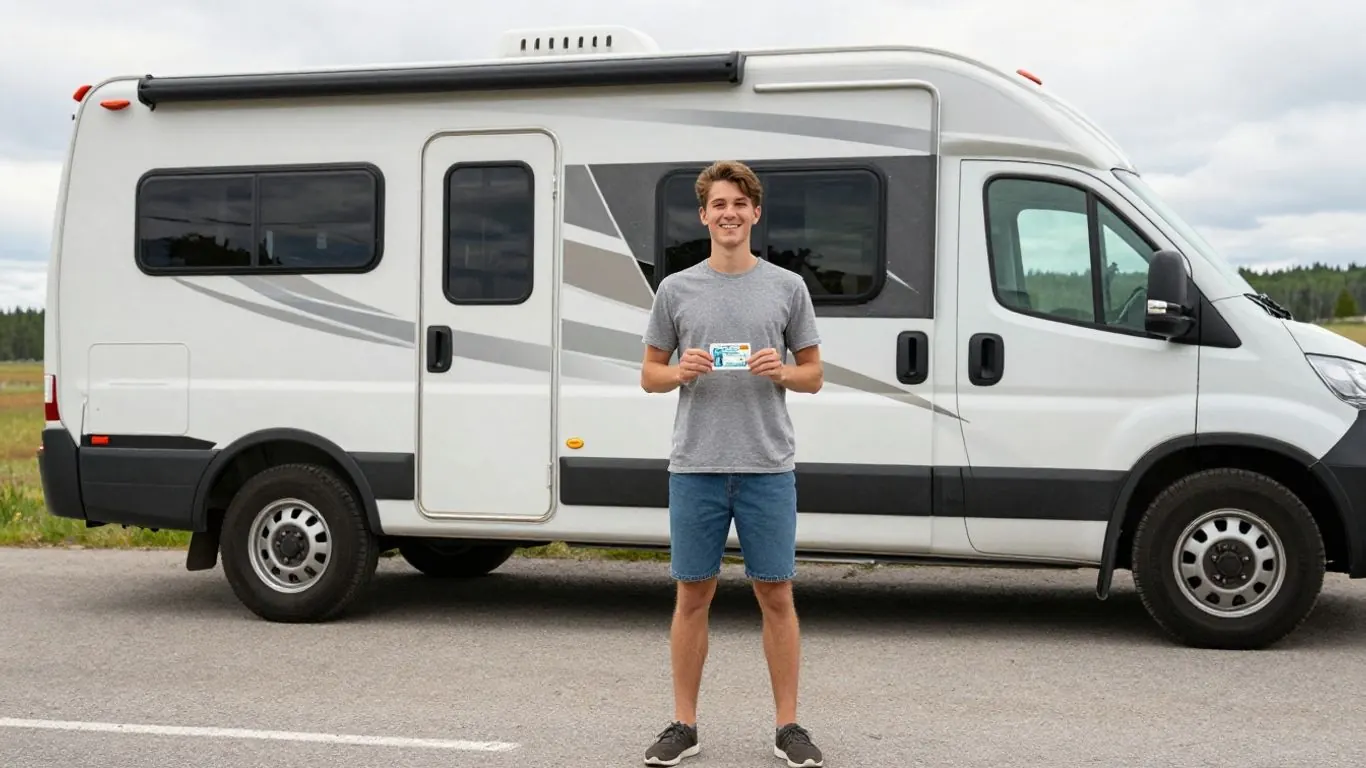
Canadian road signs are pretty standard, but there are a few you’ll want to pay attention to when driving a larger vehicle. You’ll see the usual speed limits, stop signs, and yield signs. However, keep an eye out for:
Weight and Height Restrictions: These are important for larger vehicles. Always obey them.
Animal Crossing Signs: Canada has a lot of wildlife. Signs for deer, moose, or other animals mean you need to be extra vigilant, especially at dawn and dusk.
Passing Zones: These indicate where it’s safe to overtake slower vehicles. Since you’ll likely be one of the slower vehicles, pay attention to these.
Driving Safely At Dawn And Dusk
Driving at dawn and dusk in Canada comes with its own set of challenges, mainly due to wildlife. Animals like moose and deer are most active during these twilight hours and can wander onto the roads unexpectedly. It’s generally recommended to avoid driving during these times if possible. If you must drive, slow down significantly, use your headlights, and be extra alert. Scan the sides of the road and be prepared to brake suddenly. It’s better to pull over and wait for daylight than to risk a collision with an animal.
When planning your daily travel, it’s wise to aim to reach your destination before sunset. This gives you ample time to set up camp without the added stress of maneuvering a large vehicle in the dark. Plus, you’ll have more daylight to enjoy the scenery along the way.
Essential Motorhome Operations
Getting a handle on how your motorhome works is key to a smooth trip. It’s not like driving a car, that’s for sure. You’ve got systems for water, power, and waste that need your attention. Don’t worry, though, it’s all pretty straightforward once you get the hang of it.
Mastering Water And Sewage Connections
Your motorhome has tanks for fresh water, grey water (from sinks and showers), and black water (from the toilet). You’ll want to keep an eye on the levels, usually shown on a control panel inside. Many campsites offer full hookups’ where you can connect directly to the site’s water supply, which is super convenient and saves your onboard water. When it’s time to empty the tanks, it’s a process you’ll get used to. You’ll connect a hose to the appropriate tank valve and then to the campsite’s dump station. It’s not the most glamorous job, but it’s necessary.
Fresh Water Tank: This is your onboard water supply. You can fill it up at designated stations or connect to a campsite’s water source.
Grey Water Tank: Collects water from your sinks and shower. It’s generally less concerning than black water.
Black Water Tank: Holds waste from the toilet. This requires careful handling and disposal.
Disposal: Always use the designated dump stations at campsites. Ensure your hose is securely connected before opening the valves.
Remember to only use RV-specific toilet paper, as it breaks down much easier and helps prevent clogs in your black water tank. Also, consider getting some tank treatment chemicals to help manage odors and waste breakdown.
Operating Interior Lighting And Heating
Keeping your motorhome comfortable means understanding its electrical system and heating. Most interior lights and appliances will run off the vehicle’s battery when you’re not plugged into shore power. However, high-draw items like air conditioning, microwaves, and sometimes even the fridge will need either shore power or the generator to run. Your heating system might be propane-powered or electric, depending on the motorhome model. It’s a good idea to familiarize yourself with the thermostat and any specific instructions for your unit.
Knowing Your Gas Detector’s Alarm
Safety first! Motorhomes often have detectors for propane gas and carbon monoxide. These are usually small, unobtrusive units mounted near the floor or ceiling. It’s vital to know what the alarm sounds like and what to do if it goes off. Check for obvious gas leaks or appliance malfunctions. If you can’t identify the cause or are concerned, contact your rental company or roadside assistance.
Experiencing The Outdoors
One of the best parts about renting a motorhome is the freedom to truly immerse yourself in the natural beauty of Canada. It’s not just about getting from point A to point B; it’s about the journey and the stops you make along the way. Think about pulling over spontaneously to admire a stunning vista or setting up a picnic lunch with a view that most people only dream of.
Cooking And Dining Al Fresco
Forget stuffy restaurant meals. Your motorhome kitchen is fully equipped, but the real magic happens when you take your cooking outside. Imagine grilling some local sausages or fresh fish on a portable BBQ, or simply preparing a sandwich and enjoying it at a scenic overlook. Most campgrounds provide fire pits, and many have dedicated BBQ areas. Don’t forget to pack some basic cooking utensils and perhaps a foldable table and chairs. It’s a simple pleasure, but eating outdoors, surrounded by nature, really makes a trip memorable. You might even find yourself chatting with fellow travelers doing the same thing.
Utilizing Campsite Fire Pits And BBQs
Campfires are practically a Canadian tradition, especially when you’re RVing. Many campsites come equipped with a fire pit right at your pitch. You can usually buy firewood from the site office or a local store. Gathering wood (if permitted and safe) can be part of the adventure, too. Picture this: the crackling fire, the smell of woodsmoke, and a sky full of stars. It’s the perfect setting for roasting marshmallows, sharing stories, or just enjoying the quiet. If you’re not up for a full campfire, a simple BBQ grill can also be a fantastic way to prepare meals. Remember to check local fire restrictions before lighting up.
Enjoying Scenic Stops
Canada is packed with breathtaking scenery, and your motorhome is the perfect way to explore it. Don’t just stick to the main highways. Take those scenic detours, pull over at designated viewpoints, and just soak it all in. Sometimes the best moments aren’t planned. You might see a herd of deer grazing in a meadow or a stunning waterfall just off the road. Embrace the flexibility your motorhome offers to pause and appreciate these moments. It’s also a great idea to have a good map or use a reliable GPS app, as sometimes signage can be a bit sparse, especially in more remote areas. Planning your route with potential stops in mind can help you make the most of these opportunities.
Exploring Vancouver And Beyond
Vancouver itself is a pretty cool city, but honestly, the real magic happens when you venture out a bit. Don’t just stick to the city limits!
Day Trips From Vancouver
There are tons of places you can reach for a day trip without having to pack up everything. Think of it as a practice run for longer hauls.
Capilano Suspension Bridge Park: Just a short drive north of the city, this place is wild. You walk across a swaying bridge high above a river, and there’s a whole treetop adventure and a cliffside walkway too. It’s a bit of a thrill, not gonna lie.
Gastown: This is Vancouver’s oldest neighborhood. It’s got these old brick buildings and cobblestone streets, feels like stepping back in time. Plus, there are loads of shops, restaurants, and you can see the famous steam clock.
Stanley Park: You could spend a whole day here. It’s huge, right on the water, and has beaches, trails, and even an aquarium. Renting bikes and riding the seawall is a classic.
Visiting Nearby National Parks
British Columbia is packed with stunning natural beauty, and some of the best bits are within reach of Vancouver. Getting your motorhome into these parks is what it’s all about.
Pacific Rim National Park Reserve: Okay, this one is on Vancouver Island, so it requires a ferry trip (more on that later). But if you have time, it’s worth it for the rugged coastlines and rainforests.
Gulf Islands National Park Reserve: These islands are scattered in the Strait of Georgia between Vancouver Island and the mainland. You can explore them by ferry and then find spots to park your RV.
Remember that national parks often have specific rules for RVs, like size restrictions or where you can park overnight. Always check the park’s website before you go.
Taking Your Motorhome On The Ferry
This is a big one if you plan on visiting Vancouver Island or any of the Gulf Islands. Taking your motorhome on a BC Ferries vessel is totally doable, but it requires a bit of planning.
Here’s the lowdown:
Book Ahead: Especially if you’re traveling during peak season or on a weekend, you’ll want to reserve your spot for your RV. They have specific lanes and pricing for vehicles.
Check Dimensions: Make sure your motorhome fits within the ferry’s height and length restrictions. It’s usually not an issue for standard RVs, but it’s good to be sure.
Arrive Early: Give yourself plenty of time to get to the terminal, check in, and board. You’ll drive your RV onto the car deck and park it where directed.
Enjoy the Ride: The ferry trips themselves are often scenic, offering great views of the coast. You can get out of your RV and walk around the passenger areas during the crossing.
Wildlife And Scenery Spotting
Canada is just bursting with amazing sights, both in terms of landscapes and the critters that call it home. When you’re cruising around in your motorhome, keep your eyes peeled – you never know what you might see.
Keeping An Eye Out For Animals
Seriously, just be aware of your surroundings. You’ll be surprised what pops up. We saw a whole herd of elk just hanging out near our RV one morning, totally unbothered. And don’t forget those mountain sheep you might spot near places like Miette Hot Springs. A good tip: if you see a bunch of cars pulled over on the side of the road, there’s probably something interesting to see. It could be a bear, a moose, or some other cool creature.
Recognizing Wildlife Hotspots
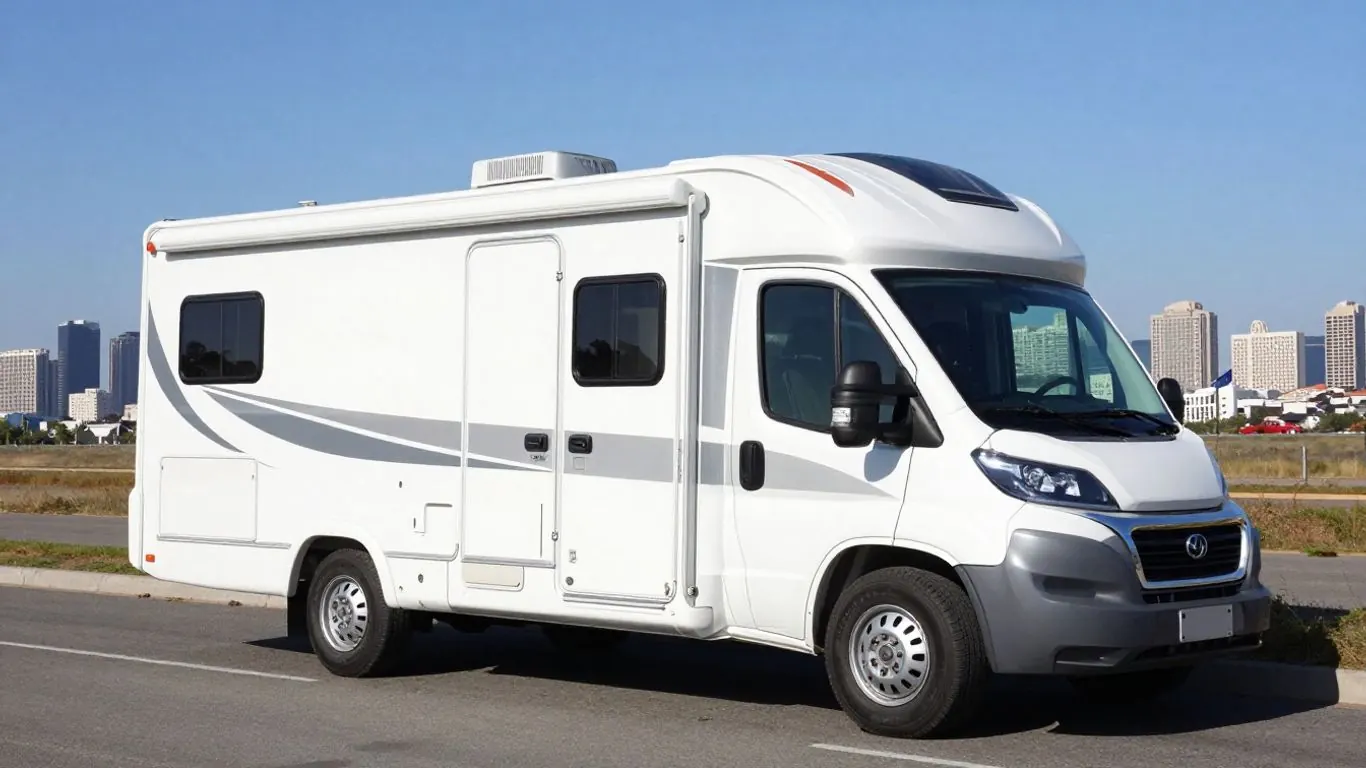
Some areas are just known for having more animals. National Parks are usually a safe bet, but even smaller provincial parks can be great. Keep an eye out for signs that mention wildlife viewing areas. Sometimes, local campgrounds will even have information about recent sightings.
Here are a few general ideas:
Rocky Mountains: Keep an eye out for bighorn sheep, mountain goats, and maybe even bears.
Forests: Look for deer, elk, and smaller critters.
Near Water: You might spot beavers, otters, or various birds.
Appreciating The Majestic Views
Beyond the animals, the scenery itself is often breathtaking. You’ll be driving through some pretty incredible places. ) when you see a view that just stops you in your tracks. That’s the beauty of having your own wheels – you can take it all in at your own pace. Sometimes the best moments are just the simple ones, like stopping for lunch with an amazing backdrop.
Remember that driving at dawn or dusk can be a bit trickier. Animals like moose and deer tend to wander onto the roads more during those times, so it’s best to be extra cautious or avoid driving then if possible. It’s better to be safe and enjoy the views from a stationary spot.
Campsite Facilities And Amenities
Campsites in Canada are all over the place when it comes to what they offer. Some are just a patch of forest with a fire ring, while others feel a bit like parking up at a mini resort. Before your trip, it’s smart to get a sense of what to expect so you don’t, for example, arrive late and discover there’s no water or the showers are coin-operated.
Varying Campsite Standards
Not all campsites are created equal—some are rustic while others have plenty of home comforts. Here’s a quick look at the main types:
You’ll find dump stations dotted around (for emptying your tanks), but you might have to hunt for a good shower or even potable water if you’re staying at a basic site.
Identifying Essential Amenities
Every camper’s got their own must-haves, but here are a few things you might want to check for, especially if this is your first RV adventure:
Potable water access (for filling up or cooking)
Electric hookups for running the air conditioning or charging devices
Dump stations for wastewater
On-site toilets and hot showers
Fire pits and picnic tables
Laundry facilities (usually coin-operated—bring some loonies)
Blockquote:
The surprise of finding a little shop or a laundry room at a remote lakeside spot can be a real mood-lifter after a long day on the road.
Choosing The Right Pitch
Picking your spot is more important than you’d think. Proximity to the lake or playground is great if you’re with kids, but if you value privacy or quiet, look for:
Edge-of-park pitches or sites shaded by trees
Spots away from communal fire pits or busy walkways
Easy access to service points, especially if you’re staying multiple nights
If you need full hookups, book ahead, especially in summer or on weekends—those spots go fast. People line up for the lakeshore or mountain-view sites, but don’t ignore sites tucked by the woods if you want to dodge the crowds. Sometimes, a little distance from the main area makes all the difference for a good night’s sleep.
Preparing For Variable Weather
Canada’s weather can be a real mixed bag, no matter the season. You might start your trip with sunshine and end it with a chilly rain, or even a surprise dusting of snow in the mountains. It’s not just about packing the right clothes; it’s about being ready for anything the sky decides to throw at you.
Packing For Different Climates
When you’re packing for a motorhome trip, think layers. Seriously, layers are your best friend. You could be in a warm, sunny Okanagan Valley one day and then hit the cooler Rockies the next. It’s a good idea to bring a mix of items. Think t-shirts, long-sleeved shirts, a fleece or sweater, and a waterproof jacket. Don’t forget a hat and gloves, even if you’re traveling in summer – mountain air can get surprisingly cold. Thermal pajamas are also a good idea for those chilly nights; keeping a fleece and socks by the bed means you can easily add an extra layer if you wake up feeling a bit nippy. Remember, you’ve got storage space, so don’t be afraid to pack a few extra bits that might make you more comfortable. You can always reserve provisioning kits that include things like blankets and pillows if you don’t want to bring them from home.
Understanding Seasonal Changes
Each season brings its own weather patterns. Summer often means warm days but can also bring thunderstorms, especially in the afternoons. Winter travel requires a specialized four-season vehicle, as regular motorhomes aren’t built for freezing temperatures. Knowing what to expect for the time of year you’re traveling is key to enjoying your trip without being caught off guard. For example, if you’re traveling in the shoulder seasons, you’ll want to make sure your motorhome’s heating system is in good working order.
Staying Comfortable In Your Motorhome
Your motorhome is your cozy little home on wheels, but staying comfortable depends on a few things. First, make sure everything is stowed away securely before you drive. Bumps and turns can send unsecured items flying, making a mess and potentially causing damage. Use storage boxes for groceries and make sure cupboard doors are latched. The vehicle itself has heating, which is a lifesaver on cold nights. You’ll also want to keep an eye on the battery power and water levels, which are usually displayed on a central panel. If you’re not plugged into shore power for a while, you might need to run the engine to recharge the batteries. And if you plan on cooking outside, don’t forget essentials like matches or firelighters for the campfire.
Being prepared for the weather means more than just packing a raincoat. It’s about understanding how the climate changes across the country and adapting your plans and your vehicle’s systems accordingly. This foresight will make your trip much more enjoyable, regardless of what the weather forecast says.
Ready to Hit the Road?
So, you’re thinking about picking up a motorhome in Vancouver? It might seem a bit daunting at first, especially with a big vehicle. But honestly, once you get going, it’s a totally different story. You’ll get used to the size, and the freedom it offers is pretty amazing. Just remember to plan ahead a bit, especially with campsites, and don’t be afraid to ask questions when you pick up your RV. Happy travels!
How big is a typical motorhome rental?
Motorhomes come in different sizes, but a common one is about 25 feet long. It might seem big at first, but you get used to it quickly once you start driving and enjoying the trip!
What should I know before picking up my motorhome?
You’ll want to understand how everything works, like the lights, heating, and especially the hook-ups for water and electricity at your campsite. It’s important to pay attention during the rental company’s explanation.
Is it hard to drive a motorhome in Canada?
Driving a motorhome is different from a car. You need to be aware of its larger size and be careful, especially when driving at dawn or dusk when animals might be on the road. Canadian road signs can also be a bit tricky, so using a GPS app is helpful.
How do I connect water and power at a campsite?
’ You’ll connect your motorhome to the campsite’s power and water sources. It’s not complicated, but it’s crucial to learn how to do it correctly before you need to.
What’s the best way to plan my motorhome trip?
It’s smart to plan your route ahead of time and book campsites, especially popular ones or during busy seasons. Remember that RV travel can take longer than you expect, so build in extra time for stops and enjoying the scenery.
Can I cook and eat outside in my motorhome?
Absolutely! Many motorhomes have outdoor cooking options, and most campsites have fire pits or BBQs. It’s a great way to enjoy meals with a view and connect with other travelers.
What kind of wildlife can I expect to see?
Canada is home to lots of wildlife! Keep an eye out for animals like mountain sheep and bears, especially in national parks or if you see other cars pulled over on the side of the road – they might have spotted something interesting.
Do I need to pack for different kinds of weather?
Yes, Canada’s weather can change a lot, even within the same trip. It’s a good idea to pack layers of clothing, from warm items for cooler mountain areas to lighter clothes for sunny spots. This will help you stay comfortable no matter what.
Confirm current details
Depot locations, pick-up times and ferry rules differ between Vancouver rental companies, so confirm them before booking flights, and check BC road and ferry information before your first drive.