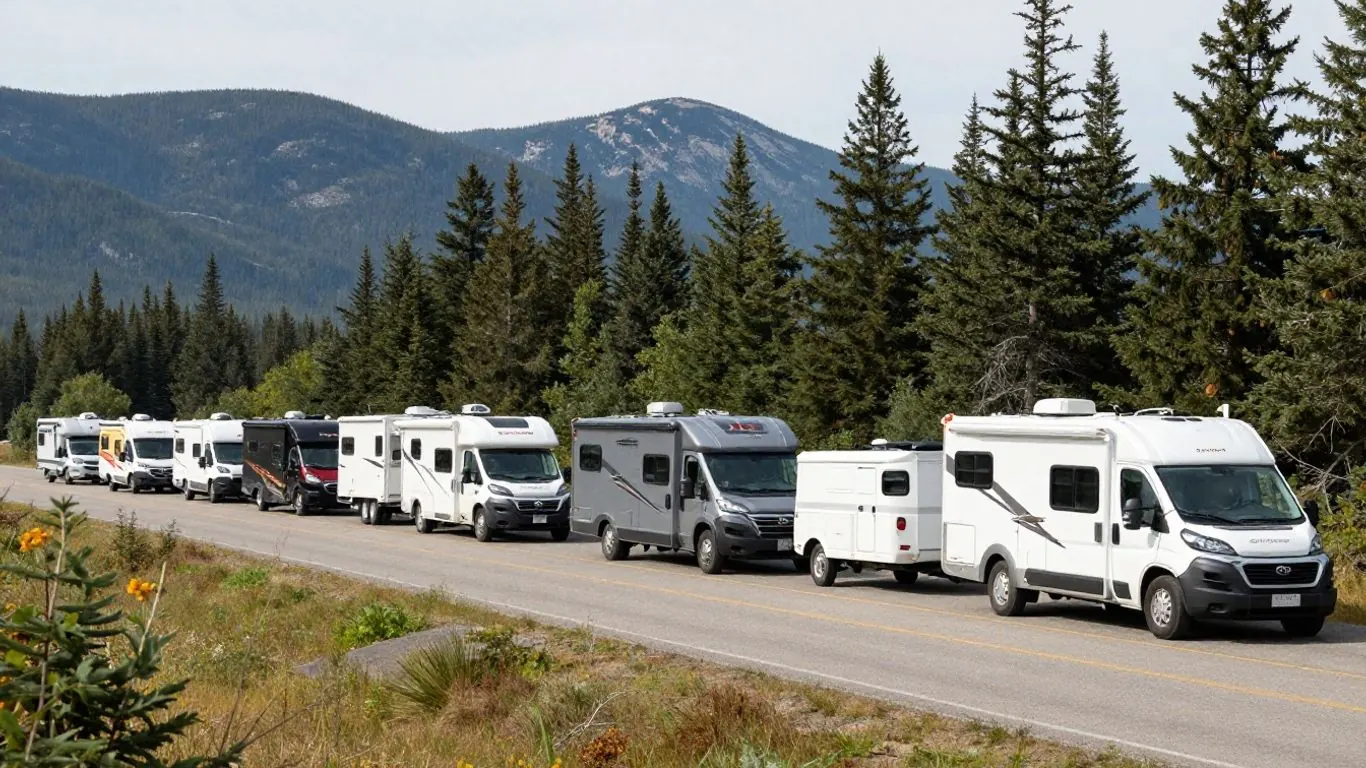
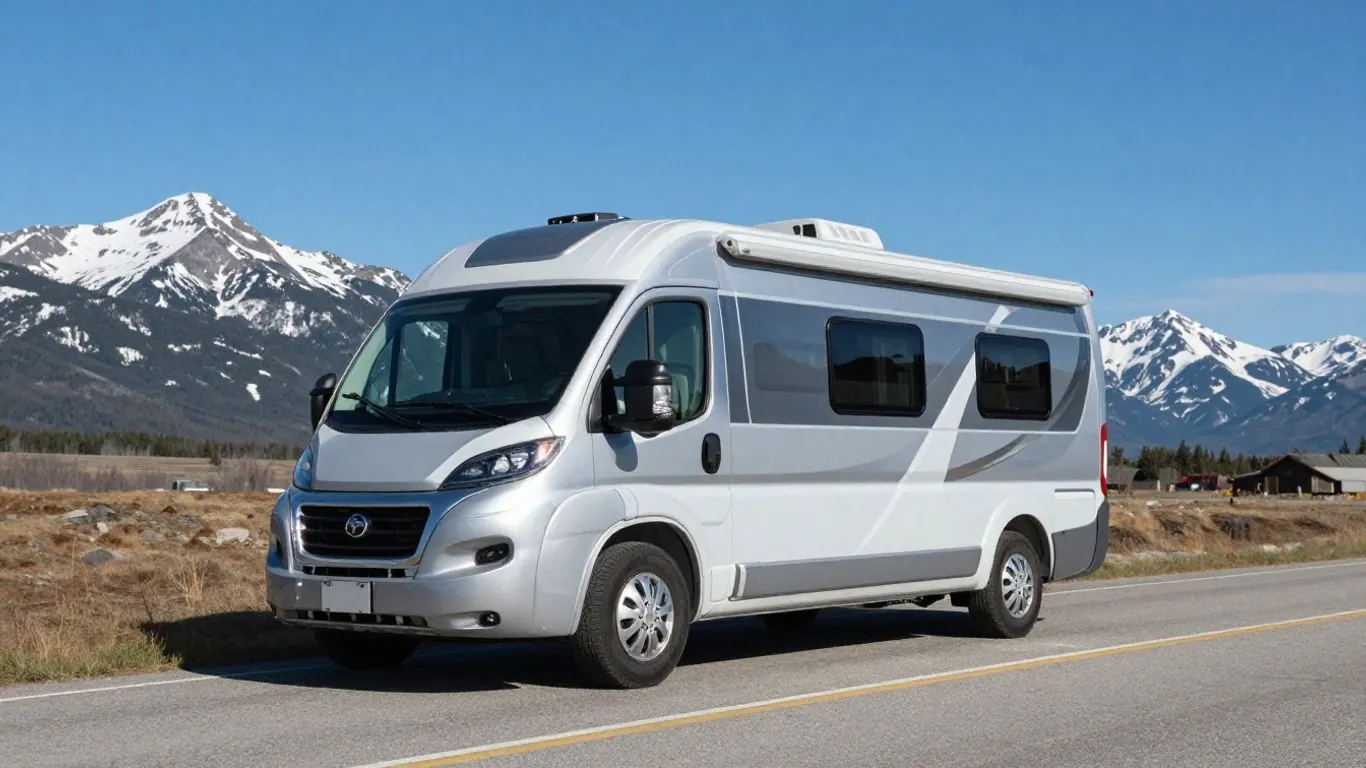
A motorhome trip with a toddler works well in Canada if you get three things right: a properly installed, Canadian-certified car seat in a suitable forward-facing RV seat, drive days short enough to fit around naps, and campgrounds with the facilities that make small-child routines easy. Plan around those and the RV becomes the advantage: the cot, the snacks and the change table travel with you.
Car seat rules: what applies in Canada
Child restraint laws are set by each province and territory, but the principles are consistent. The Canadian Paediatric Society explains that children in vehicles must be secured in the right seat for their stage:
- Rear-facing for infants, and ideally for as long as the child fits the seat's height and weight limits, which can be until 2, 3 or even 4 years old.
- Forward-facing with a 5-point harness once the child has outgrown the rear-facing seat and is at least 2.
Seats sold for use in Canada carry the National Safety Mark. Transport Canada notes that seats bought outside Canada may not meet Canadian standards. If you are visiting from abroad and want to bring your own seat, check the rules for the province where you will drive, or simply rent a Canadian seat from your RV supplier. Most rental companies offer child seats as an add-on, but confirm the type (rear-facing, convertible or booster) when you book, not at pick-up.
Which motorhome seats actually work for a toddler seat
This is the step many families miss. A motorhome's living-area seats are not all equal:
- Never use the front passenger seat. CanaDream's guest guide warns that child seats should never go in the front passenger seat because of the airbag, and that all passengers must wear seat belts while the RV is moving.
- Use a forward-facing dinette seat with the right belt or anchors. Car seat manuals generally require a forward-facing vehicle seat. Side-facing sofas are not suitable.
- Ask which seats have tether anchors. A forward-facing harness seat should be tethered. Seating layouts and anchor positions vary by model, so ask the rental company which positions are approved for child seats before you choose a vehicle.
If you have two small children, confirm that the model has two suitable positions. Our guide to family RV layouts compares floor plans with this in mind.
Nap-friendly drive days
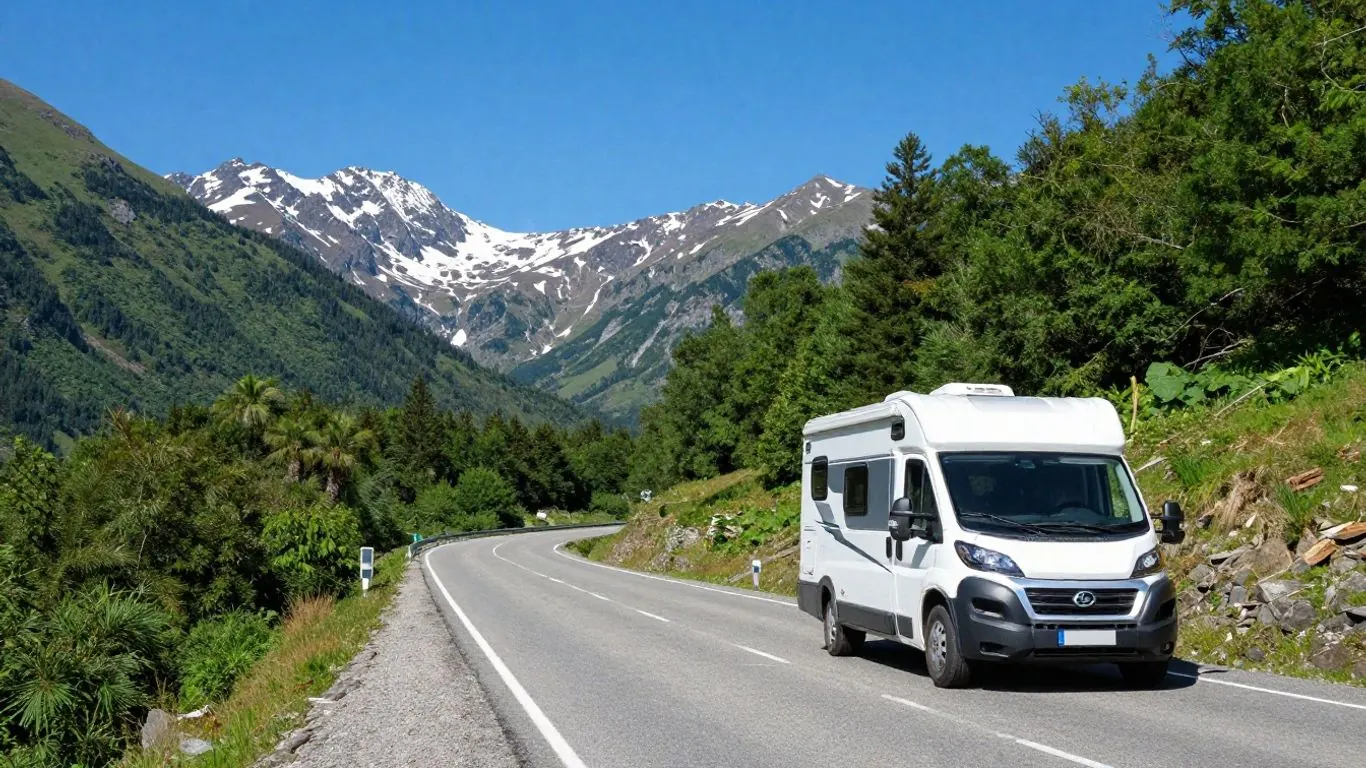
Toddlers set the pace. The pattern that works best for most families:
| Time | What to do |
|---|---|
| Morning | Playground, short walk or beach near the campground while energy is high |
| Late morning | Early lunch at the campsite, then pack up |
| Nap window | Drive. A 1.5 to 2.5 hour leg often fits inside one nap |
| Afternoon | Arrive, set up, then a short outing |
Some practical rules of thumb:
- Limit most days to about 2 to 3 hours of driving, with a stop every 60 to 90 minutes when the child is awake.
- Plan one zero-driving day every two or three days. A toddler who stays put for a full day sleeps better and copes better with the next move.
- Keep snacks and toys within reach of a seated adult. Nobody should walk around the coach while it is moving to fetch a dropped cup.
- Avoid the first long drive straight after a flight. Jet-lagged toddlers and a new vehicle are a hard combination. Overnight near the pick-up depot first.
Campground features that matter with a toddler
Look past the view and check these:
- Electrical hookup. Power lets you run a fan or white-noise machine and the furnace on cool nights without the generator. Many park campgrounds restrict generators to set hours; in Banff, for example, they are allowed only between 9 and 10:30 a.m. and 5 and 7 p.m., per the Banff camping rules.
- Showers and flush toilets. Not all park campgrounds have showers; check the campground's service list.
- A playground or open grass. Jasper's Whistlers campground, for instance, has a playground.
- Site position. Ask for a site away from the campground entrance road, the river bank or a steep drop-off.
- Quiet hours. Banff and Jasper campgrounds keep quiet hours from 11 p.m. to 7 a.m., and most other campgrounds post similar hours, which helps light sleepers.
Private RV parks are useful every few nights for laundry, longer showers and full hookups. See our overview of campgrounds and RV parks in Canada for how to mix the two.
Sleeping, safety and food storage inside the RV
- Sleep the toddler low. Over-cab bunks are high and often have only a net or low rail. A rear bed, a converted dinette or a compact travel cot on the floor is usually safer.
- Watch the steps and door. The entry step is steep for small legs, and the door can open outward onto a road. Keep it locked while driving.
- Keep hot surfaces out of reach. The stove and the exterior furnace vents get hot.
- Respect bare-campsite rules. In national parks, food, coolers, dishes and scented items such as wipes and diaper cream must be stored in the hard-sided motorhome or a food locker whenever you are not using them. Toddler snacks left on a picnic table count.
What to pack that rental kits do not cover
Rental kitchen and bedding kits are designed for adults. For a toddler, bring or buy on arrival:
- A compact travel cot or bed rail, plus a fitted sheet and a familiar blanket
- Blackout film or clips for the windows, since summer evenings in Canada stay light late
- Plastic cups, plates and a small cutlery set
- A potty or toilet seat insert if your child is training, as RV toilets are small and high
- Warm layers, rain gear and a hat: mountain nights can drop near freezing even in summer
- A first-aid kit with children's fever medicine and sunscreen, bought before you leave town
A simple route shape for a first family trip
For a first trip with a toddler, a loop of 7 to 10 nights with three or four bases works better than a long one-way drive. Stay two or three nights at each, choose one base with full hookups, and keep the longest leg for a day when the child naps reliably. For examples of family pacing, see our family travel trip inspiration.
Planning notes
Before you book, confirm the child-seat positions in your chosen model, reserve the seat itself, and plan drive days around nap times rather than distances. We can match the vehicle, the campgrounds and the pacing to your child's routine.
Frequently asked questions
How many people can stay on one national park campsite with children?
Banff and Jasper campgrounds allow up to six people per site, and Jasper notes an exception for two adults with their dependent children up to seven people.
Can a toddler ride in the motorhome's side-facing sofa?
No. Car seats need a forward-facing vehicle seat with the correct belt or anchors. Ask your rental company which seats are approved for child restraints.
Is it better to bring a car seat or rent one in Canada?
Renting a Canadian-certified seat avoids questions about whether a foreign seat meets local rules. If you prefer your own, check the regulations for the province where you will be driving.
Use this guide for trip ideas, not a current quotation or a guarantee of access, safety, inclusions or availability. Confirm the requirements and conditions for your dates, destination and provider before booking.