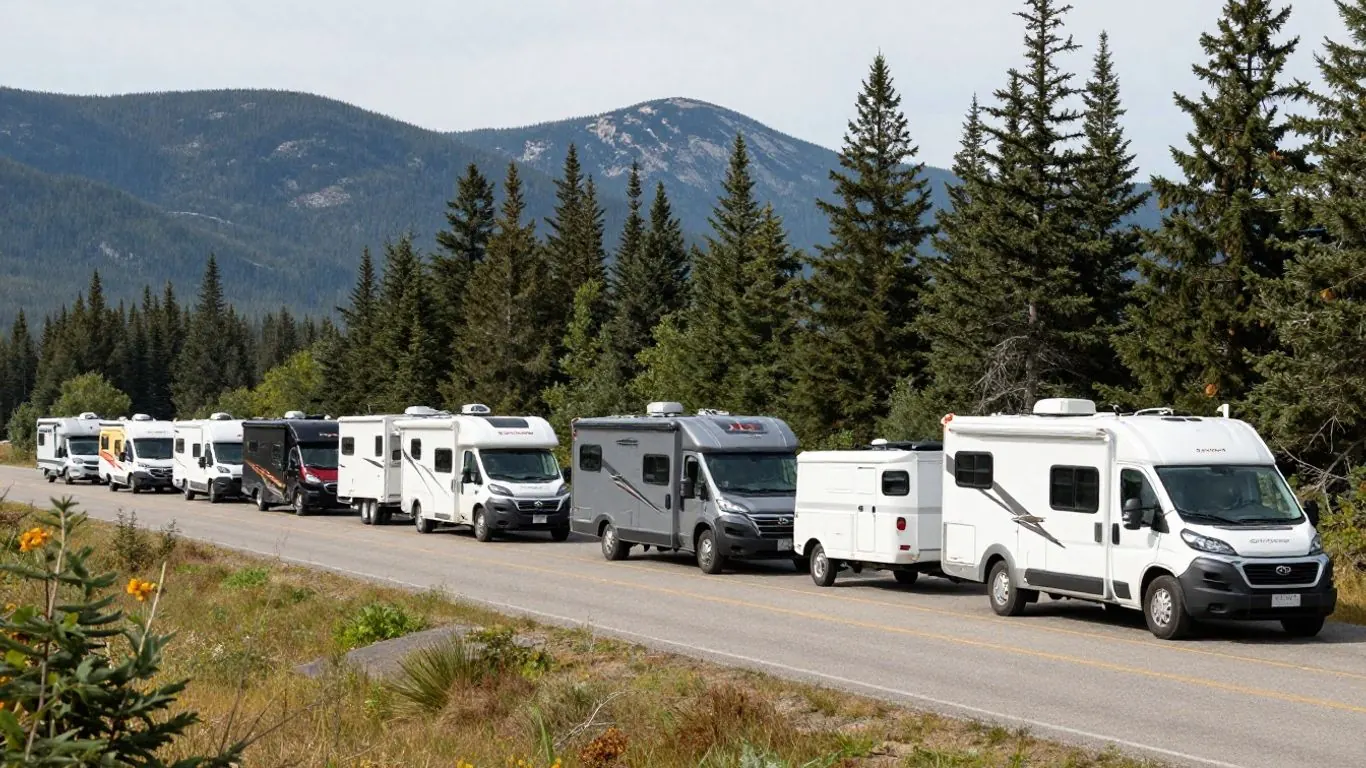
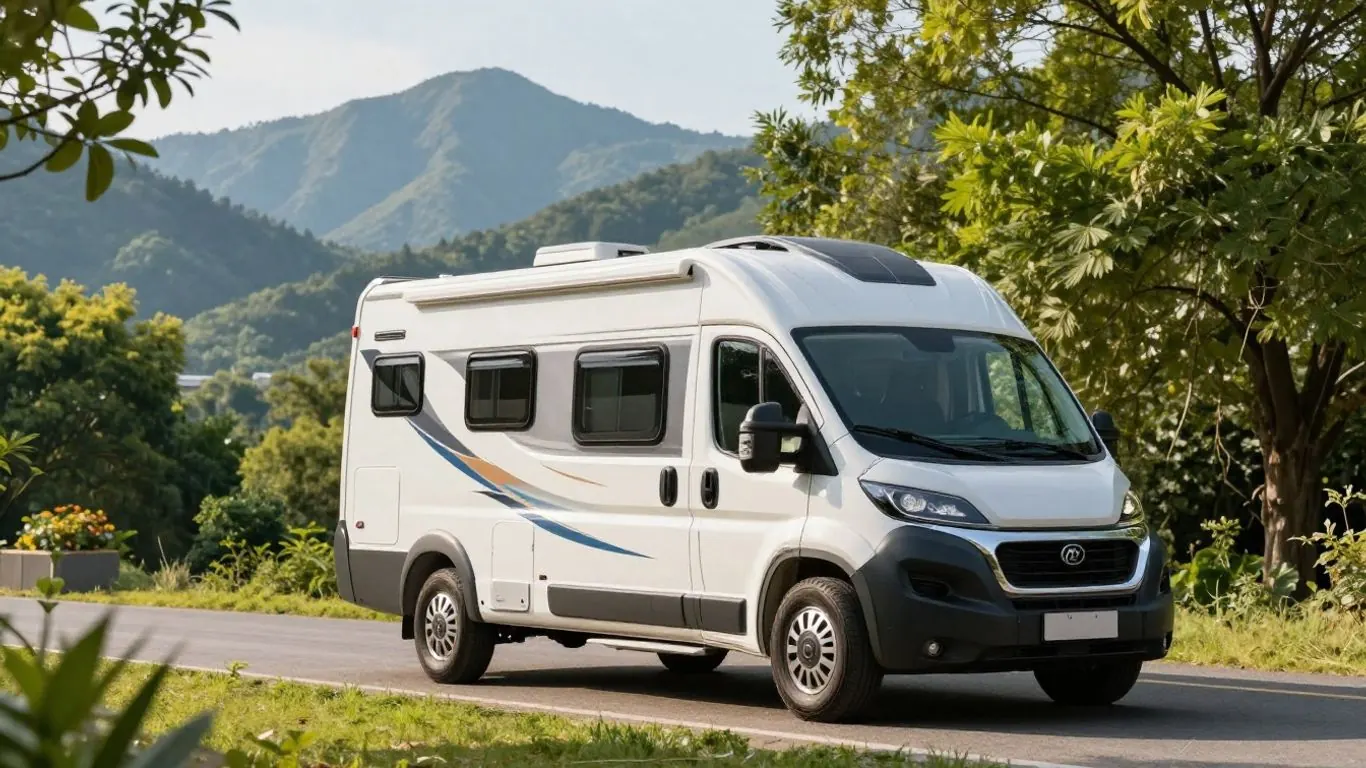
Planning a family road trip across Canada in an RV sounds like a dream, right? But actually picking the right vehicle can feel a bit overwhelming. There are so many options out there, and you want to make sure you get one that fits your family, your budget, and your travel style. This guide is here to help you figure out the best way to find a great canada rv rental for families, so your adventure is fun from the start.
Key Takeaways
When looking for a canada rv rental for families, start by comparing options on specialized websites. These sites show you many rental companies at once and often have better prices.
Think about what your family really needs. Do you need lots of beds? A big kitchen? How much stuff will you pack? These details help you pick the right size and layout.
Booking your RV early is a big money saver. Prices go up a lot closer to your travel dates, and the best vehicles get taken first.
Always check what’s included in the rental price. Things like mileage limits, insurance costs, and even basic equipment can add up fast if they aren’t part of the deal.
Consider renting during the shoulder seasons’ – late spring or early fall. You’ll find lower prices and fewer crowds compared to the busy summer months.
Understanding Your Canada RV Rental Options
So, you’re thinking about an RV trip across Canada? Awesome! But before you can hit the road, you’ve got to figure out where to rent your home on wheels. It might seem a little overwhelming at first, with so many choices out there. Don’t worry, though. We’ll break down the main ways you can get your hands on an RV for your adventure.
Navigating Rental Comparison Sites
Think of these sites as your one-stop shop for RV rentals. Instead of bouncing between a bunch of different company websites, comparison sites do the legwork for you. They pull together offers from various rental companies, letting you see a lot of options side-by-side. This is super helpful for spotting deals and understanding what’s included in the price. You can often find better rates this way because these sites usually have deals worked out with the rental companies. Plus, they can save you a ton of time.
Quickly see many options: Compare prices and features from different companies all in one place.
Save time: No need to visit each rental company’s website individually.
Price transparency: Most sites clearly show what’s included, like mileage and insurance.
Potential for better deals: Comparison sites often negotiate special rates.
When using comparison sites, always double-check the fine print. Sometimes, what looks like a great deal might have extra fees hidden away. It’s wise to compare a few different comparison sites too, as they might have partnerships with different rental companies.
Some popular comparison sites include Authentik Canada and Motorhome Republic. These platforms can really simplify your search process, especially if you’re new to RV rentals.
Exploring Peer-to-Peer Platforms
This is kind of like Airbnb, but for RVs. Instead of renting from a big company, you’re renting directly from the RV owner. This can sometimes mean lower prices and access to unique or custom-built vehicles that you won’t find with the big rental outfits. You get to chat directly with the owner, which can be great for getting specific questions answered about the RV.
However, the quality and maintenance can vary a lot since it’s up to the individual owner. There might be fewer guarantees compared to renting from a professional company. It’s a good option if you’re looking for something a bit different or trying to stick to a tighter budget, but be prepared to do a bit more homework on the specific RV and owner.
Choosing Direct Rental Companies
Going directly to a rental company, like Canadream or Cruise Canada, means you’re dealing straight with the source. These companies have their own fleets and often have a lot of experience. They usually have well-maintained vehicles and a good network of service locations across Canada. You know exactly who you’re dealing with, and they have a deep understanding of their own vehicles.
While this route offers reliability, it can be harder to compare their prices and what’s included against other companies without using a comparison tool first. You might also find that they have more specific rules or fees, like charges for pet owners or late returns. It’s a solid choice if you’ve found a company you trust or have specific needs that a direct company can better address. You can often find great deals on one-way RV rentals if you plan your route carefully.
Selecting the Ideal RV Layout for Family Adventures
Picking the right RV layout for your family trip in Canada is a big deal. It’s not just about having a place to sleep; it’s about making sure everyone is comfortable and has enough room to actually enjoy the adventure. Think about how many people are going and what you’ll be doing. A quick weekend trip might not need as much space as a two-week cross-country journey.
Prioritizing Sleeping Arrangements and Space
When you’re looking at RVs, the sleeping situation is probably the first thing you’ll want to sort out. Some RVs have a main bed, a dinette that converts into a bed, and maybe a sofa bed. Others might have dedicated bunks, which can be a lifesaver if you have kids who need their own space. It’s really about matching the sleeping spots to your family’s size and habits. Do your kids share a room at home? Do you need privacy? Figuring this out beforehand will save you a lot of hassle later.
Here’s a quick look at how different layouts might work:
Class C Motorhomes: Often have a bed over the driver’s cabin, which is great for kids. They usually sleep between 6-8 people.
Campervans (Class B): These are smaller and might only sleep 2-4 people comfortably. Good for smaller families or if you plan to spend most of your time outdoors.
Larger Motorhomes (Class A): While less common for rentals, these can offer more sleeping options and separate areas, sometimes sleeping up to 10.
Evaluating Essential Amenities for Comfort
Beyond just sleeping, think about what makes a trip comfortable for your family. A full bathroom with a shower is a big plus, especially if you’re traveling with younger kids or in areas where campground facilities might be limited. A functional kitchen area, even a small one, can save you a ton of money on food and give you flexibility. Having a fridge, a stove, and a sink is pretty standard, but check if it comes with basic cookware and utensils if that’s important to you.
Consider these must-haves:
Kitchen Facilities: Sink, stove, refrigerator. Do you need a microwave too?
Bathroom: Toilet and shower. Some RVs have a wet bath (toilet and shower in the same small space), while others have separate facilities.
Climate Control: Air conditioning and heating are non-negotiable for comfortable travel in most Canadian climates.
Don’t get too caught up in fancy features you’ll never use. Focus on the basics that will make your family’s day-to-day life on the road easier and more pleasant. Sometimes, simpler is better.
Considering Vehicle Size for Driving Ease
Driving an RV can be a bit intimidating if you’ve never done it before. The size of the vehicle really matters. A longer, wider RV might have more interior space, but it can be a challenge to maneuver on narrow roads, in busy campgrounds, or when parking. If you’re a new RVer, you might want to look for something a bit more compact. Campervans or smaller Class C motorhomes are often easier to handle. Always check the dimensions of the RV and consider your own comfort level with driving larger vehicles. It’s better to have a slightly less spacious RV that you can drive confidently than a huge one that makes you stressed every time you get behind the wheel.
Maximizing Your Canada RV Rental Budget
Everyone wants a great road trip without draining their wallet. Picking the right moment to book and understanding what’s really included in your daily rate goes a long way. Let’s look at some strategies and simple truths for getting the most out of your family RV rental budget in Canada.
The Advantages of Early Booking
Booking early is the number one way to get a better price and more options. If you wait until the last minute, rates can skyrocket, and choice drops fast—especially in peak summer. Here’s a quick look at a real example:
Early booking lets you pick from the full range of vehicles—smaller, larger, or newer.
Most budget-friendly rental spots and campgrounds also fill up early.
Some companies offer discounts or free add-ons for early birds.
If you know you’re traveling in July or August, don’t wait. A quick reservation in January can save your family stress and a chunk of money.
Strategic Travel During Shoulder Seasons
Traveling outside of July and August can be a smart move—both for your wallet and your sanity. Shoulder seasons, like late May through June and September to early October, tend to be cheaper. There’s usually more availability, and you skip the peak summer crowds.
Benefits of shoulder season travel:
Daily rental rates can be 20–40% lower than in July and August.
Campgrounds and popular parks are less busy, making for a calmer experience.
Weather is often still mild, and fall colors in some parts of Canada are spectacular.
Comparing Inclusions Beyond the Daily Rate
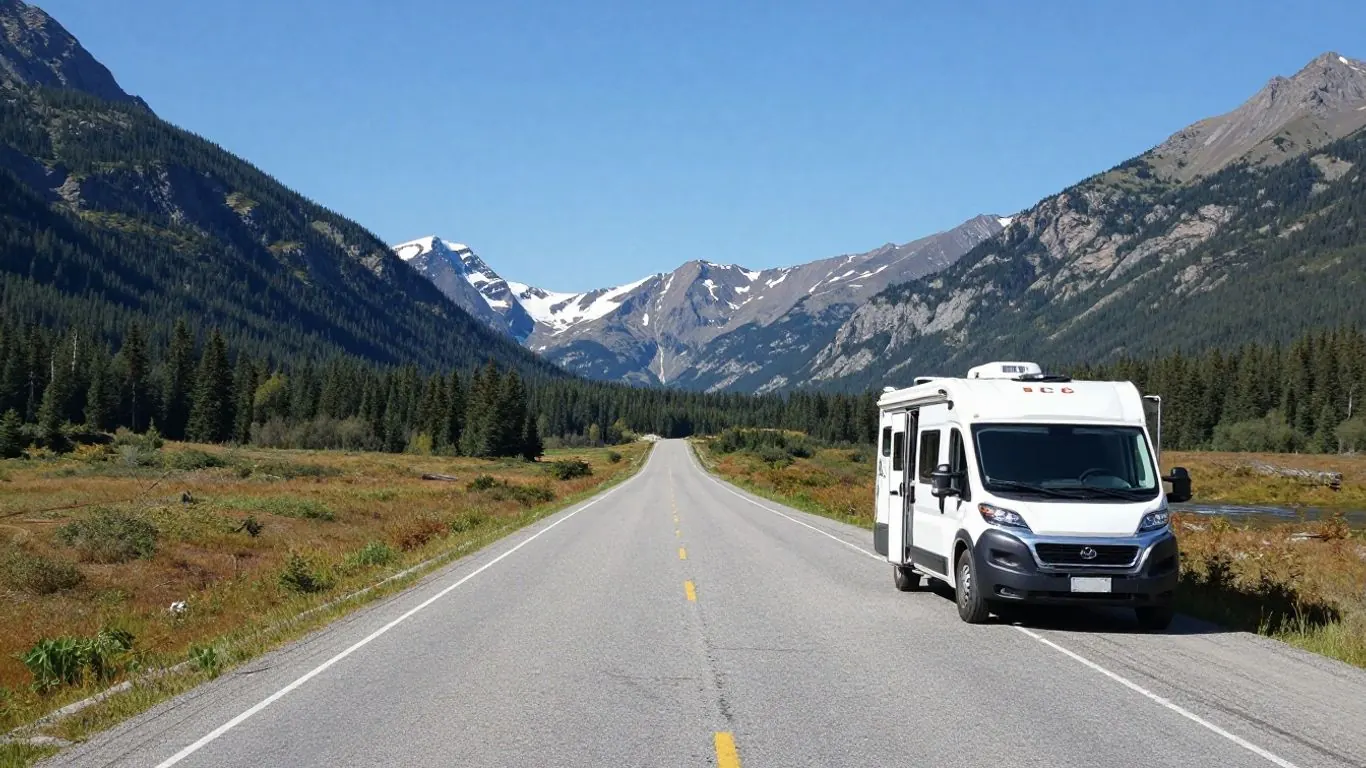
Not all RV rental rates are created equal. Headline prices can be misleading if they don’t include all the basics you need. Before you book, check for these common inclusions and fees:
Mileage: Unlimited vs. limited (some rentals only include 100–150 km/day)
Insurance: What’s covered, what’s the deductible, and are there upcharges for better coverage?
Equipment: Are kitchen kits, bedding, or outdoor chairs free or extra?
Extra Fees: Think about cleaning fees, dumping, admin costs, or pickup/drop-off surcharges.
A simple checklist before you confirm a reservation:
Check if mileage is unlimited or capped (and factor any overage charges into your total cost).
Make sure you have enough insurance and understand the deductible.
Add up extra rental equipment fees—these add up fast with a family.
Having a clear picture of the total cost upfront means fewer surprises and less fighting with the budget mid-trip.
The real winner is usually the traveler who takes time to compare not just the price tag, but the actual value of what’s included. It can feel tedious, but your wallet will thank you.
Key Considerations for Your Family RV Trip
So, you’ve decided an RV trip across Canada is the way to go for your family. Awesome! But before you hit the road, let’s talk about a few things that can make or break your adventure. It’s not just about picking the prettiest RV; it’s about making sure it fits your crew and your travel style.
Determining the Right RV Size for Your Group
This is probably the most important part. Think about how many people are actually going. Are you a family of three, or are you wrangling a whole crew of six? You don’t want to be crammed in like sardines, especially if you’re traveling for a while. Look at the floor plan and really picture yourselves living in it for a week or two. Does everyone have a decent place to sleep? Is there enough room to move around without tripping over each other?
Sleeping Arrangements: Check how many beds there are and what kind. Some RVs have dedicated beds, while others rely on dinettes that convert. For families with kids, separate sleeping spots can be a lifesaver.
Living Space: Beyond sleeping, consider how much room you’ll need for just hanging out, playing games, or eating meals. A bit of extra elbow room goes a long way.
Passenger Capacity: Make sure the RV has enough seatbelts for everyone who will be traveling in it while it’s moving.
Assessing Storage Needs for Extended Travel
When you’re on the road for more than a few days, storage becomes a big deal. You’ll have luggage, groceries, camping gear, maybe even bikes or sports equipment. If you’re planning a longer trip, you’ll definitely want an RV with ample storage compartments, both inside and out. A small RV might be fine for a weekend, but for a cross-country journey, you’ll regret not having enough space for all your essentials.
Don’t underestimate how much stuff a family accumulates, especially when you’re trying to be self-sufficient on the road. Packing smart is key, but having dedicated storage areas makes a huge difference in keeping the living space tidy and functional.
Understanding Driving Dynamics of Different RVs
Driving an RV is different from driving a car, no doubt about it. If you’re new to this, it’s wise to start with something a bit more manageable. Smaller RVs, like campervans or Class C motorhomes, are generally easier to handle, especially on winding roads or in tight parking spots. They often have a narrower width, which can make a big difference. Larger RVs, like Class A motorhomes, offer more space and amenities but can be more challenging to maneuver. It’s worth considering your comfort level with driving larger vehicles before you book.
Here’s a quick look at how size can affect driving:
Essential Preparations for Your RV Journey
Before you even think about hitting the open road in your rented RV, there are a few important things to sort out. It’s not just about picking up the keys and driving off into the sunset, you know. Getting these details squared away beforehand makes the whole trip way smoother.
Securing Necessary Documentation and Insurance
First off, you’ll need your driver’s license, obviously. Make sure it’s current and valid for the type of vehicle you’re renting. Some larger RVs might require a special class of license, so double-check that. Beyond that, the rental company will have its own set of requirements, often including a passport or other ID. As for insurance, this is a big one. Most rental companies offer their own insurance packages, but it’s worth understanding exactly what they cover. Sometimes, your personal auto insurance or even a credit card might offer some protection, but don’t assume it covers RV rentals – always verify.
Valid Driver’s License: Check if any special endorsements are needed.
Proof of Identity: Passport or other government-issued ID.
Rental Company Requirements: Ask specifically what they need.
Insurance Coverage: Understand deductibles, liability, and what’s protected.
Understanding Rental Agreements and Deposits
This is where you really need to read the fine print. The rental agreement is a legally binding contract, so know what you’re signing up for. Pay close attention to the mileage limits (are they unlimited or is there a daily cap?), generator usage rules, and what constitutes excessive wear and tear. You’ll also need to put down a security deposit, which can be a significant amount. This deposit is usually held on a credit card and is refunded after you return the RV in the agreed-upon condition. Make sure you know the process for getting that deposit back.
The rental agreement outlines everything from daily rates and mileage allowances to rules about pets and smoking. It’s your guide to avoiding unexpected charges and ensuring a hassle-free return.
Planning for Pickup and Drop-off Logistics
Think about when and where you’ll pick up and drop off the RV. Rental companies often have specific hours for these processes, and you’ll want to factor in travel time to and from the rental depot. When you pick up the RV, take your time doing a thorough inspection. Walk around the exterior, check all the appliances inside, and test the lights and water systems. Document any existing damage with photos or videos before you leave the lot – this protects you. Similarly, when you drop it off, allow enough time for the final inspection by the rental staff. Make sure you understand the fuel policy (do you need to return it with a full tank?) and the cleaning requirements.
Pickup Time: Schedule this to allow for inspection and orientation.
Vehicle Inspection: Document any pre-existing damage thoroughly.
Drop-off Time: Allow ample time for the final check.
Return Condition: Understand fuel, cleaning, and waste tank policies.
Exploring Class C Motorhomes for Family Comfort
Class C motorhomes are often the go-to for families hitting the road in Canada, and for good reason. They’re built on a standard truck chassis, which gives them a familiar feel for many drivers, and they usually have that distinctive over-cab sleeping area. This spot is a hit with kids, offering them their own little nook. You’ll find these RVs typically range from about 20 to 35 feet long, making them a good balance between living space and drivability. Most can comfortably sleep anywhere from six to ten people, depending on the specific layout and size. They offer that all-in-one convenience, meaning you can walk from the driver’s seat right into the living area without stepping outside.
Considering Campervans for Agile Exploration
If you’re thinking about a more nimble adventure, a campervan might be your ticket. These are generally smaller, built on a van chassis, and usually top out around 23 feet. Their compact size means they can often fit into regular parking spots, which is a nice perk when you’re exploring towns or national park visitor centers. While they offer less space than a Class C, they’re perfect for couples or smaller families with young children. Some models, sometimes called Class B+, offer a bit more width and sleeping space for two adults and a couple of kids. They’re great for getting to those slightly harder-to-reach spots.
Understanding the Rarity of Class A Rentals
Class A motorhomes are the big kahunas of the RV world. Built on a heavy-duty commercial bus chassis, they’re the most luxurious and often come with all the bells and whistles, sometimes even including laundry facilities. They can sleep a lot of people, from two up to ten, depending on the floor plan. However, finding a Class A available for rent in Canada can be a bit tricky. They’re more commonly owned by full-time RVers or those looking for a premium, long-term travel experience. If you do find one to rent, expect a spacious and well-equipped home on wheels, but be prepared for a larger vehicle to maneuver.
Here’s a quick look at typical capacities:
When choosing your rental, think about where you plan to go. If you’re sticking to well-maintained roads and campgrounds, a larger RV might be fine. But if you envision exploring more remote areas or navigating tighter city streets, a smaller, more agile option like a campervan could save you a lot of hassle.
Making the Most of Your Rental Experience
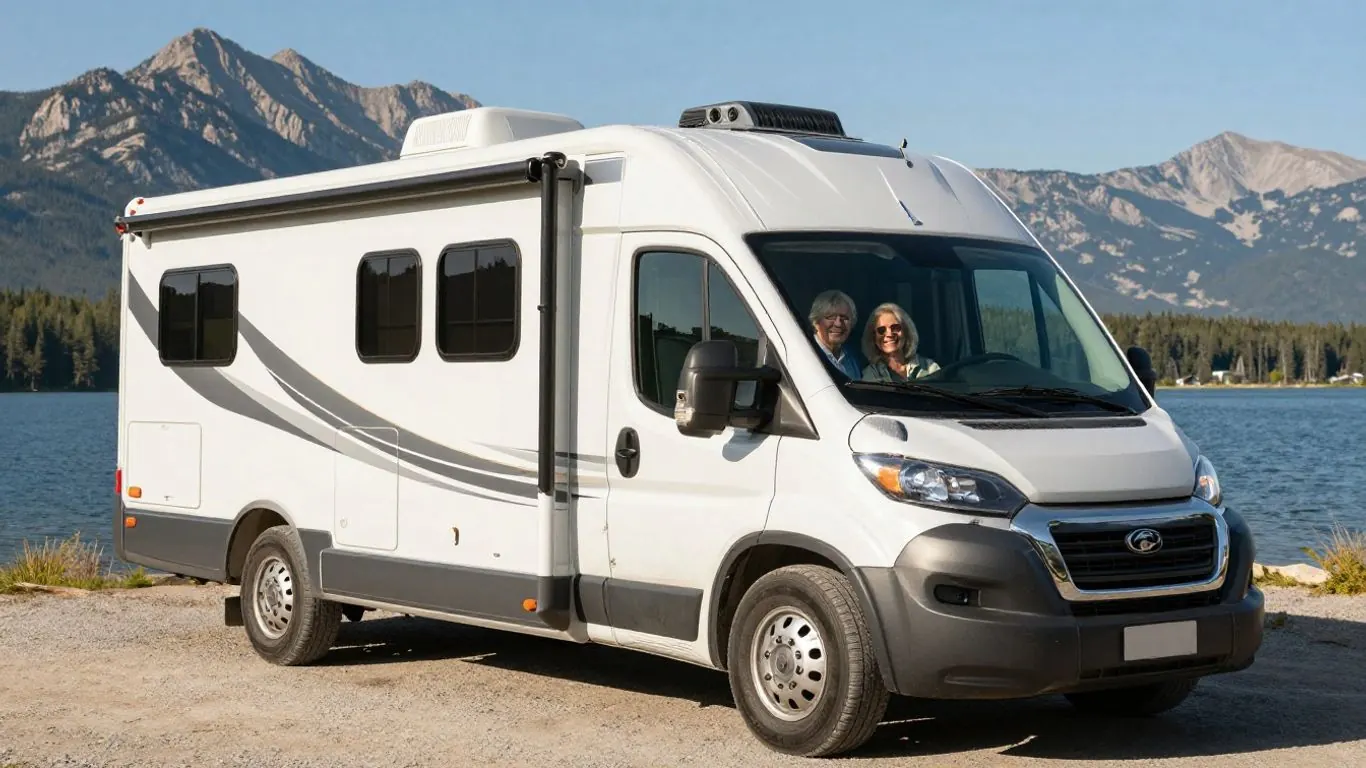
Once you have a family layout in mind, the next step is the booking process itself: comparing what each company includes, checking child-seat rules and making sure the price covers what your family will actually use.
Leveraging Comparison Tools for Best Deals
Look, nobody wants to spend hours clicking through a dozen different rental company websites. That’s where comparison sites really shine. They pull together offers from various companies, letting you see a bunch of options side-by-side. This is super helpful for spotting deals you might otherwise miss. You can often find better rates and clearer pricing this way. It saves a ton of time and can prevent those
Navigating Rental Costs and Inclusions
A low daily rate for a family-sized RV can grow quickly once mileage, insurance, kits and fees are added. Checking what the price includes before you book gives a realistic total.
Understanding Daily Rates and Seasonal Fluctuations
RV rental prices aren’t static. They change quite a bit depending on when you plan to travel. Peak season, usually July and August, means higher prices because everyone wants to be on the road. If you can swing it, traveling during the shoulder seasons – think late May to mid-June or September to October – can save you a good chunk of change. We’re talking potentially 20-40% less than peak summer rates. Plus, you get to avoid the biggest crowds and often enjoy some pretty spectacular scenery, especially with the autumn colors.
Here’s a rough idea of what you might see:
Note: These are just estimates. Actual prices vary widely based on RV size, age, and rental company.
Analyzing Mileage, Insurance, and Equipment Fees
This is where those advertised daily rates can really start to climb. Always check the fine print:
Mileage: Is it unlimited, or do you get a set amount per day (like 150 km)? Exceeding that limit can get expensive fast. Some companies offer unlimited mileage packages, which can be a lifesaver if you plan on covering a lot of ground. You can often find good deals through comparison sites that bundle this in.
Insurance: What’s the deductible if something happens? Are there options to reduce it? Understand your coverage and what you’re liable for.
Equipment: Does the rental include basic kitchen kits, bedding, camping chairs, or are these extra charges? Factor these costs in if you need them.
Identifying Hidden Costs and Additional Charges
Beyond the daily rate and mileage, keep an eye out for other potential fees:
Preparation Fees: Some companies charge a fee for cleaning and getting the RV ready.
Generator Use: If you plan to use the generator, there might be an hourly charge.
Propane Refills: You’ll likely need to return the RV with a full tank of propane.
Waste Tank Dumping: Some rentals might charge a fee for emptying the gray and black water tanks if you don’t do it yourself.
Late Returns: Be punctual! Extra fees can apply if you don’t return the RV on time.
It’s really important to get a clear, written breakdown of all potential costs before you sign anything. Ask questions. If something feels unclear, don’t hesitate to ask for clarification. A good rental company will be upfront about all charges, so you can budget accurately and avoid any nasty surprises when you pick up or return the vehicle.
By carefully examining these aspects, you’ll be much better equipped to choose an RV rental that fits both your family’s needs and your budget for your Canadian adventure.
Ready to Hit the Road?
So, picking the right RV for your Canadian family trip might seem like a lot at first, but it doesn’t have to be overwhelming. Think about who’s going, where you’re headed, and what you absolutely need inside. Whether you go for a cozy campervan or a bigger motorhome, the key is finding a layout that makes everyone comfortable. Do a little homework, compare your options, and soon enough, you’ll be packing up and heading out for an amazing adventure across Canada. Happy travels!
How can I find the best deal on an RV rental in Canada?
To snag the best deal, book your RV way ahead of time, ideally 5 to 6 months before your trip. Traveling during the shoulder seasons’ like late May to mid-June or September to October can also save you a good chunk of money, often 20-40% less than peak summer. Always compare what’s included in the price, not just the daily rate, to avoid surprise fees.
What’s the difference between booking through a comparison site versus a direct rental company?
Comparison sites, like Authentik Canada or Motorhome Republic, let you see many rental companies’ offers all at once, saving you time and often getting you better prices because they negotiate deals. Direct companies, like CanaDream or Cruise Canada, mean you deal straight with them, which can be good if you know exactly who you want to rent from, but it’s harder to compare prices easily.
What are the main types of RVs suitable for families?
Class C motorhomes are often a great choice for families because they offer a good balance of space and comfort, usually with sleeping areas above the driver’s cabin. Campervans are smaller and easier to drive, good for couples or smaller families who want more freedom to explore. Class A motorhomes are the biggest and most luxurious but are less common for rentals in Canada.
What should I look for when choosing an RV layout for my family?
Think about how many people will be sleeping and make sure there’s enough room for everyone to be comfy. Check the floor plan to see if it has enough beds and living space. Also, consider what features are important to you, like a full kitchen, a bathroom, and air conditioning. Don’t forget to think about how much storage you’ll need for your luggage and gear.
Are there extra costs I should be aware of when renting an RV?
Yes, definitely! Besides the daily rental rate, watch out for extra charges. These can include fees for mileage (if it’s not unlimited), insurance deductibles, charges for things like kitchen kits or bedding, and sometimes even cleaning or dumping fees for waste water. Always ask for a full breakdown of all potential costs.
What documents do I need to rent an RV in Canada?
You’ll need a valid driver’s license, and most companies require you to be at least 21 years old and have held your license for a year. You’ll also likely need a credit card to cover a security deposit. Depending on your own insurance and where you live, you might need to buy extra insurance coverage for the RV rental.
Is it better to book an RV directly with the owner (peer-to-peer)?
Peer-to-peer platforms like Outdoorsy or RVezy can sometimes offer better prices and unique RVs. You get to talk directly with the owner, which can be helpful. However, the quality and maintenance might vary more than with big rental companies, and there might be fewer guarantees. It’s a good option if you’re looking for a more personal experience and potentially lower costs, but do your homework on the specific RV and owner.
What are the benefits of renting a campervan versus a larger RV?
Campervans are generally smaller and easier to drive and park, especially in cities or on narrower roads. They often use less fuel and can be more affordable than larger motorhomes. While they have less space and fewer amenities than a bigger RV, they offer a more nimble and sometimes more authentic’ way to explore.
Use this guide for trip ideas, not a current quotation or a guarantee of access, safety, inclusions or availability. Confirm the requirements and conditions for your dates, destination and provider before booking.