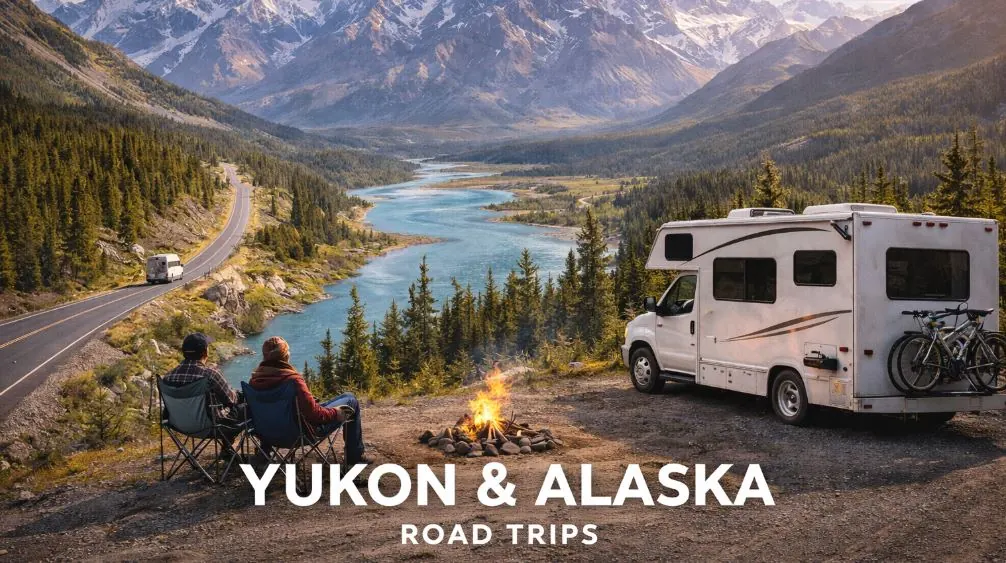
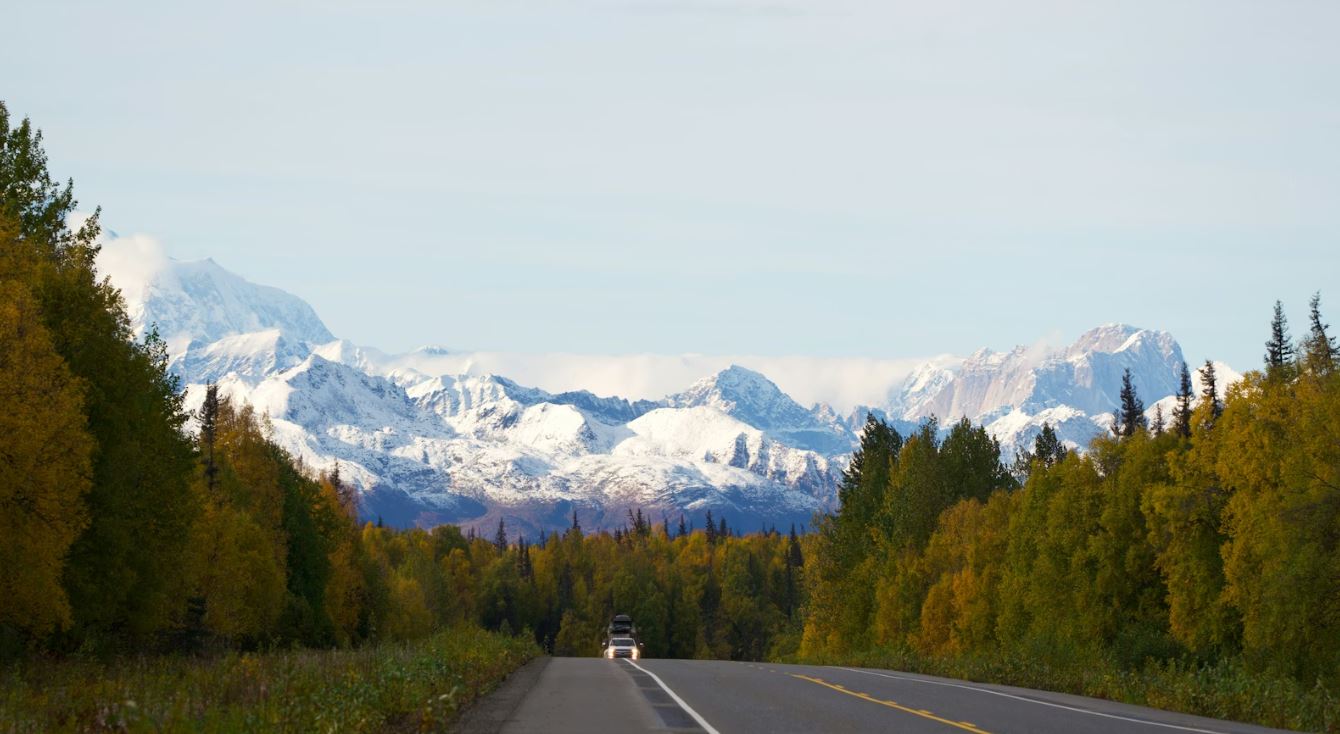
Thinking about an RV trip in Whitehorse? It’s a fantastic way to see the Yukon, but there are a few things to know before you go. From picking up your vehicle to where you’ll park it each night, this guide covers what you need to expect when you book an rv rental canada whitehorse pickup. Get ready for an adventure!
Key Takeaways
Most RV rentals in Whitehorse come with basic amenities like beds, kitchens, and heating, but check listings for specific features and consider add-ons like BBQs or bikes for convenience.
Booking your RV is straightforward online, with clear payment and security deposit procedures. Understand the cancellation policy before confirming your reservation.
Driving in Whitehorse is generally easy, but be aware of wildlife on rural highways, which can be gravel. Summer offers long daylight hours, making travel less rushed.
Campgrounds near Whitehorse, like Robert Service and Hi Country RV Park, fill up quickly in summer, so booking in advance is recommended. Overnight street parking is not allowed in Whitehorse.
What Features Come With RV Rentals in Whitehorse?
When you’re looking at RVs in Whitehorse, you’ll find a pretty good variety. Most rentals come with the basics you’d expect, like sleeping areas, a small kitchen setup with a stove and fridge, and a bathroom. Think of it as a cozy, mobile cabin. Some of the more common features you’ll see listed include:
Kitchenette: Usually includes a sink, stovetop, microwave, and refrigerator. Pots, pans, and basic utensils are often provided, but it’s always good to check.
Sleeping Arrangements: Varies by RV size, but typically includes a main bed, dinette that converts to a bed, and sometimes bunk beds.
Bathroom Facilities: Most have a toilet and a small shower. Some larger RVs might have a separate shower stall.
Heating System: Essential for cooler Yukon nights, even in summer. Make sure to ask about its reliability.
Water and Waste Tanks: These hold fresh water and grey/black water. Knowing their capacity is helpful for planning stops.
It’s really important to look at the specific amenities listed for each RV you’re considering. Don’t assume every RV has the same setup. Some might have a TV, a small dining area, or even an outdoor awning.
Always do a thorough walkthrough when you pick up the RV. This is your chance to see everything firsthand, ask questions, and make sure it all works the way it should before you hit the road.
Popular Add-Ons for Your RV Adventure
Beyond the standard features, there are a few extras that can really make your Yukon trip smoother. These aren’t always included, so you’ll often need to request them when booking.
Pet Kits: If you’re bringing a furry friend, many hosts offer pet-friendly kits. These might include things like a pet bed, bowls, or even a small crate. Just be sure to filter for pet-friendly RVs first!
Linens and Towels: While some rentals include these, others charge a small fee or expect you to bring your own. It’s one less thing to pack if they’re provided.
Unlimited Mileage Packages: Standard rentals usually have a daily mileage limit. If you’re planning on covering a lot of ground, like driving to Dawson City and back, an unlimited mileage option can save you a lot of hassle and potential extra fees.
Outdoor Gear: Some hosts might offer extras like camp chairs, a small grill, or even bikes. These can be great for enjoying the Yukon’s natural beauty.
Understanding Mileage Limits and Options
Mileage is a big one when it comes to RV rentals, especially in a place as vast as the Yukon. Most rentals come with a daily limit, which is usually around 200-300 kilometers. This is generally fine for shorter trips or if you’re staying relatively close to Whitehorse.
Here’s a quick breakdown:
Daily Limits: If you exceed the daily limit, you’ll typically be charged a per-kilometer fee. This can add up quickly if you’re not careful.
Unlimited Mileage: Some hosts offer this as an add-on. It costs extra upfront but gives you the freedom to explore without constantly watching the odometer. This is often the best choice for longer road trips.
Planning Your Route: Before you book, have a general idea of where you want to go. Check the distances on a map and compare them to the RV’s mileage allowance. Drives to popular spots like Kluane National Park (about 160 km one way) or even a day trip towards Dawson City (530 km one way) are doable, but you need to be mindful of the limits.
Always confirm the exact mileage terms with the rental company or host before you sign anything. If you have a big adventure planned, don’t hesitate to ask about unlimited mileage options or negotiate a higher limit. It’s better to sort this out upfront than to be surprised by extra charges later.
Booking and Logistics for RV Rentals
Alright, so you’ve decided an RV trip through the Yukon is the way to go. Awesome choice! Now, let’s talk about actually getting your home on wheels booked and sorted out. It’s not super complicated, but there are a few things to keep in mind to make sure everything goes smoothly.
How to Book Your RV Rental in Whitehorse
Booking an RV in Whitehorse is pretty straightforward these days, especially with online platforms. You’ll want to start by browsing what’s available. Think about what kind of RV fits your trip – are you looking for a cozy campervan for two, or a bigger motorhome for the whole family? Most sites let you filter by dates, price, and even specific features like pet-friendliness or if it has a shower.
Search and Compare: Look at different RVs, check out the photos, and read the descriptions carefully. Pay attention to what amenities are included.
Check Availability: Make sure the RV you like is free for your travel dates. Popular models get booked up fast, especially during peak season.
Read Reviews: See what other renters have said about the RV and the owner. This can give you a good idea of what to expect.
Contact the Host (If Needed): If you have questions or special requests, don’t hesitate to message the owner before you book. It’s a good way to gauge their responsiveness.
Some companies also offer RV delivery right to your campsite. This can be a real game-changer if you want to skip the pickup process and just arrive at your spot ready to relax. It’s worth checking if this is an option for the RV you’re interested in.
Payment and Security Deposit Procedures
Once you’ve found the perfect RV, it’s time for the payment part. Most rentals will require a deposit to secure your booking. This is pretty standard practice.
Rental Fee: This is the main cost for using the RV during your trip. It’s usually calculated per day or per week.
Security Deposit: This is a temporary hold on your card, not an extra charge. It covers any potential damage or issues that might arise during your rental. It’s typically released back to you a week or so after you return the RV, provided everything is in good shape.
Additional Fees: Keep an eye out for any extra charges, like for mileage overages, cleaning fees, or optional add-ons.
Always confirm the total cost, including all fees and the security deposit amount, before you finalize your booking. It’s also a good idea to do a quick walkthrough of the RV with the owner when you pick it up, noting any existing wear and tear. Do the same when you return it.
Be sure to understand the payment schedule. Some rentals might require a partial payment upfront and the rest closer to your pickup date. Clarify this with the rental company or owner beforehand to avoid any surprises.
Cancellation Policies for Peace of Mind
Life happens, right? Sometimes plans change unexpectedly. That’s why understanding the cancellation policy before you book is super important. You don’t want to get stuck paying for a trip you can no longer take.
Free Cancellation Period: Many places offer a window where you can cancel for free, usually up to a certain number of days before your pickup date.
Partial Refunds: If you cancel closer to your pickup date, you might get a partial refund, but you’ll likely forfeit a portion of your payment.
No Refunds: In some cases, especially for last-minute bookings or during peak season, cancellations might not be eligible for any refund.
Always read the fine print regarding cancellations. If you’re concerned about potential disruptions, look into travel insurance options. It might offer an extra layer of protection for your booking.
Driving and Road Conditions in the Yukon
Getting around the Yukon in an RV is a big part of the adventure, and knowing what to expect on the roads will make your trip smoother. While Whitehorse itself has well-maintained roads and manageable traffic, especially outside of rush hours, the real magic happens when you head out into the wilderness.
Navigating Whitehorse Roads with an RV
Driving within Whitehorse is generally straightforward. The city’s roads are in good shape, and you won’t typically encounter the kind of heavy traffic you’d find in larger cities. Just be mindful of local speed limits and watch out for pedestrians and cyclists. It’s a good idea to get a feel for your RV’s size and handling in the city before you venture onto more remote routes. Many RV rentals in Whitehorse come with helpful orientation guides to get you comfortable.
Rural Highway Conditions and Wildlife Awareness
Once you leave Whitehorse, the road conditions can change. Many rural highways are paved, but you’ll also encounter gravel or chip-seal surfaces, particularly as you head towards national parks or more remote areas. Always be prepared for changing road surfaces and adjust your speed accordingly. Wildlife is abundant in the Yukon, and moose, caribou, and even bears can wander onto the highway. It’s vital to stay alert, especially during dawn and dusk when animals are most active. Slow down in areas known for wildlife and give them plenty of space if you see them.
Here’s a quick rundown of what to expect:
Paved Highways: Major routes like the Alaska Highway are generally well-maintained and paved.
Gravel/Chip-Seal Roads: Common on secondary routes and access roads to parks or campgrounds. Drive slower and be aware of dust.
Wildlife Crossings: Moose, caribou, and bears are frequently seen near roads. Be vigilant.
Road Construction: Seasonal construction can cause delays, especially in summer. Check local advisories.
When driving in the Yukon, especially on rural roads, it’s wise to carry a physical map in addition to GPS. Cell service can be spotty, and knowing your general location is always a good idea. Planning your fuel stops is also key, as services can be few and far between.
Maximizing Daylight for Summer Travel
If you’re traveling during the Yukon’s summer months, you’ll benefit from incredibly long daylight hours. This means you can often drive and explore well into the evening without feeling rushed. For example, the sun might not set until 10 or 11 PM in mid-summer. This extended daylight gives you more flexibility to cover distances, stop for photos, or enjoy a leisurely drive. However, remember that even with long daylight, fatigue can set in. Plan your driving days realistically and take breaks. You can find more information on road conditions and travel tips for Western Canada.
Campground and Overnight Parking Options
Finding a good spot to park your RV for the night in Whitehorse and the surrounding Yukon is pretty straightforward, but it helps to know your choices. You’ve got a few main types of places to consider, from full-service parks to more basic spots.
Top Campgrounds Near Whitehorse for RVs
Whitehorse itself has some great options right in town or just a short drive away. Robert Service Campground is a popular one, right by the river and close enough to walk into downtown if you feel like it. It’s got a nice vibe and is super convenient. Then there’s Hi Country RV Park, which is a private place and usually has all the amenities you could want – think full hookups, showers, laundry, the works. If you’re looking for something a bit more out in the wilderness, Wolf Creek Campground is a bit south of the city and offers a more natural setting.
Robert Service Campground: Riverside, close to downtown, good for exploring the city.
Hi Country RV Park: Private, full amenities, good for longer stays or if you need all the comforts.
Wolf Creek Campground: South of Whitehorse, more natural surroundings, good for a quieter stay.
Understanding Campground Reservation Strategies
This is where things can get a little tricky, especially if you’re traveling in the peak summer months. Many of the popular spots, especially those run by the government or within national parks like Kluane, can fill up fast. Like, really fast. Some private parks start taking reservations way back in January for the whole summer. It’s a good idea to book your campsite as soon as you know your travel dates.
Book Early: Seriously, don’t wait. If you have specific dates and a particular campground in mind, try to reserve it months in advance. This is especially true for popular spots or if you need a site with specific hookups.
Be Flexible: If your first choice is booked, have a few backup options. Sometimes, being willing to stay a bit further out from your target destination can open up more availability.
Check Reservation Systems: Some campgrounds use online booking systems, while others might have a self-registration system on-site, especially for smaller or more remote spots. Know which system your chosen campground uses.
Overnight RV Parking Regulations in Whitehorse
When it comes to parking your RV overnight within the city limits of Whitehorse, you’ve got some rules to follow. Generally, you can’t just park on city streets overnight. This is pretty standard in most towns to keep things moving and prevent people from setting up permanent camps where they shouldn’t. However, places like Superstore or Walmart might let you park during the day if you’re shopping, but don’t plan on sleeping there.
For official overnight stays, you really need to look at designated campgrounds or RV parks. Trying to park on city streets or in unauthorized areas can lead to tickets or being asked to move. It’s always best to stick to the official spots designed for RVs.
Locating RV Dump Stations and Water Fill-Ups
When you’re out exploring the vast Yukon in your RV, knowing where to find essential services like dump stations and fresh water is key to a smooth trip. Whitehorse itself has several convenient spots. You can often find these facilities at private campgrounds, some public rest areas, and even at certain gas stations or service centers. It’s always a good idea to top up your fresh water and empty your grey and black tanks before heading out into more remote areas. Many private RV parks, like the Hi Country RV Park, offer these services, and some public campgrounds also provide basic facilities. Don’t forget to check the operating hours, especially if you’re traveling outside the main summer season, as some facilities might close down for the winter.
Importance of Full Hookups vs. Basic Services
Deciding between full hookups and more basic services really depends on how you plan to travel and what your RV setup is like. Full hookups at a campsite typically mean you have access to electricity, water, and a sewer connection right at your site. This is super convenient, allowing you to run all your appliances without worrying about your power levels or water supply, and you don’t have to deal with dumping your tanks as often. It’s like having a little apartment on wheels!
On the other hand, basic services might just offer electricity, or perhaps just a place to park overnight. Some campgrounds might only have a central dump station and water fill-up point for the whole park. If you’re planning on doing a lot of off-grid adventuring, you’ll need to be more mindful of your power consumption and water usage. Many RVs come equipped with generators and larger water tanks to help with this, but it does require a bit more planning.
Here’s a quick look at what each typically offers:
Full Hookups:
Basic Services:
Planning for Off-Grid Adventures
Heading out into the Yukon’s wild is a big part of the appeal, and that often means going off-grid. This is where being prepared really pays off. Make sure your RV’s battery system is in good shape and consider bringing a portable generator if you plan on extended stays away from power sources. Solar panels can also be a great addition if you’re looking to be more self-sufficient and eco-friendly. Always carry extra water, especially if you’re heading into areas where water sources are scarce or not potable.
Being prepared for off-grid travel means understanding your RV’s capabilities and limitations. It’s about having the right gear, like extra fuel for your generator, water purification tablets, and knowing how to conserve your resources. It also means having a plan for waste disposal, as you’ll need to pack it out or find designated dump sites when you return to populated areas.
Before you leave Whitehorse, stock up on groceries and any other supplies you might need. Planning your route to include potential stops for refilling water or dumping tanks, even if you don’t anticipate needing them, is always a smart move. The Yukon is stunningly beautiful, and being able to comfortably explore its more remote corners is what RVing is all about.
Planning Your Yukon RV Itinerary
So, you’ve got your RV booked in Whitehorse and you’re ready to hit the road. Awesome! But where to go? The Yukon is huge, and honestly, you could spend months exploring and still not see it all. Let’s break down some ideas to get you started.
Popular Destinations Accessible from Whitehorse
Whitehorse itself is a great starting point. You can check out the S.S. Klondike National Historic Site or learn about local history at the MacBride Museum. But the real adventure begins when you drive out.
Carcross Desert: Just under an hour south of Whitehorse, this is a unique spot. It’s a remnant of an old glacial lake, and it’s basically a desert with sand dunes. Good for a hike, and the mountain views are pretty sweet.
Emerald Lake: This place lives up to its name. The colors are unreal, especially on a sunny day. It’s a relatively easy drive from Whitehorse and a great first stop.
Miles Canyon: Close to Whitehorse, you can walk across a suspension bridge and look down at the river. There are also some campgrounds nearby if you want to stay a night or two.
Cross-Border Travel to Alaska
Thinking about heading south into the USA? Many RV rentals from Whitehorse can make the trip to Alaska. It’s a popular route, especially the drive along the Klondike Highway.
Confirm with your host: This is super important. Not all rentals are cleared for cross-border travel. Make sure you talk to your rental company before you book if Alaska is on your mind.
Paperwork: Your host can help you with any necessary paperwork. It makes the border crossing much smoother.
Popular Alaskan destinations: Skagway and Anchorage are common stops. The scenery along the way is just incredible.
Exploring Yukon’s Natural Wonders
The Yukon is all about the great outdoors. You’ll want to build in time to just soak it all in.
Kluane National Park: Home to Mount Logan, Canada’s highest peak. There are trails for all levels, and you might see some amazing wildlife. It’s a big park, so plan your time here.
Dawson City: A bit of a drive, but this historic Gold Rush town is a must-see. It feels like stepping back in time.
Aurora Borealis: If you’re visiting between mid-winter and spring, keep an eye on the sky. Seeing the Northern Lights is an unforgettable experience. Areas around Whitehorse, Kluane, and Campbell are good spots.
Planning your route ahead of time is key. Services can be spread out, and you don’t want to get caught low on fuel or supplies in a remote area. Map out your stops, especially for fuel and potential overnight spots, and always have a backup plan. The Yukon is wild, and that’s part of its charm, but a little preparation goes a long way.
Budgeting for Your Whitehorse RV Rental
Alright, let’s talk about the money side of things for your Whitehorse RV adventure. It’s not as scary as it sounds, and a little planning goes a long way. Think of it like packing for the trip – you wouldn’t just throw things in a bag, right? Same goes for your budget.
Estimating Fuel Costs for RV Road Trips
Fuel is probably going to be one of your bigger expenses, especially if you’re planning on covering a lot of ground. RVs aren’t exactly known for their fuel efficiency, so you’ll want to factor this in. Depending on the size of the RV you rent, you’re likely looking at somewhere between 10 to 18 miles per gallon. Gas prices up here in the Yukon can be a bit higher than what you might be used to down south. It’s a good idea to check current prices before you leave Whitehorse, but generally, expect it to be around $1.85 to $2.10 CAD per liter. Always plan your fuel stops, especially when heading into more remote areas, because gas stations can be pretty spread out. Mapping out your route and filling up before you leave town for places like Dawson City or even heading into Alaska is a smart move.
Understanding RV Rental Pricing and Savings
When you’re looking at RV rental prices, there are a few things that really move the needle. The biggest factor is usually the time of year. Summer, from June to August, is peak season and will be the most expensive. If you can swing it, traveling in the shoulder seasons – think late May or early September – can offer significant savings. You might even catch some Northern Lights without the huge summer crowds. The type of RV also plays a role; smaller campervans or older models are often cheaper than the big, fancy motorhomes. Don’t forget to look at what’s included. Some rentals might have extra charges for things like bedding, kitchenware, or even basic setup. Always check the rental pricing factors to get a clear picture.
Cost-Saving Tips for Shoulder Seasons
Want to stretch your dollar further? Consider traveling just outside the peak summer months. Late May and early September offer a sweet spot. The days are still long enough for plenty of exploring, and you’ll often find better deals on RV rentals. Plus, the Yukon is stunning in the early fall, with changing colors and a good chance of seeing the aurora borealis. Booking your rental well in advance can also lock in better rates, especially if you’re eyeing a specific RV model. Another tip is to look for rentals that offer delivery to your campsite. This can sometimes be more convenient and cost-effective than picking it up yourself, especially if you’re flying in.
Remember that while the daily rental rate is important, it’s not the whole story. Factor in potential costs for mileage, insurance, fuel, and any add-ons you might need. Getting a clear picture of all these expenses upfront will help you avoid surprises and stick to your budget.
First-Time RV Renter Guidance
So, you’re thinking about renting an RV for your Yukon adventure? That’s awesome! It can seem a little daunting at first, especially if you’ve never done it before. But honestly, it’s way simpler than you might imagine, and most people are surprised by how easy it is to get started. Think of it like renting any other vehicle, just with a few more creature comforts built-in.
RV Orientation and How-To Guides
When you pick up your RV, the rental company or owner will walk you through everything. They’ll show you how to operate the appliances, where the water and waste tanks are, and how to hook up to power and water at a campsite. It’s a good idea to pay close attention during this orientation. Don’t be shy about asking questions – seriously, no question is too silly when you’re new to this.
Familiarize yourself with the controls: Know where the light switches, thermostat, and appliance controls are.
Understand the water system: Learn how to fill the fresh water tank and how to use the grey and black water tanks.
Learn about power: Know the difference between shore power (when plugged in at a campsite) and using the RV’s generator or batteries.
Check the propane levels: This powers your stove, oven, and sometimes the refrigerator and water heater.
Many rental companies also provide detailed user manuals or even video guides. It’s smart to review these before your trip and keep them handy once you’re on the road. You can often find helpful tips online too, like how to manage RV appliances .
What License Do You Need to Rent an RV?
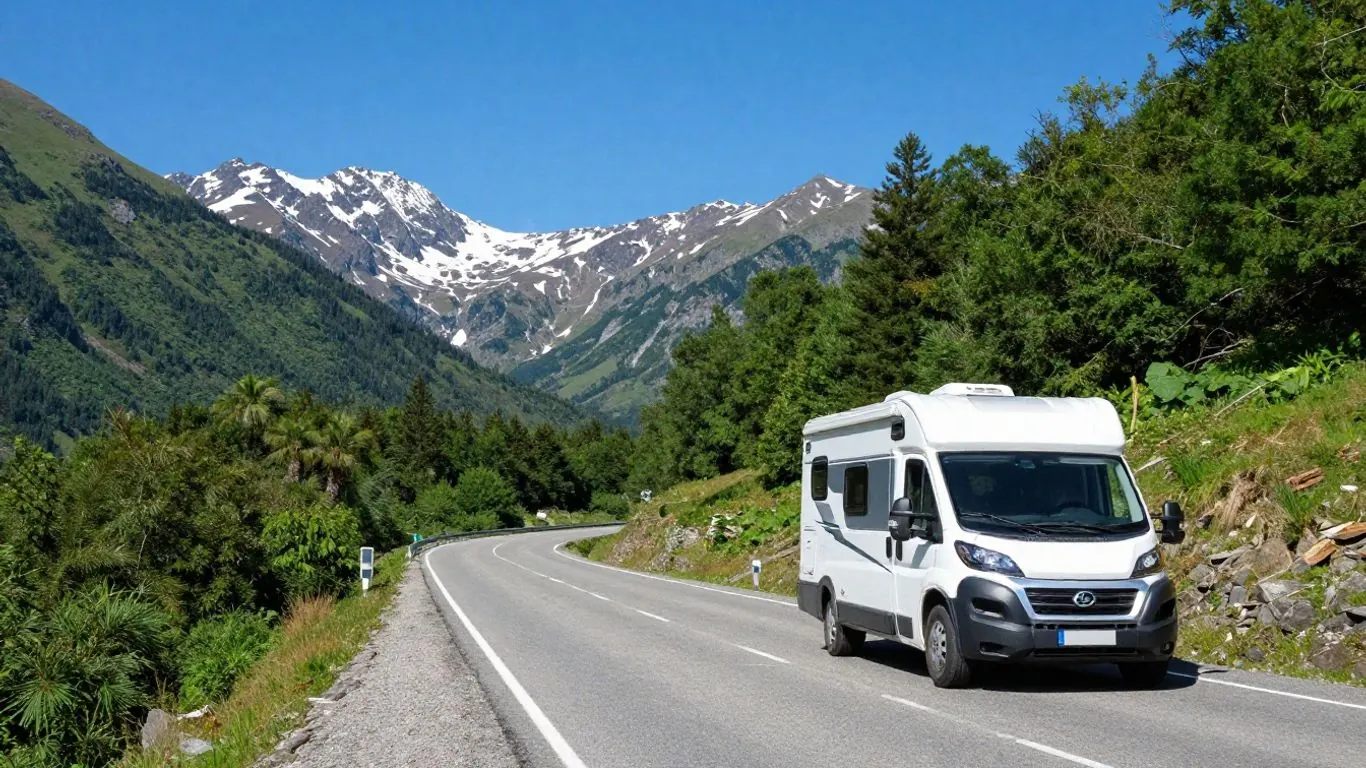
This is a common question, and the answer is usually pretty straightforward. For most standard RV rentals in Whitehorse, you don’t need a special license. A regular, valid driver’s license is all you need , provided you meet the minimum age requirement, which is typically 25 years old. If you’re coming from outside Canada, just make sure you have your home country’s license and potentially an International Driving Permit (IDP), though many places accept foreign licenses directly. Always double-check with your specific rental provider, but generally, it’s not complicated.
First-Time Renter Confidence Boosters
It’s totally normal to feel a bit nervous before your first RV trip. Here are a few things that can help boost your confidence:
Start Small: If possible, consider a shorter trip for your first outing. A weekend trip close to Whitehorse can be a great way to get a feel for driving and living in an RV without a huge commitment.
Choose a Familiar Route: Stick to well-traveled roads for your initial journey. The Alaska Highway is generally well-maintained, but sticking to main routes can reduce stress.
Pack Smart: Don’t overpack, but make sure you have the essentials. Think about comfort items, basic tools, and any specific items related to your planned activities.
Communicate with Your Host: If you’re renting from an individual owner, they are often a great resource. They’ve been through this many times and can offer practical advice. Many hosts are happy to answer questions even after you’ve departed.
Remember that RV rental companies and peer-to-peer platforms usually include roadside assistance and some level of insurance. This coverage is there to give you peace of mind, so you can focus on enjoying the incredible scenery of the Yukon rather than worrying about potential hiccups. It’s always wise to understand the specifics of your coverage before you leave.
Support and Safety During Your Trip
Even with the best planning, sometimes things don’t go exactly as expected when you’re on the road. That’s where having solid support and safety measures in place really makes a difference, especially when you’re exploring a place as vast and wild as the Yukon.
Roadside Assistance for Breakdowns
Picture this: you’re cruising along the Alaska Highway, windows down, enjoying the scenery, and suddenly, you get a flat tire. Or maybe your battery decides to call it quits. It happens. Most RV rentals in Whitehorse come with 24/7 roadside assistance that covers you throughout the Yukon and even into northern British Columbia. This is a lifesaver. You’ll get the contact details before you even pick up the RV, so you know exactly who to call and what information to have ready. Whether you’re near a well-known spot like Lake Laberge or somewhere more remote, help is usually just a phone call away. It means you can focus more on the amazing views and less on worrying about what to do if something goes wrong.
Built-In Protection and Insurance Coverage
When you rent an RV, you’re not just getting a vehicle; you’re getting peace of mind. Most rental companies include a built-in protection package. This usually covers significant vehicle damage and, as mentioned, includes that 24/7 roadside support. You typically get to choose your level of coverage when you book, so you know exactly what you’re covered for and what your financial responsibility might be. This protection is key for feeling secure as you explore places like the Klondike or head towards Alaska. It’s good to check the specifics of your rental agreement to understand what’s included.
Handling Issues and Emergencies
Beyond breakdowns, there are other things to consider. If you run into any problems with the RV itself, like an appliance not working, it’s best to communicate with your rental host as soon as possible. Many hosts are super responsive and want to help you have a great trip. For larger emergencies, like unexpected road closures due to weather or wildfires, it’s good to stay informed about local conditions. The rental company’s support team can often help guide you through these situations, especially if they impact your travel plans. Always have important contact numbers handy, not just for roadside assistance but also for your rental company and local authorities if needed.
It’s always a good idea to do a quick walkthrough of the RV with your host when you pick it up and when you return it. This way, you both agree on the condition of the vehicle, which can prevent any misunderstandings later on. Documenting any existing minor damage with photos can also be helpful.
Traveling with Pets and Special Requests
Bringing your furry co-pilot along for the Yukon adventure? That’s totally doable! Whitehorse is pretty welcoming to pets, and many RV owners are happy to share their vehicles with your four-legged family members. When you’re browsing for rentals, look for the Pet-Friendly’ filter. It’s a quick way to see which RVs allow pets. Just remember to check the specific listing for any rules, like size or breed restrictions, that the owner might have. It’s always a good idea to confirm these details before you book.
Finding Pet-Friendly RV Rentals
When you’re searching for your perfect RV, using the Pet-Friendly’ filter is your best bet. This feature helps narrow down the options to RVs where your dog or cat is welcome. Most hosts who allow pets are pretty clear about their expectations, so give those descriptions a good read. Some might even offer pet kits as an add-on, which can be super handy for keeping your pet comfortable on the road. If you’re planning a trip that involves crossing into the US, make sure to confirm with your host that your pet is allowed to travel internationally in their RV. This is especially important if you’re heading towards places like Alaska.
Pet-Friendly Activities in Whitehorse
Whitehorse itself has some great spots for you and your pet to explore. The Millennium Trail is a nice, paved path perfect for a leisurely stroll or a brisk walk with your dog. If you’re looking for something a bit more scenic, Chadburn Lake is another popular spot where dogs are often seen enjoying the outdoors. Just be mindful of local bylaws regarding pets, especially in public areas. Always keep your pet on a leash unless you’re in a designated off-leash area, and be sure to clean up after them. It helps keep these beautiful places enjoyable for everyone.
Communicating Special Needs to Hosts
Got any specific needs or requests? Don’t be shy about reaching out to your RV host before you book. Whether it’s about bringing a pet, needing specific accessibility features, or even just having a few extra questions about the RV’s appliances, hosts are usually happy to chat. Many renters find that a quick message exchange can clear up any uncertainties and make the booking process much smoother. It’s also a good way to build a bit of rapport with the person you’re renting from. For example, if you’re planning a long road trip, you might ask about mileage limits or if there are any specific recommendations for planning a Canadian motorhome trip . Being upfront about any special requests helps ensure a better experience for both you and the host.
Ready for Your Yukon Adventure?
So, you’re thinking about an RV trip to Whitehorse? It sounds like a lot, but honestly, it’s pretty straightforward. You can grab an RV that has everything you need, from a place to sleep to a kitchen. Plus, getting around is easier than you might think, and there are plenty of spots to park for the night. Just remember to book your campsites early, especially if you’re going in the summer. With a little planning, you’ll be all set to explore everything the Yukon has to offer. It’s going to be an amazing trip!
What kind of stuff comes with an RV rental in Whitehorse?
Most RVs you can rent in Whitehorse are pretty comfy and have the basics you need. Think beds, a kitchen for making meals, and a bathroom. Many also have heaters, which are super important when it gets chilly at night in the Yukon. Some might even come with extras like TVs or generators. If you’re traveling with family, you might find bigger RVs with bunk beds. It’s always a good idea to check the specific details for each RV to see exactly what’s included.
Can I add extra things to my RV rental, like bikes or a grill?
Yes, you totally can! Many RV owners offer cool add-ons to make your trip even better. You might be able to rent things like bikes for exploring, kayaks for paddling on lakes, or camping chairs for relaxing outside. Some even offer bedding or GPS units. These extras can really make your Yukon adventure easier and more fun.
How far can I drive my rented RV? Are there mileage limits?
You have a lot of freedom to explore! Most RV rentals come with a decent daily mileage limit, usually around 200-300 kilometers. Some owners even offer unlimited mileage as an option. This means you can easily take trips to popular spots like Dawson City or Kluane National Park. Just be sure to check the specific rental details to know the exact mileage rules before you book your trip.
What are the best places to park my RV near Whitehorse?
There are some great campgrounds near Whitehorse! Robert Service Campground is right in town and has all the facilities you’ll need. Hi Country RV Park, just south of downtown, is also a good choice with family-friendly features. If you want a more natural setting, Wolf Creek Campground, about 15 kilometers south, offers wooded sites. It’s a good idea to book these spots ahead of time, especially during the summer, because they can fill up fast.
When is the best time to rent an RV in Whitehorse, and can I go in winter?
Summer, from June to August, is the most popular time to rent an RV in Whitehorse. The days are long, the weather is usually nice, and there are lots of events happening. If you want to see the Northern Lights, late May or early September are great times. Winter RV rentals are possible for brave adventurers, but it gets very cold, so you’ll need an RV with good heating and insulation. Just remember that fewer campgrounds are open in the winter.
I’ve never rented an RV before. Will someone show me how to use it?
Absolutely! If it’s your first time renting an RV in Whitehorse, the owner will give you a thorough tour when you pick it up. They’ll show you how to drive it, set it up, use all the appliances, and explain any special rules for camping in the Yukon. Don’t hesitate to ask them any questions you have before you head out. Most people find it’s easier than they think!
What happens if my RV breaks down while I’m on my trip?
You’re covered! All RV rentals come with 24/7 roadside assistance that works all over the Yukon and parts of British Columbia. So, if you get a flat tire or need a jump-start, help is just a phone call away. You’ll get all the contact information before your trip, so you can relax and enjoy the amazing scenery without worrying too much about problems.
Can I take my rented RV from Whitehorse into the United States, like Alaska?
In most cases, yes! Many RV rentals from Whitehorse allow you to travel into Alaska. However, you must confirm this with the RV owner before you book. Just let them know your travel plans, and they’ll tell you if it’s allowed and help with any necessary paperwork. It’s a popular route, so it’s worth asking about for a smooth cross-border adventure.
Use this guide for trip ideas, not a current quotation or a guarantee of access, safety, inclusions or availability. Confirm the requirements and conditions for your dates, destination and provider before booking.