Planning an RV trip across Canada sounds amazing, right? But figuring out the best way to rent an RV can feel a bit overwhelming. This guide will help you sort through the details so you can focus on the adventure ahead.
Key Takeaways
Booking your canada rv hire well in advance, especially for peak season, can save you a lot of money.
Always check what’s included, like mileage limits, insurance details, and any extra equipment.
But also consider direct rentals or peer-to-peer for different types of vehicles or potentially better deals.
Think about the type of RV that fits your trip. Campervans are great for flexibility and budget, while Class C motorhomes offer more space for families. Luxury RVs are available if comfort is your top priority.
Read your rental agreement carefully.
Understanding Canada RV Hire Pricing
So, you’re looking into renting an RV for your Canadian adventure? Awesome!
When you decide to book your RV makes a big difference. Rental companies know that demand goes up, especially for the newer or more popular models. Plus, the best vehicles get snapped up first, so booking early means you have more choices.
These periods often offer a sweet spot. The weather can still be really pleasant, the crowds are thinner, and you can see some amazing scenery, especially the fall colors in places like Quebec. And guess what?
Note: These are estimates and can vary greatly based on RV size, age, and specific rental company.
It’s often just the starting point. You really need to dig into what’s included and what’s not. It’s super important to compare apples to apples. Look for unlimited mileage options if you plan on covering a lot of ground, and check the deductible on the insurance. Always ask for a full breakdown of all potential charges before you commit.
Essential Inclusions For Your Canada RV Hire
When you’re looking at RV rentals for your Canadian adventure, it’s super important to know exactly what you’re getting for your money. Let’s break down what you should be looking for.
Mileage Allowances And Restrictions
This is a big one. Most rentals come with a daily mileage limit, often around 150 km (about 93 miles). If you plan on covering a lot of ground, which is pretty likely in Canada, this can get expensive fast. Always check if unlimited mileage is an option, or if you can purchase a mileage package upfront.
Here’s a quick look at how mileage can affect your budget:
Insurance Coverage Details
Insurance can be confusing, but it’s non-negotiable. Standard rental packages usually include basic third-party liability and some form of collision damage waiver (CDW). However, the deductible (the amount you pay out-of-pocket before insurance kicks in) can be really high, sometimes thousands of dollars. You’ll want to find out:
What is the deductible amount for collision and comprehensive coverage?
Does the insurance cover things like windshield damage or tires?
What is the policy on personal belongings inside the RV?
Don’t just assume you’re covered for everything. Read the fine print on the insurance policy. Sometimes, your personal travel insurance or even your credit card might offer some coverage, but you need to verify the specifics and limits before relying on them.
Included Equipment And Amenities
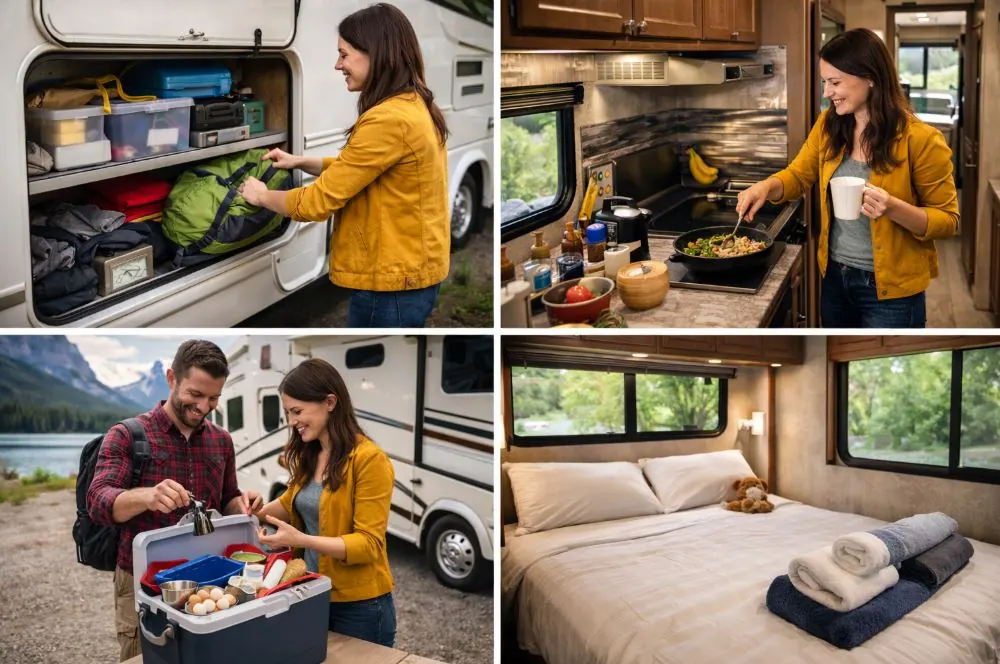
Think about what you’ll actually need to live comfortably in the RV. Many rentals don’t automatically include basic items like bedding, towels, kitchenware, or even camping chairs.
Look for rentals that include:
Kitchenware (pots, pans, utensils, dishes)
Bedding and towels
Basic cleaning supplies
Propane for the stove and heating
Sometimes even things like an awning or outdoor chairs
It’s worth comparing packages carefully. Planning a campervan trip in Canada involves several key details, and knowing what’s included is a big part of that.
Navigating Rental Platforms
When you’re looking to rent an RV in Canada, you’ve got a few different avenues to explore. It’s not just one big marketplace; there are distinct types of platforms, and knowing the difference can save you time and maybe even some money.
Specialized Comparison Sites
These sites are like a one-stop shop for comparing RV rentals. Instead of hopping between the websites of individual companies like CanaDream or Cruise Canada, you can see a bunch of options all in one place. This can seriously cut down on your research time. It’s pretty handy.
Cons: You’re dealing with an intermediary, so the selection might depend on who they partner with.
Best for: Travelers who want to see many options fast without a lot of clicking around.
Direct Rental Company Options
This is pretty straightforward – you go straight to the source. Companies like CanaDream, Cruise Canada, or Four Seasons RV have their own websites where you can book directly. The upside is you’re talking directly to the people who own and manage the vehicles. You might get a really in-depth feel for their specific fleet. You’d have to do that legwork yourself.
Pros: Direct communication with the rental company, deep knowledge of their own vehicles.
Best for: People who already know which rental company they prefer.
Peer-To-Peer Rental Platforms
Think of this like Airbnb, but for RVs. Individuals rent out their own campers and motorhomes. The main thing to remember here is that you’re dealing with private owners, so the level of service, vehicle condition, and insurance details can vary quite a bit. It’s always a good idea to read reviews carefully and understand the owner’s specific policies.
These can differ significantly from one listing to another, and understanding them upfront can prevent surprises down the road.
Cons: Less standardization, variable owner policies, fewer guarantees compared to companies.
Best for: Travelers looking for specific types of RVs or potentially better deals, and who are comfortable with a less corporate rental experience.
Choosing The Right RV Type
So, you’ve decided an RV trip across Canada is the way to go. Awesome! But now comes the big question: what kind of RV is actually going to work for you? It’s not a one-size-fits-all situation, and picking the wrong one can really put a damper on your adventure. Think of it like choosing hiking boots – you wouldn’t wear stilettos on a mountain trail, right?
Campervans For Freedom
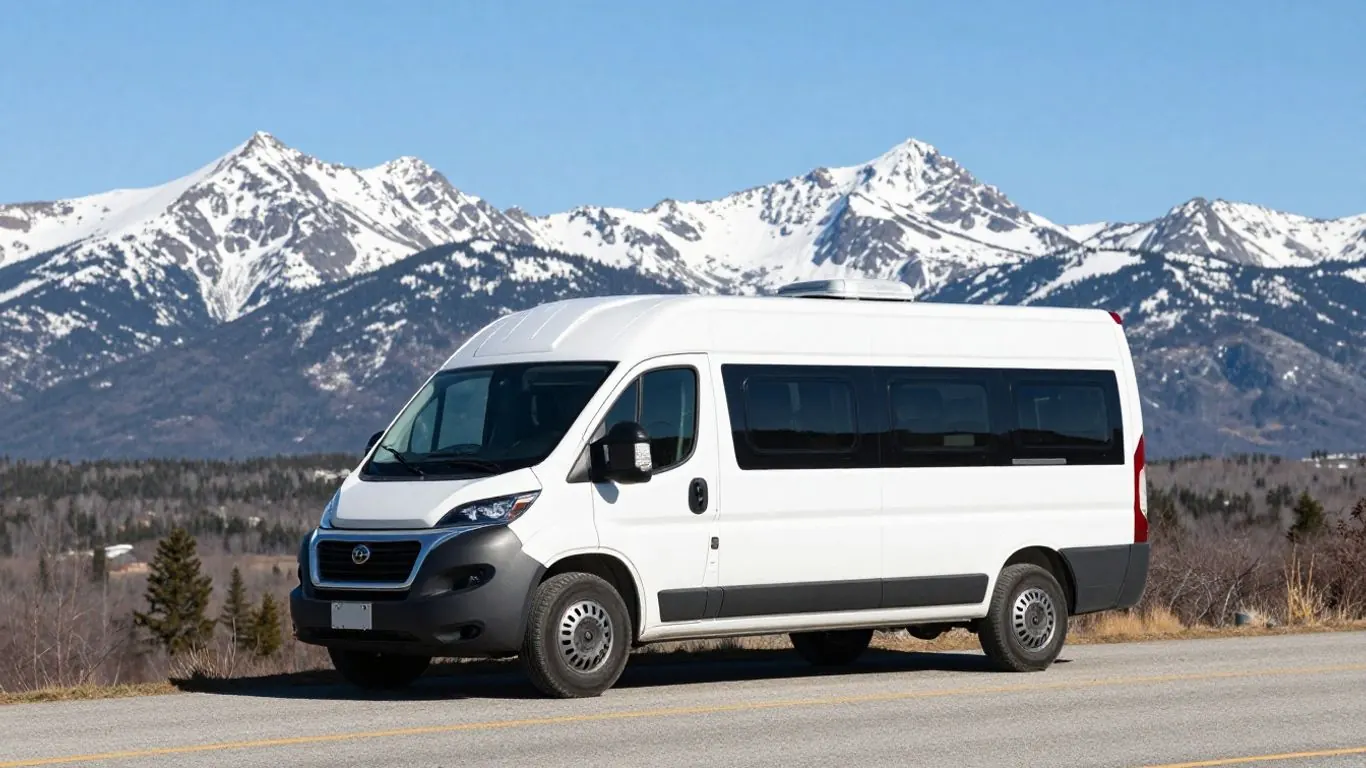
If you’re all about spontaneity and want to feel that wind in your hair as you cruise down scenic highways, a campervan might be your jam. These are generally smaller, more maneuverable vehicles, often built on a van chassis. They’re great for couples or solo travelers who value flexibility. You can park them more easily in regular parking spots and often get into smaller campgrounds or even some more remote spots that larger RVs can’t access. They usually come with basic cooking facilities and a sleeping area, giving you that home on wheels’ feel without the bulk.
Pros: Easy to drive and park, better fuel economy than larger RVs, access to more locations.
Best for: Couples, solo travelers, those prioritizing flexibility and exploring off-the-beaten-path.
Class C Motorhomes For Families
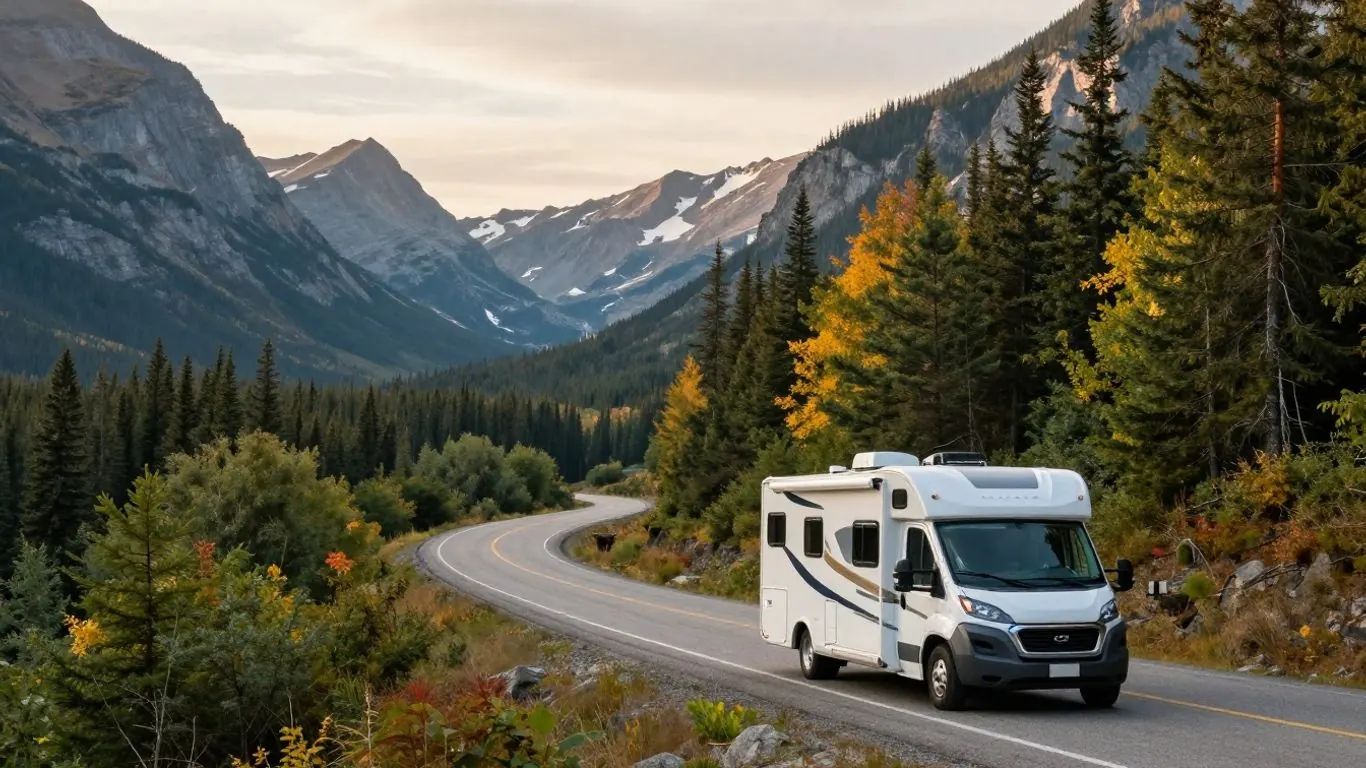
Now, if you’ve got a crew, whether it’s the kids or a couple of friends, a Class C motorhome is often a solid choice. These are the ones that typically have that distinctive over-the-cab sleeping area, which is a huge bonus for maximizing space. They offer more living room, a more complete kitchen setup (think fridge, stove, microwave), and a dedicated bathroom. They strike a good balance between comfort and drivability. You get more of the comforts of home, making longer trips or traveling with more people much more comfortable.
Pros: More living and sleeping space, better amenities (kitchen, bathroom), good for families.
Best for: Families, groups of friends, longer trips, those who want more home-like comforts.
Luxury RVs For Comfort
For those who believe that roughing it’ should still involve a certain level of pampering, there are luxury RVs. These are often larger Class A motorhomes or high-end custom builds. We’re talking about spacious interiors, premium finishes, king-sized beds, multiple slide-outs to expand the living area, and sometimes even washer/dryer combos. If your idea of an RV trip involves gourmet meals cooked in a well-equipped kitchen and relaxing in a plush sofa after a day of sightseeing, this is your category. They offer the most space and the most amenities, making them feel like a high-end apartment on wheels.
Pros: Maximum space and comfort, extensive amenities, luxurious feel.
Best for: Travelers seeking premium comfort, longer stays, those who want all the conveniences of home and then some.
When you’re looking at different RV types, think about your daily routine. Will you be spending most of your time driving and exploring, or will you be setting up camp for a few days at a time? How much luggage do you have? Who are you traveling with? Answering these questions will point you toward the RV that fits your travel style best.
Remember to also consider the mileage allowances and any restrictions that come with each type of vehicle. Some smaller campervans might have unlimited mileage, while larger motorhomes might have daily limits that could impact your travel plans if you plan on covering a lot of ground.
Key Considerations For Your Rental Agreement
Alright, so you’ve found the perfect RV and you’re ready to book. But hold on a sec, before you sign on the dotted line, let’s talk about the rental agreement. ) down the road. It’s not the most exciting part of planning a trip, I know, but it’s super important.
Understanding Cancellation Policies
Life happens, right? Sometimes plans change, and you might need to cancel your RV rental. Rental companies all have different rules about this. It’s really worth checking this out before you book. You don’t want to be stuck paying for a rental you can’t use. Look for policies that offer free cancellation at least a few weeks before you’re supposed to leave. It just gives you more flexibility if something unexpected pops up.
Fees And Additional Charges
Always ask what’s included and what’s not. Some companies include a certain number of kilometers per day, say 150 km, and then charge extra if you go over. Others might offer unlimited mileage packages. Make sure you know what you’re getting into.
Insurance Deductibles: What’s the maximum you’d have to pay if there’s damage?
Optional Equipment: Charges for things like bedding, kitchen kits, or camping chairs if not included.
Always ask for a complete list of all possible charges. Don’t be shy about this! It’s your money, and you deserve to know exactly what you’re paying for. A good rental company will be upfront about all of this.
Early Or Late Pick-Up/Drop-Off
Most RV rentals have set times for picking up and dropping off your vehicle. Usually, pickup is in the morning, and drop-off is before noon. If you need to pick up your RV earlier or drop it off later, there’s often an extra charge for that. Just be aware that these times are pretty firm, and returning the RV late without prior arrangement can result in significant penalties.
Maximizing Your Canada RV Hire Experience
So, you’ve picked out your RV and you’re ready to hit the road in Canada. Awesome! But before you just hand over your credit card, let’s talk about how to make sure you’re getting the most bang for your buck and having the smoothest trip possible.
Travel During Shoulder Seasons
That’s peak season. Plus, fewer crowds mean a more relaxed vibe.
Booking Well In Advance
This is a big one. Seriously, the earlier you book, the more you save. Rental companies often have tiered pricing, and the best deals disappear fast. I saw one example where booking six months ahead saved over $2,500 for a 15-day trip compared to booking last minute. Plus, you get first dibs on the newest and best-equipped RVs. Don’t wait until the last minute if you can help it.
Comparing All Associated Costs
This is where people get tripped up. It might not tell the whole story. You’ve got to look at everything else. Here’s a quick rundown of what to check:
Mileage: Is it unlimited, or do you have a daily limit? Going over can get expensive fast.
Insurance: What’s the deductible? Are there options to lower it? What does it actually cover?
Equipment: Does it come with kitchen stuff, bedding, chairs, or is that all extra?
Dig into the details.
It really pays to do your homework. Happy travels!
Insurance And Deductibles Explained

When you rent an RV in Canada, insurance is a big deal. It’s not quite like renting a car or booking a hotel; RVs are bigger, more complex, and you’re essentially taking a home on wheels out for a spin. So, understanding what’s covered and what you might have to pay out-of-pocket is super important.
Standard Insurance Inclusions
Most rental companies will include some level of basic insurance with their rentals. It might also include collision and comprehensive coverage for the rental RV itself. However, and this is a big however’, the specifics can vary a lot between companies.
Options For Deductible Reduction
This is where things can get pricey if you’re not careful. The deductible is the maximum amount you’d have to pay if there’s damage to the RV before the insurance kicks in. For RVs, these deductibles can be quite high, sometimes running into thousands of dollars. Think of it like buying extra peace of mind. Some companies might offer a "zero deductible" package, which sounds great, but you need to check exactly what that covers and if there are any hidden exclusions.
Here’s a general idea of how deductible reduction might work:
, $5,000 CAD). You’re on the hook for up to this amount if there’s damage.
, $1,000 CAD). You pay less if something happens.
Understanding Third-Party Liability
This part of the insurance is about protecting others. If you cause an accident that damages another vehicle, property, or injures someone, third-party liability insurance is what steps in. While it’s usually part of the standard package, it’s worth confirming the coverage limits. You don’t want to be in a situation where an accident exceeds the policy limits, leaving you responsible for the difference.
Always read the fine print on your rental agreement regarding insurance. What seems like a good deal upfront can have limitations or exclusions that might surprise you later.
It’s a good idea to compare what different companies offer. Some specialized comparison sites might even highlight these insurance details upfront, making it easier to see which rental gives you the best protection for your money.
Finding The Best Value Canada RV Hire
So, you’re ready to hit the road in a Canadian RV, but you want to make sure you’re not overpaying. That’s smart! Getting the best bang for your buck means doing a little homework, but it’s totally doable.
Leveraging Comparison Tools
Look, nobody wants to spend hours clicking around on different rental company websites. That’s where comparison sites come in handy. They basically do the legwork for you, pulling together offers from various companies so you can see them all in one place. It saves a ton of time and often gets you access to deals you might not find otherwise. Some of these sites even have special deals they’ve worked out with the rental companies.
Quickly see many options: No more jumping between sites.
Single point of contact: If you have questions, you know who to ask.
Negotiating Rental Terms
While comparison sites are great for an overview, don’t be afraid to reach out directly to the rental company, especially if you’ve found a specific RV you like. Sometimes, you can chat about the rental terms. This is more likely if you’re booking directly, but even with a comparison site, you might be able to clarify things or ask about specific needs. It’s worth a shot, especially for longer rentals or if you have particular requirements.
A little bit of polite inquiry can sometimes lead to a better deal or at least a clearer picture of what you’re actually paying for.
Checking For Special Offers
Keep an eye out for deals, especially if you’re flexible with your travel dates. Rental companies often have promotions running, particularly during the shoulder seasons (that’s spring and fall, generally). Sometimes they’ll throw in free mileage, discounted rental days, or even included equipment like camping chairs or kitchen kits. Booking well in advance is usually your best bet for snagging these kinds of offers before they disappear.
Ready to Hit the Road?
So, you’ve got the lowdown on what makes a good RV rental in Canada. Think about when you’re going – hitting the road in the shoulder seasons can save you a good chunk of change and mean fewer crowds. With a little planning and by keeping these tips in mind, you’ll be well on your way to finding the perfect RV for an amazing Canadian adventure. Happy travels!
What should I look out for besides the daily rental price?
Always check what’s included. See if mileage is unlimited or if there’s a daily limit.
What’s the difference between different types of RV rental platforms?
There are a few main places to rent from. Comparison sites (like Authentik Canada) let you see many companies’ offers all at once and often have special deals. Direct rental companies (like Canadream) are the actual owners of the RVs, so you deal with them directly. Peer-to-peer platforms (like RVezy) are like Airbnb for RVs, where individuals rent out their own vehicles.
What type of RV is best for a family trip?
Class C motorhomes are often a great choice for families. They usually have sleeping areas for multiple people, a kitchen, and a bathroom, offering a good balance of space and comfort for everyone. They’re generally easier to drive than the very large Class A RVs.
What happens if I need to cancel my RV rental?
Cancellation policies can differ a lot between companies. It’s important to read the cancellation policy carefully before you book and consider getting cancellation insurance for peace of mind.
How can I make sure I’m getting the best value for my RV rental?
Traveling in the shoulder seasons can also lead to big savings.
What does deductible’ mean when it comes to RV insurance?
The deductible is the amount of money you have to pay out-of-pocket if you have an accident or damage to the RV before the insurance company covers the rest.
Can I rent an RV directly from an owner instead of a company?
Yes, you can! Platforms like Outdoorsy and RVezy connect you directly with RV owners. However, it’s crucial to carefully check the condition of the RV, what insurance is included, and the owner’s specific rental and cancellation terms, as these can vary a lot.
Use this guide for trip ideas, not a current quotation or a guarantee of access, safety, inclusions or availability. Confirm the requirements and conditions for your dates, destination and provider before booking.