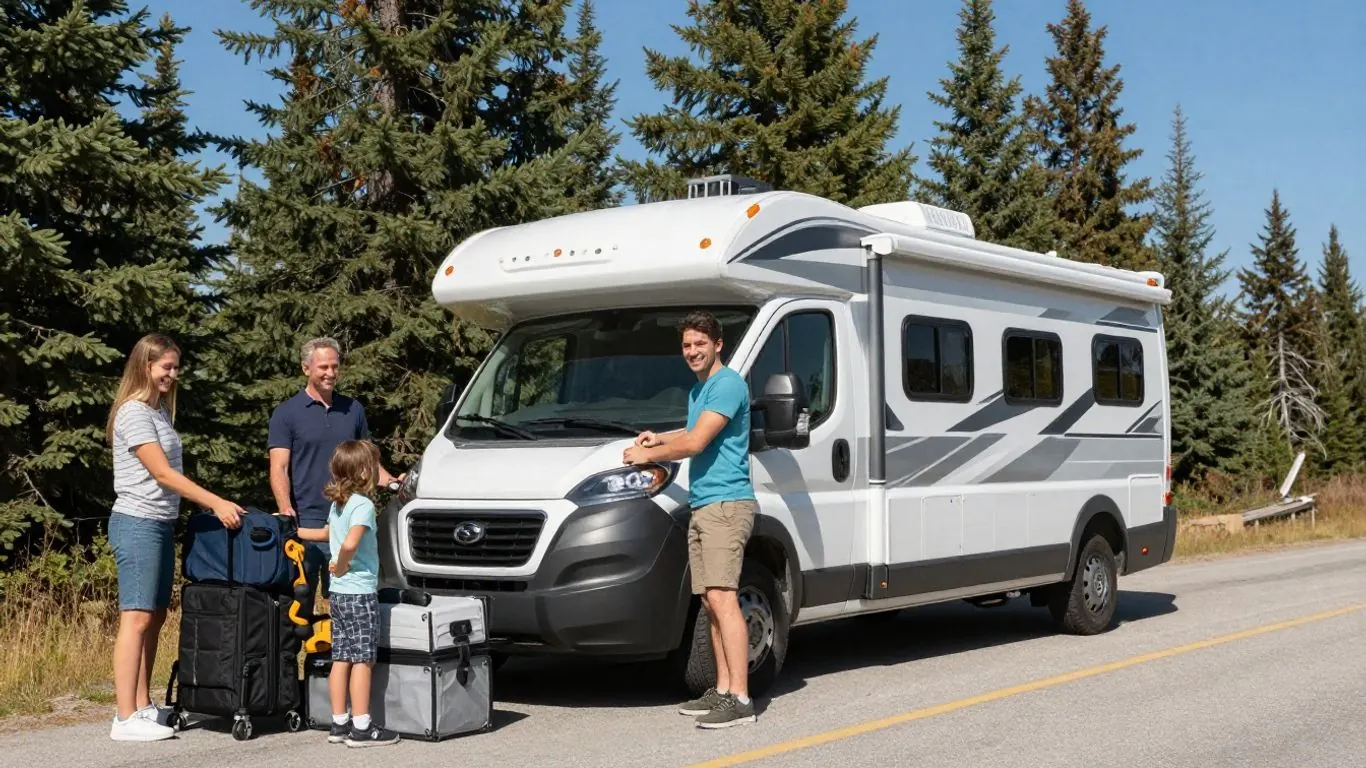
Planning a big RV trip across Canada can feel like a lot. It’s a huge country, after all! While winging it might sound fun, sometimes having a solid plan makes the whole experience way smoother. That’s where a good Canada RV trip planner comes in handy. It helps sort out all the details so you can focus on enjoying the amazing sights.
Key Takeaways
Using a Canada RV trip planner helps manage the sheer size of the country and simplifies all the driving, booking, and route planning.
Decide if an RV or a car fits your travel style and budget best. Consider when you want to go to avoid bad weather and big crowds.
Booking campsites and popular attractions ahead of time is smart, especially during peak season, to avoid stress and save money.
Take advantage of apps for gas, attractions, and offline maps. Also, look into park passes if you plan to visit many national or provincial parks.
Pace yourself on the road, stay connected even in remote areas, and always be respectful of the land and Indigenous cultures you encounter.
Navigating Canada’s Vastness With A Canada RV Trip Planner
Canada is enormous. Seriously, it’s mind-bogglingly big. Trying to figure out how to see even a fraction of it in an RV can feel like trying to drink from a fire hose. You might think, How hard can it be? I’ll just point the RV west and go!’ But trust me, that approach can lead to a lot of wasted time and missed opportunities.
Understanding the Scale of a Canadian RV Adventure
When you picture driving across Canada, what comes to mind? Maybe the Rockies, the Prairies, the Maritimes? It’s easy to underestimate just how much ground you’ll cover. A trip from St. John’s, Newfoundland, to Victoria, British Columbia, isn’t just a long drive; it’s an expedition. It spans multiple time zones, diverse climates, and vastly different landscapes. You’re not just driving; you’re traversing continents within a country.
Coast-to-coast distance: Roughly 7,000 kilometers (4,350 miles).
Driving time alone: At an average of 8 hours a day, this is over two weeks of just driving, not stopping.
Time zones: You’ll cross six time zones.
Why a Dedicated Canada RV Trip Planner Simplifies Logistics
Trying to plan this kind of trip yourself can quickly become overwhelming. You’ll spend hours researching campgrounds, road conditions, potential attractions, and fuel stops. A dedicated planner takes the guesswork out of it. They know the best routes, the most scenic stops, and the practicalities of RV travel in Canada. They help turn that overwhelming feeling into excitement. For instance, figuring out where to rent an RV can be a whole project in itself; a planner can point you to the best RV rental sites in Canada .
Planning an RV trip across Canada requires more than just a map. It involves understanding the nuances of RV travel, like finding suitable campgrounds, managing water and waste, and knowing where you can and can’t park. A good planner has already done this homework.
Maximizing Your Experience with Expert Planning
Beyond just getting from point A to point B, a planner helps you make the most of your journey. They can suggest hidden gems off the beaten path, recommend activities tailored to your interests, and help you avoid common tourist traps. This means you spend less time stressing about logistics and more time actually enjoying the incredible sights and experiences Canada has to offer. It’s about creating memories, not just miles.
Essential Considerations for Your Canada RV Trip Planner
Planning an RV trip across Canada means thinking about a few big things before you even hit the road. It’s not quite like packing for a weekend getaway; this is a whole different ballgame.
Choosing Between an RV and a Car for Canadian Travel
This is probably the first big decision you’ll make. Do you go with a car and stay in hotels, or rent/buy an RV? A car is generally cheaper to rent and fuel, and it’s way easier to drive around cities. But, you’ll be constantly packing and unpacking, and hotel costs add up fast. An RV gives you your own space, kitchen, and bathroom, which is super convenient. However, RVs are pricier to rent and fuel, and they can be a bit of a handful to maneuver, especially on smaller roads or in busy campgrounds. Think about how many people are traveling, your comfort level with driving bigger vehicles, and what kind of sleeping arrangements you prefer. If you’ve never RV’d before, maybe try a shorter trip in a rented RV before committing to a cross-country adventure.
Timing Your Trip for Optimal Weather and Crowds
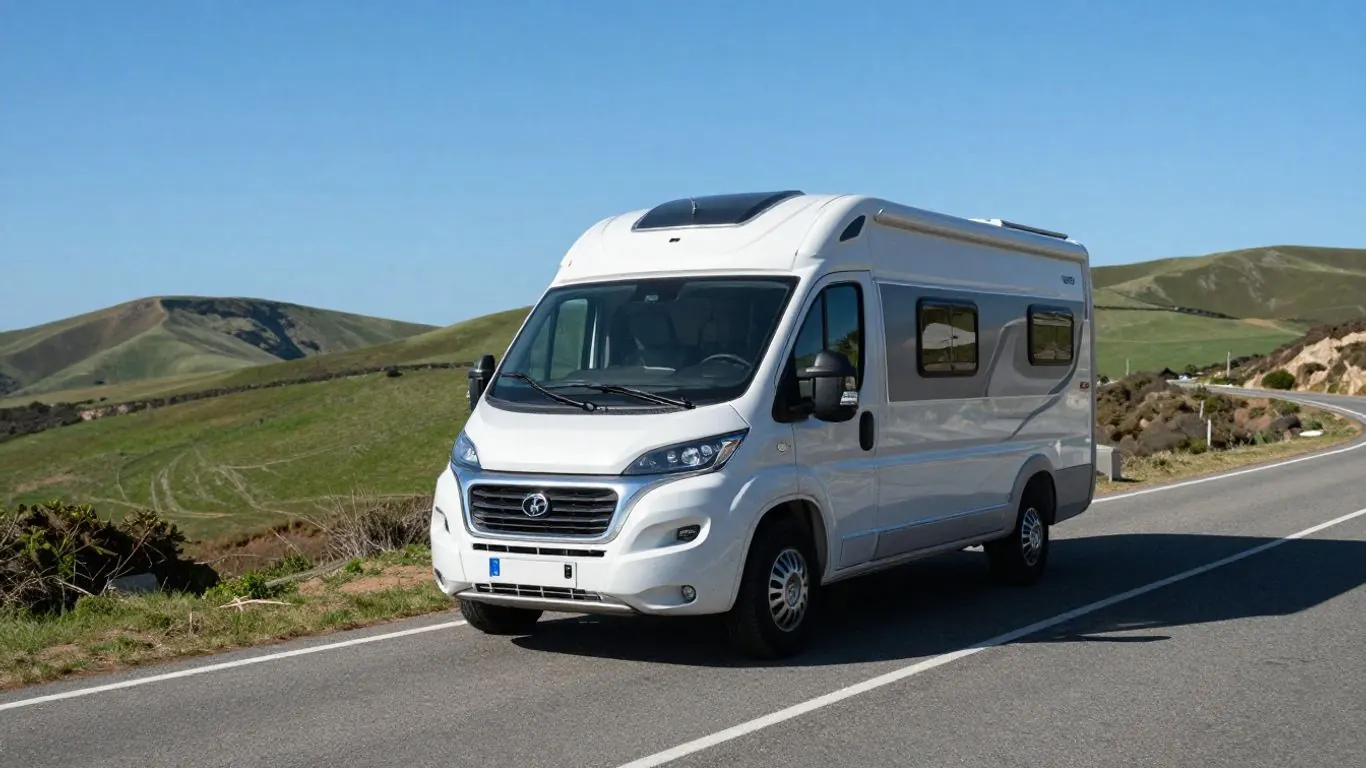
Canada is huge, and the weather changes dramatically from coast to coast. While summer offers the warmest temperatures and ensures most attractions and parks are open, it’s also peak tourist season. Expect crowds and book campgrounds well in advance. For a good balance, consider late spring or early fall. You’ll likely find milder weather and fewer people, making for a more relaxed experience. Winter travel is generally not recommended for a cross-country RV trip due to snow, road closures, and cold temperatures, unless you’re sticking to very specific, milder coastal areas.
Budgeting for Fuel, Campgrounds, and Activities
RV trips can be surprisingly expensive if you don’t plan your budget carefully. Fuel costs are a major factor, as RVs are not exactly known for their fuel efficiency. Campgrounds also vary widely in price, from free dispersed sites to full-service RV parks that can cost $50 or more per night. Don’t forget to factor in costs for activities, food (eating out versus cooking in your RV), potential maintenance, and any park passes you might need. It’s wise to have a buffer for unexpected expenses, too.
Planning ahead for where you’ll stay each night is key. Spontaneity is great, but in popular areas during peak season, campgrounds fill up months in advance. Having reservations can save you a lot of stress and potentially money by avoiding last-minute, overpriced options.
Booking Accommodations and Attractions in Advance
In peak season, booking ahead matters for an RV trip. Think about it: popular campgrounds, especially in places like Banff or near Niagara Falls, can fill up months in advance. The same goes for unique tours or even just a good spot to park your RV for the night in a busy city. While it might feel like it takes away from spontaneity, having those key bookings locked in can save you a ton of stress and potential disappointment. It means you’re not wasting precious vacation time driving around looking for a place to stay or realizing that the must-see attraction is sold out.
Utilizing Digital Tools and Offline Maps
Canada is huge, and cell service can be spotty, to say the least, once you get off the main highways. That’s where digital tools come in handy. There are tons of apps out there that can help you find everything from the cheapest gas to quirky roadside attractions and even free overnight parking spots. But here’s the really important part: download offline maps before you leave. Seriously, don’t skip this step. Having maps you can access without a signal is a lifesaver. It means you can still find your way, even if you’re deep in a national park or driving through a remote area. It’s also a good idea to look into roadside assistance plans or hotel loyalty programs if you plan on using those services.
Considering National and Provincial Park Passes
If you’re planning to visit a lot of national parks – and let’s be honest, Canada has some incredible ones – looking into a Parks Canada Discovery Pass can save you money. It gives you access to all the national parks for a year. Each province also has its own pass for provincial parks, which might be worth it depending on your route. It’s a bit of an upfront cost, but if you’re hitting multiple parks, it usually pays for itself pretty quickly. Plus, it makes entering the parks super easy once you have it.
Planning ahead with a trip planner helps you figure out these kinds of details. It’s not just about the big picture; it’s about the little things that make a trip go smoothly. Things like knowing which parks require a pass and which ones don’t, or having a list of potential campgrounds ready to go, can make a big difference when you’re on the road.
Maximizing Your RV Experience Across Canada
Canada is huge, and just driving through it can be a trip in itself. To really get the most out of your RV adventure, you need to think about how you’re going to pace yourself and stay connected. It’s not just about getting from point A to point B; it’s about enjoying the journey.
Pacing Your Journey for Enjoyment
Trying to see everything in a short amount of time is a recipe for burnout. Canada is vast, and rushing will mean you miss out on the little things. Think about setting a daily driving limit, maybe 4-6 hours, so you have time to actually explore the places you stop. Build in rest days too – days where you don’t move the RV at all. This gives you a chance to do laundry, catch up on sleep, or just relax and enjoy the scenery. Remember, the goal is to have fun, not to set a speed record.
Staying Connected on the Road
When you’re out in the wilderness, cell service can be spotty at best. Before you leave, figure out how you’ll stay in touch. You might need to get a portable Wi-Fi device or look into an e-SIM that works in Canada. Even just knowing where you can reliably find Wi-Fi, like at cafes or visitor centers, can be a lifesaver. It’s good to have a plan so you’re not left wondering if you can reach someone in a pinch.
Respecting Indigenous Lands and Natural Environments
As you travel across Canada, you’ll likely be passing through or camping on lands that have deep significance to Indigenous peoples. It’s important to be aware of this and show respect. This means following any posted rules, leaving no trace, and being mindful of the cultural heritage of the areas you visit. Learning a bit about the local First Nations, Métis, or Inuit communities can really enrich your trip and help you appreciate the land on a deeper level. It’s about being a good guest in their traditional territories.
Traveling in an RV gives you a unique perspective on Canada’s landscapes. It allows for a more intimate connection with the environment, but it also comes with a responsibility to protect it. Being prepared for varying conditions and respecting local customs will make your trip smoother and more meaningful.
Avoiding Common Road Trip Pitfalls
Look, planning an RV trip across Canada can feel like trying to herd cats. It’s huge, right? Without a solid plan, you can easily end up in a mess. Think about it: you might book a campsite that’s miles from where you actually want to be, or worse, show up to find it’s already full. That’s a real bummer, especially after a long day of driving. A structured planner helps you avoid these kinds of headaches. It’s like having a map that shows you all the potholes and dead ends so you can steer clear. You get to focus on the fun stuff, not on figuring out where you’re sleeping tonight.
Discovering Hidden Gems Beyond Major Routes
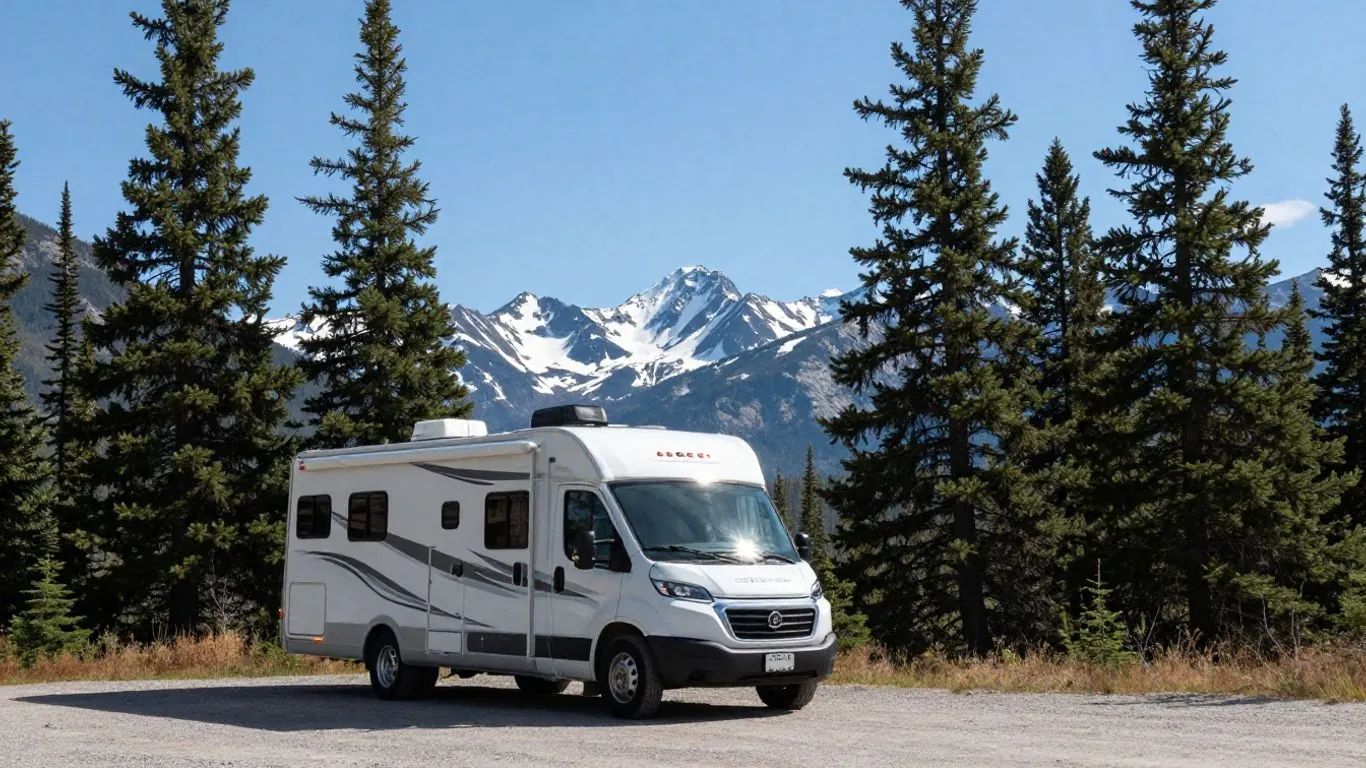
Sure, everyone knows about Banff and Niagara Falls. They’re great, don’t get me wrong. But Canada is so much more than just the big-name spots. A good RV trip planner doesn’t just point you to the famous landmarks; it helps you find those little towns with amazing bakeries, quirky roadside attractions, or quiet viewpoints that aren’t in every tourist brochure. It’s about digging a little deeper and finding places that make your trip unique. You might stumble upon a fantastic local festival or a stunning, less-crowded lake that becomes the highlight of your journey. These are the discoveries that turn a good trip into an unforgettable adventure.
Ensuring a Comprehensive and Fulfilling Itinerary
When you’re trying to cover thousands of kilometers, it’s easy to miss things or try to cram too much into one day. A structured planner helps you build an itinerary that makes sense. It considers driving times, rest stops, and the actual time you’ll need to enjoy each location. It also helps you balance different types of experiences – maybe some nature hikes, some city exploration, and some downtime. This way, you’re not just driving; you’re actually experiencing Canada in a way that feels complete and satisfying. It’s about making sure you get the most out of your time and money, creating memories that last long after you’ve parked the RV.
Mapping Your Route from Coast to Coast
Canada is huge, seriously. Driving from one side to the other can take weeks, even months, if you actually want to see things. Trying to cram it all into a short trip is just asking for stress. A good plan starts with looking at a map and figuring out what you absolutely want to see. Are you dreaming of the Rocky Mountains in Alberta, the historic streets of Quebec City, or maybe the rugged coastlines of Newfoundland? You can’t do it all in one go, so pick a section or a theme. Maybe it’s a Pacific coast adventure, a journey through the Prairies, or exploring the Maritimes. A trip planner helps you string these ideas together logically, so you’re not backtracking all the time.
Tailoring Your Trip to Available Time
Let’s be real, most of us don’t have three months to drive across Canada. So, how long do you actually have? A week? Two weeks? A month? This is where the planner really shines. It can help you break down a cross-country dream into manageable chunks. For example, a two-week trip might focus on a specific region, like the Canadian Rockies, or a route from Toronto to Montreal. A longer trip could tackle a longer stretch, maybe from Vancouver to Calgary. It’s all about being realistic with your time. You don’t want to spend your whole vacation just driving.
Here’s a rough idea of what’s possible:
1-2 Weeks: Focus on a single province or a small region (e.g., Banff and Jasper, Vancouver Island, Prince Edward Island).
3-4 Weeks: Cover a larger section, like the drive from Vancouver to Calgary, or explore the Maritimes more thoroughly.
6+ Weeks: This is where you can start thinking about a true coast-to-coast journey, or a significant portion of it.
Incorporating Diverse Landscapes and Cultures
Canada isn’t just one thing. It’s mountains, forests, prairies, lakes, and coastlines. It’s also a mix of cultures, from the French-speaking communities in Quebec to the Indigenous heritage found across the country, and the vibrant cities with people from all over the world. Your RV trip planner should help you weave these different experiences into your route. Think about stopping in a small town for a local festival, visiting a national park for some hiking, and spending a day exploring a city’s museums or food scene.
Planning an RV trip across Canada means embracing the variety. You might start your day with a hike in a national park and end it enjoying poutine in a city. The key is to build in time for both the natural wonders and the cultural experiences that make Canada so special. Don’t just stick to the main highways; look for those smaller roads that lead to unexpected discoveries.
When you’re mapping out your journey, consider these elements:
Natural Wonders: National and provincial parks, lakes, mountains, coastlines.
Cultural Hubs: Major cities, historic towns, Indigenous cultural centers.
Unique Experiences: Local food tours, farmers’ markets, roadside attractions, scenic drives.
Relaxation Spots: Campgrounds with nice views, quiet lakeshores, or even just a day off in a charming town.
So, Should You Plan Your Own Canadian RV Adventure?
Look, planning a big trip like driving across Canada in an RV can feel overwhelming. You might think, I can totally do this myself, how hard can it be?’ But then you start looking at maps, figuring out routes, booking campsites, and suddenly, it’s a lot. You realize there’s so much to consider, from when to book things to what apps you actually need. Trying to DIY it can end up being more stressful than fun, especially when you’re dealing with a vehicle as big as an RV. Honestly, using a dedicated Canada RV trip planner just takes so much of that guesswork out of the equation. They’ve already figured out the best routes, the cool spots, and how to avoid common pitfalls. It lets you focus on the actual adventure, not the endless to-do list. You get to relax and actually enjoy seeing this amazing country, instead of worrying if you packed the right kind of adapter or if your campsite reservation is even real.
Why is planning an RV trip across Canada different from planning a trip in a smaller country?
Canada is HUGE! It’s the second-largest country in the world. This means you’ll be driving for many, many hours to get from one place to another. A trip planner helps you figure out realistic driving times and where to stop along the way, so you don’t spend all your time just driving.
When is the best time to take an RV trip in Canada?
Summer is popular because the weather is warm, and most places are open. But it’s also the busiest time, so campgrounds and attractions get crowded. Late spring or early fall might be better. You’ll likely find fewer people and still have pretty good weather for exploring.
Should I rent an RV or a car for my Canada trip?
It depends on what you like! An RV lets you bring your home with you, which is convenient. But they cost more to rent and use more gas. A car is cheaper and easier to drive, but you’ll need to book hotels or other places to stay every night, which can add up and take time to pack and unpack.
Do I need to book campgrounds and attractions in advance?
Yes, especially if you’re traveling during the busy summer months or visiting popular spots like national parks. Things fill up fast! Booking ahead can save you stress and make sure you have a place to stay and things to do.
What are some important things to remember when planning my RV route?
Plan your route carefully because Canada is so big. Think about how far you want to drive each day and schedule rest days. Also, remember to be respectful of nature and learn about the Indigenous lands you’ll be traveling through. Downloading offline maps is a good idea too, in case you lose cell service.
Are there passes that can save me money on park entrances?
Yes! If you plan to visit several national parks, consider getting a Parks Canada Discovery Pass. It can be cheaper than paying for each park individually. Some provinces also offer passes for their own provincial parks.