

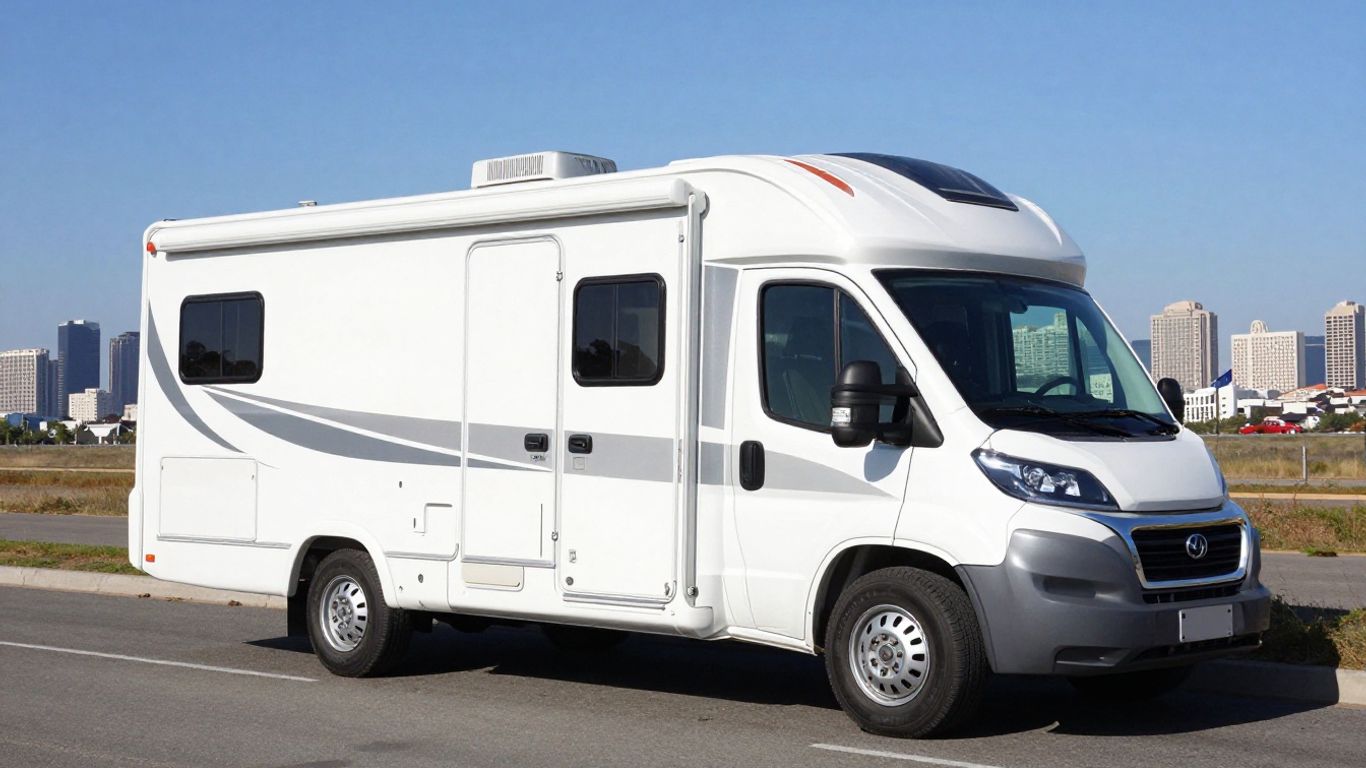
Thinking about taking your rented RV from Canada down into the U.S. or vice versa? It’s totally doable, but there are a few things you’ll want to sort out before you hit the road. This whole rv rental canada cross border us thing isn’t super complicated, but you do need to be prepared. We’re talking about paperwork, company rules, and what the border folks want to see. Let’s break it down so your trip goes smoothly.
Key Takeaways
- Make sure your rental company allows you to take their RV across the Canada-U.S. border. Some do, some don’t, and some might charge extra.
- You’ll need specific documents for everyone traveling, the RV itself, and proof of permission from the rental company to cross.
- Know the rules about what you can and can’t bring across the border, especially regarding things like food, plants, and weapons.
- Check current travel advisories and border wait times before you go. Things can change, so being informed is key.
- Be honest and straightforward with border agents. Having all your paperwork in order and answering questions clearly makes the process much easier.
Navigating the Canada-US Border With Your RV Rental
So, you’ve got your RV rental all set and you’re dreaming of cruising from Canada into the United States, or maybe the other way around. It sounds like a grand adventure, and it can be! But before you hit the road, there are a few things you really need to get sorted. Think of it like preparing for any big trip, but with a few extra steps because you’re crossing an international border with a home on wheels.
Understanding Current Travel Protocols
First off, the border is open for RV travel between Canada and the U.S. That’s the good news! However, international travel rules can shift, so it’s always smart to check for the latest updates before you leave. Things like health advisories or specific entry requirements can change, and you don’t want to be caught off guard. It’s not usually a big deal, but being aware is key.
- Check official government websites for both Canada and the U.S. for any travel advisories.
- Be aware of any health screening requirements that might be in place.
- Understand what items are allowed or restricted when crossing.
It’s always better to be overprepared when crossing international borders. A little research upfront can save you a lot of hassle at the border crossing.
Essential Documentation for Cross-Border Travel
This is where things get serious. You can’t just roll up to the border without the right papers. For everyone in the RV, you’ll need valid passports or other acceptable travel documents. If you’re driving, make sure you have your driver’s license handy. For the RV itself, you’ll need its registration and proof of insurance. If you’re renting, this is super important: you absolutely need your rental agreement, proof of insurance from the rental company, and, most critically, written permission from the company stating you can take their RV across the border. Without that written permission, they might not let you cross, and that would be a real bummer.
Preparing Your RV for Border Inspection
When you get to the border, the agents will want to see inside your RV. It helps them out if you make it easy for them. So, before you pull up to the booth, do a few things. Roll down your windows so you can hear and talk easily. Turn off the radio and put your sunglasses away. If you have blinds or curtains, open them up so the agent can get a clear view of the interior. It shows you’re cooperating and have nothing to hide. Also, make sure any food items you’re carrying comply with regulations – some things just can’t cross the border, like fresh fruits or vegetables, so be prepared to ditch those if necessary.
Required Documents for Your RV Rental Cross Border US Trip
Alright, so you’ve got your RV picked out and you’re dreaming of cruising from Canada down into the States. That’s awesome! But before you hit the road, let’s talk about the paperwork. It’s not super complicated, but you definitely don’t want to get to the border and realize you’re missing something. Think of it like packing for a big trip – you wouldn’t leave home without your passport, right? Same idea here.
Identification and Vehicle Paperwork
First things first, everyone in the RV needs proper ID. For most folks, this means a valid passport. If you’re a US citizen, a passport card might work, but a full passport is usually the safest bet. Don’t forget your driver’s license, too – the one you use every day. You’ll also need the RV’s registration and proof of insurance. Since you’re renting, the rental company should provide these, but double-check that they’re current and cover you for international travel.
Rental Agreement and Authorization
This is a big one when you’re renting. You absolutely need your rental agreement, obviously. But more importantly, you’ll need specific written permission from the rental company stating that you are allowed to take their RV across the border into the US. Some companies are fine with it, others have restrictions, and some might even charge extra. Make sure this authorization is printed out, just in case.
Health and Pet Travel Requirements
While things have mostly opened up, it’s always smart to check current health advisories for both countries. Sometimes, proof of certain vaccinations might be needed, though it’s less common now. If you’re traveling with a furry friend, this is where things get a bit more detailed. You’ll need your pet’s most recent vet records, specifically showing proof of a current rabies vaccination. Some states or provinces might have additional requirements, so it’s worth a quick look-up before you go.
Border agents are there to do a job, and being prepared makes their job easier and yours smoother. Honesty and clear documentation go a long way. Don’t try to hide anything or be vague; it’ll only cause delays and potential headaches.
Here’s a quick rundown of what you’ll likely need:
- For Every Traveler:
- Valid Passport (or other acceptable travel document)
- Driver’s License
- For the RV:
- Rental Agreement
- Written Authorization for Cross-Border Travel (from the rental company)
- Proof of Insurance (covering international travel)
- Vehicle Registration
- If Applicable:
- Pet Vaccination Records (especially rabies)
- Any specific health documentation requested by authorities
RV Rental Company Policies for Cross-Border Travel
So, you’ve got your sights set on an epic RV adventure that spans the Canadian and US borders. That’s awesome! But before you start packing the s’mores supplies, it’s super important to know what the rental companies themselves say about this kind of trip. They all have their own rules, and ignoring them can lead to some serious headaches.
Supplier Conditions for International Trips
Most rental companies are okay with you taking their RVs across the border, but there are usually some strings attached. You absolutely must inform the rental company when you book if you plan to cross into the US from Canada, or vice versa. They need to know for insurance and logistical reasons. Some companies might have specific vehicle models that are allowed or not allowed for international travel. It’s also common for them to require you to return the RV to the country you rented it from. While some companies might allow international one-way rentals, this is less common and often comes with extra fees.
Here’s a quick rundown of what to look out for:
- Notification is Key: Always tell them upfront about your cross-border plans.
- Vehicle Restrictions: Some RVs might be off-limits for international travel.
- Return Location: Most require you to bring the RV back to its original pickup country.
- Authorization: You’ll likely need written permission from the rental company.
It’s not just about getting permission; it’s about understanding the specific terms. Rental agreements can be dense, but paying close attention to the clauses about international travel, mileage limits, and prohibited areas will save you trouble later. Think of it like reading the fine print on any big purchase – it’s there for a reason.
Fees Associated With Cross-Border Rentals
Get ready, because crossing borders often means extra costs. These aren’t usually hidden, but they’re definitely something to budget for. You might see a daily fee for international travel, or a one-time surcharge added to your rental cost. If you’re looking at a one-way trip, the drop-off fee can be quite substantial, reflecting the cost of getting the RV back to its home base. It’s always best to get a clear quote that includes all potential cross-border fees when you’re comparing prices. Sometimes, companies might offer deals if they need to reposition their fleet, which could make one-way RV rentals in Canada more affordable.
Return Location Requirements
This is a big one. The vast majority of rental companies expect you to return the RV to the same location where you picked it up. This means if you rent in Vancouver, you’ll need to bring it back to Vancouver, even if your trip ends in Seattle. International one-way rentals are rare and usually come with a hefty price tag. If a company does allow you to drop off in a different country, be prepared for significant additional charges. This is because they have to arrange for the RV to be transported back, which involves customs, logistics, and driver costs. Always confirm the return policy before you commit to a rental, especially if your dream trip involves flying home from a different city.
Customs Regulations for RVs Crossing the Border
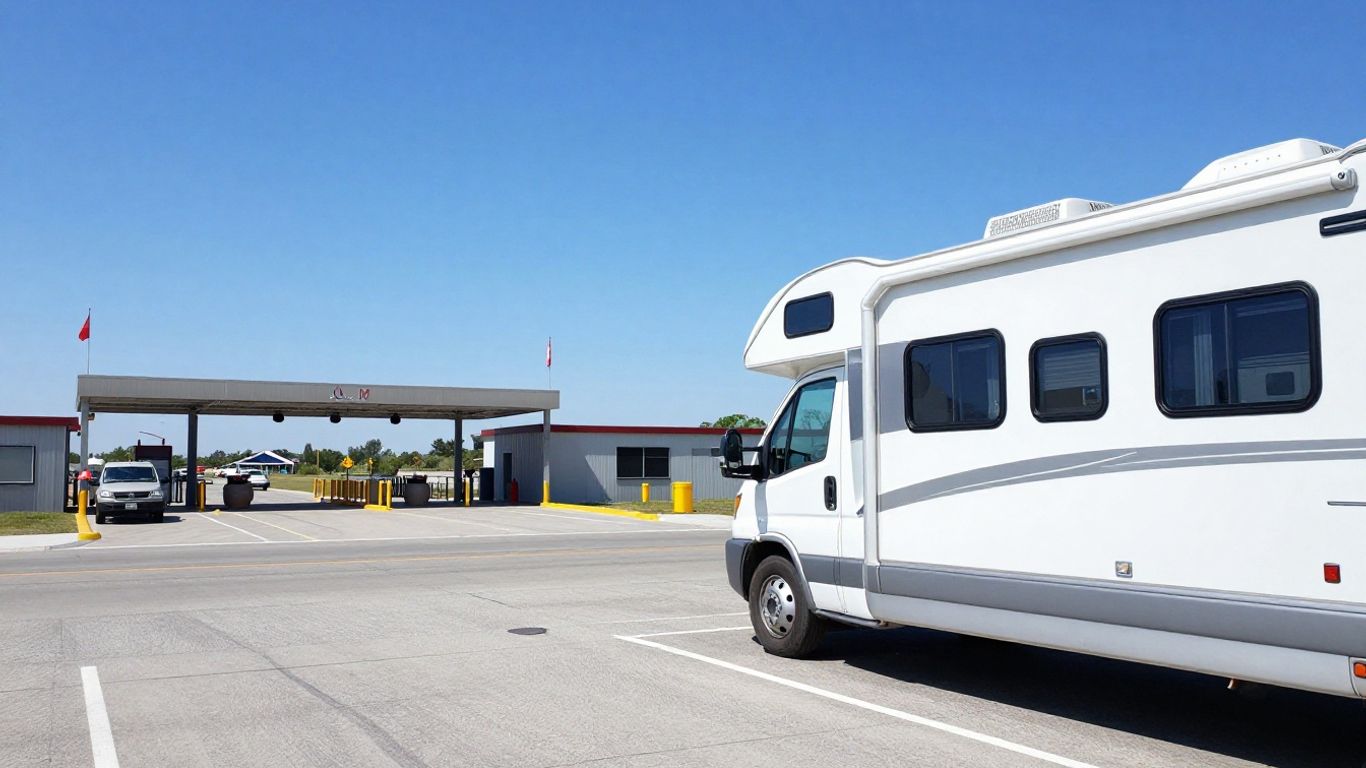
Alright, so you’re planning to take your rented RV across the border from Canada to the US, or maybe the other way around. It’s not super complicated, but you definitely need to know what the border folks are looking for and what you can and can’t bring. Think of it like this: you’re entering a new neighborhood, and they have their own rules.
Prohibited and Restricted Items
This is a big one. Both Canada and the US have lists of things you absolutely cannot bring across the border. It’s mostly common sense stuff, but some things might surprise you. For instance, fresh fruits and vegetables are often a no-go, and for good reason – they don’t want to introduce pests or diseases into their agricultural systems. It’s a good idea to clear out your fridge and pantry before you get too close to the border. Seriously, check the official government websites for both countries before you go. It’s way easier to toss something in the trash at a rest stop than to have it confiscated or, worse, get a fine.
Here’s a general idea of what to watch out for:
- Food Items: Many fresh fruits, vegetables, meats, and dairy products are restricted. Always declare food items.
- Plants and Animals: Strict rules apply to bringing plants, pets, and other animals across. Check specific requirements for pets well in advance.
- Alcohol and Tobacco: There are limits on how much you can bring, and you’ll need to be of legal age in the destination country.
- Firearms and Ammunition: This is a really sensitive area. More on that next.
Understanding Weapon Laws
This is where things can get tricky, and you really don’t want to mess this up. Weapon laws differ significantly between Canada and the US, and even between states within the US. Bringing a firearm into Canada that is legal in the US could land you in serious trouble. Generally, most handguns are prohibited in Canada, and even certain types of rifles and shotguns have restrictions. If you own a firearm and are considering bringing it, you absolutely must research the specific laws of the country you’re entering before you even think about packing it. Most RV rental companies also have strict policies against firearms being transported in their vehicles, so double-check your rental agreement. It’s often best to leave any firearms at home.
Declaration Procedures at the Border
When you pull up to the border crossing, the agents are there to do a job, and being polite and honest goes a long way. Make sure all your windows are down and any blinds are open so they can see inside your RV easily. Turn off the radio, take off your sunglasses, and be ready to answer their questions directly. They’ll likely ask about your citizenship, where you’re coming from, where you’re going, and what you’re bringing with you. It’s important to declare everything they ask about, especially food, alcohol, or anything that might be questionable. Don’t try to hide anything; it’s not worth the hassle. They might inspect your RV, and that’s just part of the process. Just be patient and cooperative. They’re just doing their job to keep things safe and legal for everyone.
Planning Your Cross-Border RV Adventure
Thinking about taking your rented RV from Canada into the US, or vice versa? It’s totally doable, but you’ve got to do a little homework first. It’s not like just hopping in your car; there are specific things to consider to make sure your trip goes off without a hitch.
Researching Border Wait Times
Nobody likes being stuck in traffic, especially when you’re eager to start your adventure. Checking border wait times before you head out can save you a lot of frustration. Websites and apps dedicated to border crossings often provide real-time updates. Knowing when to cross can make a huge difference in your travel day. Sometimes, just shifting your departure by a few hours can mean sailing through with minimal delay.
Advance Booking for Peace of Mind
When you’re planning a trip that involves crossing international borders in a rental RV, booking well in advance is a smart move. This gives you the best chance of securing the RV you want, especially if you have specific needs or are traveling during peak season. Plus, it allows rental companies enough time to process any necessary paperwork or authorizations for cross-border travel. It’s also a good idea to confirm with the rental company that they allow their vehicles to cross the border you intend to visit.
Choosing Your RV Rental Provider
Not all RV rental companies are created equal when it comes to cross-border travel. Some might have restrictions or charge extra fees for taking their vehicles into another country. It’s really important to talk to potential rental companies upfront about your plans. Ask them directly: "Can I take this RV into the US/Canada?" and "Are there any extra costs involved?" Getting this information upfront will prevent any surprises at the rental counter or, worse, at the border.
When you’re planning an RV trip that crosses borders, remember that the rules can be different for each rental company. Some might be perfectly fine with it, while others might have strict policies against it. Always, always check the fine print and talk to them directly before you book anything. It’s better to be safe than sorry and have your trip plans go sideways because of a misunderstanding about the rental agreement.
One-Way RV Rentals Between Canada and the US
The Convenience of One-Way Rentals
Thinking about an RV trip that doesn’t end where it started? A one-way rental can be a game-changer. It means you can pick up your RV in, say, Vancouver and drop it off in sunny San Diego, without ever having to backtrack. This is super handy if you’re moving, want to explore a new region without the hassle of a round trip, or maybe you’re flying into one city and want to drive to another to catch your flight home. It really opens up your travel possibilities.
How to Book a One-Way RV Trip
Booking a one-way RV trip isn’t quite as simple as clicking a button online, at least not with most major companies. You’ll usually need to call their reservation team directly. They have to check a few things to make sure they can accommodate your specific route. It’s all about managing their fleet and making sure vehicles end up where they need to be. So, be prepared to chat with someone and explain your pickup and drop-off plans.
Here’s a general idea of the process:
- Call Ahead: Reach out to the rental company’s booking line.
- Specify Your Route: Clearly state your desired pickup location and your intended drop-off location.
- Get Approval: The company will review your request based on vehicle availability and fleet management needs.
- Receive Confirmation: If approved, you’ll likely get an approval code or specific booking instructions.
Factors Affecting Route Approval
Rental companies have to consider a few things before they can say yes to a one-way route. It’s not just about whether they have an RV available; it’s about logistics. They look at where their vehicles are currently located, where they need to be, and the overall demand for rentals in different areas. Sometimes, a specific route might not be possible, but they might suggest an alternative or a different type of RV. It’s always best to ask early, especially if you have a particular path in mind.
Remember, one-way rentals are often in high demand, particularly during popular travel seasons. Booking well in advance is your best bet to secure your preferred dates and route. Don’t wait until the last minute if you want the best options!
Maximizing Your Cross-Border RV Experience
So, you’ve got your RV, your documents are in order, and you’re ready to hit the road between Canada and the US. That’s awesome! But how do you make sure this trip is more than just a drive? It’s all about planning those routes and knowing what makes a trip truly memorable.
Popular Cross-Border RV Routes
There are some classic drives that people love for a reason. Think about heading west from Vancouver, British Columbia, through the Canadian Rockies and into Alberta, then crossing south into Montana. It’s stunning.
Or, maybe you’re starting in the East. Driving from Quebec or Ontario down into New England offers a totally different vibe, with historic towns and coastal scenery. It’s a great way to see a lot without covering too much ground.
Here are a few ideas to get you thinking:
- Pacific Coast Highway Extension: Start in Seattle, Washington, and head north into British Columbia, exploring Vancouver Island before returning south. Or, go south from Vancouver into Washington and Oregon.
- Rocky Mountain Traverse: Begin in Calgary, Alberta, drive south into Montana, and explore Glacier National Park, then continue south through Wyoming and Colorado.
- Northeastern Charm: Explore the Maritimes in Canada and then drive south into Maine and New Hampshire, enjoying the coastline and forests.
Tips for a Smooth Journey
Making sure your trip goes off without a hitch really comes down to a few key things. First off, always be honest with border agents; it’s the simplest way to avoid problems. They’ve seen it all, so just answer their questions clearly and directly.
- Pack Smart: Know what you can and can’t bring across the border. Things like fresh produce can be a problem. Check the official government sites before you pack.
- Stay Connected: Make sure your phone plan works in both countries. Having GPS and being able to look up information on the go is super helpful.
- RV Prep: Before you even get to the border, make sure your RV is clean and tidy. Open the blinds and windows so the agent can see inside easily. Turn off the radio and put your phone away for a bit.
Crossing borders can feel a bit intimidating, but remember that border agents are just doing their job. Being prepared, knowing the rules, and staying calm makes a huge difference. It’s about showing respect for their role and the laws of both countries.
Leveraging Rental Locations
If you’re thinking about a one-way trip, where you pick up and drop off your RV really matters. Companies often have depots in major cities and popular tourist spots. This means you can often find convenient starting and ending points for your adventure. For example, if you’re flying into a major hub like Toronto or Seattle, you can usually pick up an RV there. Then, you might drop it off in a city further south or west, like Los Angeles or Denver, depending on your plans. This flexibility is a big plus for one-way motorhome rentals in Canada if you want to avoid backtracking. Just be aware that one-way rentals often come with extra fees to cover getting the RV back to its original location, so factor that into your budget.
Key Considerations for Your RV Rental Canada Cross Border US Journey
So, you’re thinking about taking your rented RV from Canada down into the States, or maybe the other way around? It’s totally doable, but there are a few things you really need to get sorted before you even think about hitting the road. It’s not just about having your passport; there’s more to it.
Insurance and Registration for International Travel
First off, let’s talk insurance. Your rental company will have specific rules about cross-border travel, and you absolutely need to confirm that your rental agreement covers you for the US. Sometimes, you might need to purchase additional coverage. Don’t assume your standard policy is enough. Also, make sure you have all the vehicle’s registration documents handy. These are usually provided by the rental company, but double-checking you have them and they’re up-to-date is a smart move.
Communication and Technology at the Border
When you pull up to the border, things can get a little intense. It’s a good idea to have your phone ready, but maybe not actively using it. Turn off the radio, put your phone on airplane mode if you can, and definitely take off your sunglasses. The border agents need to see you clearly. Having your rental agreement, passport, and any other required documents easily accessible will make the process smoother. Think of it like preparing for a job interview – you want to be ready and presentable.
Honesty and Preparedness with Border Agents
This is probably the most important part. Be honest. Seriously. If they ask you something, answer it directly. Don’t try to be funny or evasive. They’ve seen it all, and honesty goes a long way. Have a clear idea of your travel plans – where you’re going, how long you’ll be there, and where you’re staying. If you’ve got anything that might be questionable, like certain foods or items, it’s best to declare them or, even better, leave them behind if they’re restricted. Being prepared and truthful makes everyone’s life easier, including yours.
So, Can You Actually Do It?
Alright, so you’re thinking about taking your RV from Canada down to the States, or maybe the other way around. Good news! It’s totally doable. The borders are open, and people do this all the time. The biggest thing is just being prepared. Make sure you’ve got all your paperwork sorted – passports, driver’s licenses, registration, insurance, and especially if you’re renting, that written permission to cross. Also, know the rules about what you can and can’t bring across, like certain foods or items that might be considered weapons. A little bit of research beforehand goes a long way, and honestly, it makes the whole trip way less stressful. So yeah, pack your bags, get your RV ready, and hit the road!
Frequently Asked Questions
Can I really drive my rented RV from Canada to the U.S.?
Yes, you absolutely can! The borders between Canada and the U.S. are open for RV travel. Just make sure you have all your paperwork in order and know the rules for crossing.
What documents do I need to cross the border in a rental RV?
You’ll need a valid passport for everyone traveling, your driver’s license, the RV’s rental agreement, proof of insurance, and written permission from the rental company to take the RV out of the country. It’s also smart to have health information handy, especially if you’re traveling with pets.
Are there special rules for bringing things across the border in an RV?
Definitely. Both countries have rules about what you can bring in. Things like certain foods, plants, animals, and weapons are often restricted or forbidden. It’s best to check the official government websites for both Canada and the U.S. before you go and get rid of anything questionable before you reach the border.
Do I need to tell the rental company I’m going to the U.S.?
Yes, it’s super important! You’ll need written permission from the rental company to cross the border. Some companies might charge extra fees for international trips or have specific rules you need to follow.
What if I want to drop off the RV in a different city or country?
That’s called a one-way rental. It’s possible, but you usually have to arrange it ahead of time and get special approval. Rental companies need to make sure they can manage moving the RV. Some routes might be easier to approve than others.
How can I make crossing the border smoother?
Be prepared! Have all your documents ready, keep your RV tidy and visible (open blinds!), turn off the radio, put your phone away, and be ready to answer the border agent’s questions clearly and honestly. Knowing the wait times ahead of time can also help.
What about insurance for my cross-border RV trip?
Your rental agreement should include insurance information. Double-check with the rental company to make sure your coverage is valid in both Canada and the U.S. for the duration of your trip.
Are there any hidden costs for driving an RV across the border?
There might be. Some rental companies charge extra fees for international travel or one-way drop-offs. Also, be aware of potential customs duties or taxes if you’re bringing certain items into the country. Always ask the rental company about all possible charges.