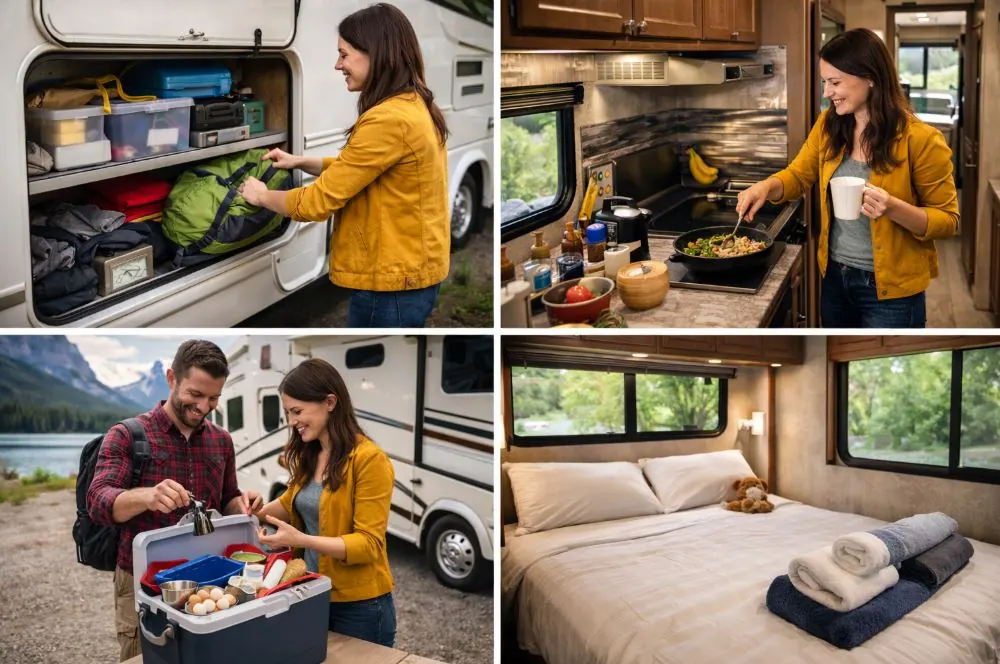
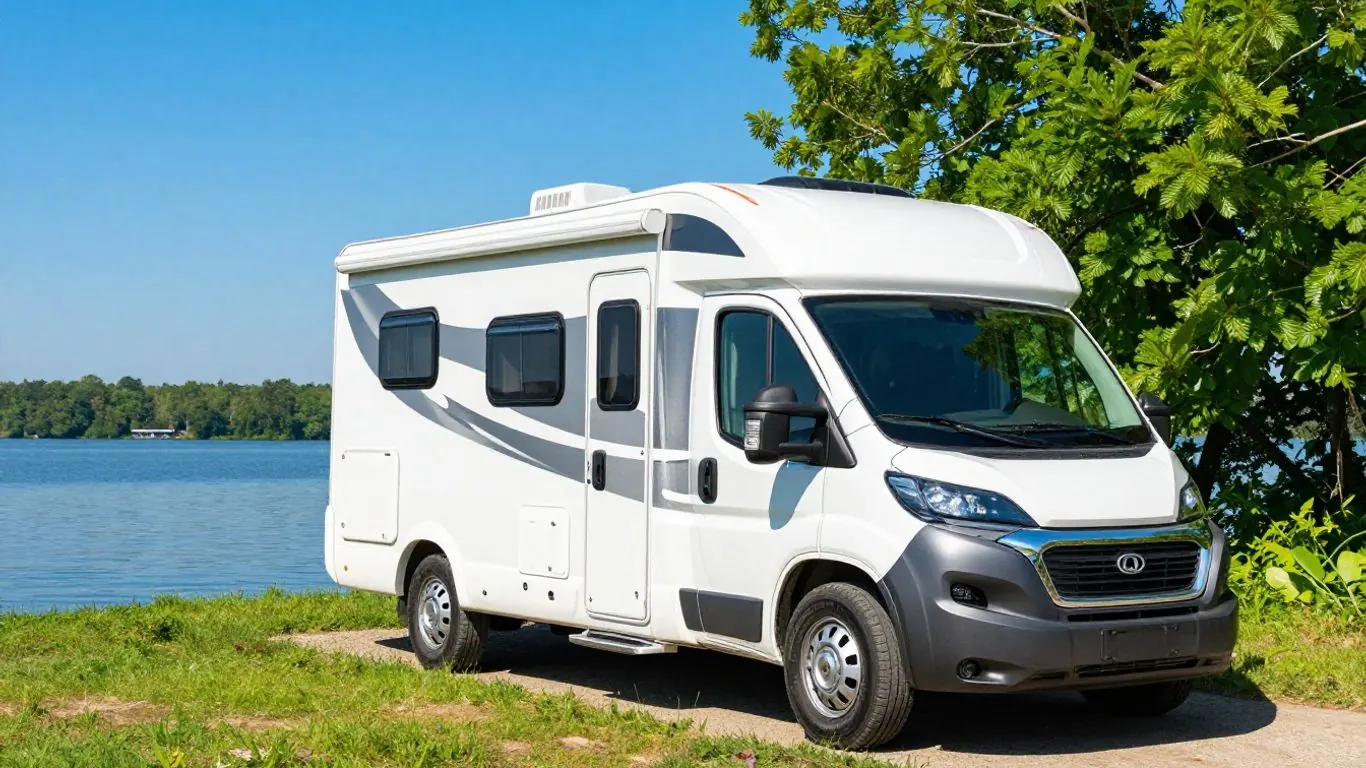
Thinking about renting a motorhome in Canada for a one-way trip?
Key Takeaways
One-way rentals are great for efficiency, saving travel time and allowing more time for sightseeing, making them ideal for cross-country trips or when you have limited vacation days.
Understanding One-Way Motorhome Rental Fees
So, you’re thinking about a one-way motorhome trip? That means picking up your rolling home in one city and leaving it in another. It’s a great way to see a lot without having to backtrack.
The Impact of Drop-Off Charges
When you choose a one-way rental, the company has to get that motorhome back to its original location. Sometimes they’re a few hundred dollars, other times they can creep up to $700 or more. It really depends on how far apart your pickup and drop-off spots are and how many motorhomes are already sitting in the area you’re leaving it.
Mileage and Fuel Considerations
With a one-way trip, you’re generally driving in one direction, which can be a big money-saver compared to a round trip. You’re not doubling back over the same roads. This means less mileage on the odometer and, consequently, less money spent on fuel.
Comparing One-Way vs. Round-Trip Costs
Let’s break it down. That means more fuel, more potential mileage charges, and more nights spent in campgrounds if you’re covering a lot of distance. It really comes down to your specific route and how much ground you plan to cover.
Factors Influencing One-Way Motorhome Rental Pricing
So, you’re thinking about a one-way motorhome trip. Cool! It’s not just random.
Distance Between Pickup and Drop-Off Locations
This one’s pretty straightforward. The further apart your starting point and your final destination are, the more the rental company will likely charge. Think about it: they have to get that big vehicle back to its original spot, or at least to a location where it’s needed.
Demand and Availability of Motorhomes
If you’re picking up a motorhome in a popular city during a busy time, and everyone else wants one too, you’ll probably pay more. Rental companies also have to think about balancing their fleet. If too many RVs end up in one place and not enough in another, it messes with their whole system. So, they might charge more for a one-way rental to encourage people to drop off vehicles in less popular spots.
Seasonal Variations in Rental Costs
When you plan to travel makes a big difference. Everyone wants to be out on the road, hitting national parks and enjoying the good weather.
It’s a complex calculation involving logistics, market demand, and the time of year. Companies factor in the expense of repositioning vehicles, managing their fleet across different locations, and meeting the seasonal surge in traveler interest.
Here’s a quick look at how these factors can stack up:
Demand: Popular pickup locations and times of year see increased pricing.
Seasonality: Summer travel is generally more expensive than spring or fall travel.
Logistical Considerations for One-Way Rentals
When you’re planning a one-way motorhome trip, there’s more to think about than just the scenic route.
The Cost of Returning Vehicles to Original Hubs
Think about it from the rental company’s perspective. They have a fleet of vehicles, and they need them to be in the right places at the right times. If a lot of people pick up in City X and drop off in City Y, the company ends up with a surplus of motorhomes in City Y and a shortage in City X. To fix this imbalance, they have to get those vehicles back to their original hubs. This often involves:
Downtime: A vehicle being driven back to its home base isn’t earning rental income. This lost revenue is another factor they consider.
Maintenance: The extra mileage and wear-and-tear from repositioning also contribute to maintenance expenses.
The core challenge for rental companies with one-way rentals is managing their fleet’s geographical distribution.
Impact on Fleet Balance and Availability
This brings us to fleet balance. If a particular route is very popular for one-way rentals (say, Vancouver to Calgary), the company might have many motorhomes ending up in Calgary. This means fewer options might be available for people wanting to start their trip in Calgary, or they might have to charge more to compensate for the imbalance. It’s all about supply and demand, but with a physical asset that needs to be moved.
Driver and Transportation Expenses
These can include:
Driver wages: If the company needs to hire drivers to move vehicles, those wages are a direct expense.
Logistics management: There’s an administrative overhead involved in tracking vehicles, coordinating moves, and managing the fleet across different locations.
Popular One-Way Motorhome Routes in Canada
Canada is huge, and sometimes you just want to see one coast without having to drive all the way back. That’s where one-way motorhome rentals really shine. They let you explore without the pressure of returning the vehicle to where you started. While you can technically drive a motorhome from anywhere to anywhere, some routes are just more popular, and for good reason. These routes often take you through some of the most breathtaking scenery Canada has to offer.
Vancouver to Calgary Through the Rockies
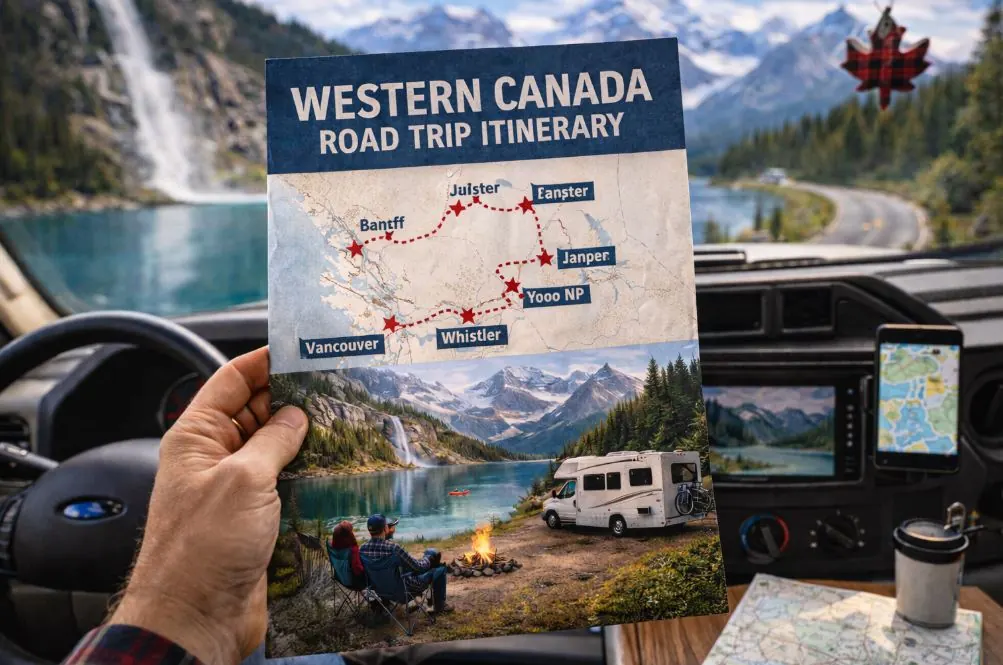
This is a classic for a reason. You pick up your motorhome in Vancouver, British Columbia, and drive east towards Calgary, Alberta. The main draw here is the journey through the Canadian Rockies. We’re talking about Jasper and Banff National Parks, with their turquoise lakes, towering mountains, and abundant wildlife. You’ll be driving on the Trans-Canada Highway for a good chunk of it, which is well-maintained, but be prepared for mountain passes and potentially changing weather, even in summer.
Must-see stops: Whistler, Kamloops, Revelstoke, Banff, Lake Louise, Canmore.
Wildlife spotting: Elk, deer, bears, bighorn sheep are common.
Activities: Hiking, scenic drives, photography, visiting hot springs.
This route is incredibly popular, so expect other travelers, especially during peak season. Booking campsites in advance is a really good idea if you plan on staying in or near the national parks.
Toronto to Halifax Cross-Country Journey
This trip takes you from the bustling heart of Ontario all the way to the charming Maritimes in Nova Scotia. It’s a long haul, covering thousands of kilometers and showcasing a huge variety of Canadian landscapes – from the Great Lakes region, through Quebec and the Maritimes. It’s a great way to see a different side of Canada, focusing on history, culture, and coastal beauty. You’ll want at least two weeks, ideally more, to do this one justice. The roads are generally good, but it’s a lot of driving, so plan your overnight stops wisely.
Key provinces crossed: Ontario, Quebec, New Brunswick, Nova Scotia.
Cultural highlights: Historic sites in Quebec City, maritime culture in PEI and Nova Scotia.
Scenery: Forests, lakes, rolling hills, and eventually, the Atlantic coast.
Montreal to Vancouver Epic Voyage

This is the ultimate Canadian road trip, spanning the entire country from east to west. Picking up in Montreal, Quebec, and dropping off in Vancouver, British Columbia, you’re looking at roughly 4,500 kilometers (about 2,800 miles) of driving. This journey takes you through diverse terrains, from the Canadian Shield and prairies to the majestic Rockies and the Pacific coast. This route demands significant time, typically a minimum of three weeks, to truly appreciate the vastness and variety of Canada. It’s an adventure that requires careful planning regarding fuel stops, accommodations, and the sheer amount of driving each day.
Major cities passed: Ottawa, Sudbury, Winnipeg, Calgary, Edmonton (depending on route choice).
Landscape diversity: Prairies, mountains, forests, and coastal regions.
Logistical challenge: Requires extensive planning for fuel, food, and overnight stays across multiple time zones.
Booking in Advance for Better Rates
Planning ahead is your best friend when it comes to snagging a good deal on a one-way motorhome rental. Think of it like airline tickets; waiting until the last minute usually means paying more. Seriously, give yourself plenty of lead time, especially if you’re eyeing a popular route or traveling during a busy season. It’s not uncommon for companies to offer significant discounts for bookings made six months or more in advance. This also gives you a better chance of securing the specific type of motorhome you want, which is a nice bonus.
Exploring Relocation Deals and Specials
" Sometimes, companies need to move their vehicles from one location to another to balance their fleet. These deals pop up unexpectedly, so it’s worth checking the companies’ websites regularly or signing up for their email newsletters. You might find an amazing opportunity to travel a route you hadn’t even considered, all while saving a bundle.
Traveling During Off-Peak Seasons
Traveling during the shoulder seasons (spring and fall) or the off-peak winter months can lead to substantial savings on one-way rentals.
It’s always worth asking about any current specials when you’re getting a quote.
The Value of Time Efficiency in One-Way Rentals
When you’re planning an RV trip, especially a long one, time is a big deal. You’ve probably got limited vacation days, and you want to make the most of them. This is where one-way motorhome rentals really shine. They let you focus on the journey itself, not the backtrack.
Think about it: instead of spending days driving back to where you started, you just keep going forward. This means more time for sightseeing, exploring new places, and actually relaxing. You’re not burning precious hours on the road just to return the vehicle.
Maximizing Sightseeing Opportunities
With a one-way rental, your entire trip is about moving forward. You can plan a route that hits all the spots you’ve dreamed of seeing without worrying about the mileage clock ticking backward. This allows for a more relaxed pace, letting you linger longer at attractions or discover hidden gems along the way. It’s about experiencing more and rushing less.
Reducing Travel Time and Expenses
Cutting out the return journey significantly cuts down on travel time. If you’re flying home from your destination, you’re essentially trading driving time for flight time, which can be a huge time saver for cross-country adventures. You can find great deals on campervan rentals in Canada if you plan ahead.
Flexibility for Limited-Time Travelers
For folks who can only take a short amount of time off work, a one-way rental is a game-changer. It makes ambitious trips, like a coast-to-coast journey, actually feasible within a limited timeframe. You get to experience a significant portion of the country without needing weeks and weeks for the round trip.
Here’s a quick look at how time efficiency breaks down:
One-Way: Drive from Point A to Point B. Maximize time at destinations. Fly home from Point B.
Round-Trip: Drive from Point A to Point B, then drive back from Point B to Point A. Significant time spent on return travel.
One-way rentals are designed for point-to-point travel, making them ideal for linear routes where returning to your starting point would add unnecessary time and expense. This efficiency is key for travelers who want to cover a lot of ground and see diverse landscapes without the burden of doubling back.
When a One-Way Motorhome Rental Makes Sense
So, you’re thinking about a motorhome trip, but the idea of driving all the way back to where you started feels like a drag? That’s where a one-way rental really shines. It’s all about point-to-point travel, letting you pick up in one city and drop off in another. This setup is perfect for certain kinds of adventures.
Ideal for Cross-Country Adventures
If you’ve got a big trip planned, like driving from one coast to the other, a one-way rental just makes sense. Why spend precious vacation days backtracking when you can use that time to see more? You can fly into your starting city, grab your motorhome, and drive all the way to your final destination, then hop on a plane home. It cuts down on travel time significantly.
Suitable for Relocation Trips
Moving to a new city and want to bring your home with you? A one-way motorhome rental can be a fantastic way to do it. You can drive your new home to your new city, drop off the rental, and settle in. It beats paying for a separate moving truck and potentially a flight.
Beneficial for Linear Exploration
Sometimes, the best trips follow a line. Think about driving a famous scenic route, like a stretch of historic highway or a path through a mountain range. A one-way rental lets you focus on the journey forward without the obligation of returning to your starting point.
The key benefit here is efficiency. You’re dedicating your travel time to moving forward and experiencing new places, rather than spending time and money on a return journey. This can free up more of your vacation for actual sightseeing and relaxation.
Here’s a quick look at when a one-way rental really pays off:
Cross-country trips: Covering vast distances without the need to return.
Moving: Driving your belongings and yourself to a new home.
Specific routes: Following a linear path, like a coast-to-coast drive or a famous byway.
Limited time: When you can only take a set amount of time off work and need to maximize every moment.
While round-trip rentals are great for loops and local explorations, the one-way option is designed for forward momentum and reaching a distinct end goal.
Additional Costs Beyond the Base Rental Rate
These can add up quickly if you’re not prepared, so it’s important to know what to look for before you hit the road.
Understanding Transparent Pricing
Make sure to look out for:
Mileage overage charges
Additional driver charges
Potential Fees Not Included in the Quote
Sometimes, the quote you receive might not include everything. Ask about the following to avoid surprise charges:
Insurance and roadside assistance add-ons.
Planning for Unexpected Expenses
Toll roads or ferry crossings not listed in your itinerary
Keep a little buffer in your budget for random expenses—something almost always pops up on the road.
Taking the time to read all parts of your rental agreement, and asking questions about anything unclear, can help keep your trip affordable and hassle-free. The best trips are the ones with the fewest financial surprises.
Comparing One-Way vs. Round-Trip Motorhome Rentals
So, you’re thinking about renting a motorhome, but you’re stuck on whether to go one-way or round-trip. Let’s break it down.
Flexibility and Route Planning Differences
With a round-trip rental, you pick up the motorhome and bring it back to the same spot. You’ve got more freedom to change your mind mid-trip, too. If you discover a cool spot you want to linger in, you can. You just have to make sure you eventually get back to where you started.
One-way rentals, on the other hand, are all about point-to-point travel. You pick it up in City A and drop it off in City B. This is perfect for cross-country adventures or if you’re moving and want to drive your home with you. The trade-off is that your route is pretty much set. You can’t just decide to loop back; you have to end up at your designated drop-off location. This means you need to plan your route more carefully from the get-go.
Cost Implications of Each Rental Type
This is where things can get interesting.
It really depends on how far you’re going and how long you plan to be on the road.
Here’s a quick look:
Time Efficiency for Different Travel Styles
If you’re short on time, a one-way rental can be a lifesaver. Imagine flying into Vancouver and driving a motorhome to Calgary. You spend your vacation time exploring the Rockies, and then you just fly home from Calgary. You’ve saved days of driving back to Vancouver. This is ideal for people who have limited vacation days and want to maximize their sightseeing.
Round-trip rentals are better if you have more time or if your goal is a more relaxed, meandering trip without a strict endpoint. You can take your time, explore local spots, and not feel rushed to reach a specific drop-off point. It’s less about covering ground and more about the journey itself, starting and ending at your home base.
The choice between a one-way and round-trip motorhome rental boils down to your priorities: are you focused on covering distance efficiently and ending somewhere new, or do you prefer the flexibility of a loop and returning to your starting point?
Ultimately, the best choice depends on your specific trip goals, your available time, and your budget. Think about where you want to end up and how much time you have, and that will usually point you in the right direction.
Motorhome Rental Canada One Way Fees Explained
So, you’re thinking about a one-way motorhome trip across Canada, huh? That’s awesome! They can sometimes catch people by surprise, and understanding them is key to budgeting your adventure.
Geographical Impact on Fees Across Canada
Canada is huge, right? Like, really, really big. Rental companies have to figure out how to get that vehicle back to its original location, and covering those vast distances isn’t cheap. Think about it: they might need to pay a driver to bring it back, or arrange other transport.
Peak Season Surcharges for One-Way Rentals
Just like with flights or hotels, motorhome rentals get pricier when everyone wants one. During this peak season, demand is super high, and companies often have fewer vehicles available for one-way trips. To manage their fleet and meet demand, they’ll often add surcharges to one-way rentals.
Understanding the Logistics of Canadian One-Way Trips
Rental companies aim to keep their motorhomes spread out evenly across their various locations. When a lot of people take one-way trips, it can leave some locations with too many vehicles and others with too few. It’s all about supply and demand, really. Sometimes, you might even find a deal if you’re willing to take a motorhome from a location that has too many and drive it to where they need more. It’s worth asking about!
It’s a complex mix of getting the vehicle back to its home base, how many people want to rent at that specific time, and how the rental company manages its entire fleet across the country.
Wrapping It Up
Think about where you’re dropping it off, how far you’re actually going, and when you’re traveling. Happy trails!
What exactly is a one-way RV rental?
A one-way RV rental means you pick up the vehicle in one city and drop it off in a completely different one. Think of it like a road trip where you don’t have to drive all the way back home.
Are one-way RV rentals usually more expensive?
Sometimes they can be, mainly because the rental company has to figure out how to get the RV back to its original location.
What are drop-off fees’?
The amount can change based on how far apart the cities are and how many RVs are needed at the drop-off spot.
How can I save money on a one-way RV rental?
Also, look out for special deals where companies need to move RVs, or consider traveling when fewer people are renting, like during the spring or fall.
Why would someone choose a one-way rental over a round trip?
One-way rentals are great for long trips where you want to see new places without backtracking. You save time and fuel because you’re only driving in one direction. It’s perfect for cross-country adventures or if you’re moving to a new city.
Does the distance between pickup and drop-off affect the cost?
Yes, definitely.
What’s the difference in fuel and mileage costs between one-way and round-trip?
With a round-trip, you’ll drive the same route twice, so you’ll pay for double the miles and fuel. A one-way trip means you only pay for the miles driven in one direction, which usually means less spent on gas and less wear and tear on the RV.
Use a current quote sheet
When comparing one-way quotes, check whether the one-way fee is shown separately or built into the daily rate, and whether the mileage allowance covers the full distance between the two depots.
Use this guide for trip ideas, not a current quotation or a guarantee of access, safety, inclusions or availability. Confirm the requirements and conditions for your dates, destination and provider before booking.