

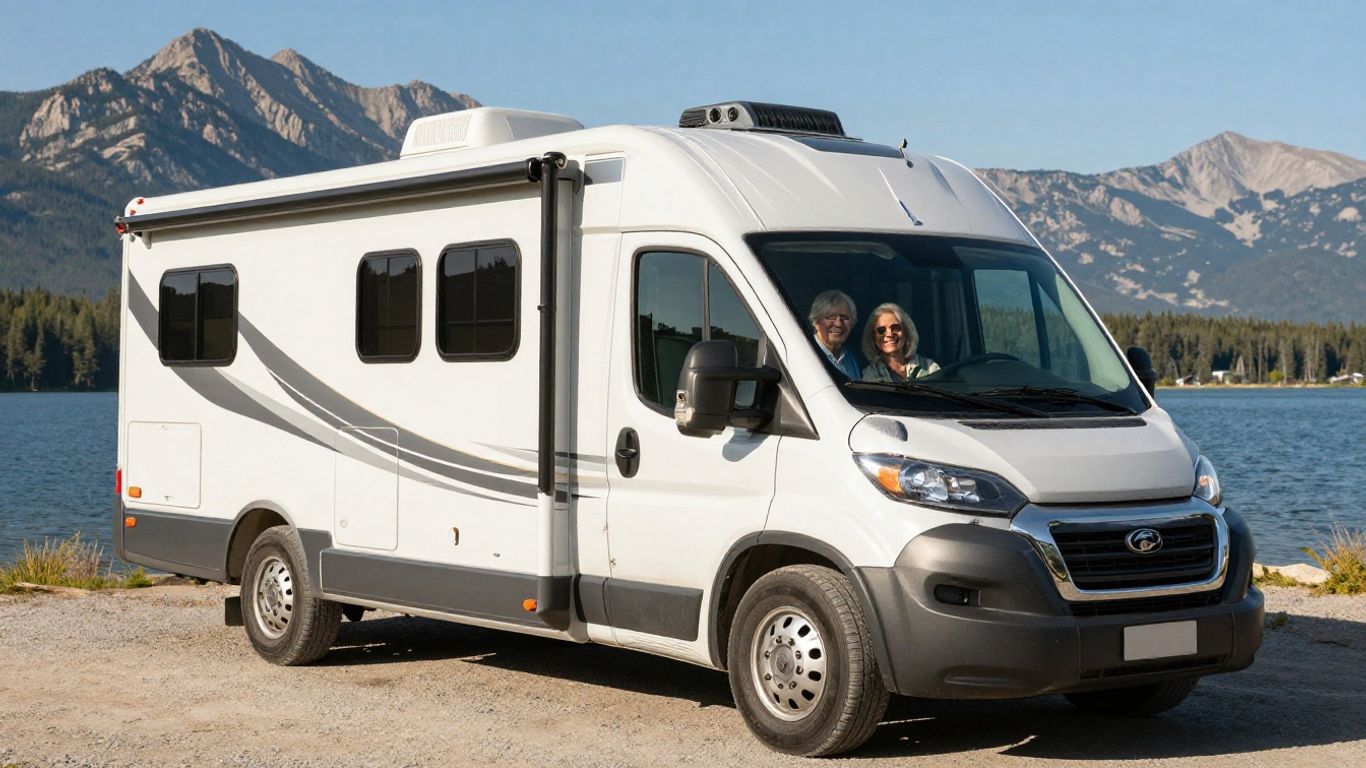
Thinking about an RV trip in Canada, especially if you’re a senior? It’s a fantastic way to see the country at your own pace. But like any trip, especially one involving a big vehicle, a little planning goes a long way. We’re talking about making sure your ride is comfy, safe, and just right for you. This guide is here to help you figure out the best way to enjoy your Canadian adventure on wheels, whether you’re looking at an rv rental canada for seniors or planning to buy. Let’s get you ready for the open road!
Key Takeaways
- When picking an RV, think about ease of movement inside. Wider paths and easy-to-reach controls make a big difference. Renting an RV in Canada for seniors means you can test different models to see what works best.
- Safety first! Adding grab bars, non-slip surfaces, and maybe a raised toilet seat can make a huge difference in preventing falls and making daily routines smoother.
- Driving an RV is different from a car. Motorhomes are often easier to handle and get into than trailers, which is a plus for seniors.
- Plan your stops. Look for campgrounds or rest areas that are easy to access and offer amenities you might need. Don’t forget to schedule in downtime; it’s a vacation, after all!
- Stay connected and prepared. Make sure you have a plan for medications, know how to contact help if needed, and consider a roadside assistance program for peace of mind.
Choosing the Right RV for Senior Travel
Understanding Senior Mobility Needs
When you’re thinking about hitting the road in an RV, especially as a senior, the first thing to really consider is how you’ll get around inside. It’s not just about having enough space to walk; it’s about making sure you can do so safely and without too much effort. Think about things like the height of steps to get in and out, the width of doorways, and how much room there is to move between furniture. If you use a walker or a cane, or even a mobility scooter, you’ll need to be extra mindful of this. Some RVs have much tighter layouts than others, and what might seem fine for a quick look at a dealership could feel pretty cramped after a few days. It’s really about making the RV feel like a comfortable home, not a challenge to navigate.
Renting vs. Purchasing an RV
Deciding whether to rent or buy an RV is a big question for anyone, but it’s especially important for seniors exploring this lifestyle. Renting is a fantastic way to test the waters. You can try out different types of RVs – maybe a smaller Class C motorhome for a weekend trip, or a larger Class A for a longer journey. This lets you see what kind of layout you prefer, how easy it is to drive, and what amenities you actually use before committing a lot of money. Plus, if you’re only planning a few trips a year, renting can be more cost-effective than dealing with storage, maintenance, and insurance for a vehicle that sits idle most of the time.
- Renting:
- Great for trying before buying.
- Less commitment and lower upfront cost.
- Access to different models and sizes.
- Maintenance and repairs are usually covered by the rental company.
- Purchasing:
- Ideal for frequent, long-term travelers.
- Allows for customization and personal touches.
- Can be more cost-effective over many years of use.
- Requires ongoing costs for maintenance, insurance, and storage.
Key Amenities for Comfort and Convenience
Once you’ve got a handle on the space and whether to rent or buy, let’s talk about what makes an RV truly comfortable for seniors. Think about the little things that make a big difference. A well-designed kitchen is a must, with countertops that are easy to reach and appliances that are simple to operate. For the bathroom, consider grab bars, a shower seat, and maybe even a slightly raised toilet seat. And don’t forget the bed – a comfortable mattress that’s easy to get in and out of is non-negotiable. Some RVs come with features like power leveling jacks, which make setting up camp much easier, or even built-in Wi-Fi, which can be a lifesaver for staying connected.
Making sure your RV is set up with your comfort and ease in mind from the start can prevent a lot of frustration down the road. It’s about creating a space where you can relax and enjoy your travels, not worry about everyday tasks.
Here are some amenities to look for:
- Entry/Exit: Low steps, wide doors, and consider if a ramp or lift might be needed.
- Kitchen: Accessible counter space, easy-to-reach cabinets, and simple appliance controls.
- Bathroom: Grab bars, non-slip flooring, walk-in shower or shower with a seat, and comfortable toilet height.
- Sleeping Area: Comfortable mattress, easy access to the bed from both sides, and adequate space around it.
- Living Area: Comfortable seating, good lighting, and easy access to controls and entertainment.
Essential Safety Modifications for RVs
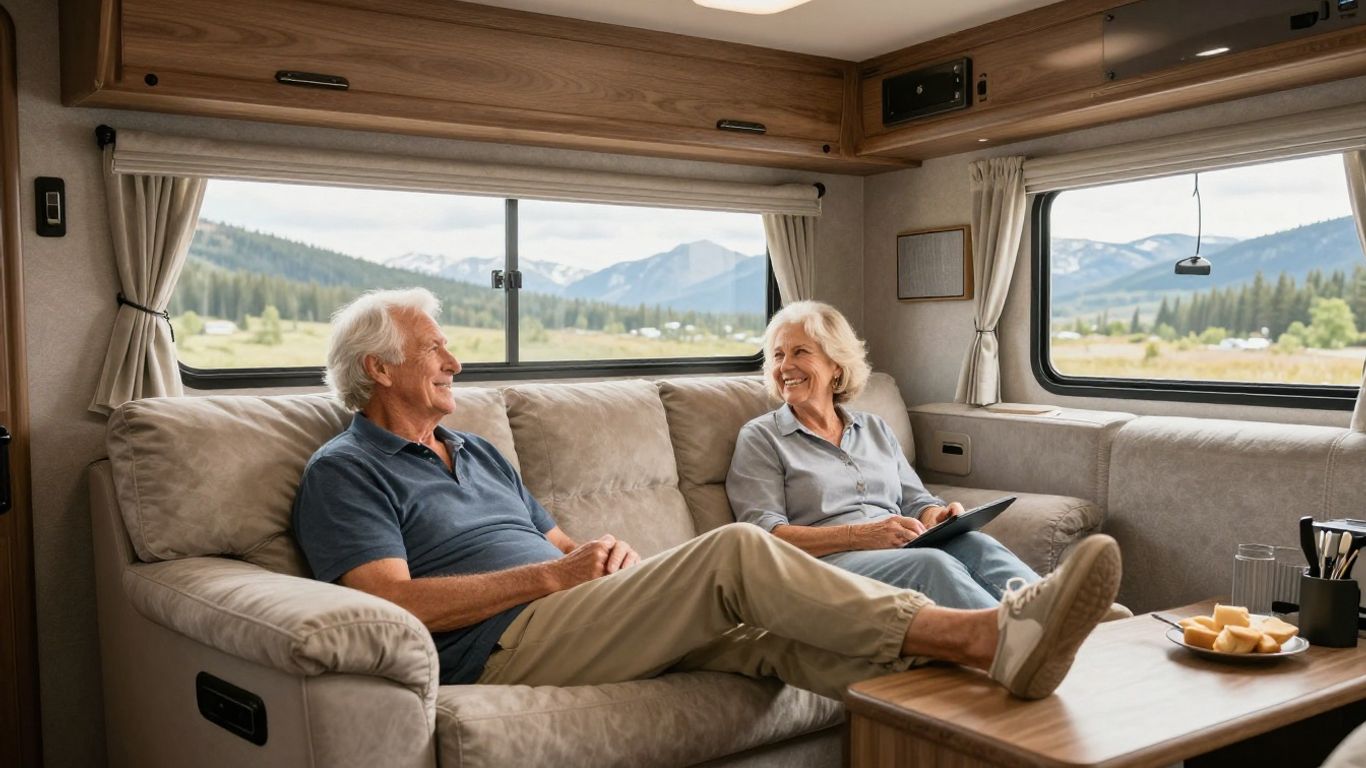
Making sure your RV is safe and easy to use is a big deal, especially when you’re traveling in your golden years. It’s not just about having a place to sleep; it’s about feeling secure and comfortable every step of the way. Think of these modifications as upgrades that make your home on wheels truly accessible.
Installing Grab Bars and Handrails
One of the most impactful changes you can make is adding grab bars and handrails. These aren’t just for people with serious mobility issues; they offer a steadying hand for anyone, anytime. Installing them near the RV entrance, inside the bathroom, and especially by the toilet can make a world of difference. It gives you something to hold onto when stepping up or down, or when you need a little extra balance. It’s a simple addition that greatly reduces the risk of falls.
Implementing Non-Slip Surfaces
Slippery floors are a common hazard in RVs, particularly in the bathroom and kitchen areas. Water can easily get splashed around the sink or shower, creating slick spots. Applying non-slip mats or treads to these areas is a smart move. You can also find non-slip coatings for shower floors or even consider textured flooring options when choosing an RV. This provides much-needed traction, giving you confidence with every step you take inside your RV.
Considering Raised Toilet Seats and Lever Handles
Standard RV toilets can sometimes be a bit low, making it difficult to sit down and stand up. A raised toilet seat can make a significant difference in comfort and ease of use. Similarly, cabinet and door handles can be tricky to grip. Swapping out standard knobs for lever-style handles makes them much easier to operate, even if your hands aren’t as strong as they used to be. These small changes add up to a more user-friendly living space on the road. You might also want to look into accessibility options when selecting your RV, as some models come with these features already built-in.
Navigating Canada’s Roads with an RV
Driving an RV across Canada is a fantastic way to see the country, but it’s a bit different from your usual car trip. You’ll want to think about how you plan your journey and how you handle the big vehicle itself.
Planning Your Route with Senior-Friendly Stops
When you’re planning your RV adventure, especially if you’re looking for a more relaxed pace, it’s smart to map out your route with stops that cater to seniors. This means looking for campgrounds with good amenities, perhaps places with shorter driving distances between them, and areas that offer easy access to attractions. Don’t just rely on GPS; sometimes a good old-fashioned paper map can be a lifesaver if you lose signal. It’s a good idea to book popular campsites in advance, especially during peak season.
- Aim for shorter driving days: Instead of trying to cover hundreds of miles, aim for 200-300 miles a day, or even less if you find a spot you really like.
- Research rest stops and attractions: Look for places with easy parking for larger vehicles and attractions that are accessible and not too strenuous.
- Consider wildlife: Roads can have animals, especially at dawn and dusk. Planning to arrive at your campsite before dark is a good way to avoid this.
Understanding RV Driving Dynamics
Driving a large vehicle like an RV takes some getting used to. They don’t stop or turn on a dime like a car. You need to give yourself a lot more space, both in front and behind, and be mindful of your vehicle’s height and width, especially when going under bridges or through narrow passages. It’s also worth noting that RVs can be affected by wind, so be prepared for that on open stretches of highway.
The Benefits of Motorhomes Over Trailers
For seniors, motorhomes often have an edge over trailers. With a motorhome, your living space and driving cab are all one unit. This means you can access your living area, kitchen, and bathroom while on the move, which is a big plus for comfort and convenience. Plus, when you stop for the night, you don’t have to unhitch a separate trailer; you just park the motorhome. This makes setting up camp much simpler and quicker. Many seniors find the ease of driving and the integrated living space of a motorhome makes for a more enjoyable trip. You can find a great selection of RV rentals in Canada to try one out.
When planning your route, remember that RVs take longer to accelerate and brake than cars. Always maintain a safe following distance and anticipate stops well in advance. Be aware of your vehicle’s dimensions, especially when turning corners or navigating tight spaces.
Health and Wellness on the Road
Thinking about an RV trip across Canada is exciting, but it’s smart to consider your health and well-being before you even pack your bags. It’s not just about the fun; it’s about making sure you stay healthy and comfortable while you’re out there exploring.
Consulting Your Physician Before Travel
Before you embark on any big adventure, especially one that involves extended travel in an RV, it’s a really good idea to chat with your doctor. They can give you the green light and also help you prepare for any specific health needs you might have. Think of it as a pre-trip check-up for your body.
- Discuss any pre-existing conditions and how they might be affected by travel.
- Ask about recommended vaccinations or health precautions for the regions you plan to visit.
- Inquire about managing any physical limitations you have while living in a smaller space.
It’s always better to be proactive about your health. A quick conversation with your healthcare provider can prevent potential issues down the road and ensure your trip is as smooth as possible.
Managing Medications and Medical Needs
Keeping track of medications is super important when you’re on the move. You don’t want to run out of anything vital, and you need a plan for refills. It’s also wise to have a basic first-aid kit stocked and ready.
- Get a script for enough medication to cover your entire trip, plus a little extra. If that’s not possible, ask your doctor for a plan on how to get refills while you’re traveling.
- Organize your medications in a way that’s easy to access but also secure and protected from extreme temperatures.
- Carry a list of your medications, dosages, and any allergies in your wallet and on your phone.
Utilizing Virtual Health Appointments
Modern technology makes it easier than ever to stay connected with healthcare professionals, even when you’re miles away from home. Many doctors now offer virtual appointments, which can be a lifesaver if you have a minor health concern or need a quick consultation. This is a great way to get advice without having to cut your trip short or find a local clinic. You can explore options like Telus Health or similar services to see what’s available. This can be a real game-changer for peace of mind on the road, especially if you’re traveling with pets and need to research local veterinary services for them too.
Comfortable Living Spaces in Your RV
Ensuring Adequate Space for Movement
When you’re living in an RV, even a few extra inches can make a big difference. Think about how much room you’ll actually need to move around comfortably, especially if you have any mobility challenges. It’s not just about fitting furniture; it’s about being able to walk from the kitchen to the bedroom without feeling cramped or having to squeeze past things. Some RVs feel much more open than others, even if they’re the same length on paper. Look for floor plans that have a clear path through the main living area and consider if you’ll need space for a walker or cane. A well-designed interior layout can make a small RV feel surprisingly spacious.
Selecting Comfortable and Accessible Beds
Sleep is super important, right? Especially when you’re on the road. The bed in your RV isn’t just a place to crash; it’s your sanctuary after a long day of exploring. Many RVs come with beds that are a bit… well, basic. You might want to think about upgrading the mattress or adding a good quality topper. Also, consider the height of the bed. If getting up and down is a bit tricky, a lower bed or one with sturdy grab handles nearby would be a smart move. Think about the size too – a queen might sound nice, but is it practical for the space? Sometimes a slightly smaller, more accessible bed is better.
Maximizing Kitchen and Bathroom Functionality
These two areas are where you’ll spend a lot of your time. In the kitchen, think about counter space. Can you actually prepare a meal, or are you constantly moving things around? Good lighting is also a big plus. For the bathroom, it’s all about practicality. Is the shower stall big enough? Is there enough storage for toiletries? If you’re looking at a motorhome, you’ll find they often have more robust kitchen and bathroom setups compared to trailers, which can be a real advantage for longer trips. Having a full-sized fridge and a decent stove can make a world of difference. For those prioritizing a home-like experience, a Class A motorhome might be worth investigating.
Don’t underestimate the power of good storage solutions. Things like slide-out pantries, magnetic spice racks, and over-the-door organizers can transform a cramped space into something much more manageable. Being organized makes everything feel less cluttered and more comfortable.
Here are a few things to keep in mind for these spaces:
- Kitchen: Look for ample counter space, a good-sized sink, and a refrigerator that opens easily. Consider if you need a microwave or convection oven in addition to a stove.
- Bathroom: Check the shower size, toilet height, and available storage. Non-slip flooring is a must.
- Living Area: Ensure there’s comfortable seating and enough room to move around. Think about how you’ll use the space – for dining, relaxing, or working.
Financial Planning for RV Adventures
Thinking about an RV trip across Canada is exciting, but it’s smart to get a handle on the money side of things before you hit the road. It doesn’t have to be complicated, though. A little planning goes a long way to make sure your adventure is fun and doesn’t cause financial stress.
Budgeting for Rental or Ownership Costs
Deciding whether to rent or buy an RV is a big first step, and it really impacts your budget. Renting is great if you’re not sure how much you’ll travel or if you want to try different types of RVs. Rental costs can vary a lot depending on the size of the RV, how long you’re renting it for, and the time of year. You might see prices anywhere from $100 to $300 or more per day. On the other hand, buying an RV is a bigger upfront cost, but it can be more economical if you plan to travel often. You’ll need to consider the purchase price, which can range from a few thousand dollars for older models to well over $100,000 for new, larger motorhomes. Don’t forget ongoing costs like maintenance, storage if you can’t keep it at home, and potential repairs.
- Rental: Good for trying out RVing, flexible, no long-term commitment.
- Ownership: Better for frequent travelers, potential for customization, requires significant upfront investment and ongoing upkeep.
Understanding Insurance Options
Just like your car, your RV needs insurance. If you’re renting, the rental company usually has options for you to add coverage, which is often a good idea. If you own an RV, you’ll need specific RV insurance. This typically covers liability, collision, and comprehensive damage. Some policies also offer coverage for personal belongings inside the RV and roadside assistance. It’s worth shopping around to compare rates and what’s included. Make sure your policy covers you for the areas you plan to travel in Canada.
Estimating Daily Expenses on the Road
Beyond the big rental or ownership costs, there are daily expenses to think about. Gas is a big one, and RVs can be thirsty, so factor that into your route planning. Food costs can add up too; cooking your own meals in the RV is usually much cheaper than eating out every day. Don’t forget about campground fees, which can range from free (boondocking) to $50 or more per night for full hookups. Add in money for activities, attractions, and maybe a small buffer for unexpected things. Planning for these smaller costs helps prevent surprises.
A good rule of thumb is to track your spending for a few days before you leave. This gives you a realistic idea of how much you spend on food, entertainment, and other incidentals. You can then adjust your daily budget based on this information.
Here’s a quick look at potential daily costs:
| Expense Category | Estimated Daily Cost (CAD) |
|---|---|
| Fuel | $50 – $150+ |
| Campsite Fees | $30 – $70+ |
| Groceries | $40 – $80+ |
| Dining Out/Snacks | $20 – $60+ |
| Activities/Attractions | $20 – $50+ |
| Miscellaneous | $10 – $30+ |
Remember, these are just estimates and can change based on your travel style and location.
Finding Ideal Overnight Stays
Navigating Campground Reservations
Finding a place to park your RV for the night is a big part of planning your Canadian adventure. It might seem like you can just pull over anywhere, but especially in popular spots or during peak season, you’ll want to have a plan. Many campgrounds, particularly those in national and provincial parks, fill up months in advance. Seriously, some people book a year ahead for prime locations! It’s a good idea to research campgrounds along your intended route and make reservations as early as possible. Websites and apps like Campendium can be super helpful here, offering reviews and details about amenities. When booking, pay attention to site specifics – do you need a pull-through site, or can you handle backing in? What kind of hookups (water, electricity) do you need? Knowing this upfront saves a lot of hassle later.
Exploring Private and Non-Traditional Sites
Beyond the usual campgrounds, there are other options. Private campgrounds often offer more amenities, like laundry facilities or even pools, but they can also be pricier. Then there are the "non-traditional" spots. Think about programs like Harvest Hosts, where for an annual fee, you can stay overnight at unique places like vineyards or breweries, often at no extra charge. It’s a great way to discover local spots you might not have found otherwise. Websites like Hipcamp are also becoming popular, acting like an Airbnb for land where people let you park your RV. These can be more rustic, but often offer a more private experience.
Understanding Boondocking Opportunities
Boondocking, or dispersed camping, is essentially parking your RV without hookups in a non-designated area. This could be anything from a Walmart parking lot (though this is becoming less common and requires checking store policy) to public lands or approved private property. It’s a fantastic way to save money and experience more remote areas. Resources like Boondockers Welcome connect you with hosts who are happy to let you park on their land. Always do your homework before boondocking; understand local regulations, be prepared to be self-sufficient with water and power, and always practice Leave No Trace principles. It’s about being responsible and respecting the land and the communities you visit.
Staying Connected and Safe
Leveraging Technology for Communication
Keeping in touch while you’re out exploring Canada is easier than you might think. Most modern RVs come equipped with features that help, and there are plenty of apps and services designed for travelers. Think about getting a good mobile hotspot if you plan to work or want reliable internet for video calls. Many campgrounds offer Wi-Fi, but it can be spotty, especially in more remote areas. Having a backup plan for staying connected is always a good idea.
Ensuring Proper Safety Devices are Functional
Safety in your RV isn’t just about the big stuff; it’s also about the little things that keep you secure. Make sure your smoke detectors and carbon monoxide detectors have fresh batteries. Check that your fire extinguisher is accessible and hasn’t expired. It’s also smart to have a first-aid kit that’s well-stocked and easy to find. Don’t forget things like a good flashlight with extra batteries – you’d be surprised how often you’ll need it.
- Test your smoke and CO detectors monthly.
- Check the expiration date on your fire extinguisher.
- Keep your first-aid kit organized and replenished.
- Ensure your RV’s emergency exit windows are clear and functional.
The Importance of Roadside Assistance Programs
Breakdowns happen, and when they do, having a good roadside assistance plan can save you a lot of stress and money. These programs can help with things like towing, tire changes, battery jumps, and even lockout services. Many RV-specific programs exist, and some credit card companies or auto insurance policies offer coverage too. It’s worth looking into what’s available and picking a plan that fits your needs before you head out on your adventure.
When you’re planning your trip, it’s easy to get caught up in the excitement of the destinations. But taking a little time to think about how you’ll handle unexpected issues can make a big difference in how smoothly your journey goes. Being prepared means you can focus more on enjoying the scenery and less on worrying about what might go wrong.
Joining the RV Community
Hitting the open road in an RV is a fantastic way to see Canada, but it doesn’t have to be a solitary adventure. Connecting with other RVers can really add to the experience, offering support, friendship, and a wealth of shared knowledge. It’s like having a whole network of people who just ‘get’ this lifestyle.
Benefits of RV Clubs for Seniors
Joining an RV club, especially one geared towards seniors, can be a game-changer. These groups often organize rallies and meetups, which are great for socializing and sharing travel stories. Many clubs also offer discounts on campgrounds, parts, and services, which can help stretch your travel budget. Plus, you get access to a community that understands the unique needs and joys of RVing later in life. It’s a good way to find travel companions or just folks to share a campfire with.
Finding Social Opportunities on the Road
Beyond formal clubs, there are many informal ways to connect. Campgrounds themselves are often social hubs. Strike up conversations with your neighbors, join in on campground potlucks, or participate in organized activities. Many RVers are happy to share tips about local attractions or even offer a hand if you run into a minor issue. If you’re traveling solo and looking for someone to share the journey with, there are even online platforms where you can find travel buddies for your next trip.
Learning from Experienced RVers
One of the biggest perks of the RV community is the willingness of seasoned travelers to share their wisdom. Whether it’s advice on the best routes, tips for maintaining your rig, or suggestions for hidden gems to visit, experienced RVers are usually happy to help. Don’t be shy about asking questions! Most people in the RV world are passionate about the lifestyle and love to talk about it. You can learn so much from these conversations, making your own travels smoother and more enjoyable. For instance, understanding vehicle power capabilities is key when renting a campervan in Canada, and experienced folks can offer practical advice on this. Check rental agreements for mileage limits and other important details before you set off.
The RV community is built on a foundation of shared experiences and mutual support. From troubleshooting a tricky repair to finding the best spot for sunset views, there’s always someone willing to lend an ear or offer a suggestion. Embracing this community aspect can transform your RV journey from a simple trip into a rich, connected adventure.
Pacing Your Journey for Enjoyment
When you’re out exploring Canada in an RV, especially during your golden years, it’s really important to not rush things. Trying to see too much too fast can turn a dream trip into a tiring ordeal. The goal is to relax and actually enjoy the sights and sounds, not just tick boxes off a list. Think of it as a marathon, not a sprint. You want to arrive at your destination feeling refreshed, not worn out.
Adhering to the 3-3-3 Travel Rule
This is a pretty solid guideline that many seasoned RVers swear by. The 3-3-3 rule suggests a few things to keep your travel comfortable:
- Drive no more than 300 miles (about 482 km) in a single day. This keeps you from spending all day behind the wheel.
- Aim to reach your overnight stop by 3 PM. This gives you plenty of time to set up camp, relax, and maybe even do a little exploring before dinner.
- Stay in each location for at least 3 days. This allows you to really get a feel for a place, visit local attractions without feeling hurried, and gives your body a chance to rest.
Sticking to this rhythm can make a huge difference in how much you enjoy your trip. It’s all about finding that sweet spot between seeing new things and having downtime.
Breaking Up Long Drives
Even with the 3-3-3 rule, some days might still feel long. If you have a particularly long stretch of driving ahead, plan for frequent stops. Look for scenic pull-offs, small towns with interesting cafes, or even just a nice park where you can stretch your legs. These little breaks can make the miles melt away and add unexpected charm to your journey. Don’t be afraid to pull over and just enjoy the view for a bit; that’s what RV travel is all about.
Taking your time allows for serendipitous discoveries. You might stumble upon a local festival, a hidden gem of a restaurant, or simply a breathtaking vista you wouldn’t have seen if you were rushing to the next campground. These unplanned moments often become the most cherished memories of a trip.
Allowing Ample Time at Destinations
When you plan your route, think about what you actually want to do at each stop. If you’re heading to Banff, for example, you’ll want more than just a day to see the highlights. Consider booking your campground stays in advance, especially during peak season, to secure your spot. Spending a few extra days in a place you love means you can hike, visit museums, enjoy local cuisine, or simply sit by the campfire and soak it all in. It transforms the trip from a sight-seeing tour into a genuine experience.
Ready for Your Canadian RV Adventure
So, you’ve got the lowdown on making your RV trip through Canada comfortable and accessible for seniors. It might seem like a lot to think about, but remember, the goal is to enjoy the journey. With a little planning, like picking the right RV, adding some safety bits, and pacing yourself, you’re all set for some amazing memories on the road. Canada’s a big, beautiful place, and seeing it from your own RV is a pretty special way to do it. Happy travels!
Frequently Asked Questions
What kind of RV is best for older travelers?
When picking an RV, think about space. You’ll want enough room to move around easily. Features like wider doorways and easy-to-reach controls are super helpful. Some RVs even come with special ramps or lifts if getting in and out is tricky. It’s also smart to look for one that feels like a comfy home on wheels, with a good bed and a kitchen that works for you.
Are there special safety things I should add to an RV for seniors?
Yes, making an RV safer is a great idea! Adding grab bars near the toilet and in the shower can make a big difference. Non-slip mats in the bathroom help prevent slips. Sometimes, a raised toilet seat or lever-style handles on doors can be easier to use. These small changes can really boost safety and confidence.
Is it better to rent or buy an RV for a senior trip?
Renting is a fantastic way to try out RV travel without a big commitment. You can test different types of RVs to see what you like best. If you plan on RVing a lot, buying might be more cost-effective in the long run. Think about how often you’ll use it and what your budget allows.
How can seniors stay healthy and well while RVing in Canada?
It’s smart to chat with your doctor before you go. Make sure you have enough of your regular medicines and know how to get refills if needed. Having a list of important medical info and contacts handy is also a good plan. Some RVs can even connect to virtual doctor visits, which is handy if you need to check in with your doctor.
What’s the best way to plan a route for seniors in an RV?
When planning your trip, look for stops that are easy and enjoyable. Think about places where you can rest, stretch your legs, and see interesting things without too much walking or climbing. Breaking up long driving days makes the journey much more relaxing. It’s also wise to check if campgrounds have accessible spots.
Are motorhomes or trailers better for senior RV travel?
Motorhomes are often a better choice for seniors. They are all in one unit, making it easier to get in and out compared to a trailer that needs to be hitched. Motorhomes usually have more built-in conveniences, like a bathroom and kitchen, right there, meaning fewer stops are needed.
How can seniors stay connected and safe on the road?
Having a reliable way to communicate is key. A cell phone is essential, and a portable Wi-Fi hotspot can be useful for internet access. Make sure all safety equipment in the RV, like smoke detectors and fire extinguishers, is working. Signing up for a roadside assistance program offers peace of mind in case of breakdowns.
What’s the ‘3-3-3 rule’ for RV travel?
The 3-3-3 rule is a great way to travel without getting too tired. It means driving no more than 300 miles (about 482 km) in a day. Try to get to your stopping spot by 3 PM so you have time to settle in. And aim to stay in one place for at least 3 days to really explore and relax.