

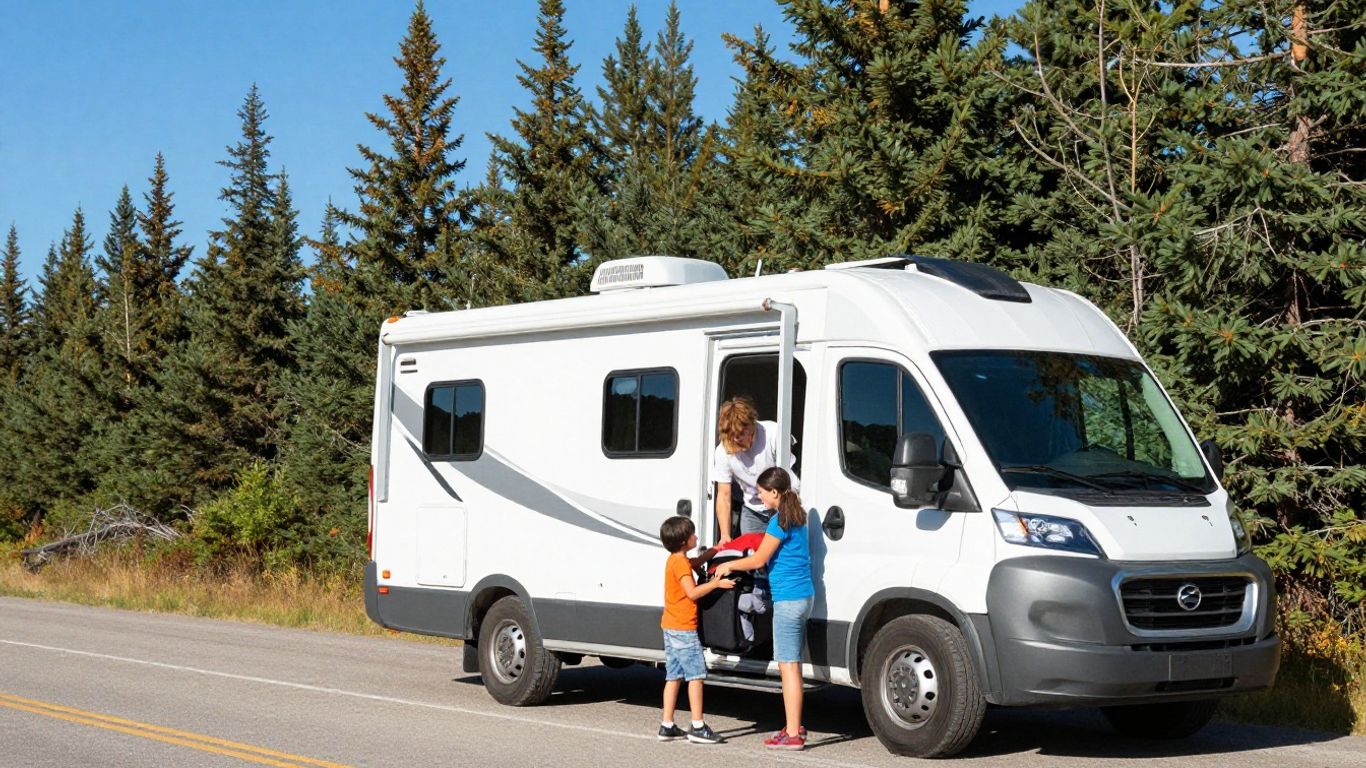
Thinking about renting an RV in Canada for the first time? It’s a fantastic idea, really. You get to see so much, and it feels like your own little home on wheels. But before you book anything, there are a few things you should really think about. It’s not quite like renting a car, you know? From picking the right RV to knowing the rules of the road up north, a little planning goes a long way. Let’s break down some of the big decisions you’ll need to make.
Key Takeaways
- Figure out what kind of RV fits your trip. Are you looking for something small and cozy or big enough for the whole family? Think about what you really need.
- Get your paperwork in order. Passports are a must, and make sure your driver’s license and insurance are good to go for Canada. If you’re renting, bring all those rental papers too.
- Canada uses the metric system, so get used to kilometers and liters. Also, gas is usually cheaper south of the border, so fill up before you cross.
- Plan where you want to go and book campsites early, especially for popular spots like national parks. Buying a park pass can save you time and money if you’re visiting a few.
- Budget for everything. It’s not just the rental cost; think about campgrounds, gas, food, and any extras you might want. Unexpected costs pop up, so have a little extra set aside.
Choosing Your Ideal RV Rental
So, you’ve decided an RV trip to Canada is the way to go. Awesome! But before you start picturing yourself cruising through the Rockies, there’s a big first step: picking the right RV. It’s not just about picking the biggest one you see; it’s about finding a home on wheels that actually fits your trip and your travel style. Think of it like choosing a hotel room – you wouldn’t book a tiny single if you’re traveling with your whole family, right?
Understanding Different RV Types
There are a few main flavors of RVs, and they all handle differently and offer different living setups. You’ve got Class A motorhomes, which are basically buses converted into RVs – they’re big, comfy, and have all the bells and whistles, but they can feel like driving a small apartment building. Then there are Class C motorhomes, usually built on a truck chassis with that distinctive over-cab sleeping area; they’re a bit more manageable than Class A. Class B motorhomes, often called camper vans, are the most compact, easiest to drive and park, but offer less living space. Finally, there are towable RVs, like travel trailers and fifth wheels, which you’d pull with a separate vehicle. This gives you flexibility if you want to unhitch and use your car for local exploring, but it adds the complexity of towing.
- Class A: Largest, most amenities, can be challenging to drive.
- Class C: Mid-size, often recognizable by the sleeping area over the cab, good balance.
- Class B: Smallest motorhome, van-like, easy to maneuver.
- Towables (Travel Trailers, Fifth Wheels): Require a capable tow vehicle, offer flexibility.
Assessing Your Space and Amenity Needs
This is where you get real about who’s coming along and what you absolutely can’t live without. How many people are actually sleeping in the RV? Don’t just go by the advertised ‘sleeps six’ – think about whether that means two adults and four small kids, or six adults who don’t mind being cozy. What about bathrooms? Do you need a full bath with a shower, or is a toilet and sink enough if you plan to use campground facilities? Kitchens vary wildly, too. Some have full-size fridges and ovens, while others have just a microwave and a small cooler space. Consider what you’ll actually use versus what just sounds nice.
Considering Pet-Friendly Options
Bringing your furry best friend along for the adventure? That’s fantastic! However, not all RVs are created equal when it comes to pets. Many rental companies have strict ‘no pets’ policies, or they might allow them but charge a hefty cleaning fee. If your pet is part of the family, you’ll want to specifically search for ‘pet-friendly’ RV rentals. Be prepared to provide proof of vaccinations and potentially sign a pet agreement. It’s also a good idea to ask about any breed or size restrictions the rental company might have. A quick call to confirm their pet policy and any associated fees can save you a lot of hassle down the road.
When you’re looking at RVs, really picture yourself living in it for a week or two. Think about where you’ll store your luggage, where you’ll eat your meals, and how you’ll manage daily routines like getting ready in the morning. Sometimes, the RV that looks amazing in photos might feel cramped or impractical once you’re actually on the road.
Essential Documentation for Border Crossing
Okay, so you’re ready to hit the road in your RV and head north to Canada. That’s awesome! But before you even think about packing the snacks, let’s talk about the paperwork. This is super important, and honestly, it’s the part that can cause the most headaches if you mess it up. Getting your documents in order is step one for a smooth trip.
Valid Passports and Travel Documents
First things first: everyone traveling needs a valid passport. No exceptions. Make sure yours, and anyone else’s in your RV, isn’t set to expire anytime soon. If you have a NEXUS card, that works too. It’s basically your golden ticket for quicker border crossings, but a passport is the standard requirement. Don’t underestimate the power of having all your travel documents readily accessible. It makes the border agent’s job easier, and yours too.
Driver’s License and Vehicle Registration
Beyond your personal ID, you’ll need your driver’s license. It needs to be current and valid. Since you’re driving a big rig, make sure it’s the correct class of license if your province or state requires it for RVs of that size. You’ll also need the RV’s registration papers. If you’re renting, the company should provide you with all the necessary documentation proving the vehicle is legally registered and that you’re authorized to drive it. If you’re bringing your own RV, just double-check that your registration is up-to-date before you leave. It’s also a good idea to have a copy of the rental agreement if you’re not driving your own rig.
Insurance Coverage for Canada
This is a big one. Your standard RV insurance might not automatically cover you when you cross into Canada. You absolutely need to confirm with your insurance provider that your policy extends north of the border. If it doesn’t, you’ll need to purchase a separate policy or an addendum for your trip. Make sure you have proof of this coverage with you. Border agents might ask for it, and you definitely don’t want to be caught without it. It’s better to be over-prepared than to have a breakdown and find out your insurance doesn’t cover you in a foreign country.
Border crossings can sometimes feel like a mini-interview. Be polite, answer questions honestly, and have your documents organized. They just want to make sure you’re entering Canada for legitimate reasons and aren’t bringing anything prohibited. A little preparation goes a long way here.
Navigating Canadian Road Regulations
So, you’ve got your RV picked out and you’re ready to hit the road north. Awesome! But before you cross that border, let’s chat about a few things you’ll want to know about driving in Canada. It’s not wildly different, but there are some key points to keep in mind.
Understanding Metric Measurements
This is a big one. Canada uses the metric system for pretty much everything. Speed limits will be in kilometers per hour (km/h), and distances will be in kilometers. Fuel is sold in liters. You’ll want to get comfortable with these conversions pretty quickly. It’s not rocket science, but it does take a little getting used to.
- Speed Conversion: 100 km/h is roughly 62 mph. So, if the limit is 100 km/h, that’s about 62 mph. Keep that in mind!
- Distance: A kilometer is shorter than a mile. About 1.6 kilometers make up one mile.
- Fuel: Liters are smaller than gallons. You’ll be buying fuel in liters, so a full tank might look like a lot of liters, but it’s comparable to gallons back home.
It’s a good idea to have a quick conversion chart handy on your phone or a printed one in your RV for the first few days. You don’t want to be speeding or misjudging distances.
Fueling Strategies Before Crossing
Here’s a money-saving tip: fill up your RV’s fuel tank before you cross the border into Canada. Generally speaking, gas and diesel prices tend to be higher in Canada than in the United States. So, topping off your tank in the U.S. can save you a bit of cash right from the start of your trip.
Awareness of RV Height Restrictions
This is super important, especially if you’re driving a taller RV. Many places, like drive-thrus, underpasses, and even some older parking garages, have height limits. Always be mindful of overhead signs and clearances. It’s easy to forget how tall your RV is, especially with things like air conditioners on the roof. A quick mental check or a sticker on your dashboard reminding you of your RV’s height can prevent a costly mistake. Look for signs indicating height limits, especially in urban areas or near construction zones.
Planning Your Canadian Itinerary
Alright, so you’ve picked out your RV, and you’re getting ready to head north. Awesome! But before you just point the RV towards the border, you really need to think about where you’re going. Canada is huge, seriously massive, and you can’t see it all in one trip. Having a solid plan, even a loose one, makes a world of difference.
Selecting National Parks to Visit
Canada has over 35 national parks, and they’re all pretty spectacular in their own way. Trying to visit them all is a recipe for burnout. Instead, pick a few that really call to you. Are you dreaming of the Rockies? Maybe the coastal beauty of British Columbia? Or perhaps the vastness of the prairies? Do some digging and make a list of your top choices. It’s also a good idea to figure out how much time you want to spend in each park. A quick stop might be enough for some, while others deserve a few days to really soak it in. Don’t underestimate the appeal of the less famous parks; sometimes they offer a more peaceful experience.
Booking Campsite Reservations in Advance
This is a big one, especially if you’re traveling during peak season, like summer. Popular spots, especially in places like Banff National Park, fill up fast. Like, really fast. If you don’t book ahead, you might end up in an overflow lot, which is usually not ideal for RVs. Having your campsite reservations printed out is also a good idea, just in case the border folks ask to see them. You can find reservation systems for most national parks online. Planning your route and booking these spots early will save you a lot of headaches later on.
Purchasing a National Park Pass
If you’re planning on hitting up a few national parks, buying a pass can actually save you money. Instead of paying the daily entry fee for each park, you can get an annual pass. It’s a bit of an upfront cost, but if you’re visiting more than a couple of parks, it pays for itself. Plus, it can sometimes help you skip the lines at the park entrance. You can usually buy these passes online or at the park gates. It’s a smart move for any serious park explorer.
Remember that Canada uses the metric system. You’ll see distances in kilometers and fuel in liters. It’s not too hard to get used to, but it’s good to have a rough idea of conversions before you go. Also, gas tends to be more expensive in Canada, so filling up your tank just before you cross the border is a good money-saving tip.
Here’s a quick look at some popular park regions:
- Banff & Jasper National Parks (Alberta): Famous for the Rocky Mountains, turquoise lakes, and incredible hiking. Expect crowds.
- Pacific Rim National Park Reserve (British Columbia): Coastal rainforests, beaches, and surfing opportunities.
- Gros Morne National Park (Newfoundland and Labrador): Unique geological landscapes and stunning fjords.
- Prince Albert National Park (Saskatchewan): Boreal forest, clear lakes, and abundant wildlife.
Planning your route can also help you decide on the best one-way RV rentals in Canada if you want to avoid backtracking.
Budgeting for Your RV Adventure
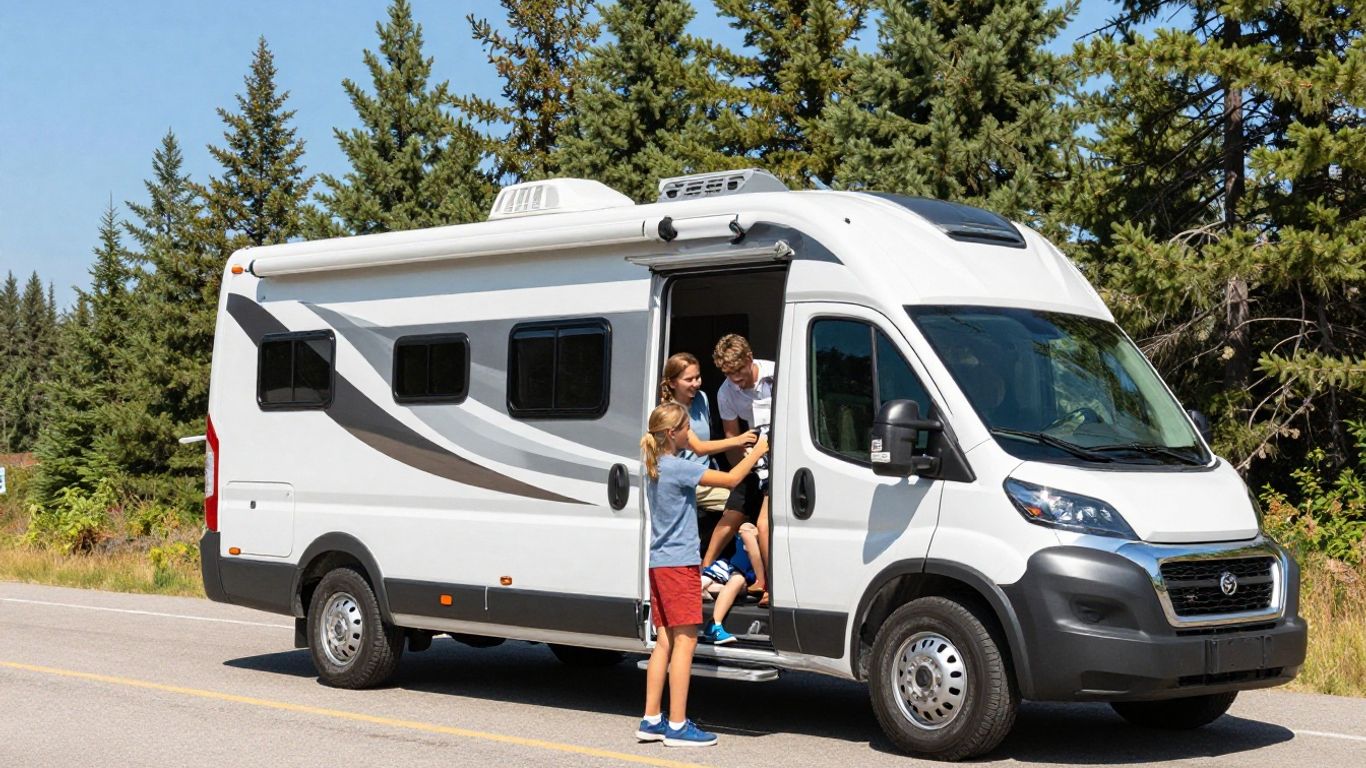
Alright, let’s talk money. Renting an RV for your Canadian trip isn’t just about the sticker price you see online. There are a bunch of other costs that can sneak up on you if you’re not prepared. Thinking about this upfront will save you a lot of headaches later on.
Estimating Rental Costs and Deposits
The base rental fee is just the start. Most companies will want a security deposit, which can be a few hundred to over a thousand dollars. This is usually refundable, but it’s money that’s tied up while you have the RV. Also, check if there are mileage limits. Going over can get expensive fast. Some rentals include a certain number of miles, and then charge per extra mile. It’s worth looking into unlimited mileage options if you plan on covering a lot of ground.
Accounting for Campground and Park Fees
Where you park your RV overnight adds up. National and Provincial Parks often have fees, and these can vary wildly. Some are quite basic, while others offer full hookups (water, electricity, sewer) which usually cost more. Private campgrounds can also be pricey, especially in popular tourist areas. Booking ahead is key, and sometimes booking early gets you a slightly better rate, but don’t expect huge discounts.
Here’s a rough idea of what you might encounter:
| Fee Type | Estimated Cost (CAD) | Notes |
|---|---|---|
| National Park Campsite | $20 – $50 per night | Varies by park and amenities |
| Provincial Park | $25 – $60 per night | Often more amenities than national parks |
| Private Campground | $40 – $100+ per night | Can include pools, laundry, Wi-Fi, etc. |
| Dump Station Fee | $0 – $20 | Some campgrounds charge, others are free |
Allocating Funds for Fuel and Extras
Fuel is a big one. RVs are not exactly known for their fuel efficiency. You’ll be spending a good chunk of your budget on gas, especially if you’re driving long distances. Keep an eye on gas prices, which can fluctuate. Beyond that, think about propane for cooking and heating, potential costs for dumping your waste tanks, and any activities or attractions you plan to visit. Don’t forget a buffer for unexpected things – maybe you need a specific kitchen gadget, or you want to grab souvenirs. It’s always better to have a little extra cash set aside.
Planning your budget is an ongoing thing. As you book campsites and figure out your daily driving, you’ll get a clearer picture. It’s wise to add a contingency fund, maybe 10-15% of your total estimated cost, for those little surprises that always seem to pop up on road trips. This way, you can relax and enjoy the adventure without constantly worrying about every dollar.
Preparing for RV Living On the Road
So, you’ve picked out your RV and you’re ready to hit the road. Awesome! But before you get too excited, let’s talk about making sure you’re actually set up for life inside that rolling home. It’s not quite like packing for a hotel stay, you know?
Packing Essentials for Comfort and Convenience
Think about what you’d need if you were living in a small apartment, but with a bit more focus on practicality. You don’t want to be stuck without something you really need, but overpacking is a quick way to make your RV feel cramped. Definitely ask the rental company or owner what’s already included – things like bedding, kitchenware, and basic cleaning supplies can often be found on board. This saves you a ton of space and hassle. Beyond the basics, consider items that make life easier: a good set of reusable water bottles, some sturdy containers for leftovers, and maybe a small backpack for day trips away from the RV. Don’t forget things like a basic toolkit and a first-aid kit; you never know when a loose screw or a minor scrape might happen. For entertainment, especially if you have kids, think about card games, books, or downloaded movies.
Meal Planning and Grocery Shopping Strategies
Eating out every meal on an RV trip can really add up, fast. So, planning your meals ahead of time is a smart move. Your RV will have a fridge, and with hookups or a generator, you can keep things cold. Before you even leave, think about simple meals you can prepare. Things like pasta, sandwiches, and one-pot meals are usually winners. When you stop for groceries, hit up a larger supermarket or even a Walmart if you need to stock up on refrigerated items and staples. Bringing some pre-prepped ingredients can also be a lifesaver when you’re tired after a day of driving or exploring. Remember to pack snacks and drinks too; nobody likes a hangry traveler.
Understanding RV Hookups and Utilities
This is where a lot of first-timers get a little nervous, but it’s really not that complicated once you see it done. Hookups are basically how you connect your RV to power, water, and sometimes sewer at a campsite. Most rental companies will give you a rundown, but it’s worth asking for a detailed explanation during your walk-through. You’ll typically have a power cord that plugs into a pedestal at your site, and a water hose that connects to a spigot. The sewer hookup is usually a flexible hose that goes into a drain at your site. If you’re unsure, don’t be afraid to ask campground staff or even a friendly neighbor for a quick demonstration. Getting these connections right means you’ll have lights, can charge your devices, and can use your water and toilet facilities without worry.
Dealing with waste disposal is probably the least glamorous part of RVing. Most RV parks have designated dump stations. You’ll need to connect a hose from your RV’s waste tank to the station and empty it. It can be a bit messy, so wearing gloves is a good idea. If your rental company offers a service to empty the tanks for you, it might be worth the extra fee, especially for your first trip. Alternatively, some people opt to use campground restrooms and showers to minimize the need to dump tanks frequently.
Here’s a quick rundown of what to consider packing:
- Clothing: Layers are key. Pack for various weather conditions, even in summer. Don’t forget comfortable shoes.
- Kitchen Supplies: Basic utensils, pots, pans, plates, cups, and cleaning supplies. Check what the rental provides.
- Linens and Towels: Again, confirm with the rental company. If not provided, pack your own.
- Toiletries: Standard personal hygiene items.
- First-Aid Kit & Tools: Band-aids, antiseptic wipes, pain relievers, and a basic set of tools for minor fixes.
- Entertainment: Books, games, cards, portable chargers.
- Outdoor Gear: Camp chairs, a small table, maybe a grill if allowed.
Remember, the goal is to be prepared without overstuffing your home on wheels. A little planning goes a long way to making your RV adventure comfortable and fun. You can find some great tips on choosing an RV rental that might help with your packing decisions too.
Mastering the Art of RV Driving
Getting Comfortable with Vehicle Handling
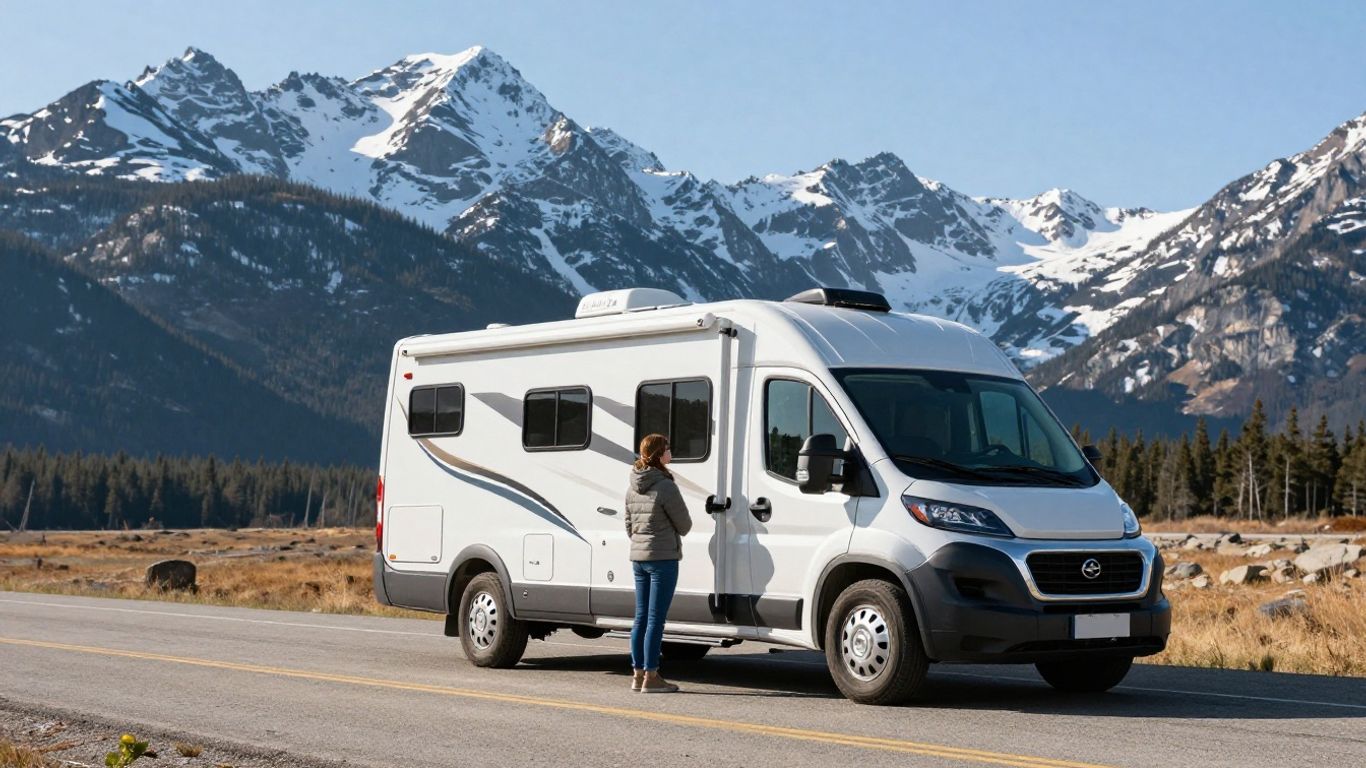
So, you’ve picked out your perfect RV, packed your bags, and you’re ready to hit the road. But before you zoom off towards the Canadian Rockies, let’s talk about actually driving this thing. It’s not quite like your everyday sedan, that’s for sure. Think of it like learning to drive a big truck, but with a whole living room attached. The first thing you’ll notice is the size. These vehicles are long, wide, and tall, and you need to be aware of that at all times. Your mirrors become your best friends. Get used to checking them constantly, not just for traffic behind you, but for how close you are to things on the sides and rear. Take some time in an empty parking lot to just get a feel for the steering. Notice how much space you need to turn. It’s a different kind of maneuvering than you’re used to.
Practicing Parking and Maneuvering
Parking an RV can feel like a puzzle, especially when you’re in a tight campground spot or a busy parking lot. Don’t be shy about practicing. Find a large, empty parking lot – maybe at a grocery store on a weekday morning or a school on a weekend. Try pulling into parking spots, backing into imaginary sites, and making wide turns. Pay attention to your rear wheels; they don’t follow the same path as your front wheels, and this is where many beginners misjudge their space. If you can, have someone outside the vehicle guide you. They can help you see those blind spots and avoid bumping into anything. Remember, it’s better to take a few extra minutes to park correctly than to rush and cause damage.
Anticipating Fuel Consumption
Fuel is a big part of the RV budget, and these rigs can be thirsty. Unlike a car that might get 25-30 miles per gallon, RVs often get much less. This means you’ll be stopping for gas more frequently, and the cost adds up. Before you even leave, get an idea of your RV’s average miles per gallon (MPG). You can usually find this information in the rental agreement or by asking the rental company. Then, map out your route and identify gas stations along the way. Don’t wait until the tank is almost empty, especially in more remote areas of Canada where stations can be far apart. Running out of gas in an RV is a much bigger hassle than in a car.
When you’re driving an RV, especially for the first time, remember that everything takes longer. Stopping, starting, turning, and parking all require more time and space. Be patient with yourself and other drivers. Most people understand that RVs are slower and need more room, but it’s still good to be courteous and signal your intentions clearly.
Here’s a quick look at what to expect:
- Vehicle Size: Be constantly aware of your RV’s height, width, and length. Low bridges, narrow roads, and overhanging branches are common concerns.
- Braking Distance: RVs are heavy. They need more distance to stop than a car. Anticipate stops well in advance.
- Blind Spots: Large RVs have significant blind spots. Use your mirrors extensively and consider a spotter when possible.
- Fuel Stops: Plan your fuel stops. Larger stations are usually easier to navigate with an RV. Look for stations with easy entry and exit points.
- Wind: Crosswinds can affect your RV’s stability. Be prepared to make small steering corrections to stay in your lane.
Rental Company and Peer-to-Peer Options
So, you’ve decided an RV is the way to go for your Canadian adventure. Awesome! Now comes the big question: where do you actually get one? You’ve got a couple of main paths to explore, and each has its own vibe.
Exploring Major Rental Providers
Think of these as the big chains. Companies like Cruise America have rental centers scattered across North America, including Canada. They often have a pretty standard fleet of RVs, which can be good if you like predictability. You generally know what you’re getting, and they usually have established processes for pickup, drop-off, and support. It’s a solid choice if you’re looking for a straightforward rental experience, especially if you’re new to this whole RV thing. They often have different classes of RVs, so you can pick one that fits your group size and comfort level. Just remember to check their specific policies on mileage, generator use, and what’s included in the rental fee.
Understanding Peer-to-Peer Platforms
This is where you rent directly from an RV owner. Think of it like Airbnb, but for campers. Websites like RVshare and Outdoorsy connect you with individuals who are renting out their own RVs. The selection can be way more diverse here – you might find anything from a cozy camper van to a massive luxury motorhome. Prices can sometimes be more competitive, and you might get access to unique rigs you wouldn’t find with the big companies. Plus, owners often have a lot of personal tips and tricks about their specific RV and the areas they frequent. It’s a great way to potentially find a more specialized or budget-friendly option.
- Pros: Wider variety of RV types, potentially lower costs, unique owner insights.
- Cons: Rental agreements and support can vary widely, less standardization than major companies.
- Tip: Always read reviews of both the RV and the owner before booking.
Reviewing Rental Agreements and Policies
No matter where you rent from, this is the part you absolutely cannot skip. Seriously, read the fine print. What’s the deal with mileage limits? Are there extra charges for dumping the tanks or cleaning? What’s the cancellation policy? Understanding these details upfront can save you a lot of headaches (and money) down the road. Pay close attention to insurance coverage – does it cover you in Canada? What’s the deductible? Some platforms offer additional insurance or roadside assistance packages, which can be a lifesaver if something goes wrong. It’s also wise to ask about any restrictions on where you can take the RV, like driving on unpaved roads or crossing borders (though you’re already planning for Canada!).
When you pick up the RV, whether from a company or an owner, make sure you get a thorough walk-through. Don’t be shy about asking questions. How do the hookups work? How do you operate the awning? Where are the water and waste tanks? Knowing these basics before you hit the road will make your first few days much smoother. It’s better to feel a little silly asking than to be stuck figuring it out in a downpour.
If you’re looking for a specific type of RV, like an accessible motorhome, you’ll want to communicate your needs clearly with the rental provider. Some companies might have specific features, but it’s not always guaranteed, so early booking and detailed inquiries are highly recommended. You can find more information on renting an accessible motorhome in Canada here.
Maximizing Your RV Rental Experience
So, you’ve picked out your RV, sorted the paperwork, and you’re just about ready to hit the road. But before you do, let’s talk about how to make this trip even better. It’s not just about driving from point A to point B; it’s about really getting the most out of your rolling home.
Seeking Owner Walk-Throughs and Tips
When you pick up your RV, don’t just glance at it and sign the papers. Take your time with the owner or rental agent for a thorough walk-through. Seriously, ask them to show you everything. How do the lights work? What about the water heater? Where’s the best place to hook up the power? They know this specific rig inside and out, and their advice can save you a lot of head-scratching later. Think of it as getting insider tips for your trip. They might even have favorite spots or routes they can share.
Utilizing On-Site Campground Resources
Campgrounds and RV parks are more than just places to park. Many have staff who are super helpful, especially if you’re new to RVing. Don’t hesitate to ask them about local attractions, the best way to connect your utilities, or even where to find the nearest grocery store. Some parks have laundry facilities, dump stations, and even small convenience stores. Check the campground’s website before you arrive to see what amenities they offer.
Embracing the RV Community Spirit
One of the coolest parts of RVing is the people you meet. Fellow RVers are often happy to share advice, lend a hand, or just chat about their travels. If you see someone who looks like they know what they’re doing, strike up a conversation! You might learn a trick or two about setting up camp, dealing with wildlife, or finding hidden gems off the beaten path. It’s a friendly bunch, and being open to connecting can really enrich your experience.
Remember that RVing is a lifestyle, and part of that is being adaptable and friendly. A little bit of patience and a willingness to learn from others goes a long way. Don’t be afraid to ask questions; most people are happy to help out a fellow traveler.
Handling Unexpected RV Situations
Even with the best planning, things can go sideways when you’re on the road in an RV. It’s not like a hotel where you can just call the front desk. You’re pretty much your own support system out there. So, being prepared for a few common hiccups can save you a lot of stress and maybe even some money.
Preparing a Basic Tool and First-Aid Kit
It’s a good idea to have a small toolkit packed. You don’t need to be a mechanic, but a few basic items can help with minor fixes. Think about things like:
- Screwdrivers (Phillips and flathead)
- Pliers
- Adjustable wrench
- Duct tape (seriously, this stuff is a lifesaver)
- Tire pressure gauge
Alongside your tools, a well-stocked first-aid kit is a must. Make sure it has bandages, antiseptic wipes, pain relievers, gauze, and any personal medications. Being ready for small injuries or issues can make a big difference.
Understanding Waste Disposal Procedures
This is probably the least glamorous part of RVing, but it’s super important. RVs have tanks for grey water (from sinks and showers) and black water (from the toilet). You’ll need to know how to empty these at designated dump stations, usually found at campgrounds or rest stops. Most rental companies will show you how to do this during the pick-up walk-through, but it’s worth watching a video or two beforehand just to get a feel for it. It can be a bit messy, so wear gloves and be prepared.
Don’t be shy about asking for help if you’re unsure about dumping your tanks. Most fellow RVers are happy to lend a hand or offer advice. It’s better to ask than to make a mistake that could damage your RV or the environment.
Securing Roadside Assistance
Breakdowns happen, even in the newest RVs. Before you even leave, check if your rental agreement includes roadside assistance. Many companies do, and it’s a huge relief to know you can call someone if you get a flat tire, run out of gas, or have a mechanical issue. If it’s not included, consider purchasing a separate plan. It’s like travel insurance for your RV – you hope you never need it, but you’ll be really glad you have it if you do.
Ready for Your Canadian RV Adventure?
So, you’ve thought about the RV size, where you’ll go, and how much it might cost. That’s a huge step! Renting an RV for your first trip to Canada might seem like a lot to figure out, but breaking it down makes it totally doable. Remember to check your documents, pack smart, and don’t be afraid to ask questions. Canada is an amazing place to explore from the comfort of your own rolling home. Get ready for some incredible views and memories that will last a lifetime. Happy travels!
Frequently Asked Questions
What kind of RV should I rent?
Think about who’s going with you and where you want to go. If you have a big group, you’ll need more space. If you’re going to busy cities, a smaller RV might be easier to park. Also, consider what’s most important to you – maybe it’s having a pet-friendly place, lots of beds, or a big kitchen.
What documents do I need to cross into Canada with an RV?
You’ll need your passport, of course. Make sure your driver’s license is valid. You also need to have your RV’s registration and proof of insurance. If you’re renting, bring your rental agreement and booking receipt. If you’re bringing a pet, bring their vaccination records.
How much does it cost to rent an RV?
The rental cost can change depending on the size of the RV and how long you rent it. Don’t forget to add in costs for a deposit, insurance, campground fees, and gas. It’s a good idea to plan for extra money for things you might buy along the way.
What are the driving rules for RVs in Canada?
Canada uses the metric system, so speed limits will be in kilometers per hour. Also, RVs are usually taller than regular cars, so be careful when driving under bridges or through drive-thrus. It’s also smart to fill up your gas tank before you cross the border, as gas can be more expensive in Canada.
How do I find places to park my RV in Canada?
You can book spots in National Parks, but you need to do it way in advance, especially for popular places like Banff. There are also private RV parks and campgrounds. Some websites can help you find and reserve these spots. You might even be able to park overnight at some Walmarts, but it’s best to ask first.
What should I pack for an RV trip?
Pack clothes and things for the activities you’ll do. Ask the RV owner what they already provide, like bedding and kitchen stuff. It’s also smart to pack a basic tool kit and a first-aid kit, just in case. Don’t forget games or movies if you’re traveling with kids!
How do RV hookups work?
Hookups connect your RV to water, electricity, and sewer at a campsite. It might seem confusing at first, but read the RV’s manual or ask the rental company or campground staff for help. It’s important to connect them correctly to avoid problems.
What if something goes wrong with the RV?
It’s a good idea to have roadside assistance. Many rental companies offer this, and it can help if you have a flat tire or break down. Also, make sure you have a basic tool kit and know how to handle things like dumping the waste tanks, though some people prefer to pay for this service.