
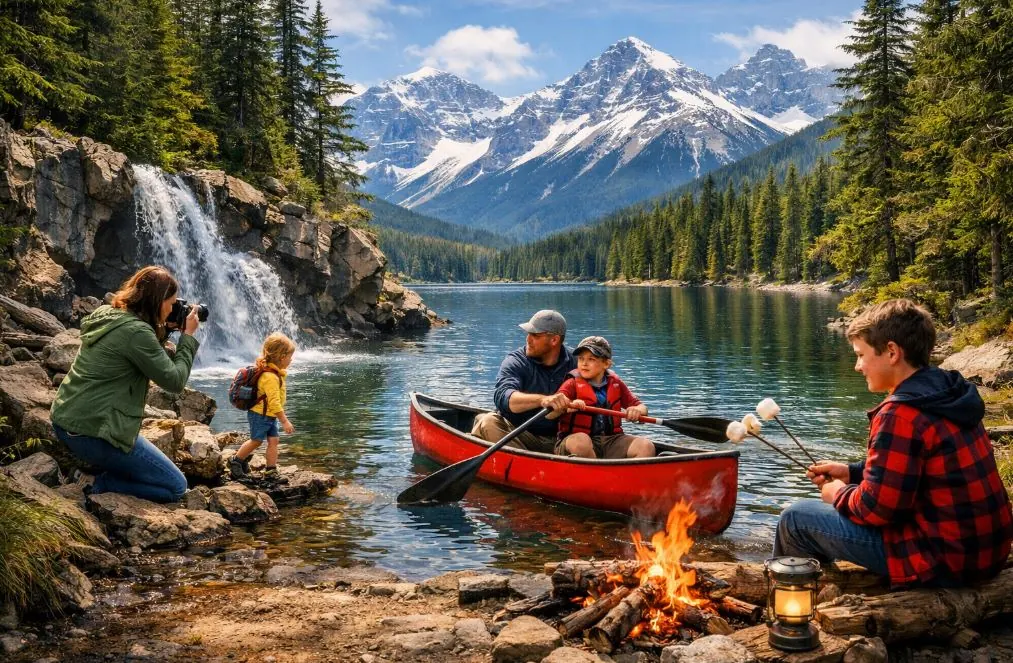
Planning a motorhome trip across Canada can be an amazing adventure. It offers a unique way to see the country, from coast to coast. Figuring out your canada motorhome trip budget is super important so you don’t run out of cash halfway through. It’s not just about the rental; there’s a lot more to consider, like where you’ll park, what you’ll eat, and all the fun stuff you want to do. Let’s break down what you can expect to spend so your trip is more fun and less stressful.
Key Takeaways
Where you stay each night makes a big difference. National parks are usually cheaper, but private campgrounds offer more amenities. Look into all your options.
Don’t forget the little things! You’ll need gear for cooking, sleeping, and enjoying the outdoors.
Always set aside some extra money for unexpected things. Flat tires, unplanned detours, or just wanting to do something spontaneous can happen, and it’s good to be ready.
Understanding Your Canada Motorhome Trip Budget
Planning a motorhome trip across Canada is exciting, but getting the budget right is key to a smooth adventure. The goal is to have a realistic picture of what you’ll spend so you can focus on enjoying the incredible scenery.
The All-Inclusive Cost of a Motorhome Adventure
You’ve got the obvious things like renting the motorhome itself and the gas to get around. But don’t forget about where you’ll park it each night, the food you’ll eat, and any fun activities you plan. It’s like building a puzzle; each piece contributes to the final picture of your trip’s expense.
Here’s a general idea of what goes into the pot:
Motorhome Rental: This is usually the biggest chunk.
Fuel: Canada is huge, and motorhomes aren’t exactly known for their fuel efficiency.
Food: Eating out adds up quickly, so planning meals and grocery shopping is a big money-saver.
Factors Influencing Your Trip Expenses
Several things can really sway your total spending. The time of year you travel makes a big difference; summer is peak season and more expensive. Even your travel style – whether you prefer free dispersed camping or full-service private RV parks – will impact your daily expenses.
Here’s a quick look at how different choices affect your wallet:
Setting Realistic Financial Expectations
Before you even book anything, sit down and map out a rough itinerary. How many days will you be on the road? What provinces do you want to visit? Remember to add a buffer for unexpected things – a flat tire, a sudden urge for a special treat, or a campsite that’s just too good to pass up. Aiming for a budget that’s a little higher than your initial estimate is always a smart move. It’s better to come home with money left over than to be stressed about bills.
Daily Rental Rates and Vehicle Size
Smaller campervans, often called Class B motorhomes, are generally cheaper than larger Class C or Class A models. Think about how many people are traveling and how much space you’ll actually need.
Here’s a rough idea of what you might see:
Remember, these are just estimates.
Mileage Packages and Additional Fees
These can add up quickly, so it’s worth calculating your estimated mileage beforehand. Some companies offer unlimited mileage packages, which might be a better deal if you’re doing extensive travel.
Taxes: Provincial sales taxes will be added.
Always read the fine print on your rental agreement. Understanding all the potential charges upfront can save you a lot of surprises when you return the vehicle.
Insurance and Security Deposits
Insurance is a big one. Your personal auto insurance might not cover a rental motorhome, so you’ll likely need to purchase coverage from the rental company. Ask about the different coverage levels and what they include.
Then there’s the security deposit. This is a refundable amount that the rental company holds onto while you have the vehicle, usually charged to a credit card. Make sure you have enough available credit for this, as it can tie up a good chunk of your spending money.
Fueling Your Canadian Motorhome Journey
Alright, let’s talk about the gas. You can’t just magic your way across Canada in a motorhome, unfortunately. Fuel is going to be a significant chunk of your budget, and it’s one of those things that can really sneak up on you if you’re not paying attention. Understanding how much you’ll spend on gas is key to not running on fumes (literally and figuratively) halfway through your trip.
Average Fuel Prices Across Provinces
They fluctuate based on the province, the time of year, and even just what’s happening in the global oil market.
Note: These are estimates.
Estimating Fuel Consumption for Your Route
This is where your route planning really comes into play. The size of your motorhome and your driving habits will impact your fuel economy. Bigger rigs, especially those with less aerodynamic designs, will drink more gas. Think about your motorhome’s miles per gallon (or litres per 100 kilometers, as they say in Canada). A good rule of thumb is to assume you’ll get worse mileage than the manufacturer states, especially when you’re loaded up with gear and people.
Here’s a simple way to estimate:
Calculate Total Kilometers: Use your planned route to get a total distance. ).
Determine Fuel Economy: Find out your motorhome’s average litres per 100 kilometers (L/100km). If you don’t know, a safe bet for a larger Class A or C motorhome might be 20-25 L/100km, while a smaller Class B might be closer to 15-18 L/100km.
Calculate Total Litres Needed: (Total Kilometers / 100) * L/100km = Total Litres.
Let’s say you’re planning a 3,000 km trip and your motorhome gets 22 L/100km. 70/litre:
Litres needed: (3000 / 100) * 22 = 660 litres
70/litre = $1,122
Strategies for Fuel Savings on the Road
Nobody likes spending more on gas than they have to.
Drive Smoothly: Avoid sudden acceleration and hard braking. It makes a big difference to your fuel consumption.
Check Tire Pressure: Properly inflated tires reduce rolling resistance, meaning your engine doesn’t have to work as hard.
Plan Your Stops: Group your errands and fuel stops together. Look for fuel stations in towns rather than isolated spots, as they can sometimes be cheaper.
Consider a Smaller Vehicle: If you’re renting, a smaller motorhome class will generally be more fuel-efficient.
When you’re driving a large vehicle like a motorhome, remember that it’s heavier and less aerodynamic than a car. This means it takes more energy to get it moving and keep it going. Driving at a steady, moderate speed, rather than trying to race between destinations, will not only save you money on fuel but also make for a more relaxing journey. Plus, you’ll get to see more of the scenery along the way!
Campsite and Accommodation Expenses
When you’re planning a motorhome trip across Canada, figuring out where you’ll park it each night is a big part of the budget. It’s not just about finding a spot; it’s about what kind of spot you want and what you’re willing to pay for it.
Staying in national and provincial parks is often the most scenic choice. You’re right in the middle of nature, which is pretty amazing. However, these spots can fill up fast, especially during peak season, so booking ahead is a good idea.
National Parks (Parks Canada): These often have a range of sites, from basic unserviced spots to those with electrical hookups. Expect to pay anywhere from CAD $25 to $50 per night. Some popular parks might even be a bit higher.
Provincial Parks: Similar to national parks, these offer beautiful settings.
Booking these spots in advance is highly recommended, especially if you’re traveling during the summer months or to well-known destinations.
Private Campground Amenities and Costs
If you’re looking for more amenities than what you typically find in a public campground, private campgrounds are the way to go. These places often feel more like a resort, with things like full hookups (water, electricity, sewer), Wi-Fi, laundry facilities, swimming pools, and sometimes even organized activities.
Having full hookups means you don’t have to worry as much about managing your water and waste tanks, and the extra amenities can make a longer stay more comfortable.
Alternative Overnight Parking Options
Sometimes, you just need a place to park for the night without all the bells and whistles, or maybe you’re on a tighter budget. There are a few other options to consider:
Rest Stops and Truck Stops: Many rest stops allow overnight parking, and some truck stops are also motorhome-friendly. These are usually free but offer no services. It’s a good option for a quick overnight stay when you’re just passing through.
Walmart Parking Lots: In some areas, Walmarts allow overnight RV parking. It’s always best to check with the store manager first, as policies can vary. This is a free option, but again, no services are provided.
Boondocking/Dispersed Camping: This means parking on public land outside of designated campgrounds, often with no services at all. It’s free and offers a truly wild experience, but you need to be completely self-sufficient and aware of local regulations. Always practice Leave No Trace principles.
While the convenience of private campgrounds is appealing, embracing the simplicity of public parks or even free overnight parking can save you a considerable amount of money, allowing you to allocate those funds to other aspects of your Canadian adventure.
Essential Gear and Supplies for Motorhome Travel
Okay, so you’ve got the motorhome booked and your route is roughly planned. Now, let’s talk about what you actually need to bring with you to make this trip comfy and functional. Think of your motorhome as a tiny, rolling apartment. It comes with some basics, but you’ll want to add your personal touches and practical items.
Kitchenware and Cooking Equipment
Most rentals will include basic pots, pans, plates, and cutlery. It’s usually called a provisioning kit’ and you can often add it when you book. But, don’t assume! Double-check what’s included. If you plan on doing a lot of cooking, you might want to bring a favorite sharp knife from home or a specific spice you can’t live without. A good can opener is also a lifesaver. Remember, space is limited, so pack smart. Think multi-purpose items where you can.
Sleeping Gear and Comfort Items
You’ll definitely want to know if you need to bring your own pillows, duvets, and towels. Nights can get surprisingly cool, even in summer, so packing an extra fleece blanket or some warm pajamas is a good idea. Having a pair of socks and a light jacket right by the bed is a smart move for those chilly pre-dawn moments.
Outdoor and Activity-Specific Gear
Canada’s beauty is best enjoyed outdoors, right? So, think about what you’ll be doing. If you’re hitting hiking trails, good walking shoes are a must. Mosquito repellent is non-negotiable for summer trips, especially in wooded areas or near water – those Canadian bugs can be relentless! A small backpack for day trips is handy. If you plan on campfires, bring matches or a lighter, and maybe some skewers for roasting marshmallows. A small clothesline and a few pegs can be super useful for drying towels or damp clothes.
Don’t forget to secure everything before you drive. Roads can be bumpy, and even a short drive on a gravel path can send unsecured items flying. Use storage bins for groceries and make sure cupboard doors are latched. It’s a small step that saves a lot of hassle and potential mess.
Here’s a quick checklist to get you started:
Kitchen: Check rental inclusions (pots, pans, plates, cutlery, mugs, kettle, can opener, sharp knife, cutting board, dish soap, sponge).
Bedding: Pillows, duvets/sleeping bags, sheets, blankets, pajamas, warm socks.
Bath: Towels (bath, hand, kitchen), toiletries, toilet paper (just in case).
Clothing: Layers are key! Include rain gear, warm jacket, comfortable shoes, hat, sunglasses.
Outdoor/Misc: Mosquito repellent, sunscreen, first-aid kit, flashlight/headlamp, reusable water bottles, daypack, matches/lighter, clothesline/pegs, camp chairs (if not provided).
Remember, you can often buy some of these items upon arrival, but having the basics sorted beforehand makes for a smoother start to your adventure.
Food and Dining on Your Motorhome Trip
When you’re living on the road in a motorhome, figuring out food is a big part of the adventure. It’s not just about sustenance; it’s about convenience, budget, and enjoying the experience. You’ve got a kitchen right there, so you can cook up a storm, but sometimes, you just want to grab something quick.
Grocery Shopping Strategies for the Road
Stocking up your motorhome kitchen is key. Think about what you’ll actually cook and eat. It’s easy to overbuy, and then you’re stuck with stuff that goes bad. Smaller towns might have limited options, so if you see a good supermarket, it’s often worth a bigger shop. Plus, keeping things organized is a game-changer. Use bins or containers so your food doesn’t go flying around when you hit a bumpy road. Seriously, a loose bag of potatoes can become a projectile.
Plan your meals: Before you even leave, have a rough idea of what you’ll eat for breakfast, lunch, and dinner for the first few days. This helps you buy only what you need.
Prioritize non-perishables: Canned goods, pasta, rice, and dried fruits are your friends. They last a long time and don’t need constant refrigeration.
Utilize the fridge and freezer: Keep a cooler for drinks or items you’ll use quickly, but rely on the built-in fridge for perishables. Freeze things like bread or leftover meals to extend their life.
Shop local: When you can, hit up local farmers’ markets. You’ll get fresh produce and support local communities.
Budgeting for Eating Out and Treats
While cooking in your motorhome saves a ton of money, you’ll probably want to eat out sometimes. Maybe it’s a local diner you stumble upon or a special treat. It’s good to have a separate budget for this. Canada has some amazing regional foods, and trying them is part of the fun.
Set a daily or weekly allowance: Decide how much you’re willing to spend on eating out. This prevents impulse spending.
Look for deals: Many places offer lunch specials or early-bird deals that can make eating out more affordable.
Consider snacks and coffee: Even small purchases like coffee or ice cream can add up. Factor these into your treat budget.
Meal Planning for Convenience and Savings
This is where you really get to save money and make your life easier. Cooking simple meals in the motorhome means you’re not spending a fortune on restaurants and you have control over what you eat. Think one-pot meals, sandwiches, and pre-prepped ingredients. Having a well-stocked pantry and fridge makes all the difference.
One-pot wonders: Chili, stews, pasta dishes – these are easy to make and clean up.
Breakfast on the go: Cereal, oatmeal, or pre-made breakfast burritos are quick and easy.
Packable lunches: Sandwiches, wraps, and salads are perfect for days when you’re out exploring and don’t have access to your kitchen.
Keeping your food supplies organized is more than just tidiness; it’s about safety and preventing waste. Secure everything before you drive, especially on those gravel roads. A well-packed food cupboard means less stress and more enjoyment on your trip.
Activities and Entertainment Budget
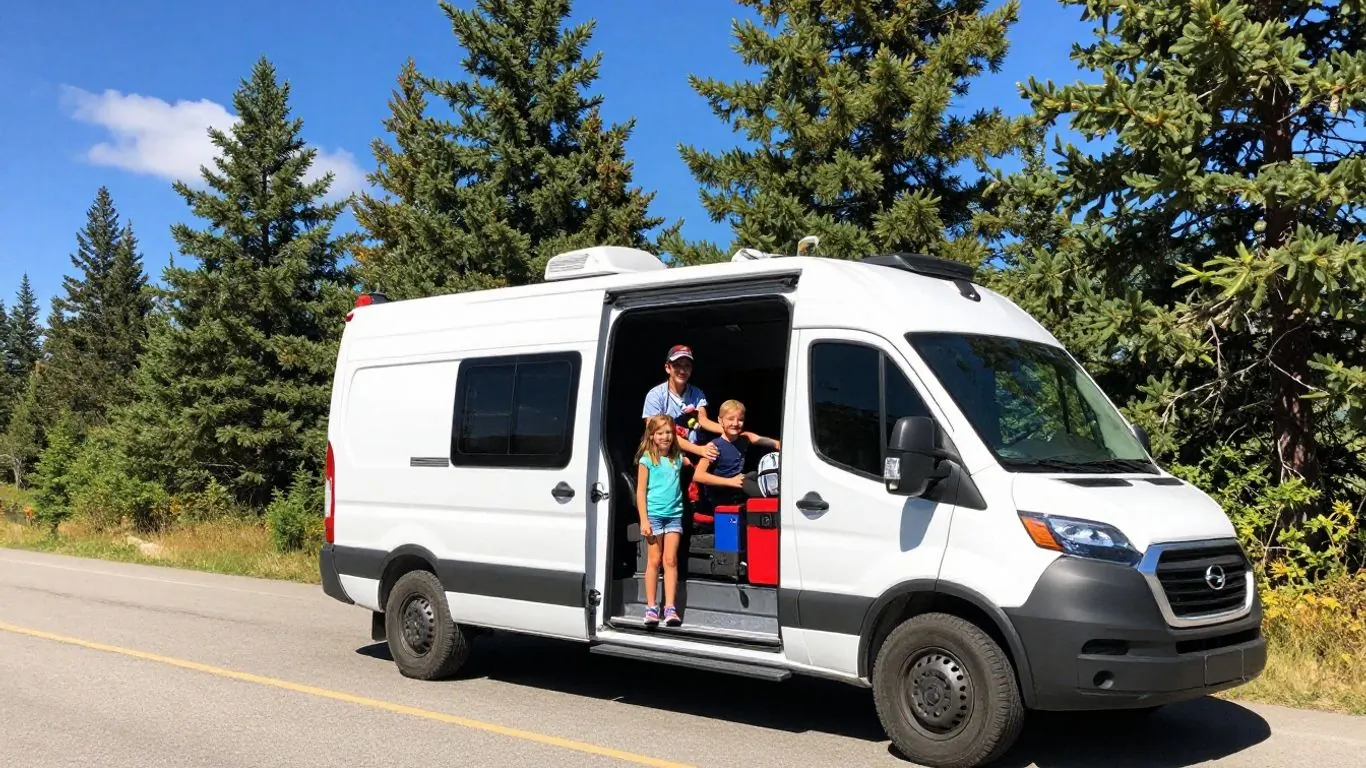
So, you’ve got your motorhome sorted, your campsites booked, and your stomach is rumbling with thoughts of delicious road trip meals. Now, let’s talk about the fun stuff – the activities and entertainment that make a trip memorable. This is where you get to experience Canada’s incredible landscapes and culture firsthand. It’s easy to get carried away, so having a plan here is super important.
National Park Passes and Entrance Fees
If you plan on visiting multiple parks, especially national ones, looking into a Discovery Pass from Parks Canada is often the smartest move; check the current family/group price on the Parks Canada website. This covers entry for everyone in your vehicle to all national parks for a whole year.
75 for a year of access to all national parks.
Remember to check the specific pass requirements for each park you intend to visit.
Tour and Excursion Costs
Beyond just driving through, Canada offers a ton of guided tours and excursions that can really deepen your experience. Think whale watching tours on the coast, guided hikes in the Rockies, or even a scenic floatplane trip. These can be amazing, but they also add up fast. It’s wise to research these in advance and decide which ones are must-dos for your trip.
Budgeting for Spontaneous Adventures
This is the fun part, right? You’re on the road, you see a sign for a quirky roadside attraction, a local festival, or a breathtaking viewpoint that wasn’t on your original plan. These spontaneous moments are often the highlights of a trip. It’s a good idea to set aside a little extra cash for these unexpected delights. Maybe it’s just a few dollars for an ice cream cone from a small-town shop or a bit more for an unplanned souvenir. Having a small buffer means you can say yes’ to these little adventures without stressing about the budget. Aim for an extra CAD $200-$400 for these kinds of surprises; it can make a big difference in how freely you explore.
Contingency Planning and Unexpected Costs
Even with the best planning, things don’t always go according to plan, especially when you’re traveling in a motorhome. It’s wise to have a little extra cash set aside for those "what if" moments. Think of it as your adventure insurance.
Building a Buffer for Emergencies
Life happens, and so do unexpected expenses. A good rule of thumb is to add about 10-15% to your total trip budget for unforeseen circumstances. This could cover anything from a sudden need for a mechanic to an unplanned detour because you heard about an amazing local festival.
Mechanical Issues: Your motorhome is a complex machine. A flat tire, a minor engine problem, or a malfunctioning appliance can happen.
Medical Needs: While hopefully not needed, having funds for unexpected doctor visits or prescriptions is smart.
Travel Disruptions: Severe weather might force you to stay put longer than planned, or you might need to rebook a ferry or campsite.
A contingency amount for unexpected costs, such as a repair, an extra campground night or a changed route, belongs in the budget from the start. This buffer can save you a lot of stress if something unexpected pops up.
Potential Repair and Maintenance Costs
Motorhomes, especially older ones or those that have seen a lot of miles, can be prone to needing repairs. While regular maintenance can prevent many issues, some problems are just inevitable.
Travel Insurance Considerations
It can cover medical emergencies, trip cancellations, lost luggage, and sometimes even vehicle breakdowns. Look for policies that specifically cover vehicle-related issues if possible. Don’t forget to check if your existing credit cards or provincial health plans offer any coverage, but always read the fine print.
Maximizing Value for Your Canada Motorhome Trip Budget
So, you’ve got your motorhome booked and a rough idea of where you want to go. Now, how do you make sure your hard-earned cash stretches as far as possible on your Canadian adventure? It’s all about smart planning and making conscious choices. Think of it like packing your motorhome – you want to fit in all the essentials without overstuffing it.
Choosing the Right Time to Travel
When you decide to hit the road makes a big difference. Winter RVing is an option in some warmer spots, and it’s definitely the most budget-friendly time, though it limits where you can comfortably go.
Leveraging Discounts and Loyalty Programs
Don’t shy away from looking for deals. Many private campgrounds offer discounts for longer stays or have loyalty programs. If you plan on visiting multiple national parks, a Parks Canada Discovery Pass is almost always the way to go. It covers entry for a whole year to all national parks, historic sites, and marine conservation areas. Always check if your membership with any auto clubs or travel organizations offers discounts on rentals or campsites. Sometimes, booking directly with a campground instead of through a third-party site can save you a bit too.
DIY vs. Pre-Packaged Experiences
This is a big one. While it’s tempting to book all-inclusive tours, doing things yourself can save a significant amount. For example, instead of buying expensive pre-made meal kits, plan your own meals and stock up at grocery stores. You can find great deals at places like Walmart or local markets. Similarly, while some companies offer provisioning kits’ for your RV, you might find it cheaper to buy your own basic kitchenware and utensils from a thrift store or bring some from home. The more you can handle yourself, the more money you’ll save.
Planning your route ahead of time is key, but don’t be afraid to build in some flexibility. Sometimes the best discoveries happen when you take an unplanned detour. Just make sure you have a good map or GPS app that works offline, as cell service can be spotty in remote areas. Having a paper map is a good backup, too.
Think about what truly interests you and focus your spending there, rather than on things you feel obligated to do. You can find great ideas for exploring Canada on sites like Roadtrippers.
Wrapping Up Your Motorhome Trip Budget
So, planning a motorhome trip across Canada definitely takes some thought, right? We’ve looked at everything from the van itself to where you’ll park it and what you’ll eat. Remember, the numbers we talked about are just guides. Your own trip could be way cheaper or a bit pricier depending on what you want and where you go. It’s all about making that dream trip happen without breaking the bank. Happy travels!
What’s the cheapest way to travel in a motorhome in Canada?
Camping is usually the most wallet-friendly choice. You can save a lot by bringing your own sleeping bags and cooking your own meals. It might mean a bit more work setting up camp, but the savings can be huge, especially if you’re on a tight budget.
How much does it cost to rent a motorhome in Canada?
It adds up fast, so it’s not always the cheapest option compared to other ways of traveling.
Are van conversions really expensive in Canada?
Yes, van conversions can be quite pricey. A basic DIY (Do It Yourself) conversion might start around $25,000 CAD, but if you want a professional, high-end conversion with all the bells and whistles, you could be looking at over $200,000 CAD.
How much should I budget for fuel for a motorhome trip in Canada?
80 per liter. Always budget a bit extra, just in case!
What are campsite fees like in Canada?
National and provincial park campgrounds are often more affordable, maybe around $50 CAD per night.
Is it cheaper to eat out or buy groceries for a motorhome trip?
Buying groceries and cooking your own meals is almost always cheaper than eating out. Eating at restaurants adds up quickly, especially if you’re traveling for a while. Planning your meals and doing your grocery shopping at bigger stores can save you a lot of money, leaving more cash for fun activities.
What’s the best way to save money on a motorhome trip in Canada?
To save money, consider traveling during the off-season when rentals and campsites might be cheaper. Look for discounts or loyalty programs. Cooking your own meals instead of eating out is a huge saver.
Use this guide for trip ideas, not a current quotation or a guarantee of access, safety, inclusions or availability. Confirm the requirements and conditions for your dates, destination and provider before booking.