

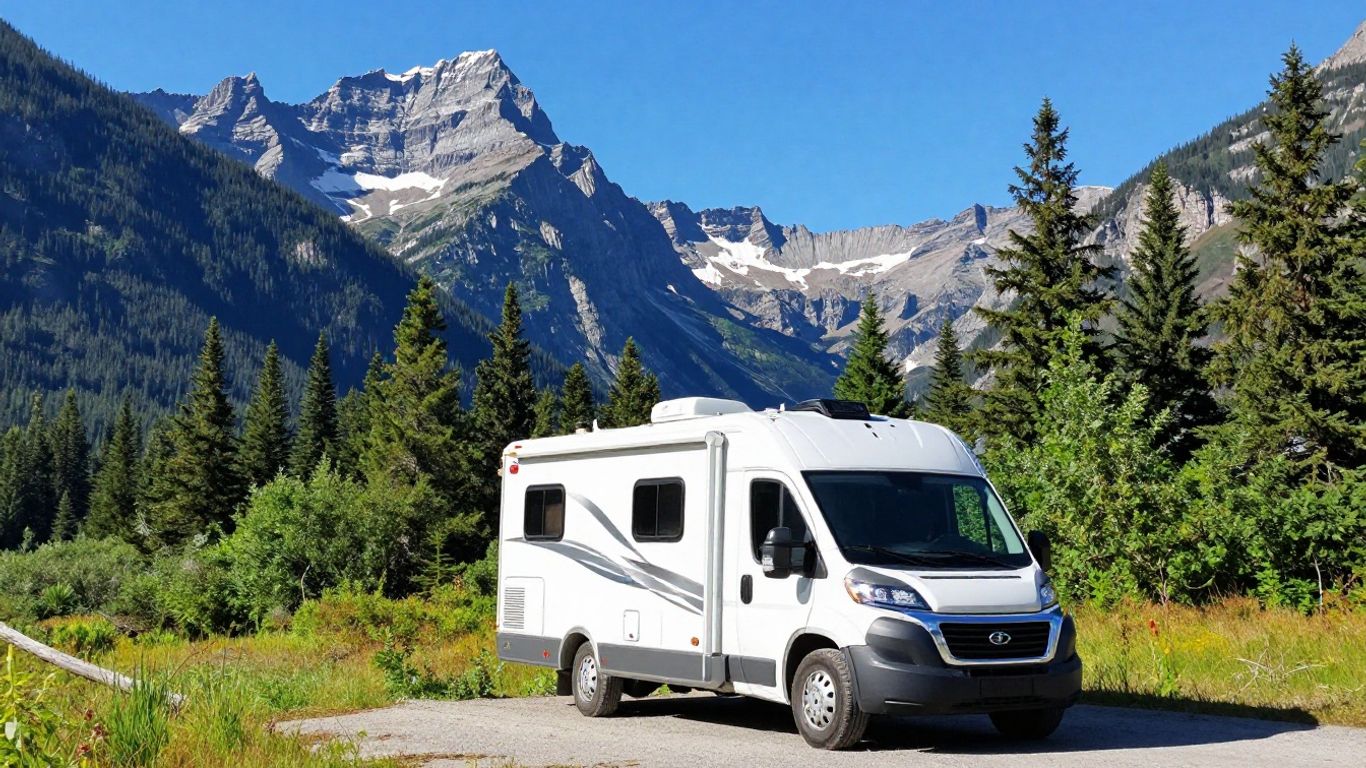
Thinking about an RV trip across Canada? It’s a fantastic way to see the country, but knowing when to book can make all the difference. Weather plays a big part, of course, but so does how many other people are looking to hit the road. We’ll break down the best times to rent an RV in Canada, looking at both the sunshine and the crowds, so you can plan your adventure without any hassle. The best time to rent an RV in Canada really depends on what you’re after.
Key Takeaways
- For the best balance of good weather and fewer people, aim for May, June, or September. You’ll often find better prices and more availability during these shoulder seasons.
- July and August are peak summer months, meaning great weather but also the highest demand, biggest crowds, and most expensive rentals. Book these months way in advance, like six months or even a year ahead.
- Early October can be beautiful in Eastern Canada with fall colors, but be prepared for cooler weather and potential for early snow in some areas.
- Renting an RV in April or late October is possible but requires careful preparation for colder temperatures and unpredictable weather. Campgrounds might be quieter, offering a different kind of experience.
- Always check the weather forecast for the specific regions you plan to visit, as Canada is vast and conditions can vary greatly.
1. Mid-May
Mid-May is a sweet spot for renting an RV in Canada. The snow has mostly melted in many popular areas, and things are starting to open up for the season. You’ll find that campgrounds are becoming available, though they aren’t usually packed yet. This means you have a better chance of snagging a good spot without having to book months in advance.
The weather is generally pleasant, not too hot and not too cold, making it ideal for exploring. You might still encounter a chilly evening, especially if you’re heading north or into the mountains, so packing layers is a good idea. However, daytime temperatures are usually comfortable for hiking, sightseeing, and just enjoying the outdoors.
Here’s a quick look at what you can expect:
- Crowds: Significantly fewer than in peak summer. You’ll have a more relaxed experience at popular attractions.
- Prices: Rental rates and campground fees are often lower than in July and August.
- Availability: RVs are more readily available, and you have a better chance of finding the exact model you want.
- Scenery: Nature is coming alive, with fresh greenery and blooming wildflowers in many regions.
While most major attractions are open, some seasonal activities might just be starting. It’s a great time to get a feel for the country before the big summer rush hits. Planning your trip around this time can give you a good balance of decent weather and manageable crowds, making for a more enjoyable road trip. You can find some great deals on RVs if you look around, especially if you’re flexible with your pick-up location. Remember to check the specific opening dates for any must-see spots you have in mind, as some might still be on a limited schedule. This is a fantastic time for a Canada motorhome trip if you prefer a quieter adventure.
Keep in mind that while mid-May is generally good, Canada is huge. Coastal areas might be a bit cooler and wetter, while inland regions could be warmer. Always check the local forecast for the specific areas you plan to visit.
2. June
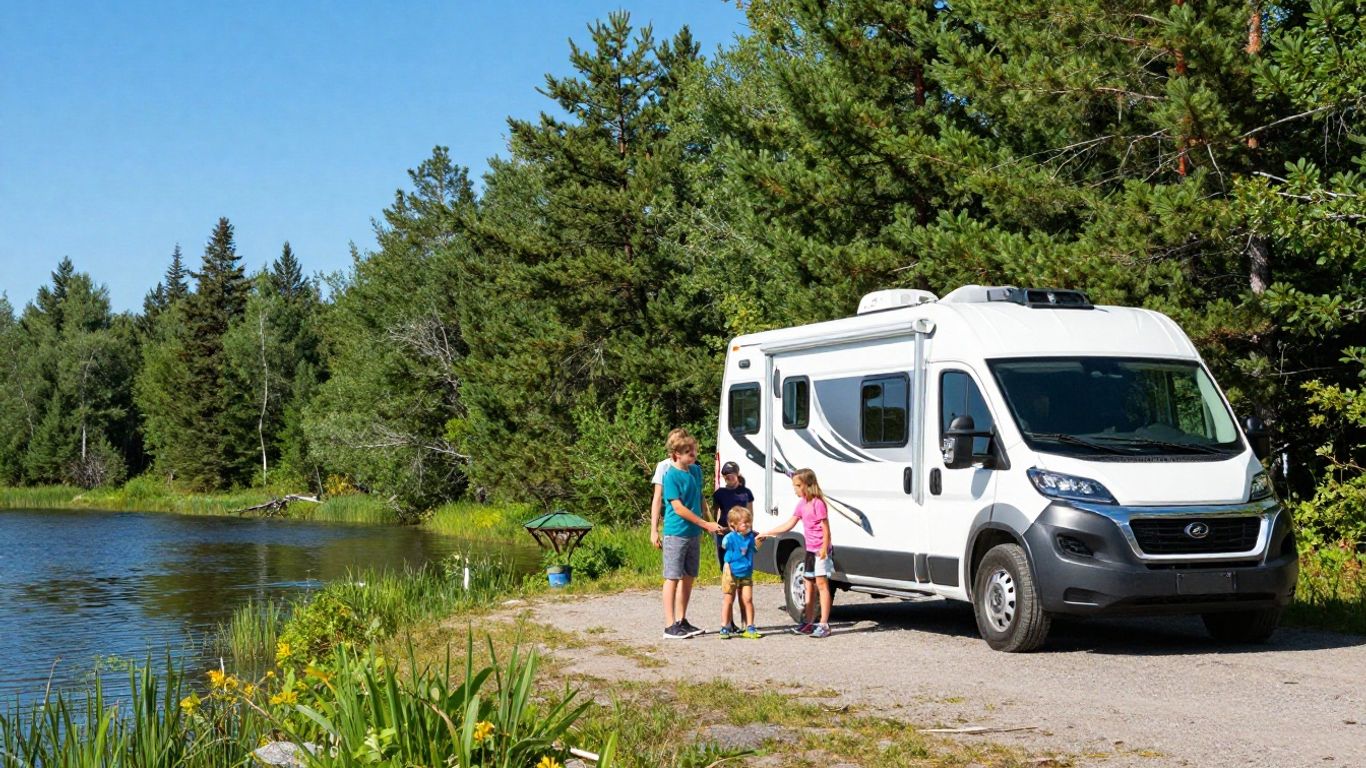
June is when Canada really starts to warm up, making it a pretty popular time for RV trips. The weather across most of the country is generally pleasant, with longer daylight hours perfect for exploring. You’ll find fewer of those lingering spring chills, and the summer crowds haven’t quite hit their peak yet, especially in the earlier part of the month. It’s a sweet spot where you get good weather without the absolute busiest times.
However, as June progresses, especially towards the end, things start to pick up significantly. School holidays are kicking off in many places, and that means more families are hitting the road. Popular spots can start to feel a bit more crowded, and booking your RV and campsites well in advance becomes even more important.
Here’s a quick look at what to expect:
- Weather: Generally mild to warm across most provinces. Expect average highs in the low to mid-20s Celsius (70s Fahrenheit) in many southern areas, though it can still be cooler in the Rockies or further north. Rain is possible, but usually not as persistent as in early spring.
- Crowds: Early June is usually less crowded than late June. Major national parks and popular tourist destinations will start to see more visitors, but it’s typically manageable. By the last week of June, expect a noticeable increase.
- Activities: Many summer festivals and events begin in June. Think outdoor concerts, local fairs, and the start of some major cultural celebrations. Wildlife viewing opportunities are also good as animals are more active.
While June offers a great balance of good weather and manageable crowds, especially in the first half, it’s wise to plan ahead. Booking your RV rental and securing campsites early can make a big difference in your trip’s success and stress levels. Don’t wait too long if you have specific destinations in mind.
If you’re aiming for a balance between good weather and avoiding the absolute peak season rush, the first three weeks of June are often ideal. The last week can feel more like peak summer, so keep that in mind when making your plans.
3. Early July
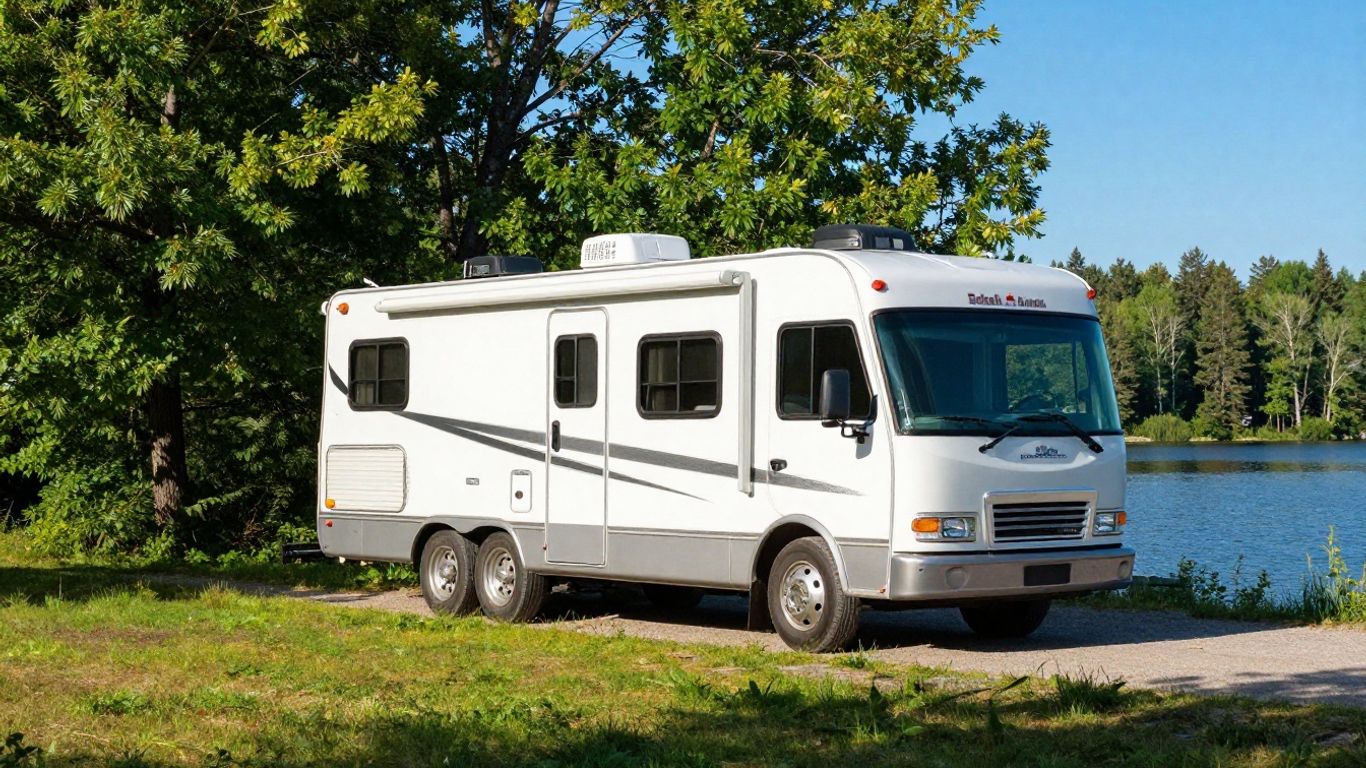
Ah, early July. This is when Canada really hits its stride for RV adventures, but it comes with a bit of a trade-off. The weather is generally fantastic across most of the country – think warm, sunny days perfect for exploring national parks or hitting the coast. Most attractions are fully open by now, from theme parks to smaller roadside museums, so you won’t miss out on much.
This is peak season, though, so expect crowds and higher prices. If you’re dreaming of a specific campsite or a popular national park, you’ll need to have booked your RV and your spots months, maybe even a year, in advance. Seriously, availability can get tight.
Here’s a quick look at what’s happening:
- Vancouver: The city buzzes with events like the tail end of the Vancouver International Jazz Festival and the spectacular Celebration of Light fireworks competition. It’s a great time to be by the water, but also a busy one.
- Calgary: Get ready for the iconic Calgary Stampede, also known as the "Greatest Outdoor Show on Earth." It’s a massive rodeo and festival that draws huge crowds. If that’s not your scene, the Calgary Folk Music Festival often kicks off in late July too.
- General Travel: Roads will be busier, especially around major tourist hubs. Campgrounds will be full, and you might find yourself waiting in line for popular activities.
If you’re set on early July, flexibility is your best friend. Be prepared for higher costs and more people, but the payoff is experiencing Canada at its most vibrant and lively. Booking everything well ahead of time is not just recommended; it’s pretty much a necessity.
4. Mid-August
Mid-August in Canada is pretty much the peak of summer, and that means you’re going to hit the biggest crowds and the highest prices for RV rentals. It’s definitely a popular time to travel, so if you’re set on this window, you’ll want to book your RV way in advance, like, six months ahead if you can. The weather is usually fantastic across most of the country, perfect for hitting up those beaches or exploring national parks.
This is prime time for major summer festivals and events across Canada.
Here’s a quick look at what you might encounter:
- Weather: Generally warm to hot across most of the country. Coastal areas might be a bit milder, while inland can get quite toasty. It’s great weather for swimming, hiking, and just being outdoors.
- Crowds: Expect significant crowds at popular tourist spots, national parks, and campgrounds. Popular attractions will be busy, and you might find yourself waiting in lines.
- Prices: RV rental prices are at their highest during this period. Accommodation in popular areas will also be more expensive.
- Availability: RVs are in high demand. Booking well in advance is absolutely necessary to secure a vehicle. Many campgrounds will also be fully booked.
While mid-August offers the best chance for consistently warm weather and access to all summer attractions, it comes with the trade-off of peak crowds and costs. If you’re looking for a more relaxed experience, you might consider shoulder seasons.
If you’re planning a trip during this busy period, using a Canada RV trip planner can help sort out logistics and suggest less crowded alternatives or ways to maximize your time.
5. September
September in Canada is a sweet spot for RV rentals, offering a fantastic blend of pleasant weather and fewer crowds compared to the peak summer months. The intense heat of July and August has usually subsided, making it much more comfortable for exploring national parks and scenic routes. You’ll find that the leaves start to change, especially in Eastern Canada, creating beautiful landscapes that are perfect for photography.
This shoulder season often means more competitive rental prices and better availability for RVs. It’s a great time to snag a deal if you book ahead, as many rental companies start to adjust their rates after the summer rush. Plus, many summer festivals wrap up by late August, meaning you can enjoy popular destinations without the massive throngs of tourists.
Here’s what you can generally expect in September:
- Weather: Mild to cool temperatures across most of the country. Expect daytime highs in the teens Celsius (50s-60s Fahrenheit) in many southern regions, with cooler nights. Northern areas will be noticeably colder.
- Crowds: Significantly reduced compared to July and August. You’ll have an easier time finding campsites and popular attractions won’t be as packed.
- Scenery: The beginning of the fall foliage season in many provinces, particularly Quebec, Ontario, and the Maritimes. This is a major draw for many travelers.
- Activities: Many outdoor activities are still fully accessible, though some seasonal attractions might start to wind down towards the end of the month.
When comparing motorhome rentals in Canada, consider peer-to-peer options by carefully reviewing feedback, cancellation policies, and insurance coverage. Booking in advance is crucial, especially during peak summer and holiday seasons, to secure better vehicles and prices. Understand seasonal pricing: summer is most expensive, shoulder seasons offer a balance, and winter is cheapest but requires specific preparation. Planning ahead and considering these factors will help you find the best deal and avoid issues.
While the summer months are undeniably popular, September offers a more relaxed and often more affordable RV adventure. You get many of the same benefits – great weather, open roads – without the peak-season hassle. It’s a time when nature puts on a beautiful show, and you can enjoy it at a more leisurely pace.
6. Early October
Early October in Canada can be a really special time for an RV trip, especially if you’re looking for stunning scenery without the peak summer hustle. The big draw here is the "Indian Summer" phenomenon, particularly in Eastern Canada. Think vibrant, multi-colored leaves blanketing the landscape – it’s quite a sight. This period offers a unique visual experience that you just don’t get at other times of the year.
While the weather can start to get a bit chilly, especially as you move further north or later into the month, it’s often still manageable for exploring. You’ll find that crowds have significantly thinned out compared to July and August, making popular spots feel more accessible. This also means you might find better deals on rentals and campsites, though it’s always wise to book ahead. Booking a motorhome in Canada requires advance planning, especially for peak summer months, but shoulder seasons like this can offer more flexibility if you plan a bit in advance.
Here’s what you might expect:
- Weather: Temperatures can range from crisp and cool to downright cold, depending on the region. Expect daytime highs in the single digits Celsius (40s Fahrenheit) in many areas, with nights dropping below freezing. Always check the specific forecast for your intended route.
- Scenery: This is prime time for fall foliage in many parts of the country. Eastern Canada, in particular, is famous for its spectacular autumn colors.
- Crowds: Significantly fewer tourists compared to the summer months. This means more peace and quiet at campgrounds and attractions.
- Activities: While some summer-specific activities might be winding down, hiking, scenic drives, and enjoying the fall colors are still excellent options. Some harvest festivals might still be happening.
RV camping in early October means you’re trading the heat of summer for cooler air and fewer people. It’s a trade-off that many find worthwhile for the chance to see the country in its autumn glory. Just be prepared for cooler nights and pack accordingly.
7. Mid-October
Mid-October in Canada can be a bit of a gamble weather-wise, but if you’re lucky, you might catch some of that stunning fall foliage, especially in Eastern Canada. Think vibrant reds, oranges, and yellows painting the landscape. It’s definitely a quieter time for RV travel compared to the summer rush, meaning fewer crowds at popular spots and potentially better deals on rentals. However, you’ll need to be prepared for cooler temperatures, and some attractions might be winding down their seasonal hours.
Here’s what you might expect:
- Weather: Temperatures can vary a lot. Expect crisp, cool days, but be ready for chilly nights. Frost is a real possibility, especially further north or at higher elevations. Snow isn’t out of the question in some regions.
- Crowds: Significantly fewer than in peak summer. You’ll likely have more space at campgrounds and a more relaxed experience at national parks.
- Scenery: This is the prime time for "Indian Summer" in places like Quebec and Ontario, offering breathtaking autumn colors. It’s a photographer’s dream.
- Activities: Many summer-specific activities will be closed. Focus on scenic drives, hiking (bundle up!), and enjoying the fall colors. Check ahead for any remaining festivals or events.
While the summer months are undeniably popular for RV trips, the shoulder seasons like mid-October offer a different kind of charm. It’s a chance to see Canada in a more subdued, yet incredibly beautiful, light. Just make sure your RV is equipped for cooler weather, and pack accordingly. Don’t forget to check the specific weather forecasts for the regions you plan to visit, as conditions can change quickly.
8. April
April in Canada for an RV trip is a bit of a gamble, honestly. You’re right on the cusp of spring, meaning the weather can be wildly unpredictable. One day might feel like a mild spring afternoon, and the next could bring a surprise snowfall, especially in the northern parts or higher elevations. This means you’ll need to pack for all seasons, just in case.
The biggest advantage of April is the potential for lower rental prices and fewer crowds. Many rental companies are just starting to ramp up their operations for the season, and since it’s not yet peak travel time, you might snag a better deal on an RV. Plus, you won’t be battling for the best campsites or popular attractions.
Here’s a quick look at what to expect:
- Weather: Highly variable. Expect cool to cold temperatures, with a chance of rain or snow. Coastal areas might be milder, but inland and mountainous regions will likely still be quite chilly.
- Crowds: Generally low. You’ll find more availability at campgrounds and a more relaxed atmosphere at tourist spots.
- Scenery: Spring is starting to show its face. You might see early wildflowers in some southern regions, but much of the landscape will still be waking up from winter.
- Activities: Limited outdoor activities compared to warmer months. Hiking trails might be muddy or still have snow. Many seasonal attractions won’t be open yet.
If you’re looking for a budget-friendly trip and don’t mind the possibility of some less-than-ideal weather, April could work. Just be prepared for anything the Canadian spring throws your way and maybe stick to southern routes where things thaw out a bit sooner.
9. Late October
Late October in Canada is really pushing it for RV travel, especially if you’re aiming for comfort. The leaves have mostly fallen, and the air gets pretty crisp, sometimes downright cold, depending on where you are. You might catch the tail end of some fall colors in certain regions, but don’t count on it. It’s definitely an off-peak time, which means fewer crowds and potentially lower rental prices, which is a plus if you’re on a budget.
This is the time to go if you’re prepared for cooler weather and want a more solitary experience.
Here’s what you might expect:
- Weather: Expect temperatures to be chilly, often hovering around freezing or below, especially at night. Snow is a real possibility in many areas, particularly in the mountains or further north. You’ll need to pack warm layers, including hats, gloves, and sturdy footwear.
- Crowds: You’ll find significantly fewer tourists compared to the summer months. This means more availability for campsites and a generally quieter atmosphere. It’s a great time for peace and quiet.
- Scenery: The vibrant fall foliage will likely be gone, replaced by bare trees and a more muted landscape. However, there can be a stark beauty to the autumn chill, and early snow can be quite picturesque.
- Activities: Many seasonal attractions, like amusement parks and some visitor centers, will be closed. Outdoor activities like hiking are still possible, but you’ll need to be prepared for the cold. Campfires might be less appealing when it’s freezing!
If you’re considering an RV trip this late in the season, it’s wise to check the specific weather forecasts for your intended route and destination. Some rental companies might even have restrictions on travel during this period due to potential winter conditions. It’s also a good idea to look into RV rental deals that often pop up during the shoulder seasons, as companies try to fill their fleet before winter storage.
10. November
November in Canada is when things really start to cool down, and the landscape shifts. You’ll find fewer tourists, which means potentially better deals on RV rentals and a more peaceful experience on the road. However, this is also when winter weather starts to make its presence known across much of the country.
This is generally considered the off-season for RVing in Canada, especially for those looking to explore the northern regions.
If you’re set on an RV trip in November, here’s what to keep in mind:
- Weather Variability: Expect cold temperatures, snow, and ice, particularly inland and in the northern provinces. Coastal areas like British Columbia might be milder but still prone to rain and frost.
- Road Conditions: Winter tires are often mandatory, and road closures due to snow are common. Always check provincial road reports before you travel.
- Campsite Availability: Many campgrounds close for the season in October or early November. You’ll need to research and book sites that remain open year-round, often focusing on full-service hookups.
- RV Preparedness: Ensure your rental is equipped for cold weather. This includes things like proper insulation, heating systems, and potentially winterized water systems to prevent freezing.
Traveling in November means embracing a different side of Canada. It’s less about scenic drives through national parks teeming with summer visitors and more about experiencing the quiet beauty of the approaching winter. Think cozy evenings in your RV after a day of exploring snow-dusted towns or enjoying winter activities if you’re in a suitable location.
So, When Should You Rent That RV?
Alright, so planning an RV trip in Canada is pretty cool, but timing is definitely key. If you’re all about that warm weather and long days, summer is your jam, but you gotta book way ahead, like, six months or more, because everyone else wants in too. For a sweet spot with decent weather, fewer people, and maybe even better prices, think about late spring or early fall – June or September are often winners. And hey, don’t totally rule out the shoulder seasons like April, May, or October if you’re prepared for cooler temps and want to see some amazing fall colors or enjoy a quieter vibe. No matter when you go, just keep an eye on the weather, book early, and you’ll be set for an awesome Canadian adventure.
Frequently Asked Questions
When is the best time to rent an RV in Canada?
The warmest and most popular time to rent an RV in Canada is from May to September. This period offers nice weather, perfect for exploring outdoors and going on road trips. July and August are especially busy because the days are longer, giving you more time to enjoy your adventures. Spring (May-June) and fall (September-October) are also great times to visit, with milder weather and fewer people around.
Can I rent an RV in Canada during the colder months?
Yes, you can rent an RV in Canada even when it gets cold, especially in September, October, April, and May. These times can offer beautiful scenery and fewer crowds. However, you’ll need to be more prepared for driving and staying warm. Always check the weather, drive carefully, and make sure your RV is ready for colder temperatures.
Do I need a special driver’s license to rent an RV in Canada?
No, you don’t need a special license. A regular, valid driver’s license from your home country is usually all you need, as long as it’s in the Latin alphabet. You also need to have had your license for at least 12 months. Most rental companies also require drivers to be at least 21 years old.
What is the minimum age to rent an RV in Canada?
The minimum age to rent an RV in Canada is typically between 21 and 25 years old, depending on the rental company. Some companies allow renters as young as 21, while others require you to be 25.
How far in advance should I book my RV rental?
It’s best to book your RV rental as early as possible, especially if you plan to travel during the busy summer months of July and August. Booking at least six months ahead is recommended. Sometimes, you can even book up to a year in advance, which can also help secure better prices.
What happens if I need to cancel my RV rental booking?
Cancellation policies can vary. Usually, you can cancel for free within 72 hours of booking. After that, there might be fees depending on how close your departure date is. Some rental companies offer cancellation protection plans that can cover costs if something unexpected comes up.
Are child car seats available to rent for RVs?
Some RV rental companies offer child car seats, but not all of them. If you need one, it’s best to check with the rental company beforehand. You can also bring your own car seat from home if it meets Canadian safety standards, which most airlines allow you to do for free.
What are the benefits of renting an RV in the spring or fall?
Renting an RV in the spring (May to June) or fall (September to October) can be a great choice. The weather is usually milder than in the peak summer, there are fewer tourists, and rental prices are often more affordable. Fall in Eastern Canada is especially beautiful with its colorful autumn leaves.