
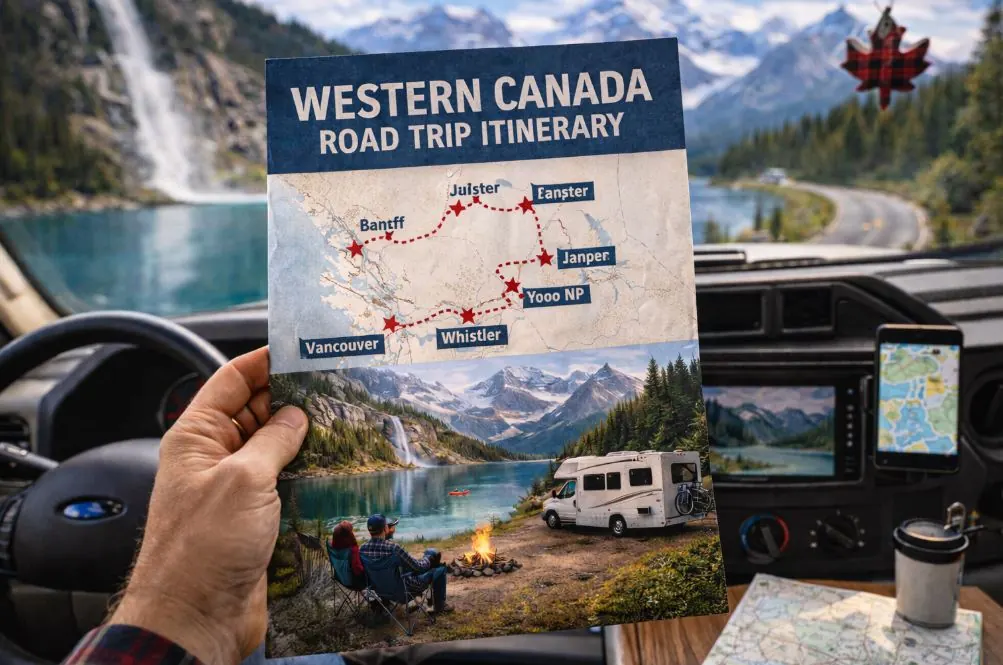
Planning an RV trip across Canada sounds amazing, right? Cruising through the Rockies or along the coast. It’s not like booking a hotel where you can usually change your mind easily. RV rentals have their own set of rules, and understanding them can save you a lot of hassle, and maybe even some cash, if things don’t go exactly as planned. Seriously, take a few minutes to read the fine print.
Key Takeaways
RV rental cancellation policies in Canada can differ a lot between companies, so always check the specific terms before you book.
Consider getting trip insurance specifically for your RV rental to cover unexpected events that might force you to cancel.
Returning your RV early usually means you won’t get a refund for the unused days, unlike some hotel or car rental situations.
Why RV Cancellations Differ from Other Travel
When you book an RV, it’s a bit different than booking a hotel room or a standard car. Think about it: an RV is a home on wheels, and it’s usually a pretty specific one. Rental companies can’t just swap out a luxury RV for a basic campervan easily. Unlike a hotel that might have dozens of identical rooms, or a car rental lot with rows of sedans, an RV is a unique asset. It’s harder for them to fill that spot last minute compared to other travel arrangements. This is why RV rental companies often have stricter cancellation policies.
The Impact of Short-Notice Cancellations
They’ve likely turned down other potential renters for those dates, and now they’re left with an empty vehicle.
Importance of Reviewing Terms Before Booking
Seriously, before you click that book’ button, take a few minutes to read the fine print. It might seem boring, but it’s super important. You need to know exactly what happens if your plans change. Different companies have different rules, and some are way more forgiving than others. Knowing the cancellation policy upfront can save you a lot of stress and money down the road. It’s all about being prepared and avoiding surprises. You can find these details on the rental company’s website, usually linked from the booking page or in their FAQ section. It’s worth checking out rental company policies before you commit.
Key Factors Influencing Your RV Rental Cancellation Policy
Read the cancellation policy before you confirm an RV booking. Refund levels usually depend on how far ahead you cancel, and the terms are not always straightforward.
Varying Policies Across Rental Companies
First off, know that not all RV rental companies operate with the same rules. Just like hotels or airlines have different policies, so do RV places. Some might be more forgiving, while others have pretty strict terms. It’s absolutely vital to read the fine print for the specific company you’re considering. Don’t just assume they all follow the same pattern.
Impact of Booking Time on Cancellation Fees
When you book your RV can really affect how much you’ll lose if you have to cancel. It makes sense when you think about it – it’s harder for the rental company to find someone else to take the RV on short notice. Always check the policy related to how far out your booking is.
Special Offers and Group Bookings
Keep an eye out for special deals or promotions. Sometimes, these come with their own set of cancellation rules that might be different from the standard policy. If you’re booking for a group, there might be a separate group cancellation policy to consider. It’s always a good idea to clarify these details upfront if you’re part of a group reservation or snagging a special offer. You can often find great deals on RV rentals in Canada if you plan ahead.
Navigating Refund Timelines and Fees
So, you’ve had to cancel your RV trip. Bummer. Now comes the part where you figure out what money, if any, you’re getting back. It’s not always straightforward, and honestly, it can get a little confusing with all the different rules.
Refunds Based on Days Before Departure
Most rental companies have a sliding scale for refunds based on how far out you cancel. The earlier you cancel, the more likely you are to get a full or partial refund. It’s pretty standard across the board.
Here’s a general idea of how it often works:
This is the best-case scenario.
Many companies offer no refund at all, especially if you cancel within a week of your trip. You might even lose 100% of what you paid.
Administrative Fees and Deductions
It’s always a good idea to check the specific amount in the rental agreement.
What seems like a small deduction can add up, and understanding these charges upfront can prevent surprises later on.
No Refund Scenarios
There are definitely situations where you won’t get any money back. This often includes:
Last-minute cancellations: If you cancel within a few days of your pickup date, expect to forfeit your entire payment. This is because it’s extremely difficult for the company to find another renter on such short notice.
No-shows: If you simply don’t show up to pick up the RV without any prior notification, you will almost certainly receive no refund.
Early returns: Most companies do not offer refunds for returning the RV before your scheduled return date. You’re essentially paying for the full rental period you booked, regardless of when you actually use it. This is different from hotel or car rentals, where you might get some credit back for unused days. You can check out rental agreement details for more on this.
Specific event exclusions: Some policies might state that certain events, like weather or personal emergencies, don’t qualify for a refund unless you have specific trip insurance.
Specific Cancellation Scenarios and Their Implications
Life happens, right? Sometimes plans just don’t work out, and you need to cancel your RV rental. It’s good to know what to expect when that happens, especially depending on when you booked and when you need to cancel. Different situations have different rules, and understanding them can save you a headache, and maybe some cash.
Cancellations Within 48 Hours of Booking
This is often the sweet spot for cancellations. If you cancel within this window, you might get a full refund, especially if your trip is still a ways off. It’s always worth checking the fine print for this specific window.
No-Show Policies
This is the one you really want to avoid. A no-show’ typically happens when you don’t show up to pick up your RV on the scheduled date and haven’t officially cancelled it according to the company’s policy. In this scenario, most rental companies will consider the rental forfeited. This means you won’t get any refund, and you’ll likely be charged the full rental amount. It’s a pretty harsh outcome, so if you know you can’t make it, always, always cancel officially before your scheduled pickup time.
It’s really important to remember that no refund’ scenarios aren’t just about cancellations. Sometimes, even if you’ve paid, if you don’t follow the specific terms of the rental agreement, you might find yourself out of pocket. Always read the agreement carefully before you sign anything.
Always confirm the exact cancellation deadline. This is usually stated in days or hours before pickup.
Check for different policies based on the type of booking. Special deals or group rentals might have unique rules.
Understand what constitutes a no-show’. It’s usually not showing up without prior cancellation.
Considering Trip Insurance for RV Rentals
Okay, so you’ve booked your RV, picked out your route, and you’re probably picturing yourself cruising down the highway with the windows down. That’s awesome! But what happens if something unexpected pops up? That’s where trip insurance comes in, and honestly, it’s something you should really think about before you hand over that deposit.
Why Trip Insurance is Recommended
Think of trip insurance as a safety net for your adventure. Unlike renting a car or booking a hotel, an RV trip involves a lot more variables. You’re dealing with a vehicle that’s essentially a home on wheels, and mechanical issues can happen. Plus, life itself can throw curveballs – a sudden illness, a family emergency, or even severe weather can force you to change plans. It’s not just about covering the rental itself; it can also protect prepaid expenses like tours or campsite reservations.
Coverage for Unexpected Events
Most decent trip insurance policies for RV rentals will cover a range of scenarios. Here are some common ones:
Medical Emergencies: Some policies include emergency medical coverage, which is super important when you’re traveling in areas where your regular health insurance might not fully cover you.
Baggage Loss or Delay: While less common for RV trips where you pack your own stuff, some policies might offer a small amount of coverage.
Understanding Policy Exclusions
Now, it’s not all-encompassing. You’ve got to read the fine print. Most policies won’t cover things like:
Pre-existing medical conditions unless specifically waived.
Cancellations due to fear of travel or foreseeable events (like a known hurricane path).
Losses due to illegal activities or extreme sports not listed as covered.
Issues arising from not following the rental company’s terms, like driving in prohibited areas. Always check the rental company’s itinerary rules; operating the RV outside your disclosed plan could void coverage [c09a].
It’s always a good idea to compare a few different insurance providers and understand exactly what you’re buying. Don’t just assume it covers everything; ask questions and make sure it fits your specific needs for your Canadian RV adventure.
Likelihood of Reimbursement for Early Returns
So, you’ve got your RV, you’re all set for an epic road trip, but then life happens. Maybe your plans change, or you just decide to head home sooner than expected. It’s a common question: what happens to the money you’ve already paid for the days you won’t be using the RV? Generally speaking, most RV rental companies in Canada do not offer refunds for early returns. Think of it like booking a hotel room; if you check out a day early, you’re usually still on the hook for the full amount you booked.
Comparison to Hotel and Car Rental Policies
It’s helpful to see how this stacks up against other travel bookings. When you rent a car, returning it a day early typically doesn’t get you any money back. Hotels are pretty much the same – you pay for the nights you reserve, whether you sleep in them or not. RV rentals often follow this same principle. The rental company has set aside that specific vehicle for you for the entire duration of your booking, and they’ve likely turned down other potential renters because of your reservation. So, while it might feel like you’re losing money, from their perspective, they’ve held that asset for you.
No Refunds for Early Drop-offs
This is the big takeaway. Don’t count on getting a refund if you decide to bring the RV back before your scheduled return date. Some companies might have a very specific, rare exception, but it’s not something to plan around. It’s always best to assume that any unused rental days are non-refundable. If you’re unsure, double-check your rental agreement or give the company a call before you book. It’s better to know upfront than to be surprised later. Planning your trip duration carefully from the start is your best bet to avoid this situation.
Potential Reasons for Reservation Cancellation by the Provider
Sometimes, even when you’ve got your trip all planned out, the rental company might have to cancel your reservation. It’s not common, but it does happen, and it’s good to know why.
Handling Pricing Errors
This usually happens if the error is significant and was clearly a mistake.
Vehicle Unavailability and Substitutions
Life happens, and sometimes the specific RV you booked isn’t available when you need it. This could be due to unexpected mechanical issues that require extensive repairs, damage from a previous renter that wasn’t fixed in time, or even theft. In these situations, the rental company might try to offer you a comparable substitute vehicle. If they can’t find a suitable replacement, or if the substitute isn’t acceptable to you, they’ll likely cancel the reservation and provide a full refund.
Impact of Technical Issues on Bookings
Modern booking systems are usually pretty reliable, but sometimes technology fails. A major system outage, a data corruption issue, or a problem with their reservation software could potentially lead to cancellations. If a technical glitch causes a booking to be lost, duplicated, or otherwise messed up, the company might have to cancel and sort things out. They should inform you promptly if this affects your reservation and explain how they plan to resolve it.
Understanding Deposit and Payment Requirements
Cancellation terms are tied to the deposit and payment schedule, which for RV rentals usually has more stages than a hotel booking.
Reservation Deposit Amounts
Most rental companies will ask for a reservation deposit when you first book. Think of it as your initial commitment. This deposit helps the company secure the vehicle for you and shows you’re serious about the booking.
Security Deposit Details
This is where things can get a bit more substantial. The amount can vary quite a bit, but it’s common to see figures around $500 to $1,000. This deposit is usually handled via a credit card pre-authorization or sometimes cash. The good news is that if you return the RV in good condition, with no issues, this deposit is fully refundable. However, it’s important to know that the rental company might hold onto it for a bit after you return the vehicle, just to make sure everything checks out.
Accepted Payment Methods
When it comes to paying for your RV rental, most companies are pretty flexible. You’ll generally find that major credit cards are widely accepted for both the reservation deposit and the security deposit. Some companies might also accept electronic fund transfers or even cash for the security deposit, though this can be less common. It’s always a good idea to check with the specific rental company about their preferred payment methods to avoid any last-minute surprises.
Here’s a quick rundown of what to expect:
Security Deposit: A larger sum, held to cover potential damages or extra charges. Typically refundable if the RV is returned in good condition.
Payment Options: Primarily major credit cards, sometimes electronic transfers or cash.
Remember, the security deposit isn’t a cap on your liability. If damages exceed the deposit amount, you could still be on the hook for the difference. Always read the fine print regarding what constitutes damage and how the deposit is handled upon return.
Additional Charges and Fees to Be Aware Of
It’s good to know about these beforehand so you don’t get any surprises.
Late Return Fees
Returning the RV after the agreed-upon time can get pricey. For instance, one place might charge $25 for every hour you’re late. If you think you’ll be late, give the rental company a heads-up as soon as possible.
Cleaning and Odor Charges
Rental companies expect you to return the RV in a reasonably clean condition. This usually means emptying the trash, wiping down surfaces, and making sure it’s not a complete mess. " It’s best to stick to the rules about smoking and pets.
Penalties for Tampering with Devices
Some RVs come equipped with tracking devices or other technology. Tampering with these, or trying to disable them, can lead to significant penalties. These devices are often used for security and to track mileage. Messing with them could result in hefty fines or charges for repair or replacement.
Cleaning: Expect charges if the RV isn’t returned in good condition.
Fuel: Most rentals require you to return the RV with a full tank of gas.
Generator Use: Some companies charge per hour for generator use.
It’s always a good idea to read the fine print of your rental agreement. These extra charges are usually detailed there, and knowing them upfront can help you avoid unexpected expenses. Think of it like packing for a trip – you check the weather and pack accordingly.
Other Potential Charges
Fines: You’re responsible for any speeding tickets, parking violations, or tolls incurred during your rental. The company will likely charge these to your credit card if they receive them.
Mileage: While some rentals include unlimited mileage, others have limits. Exceeding the allowed mileage can result in per-mile charges.
Restrictions and Prohibited Activities Affecting Your Rental
So, you’ve booked your RV adventure across Canada, awesome! But before you hit the road, let’s chat about some important rules. Think of these like the fine print that actually matters, the stuff that can save you a headache (and a lot of cash) down the line. It’s not just about where you can drive, but also how you treat the rig and what you do with it.
Travel Restrictions and Prohibited Areas
Canada is huge, and some areas are just not meant for RVs, or at least not for rental ones. Most companies will give you a list of places you absolutely cannot go. This often includes:
Off-road driving: Forget about hitting those dusty trails or logging roads. Unless it’s a maintained campground road, stick to pavement.
Northern territories and specific remote regions: Areas like the Yukon, Northwest Territories, and sometimes even parts of Newfoundland can be off-limits. 5 degrees North, and certain roads might be completely forbidden.
International travel: While crossing into the US is often fine with Canadian-registered RVs (and vice versa), one-way rentals between countries are usually a no-go. Plus, Canadian residents typically can’t rent a US-registered vehicle to drive into Canada, and the same applies the other way around.
Always provide your intended itinerary to the rental company. Significant changes without notice could lead to serious issues, including authorities being contacted. It’s about safety and making sure the vehicle is used as intended.
Rules Regarding Smoking and Vaping
This one’s pretty straightforward: no smoking or vaping inside the RV. Period. This applies to tobacco and cannabis. Keep windows and doors shut when you’re near campfires too, to avoid lingering smells. Some RVs might even have rules about strong food odors.
Consequences of Criminal Activity
This might seem obvious, but don’t use the RV for anything illegal. Committing crimes while using the rental vehicle will void your agreement immediately. It’s a simple rule: keep it clean, keep it legal.
Wrapping Up Your RV Rental Plans
It’s not always straightforward, and what seems like a good deal upfront could get complicated if your plans change. Different companies have different rules, and some are much stricter than others. Reading the fine print now can save you a lot of headaches and money later. Think of it as part of the adventure planning – a little bit of homework now means a smoother trip later on. Happy travels!
Why are RV rental cancellation rules different from hotels or car rentals?
RV rentals are a bit trickier to re-rent at the last minute compared to hotel rooms or cars. When you cancel an RV, the company often can’t easily fill that spot, meaning the vehicle might just sit there unused. This is why their cancellation policies can be stricter.
Can I get a refund if I return the RV early?
Generally, no. If you decide to end your RV trip before the scheduled return date, don’t expect to get money back for the unused days. Unlike some hotels, RV rental companies usually don’t offer refunds for early returns.
What should I do if the RV company cancels my booking?
Sometimes, the rental company might have to cancel, perhaps due to a pricing mistake or if the vehicle isn’t available. In such cases, they are usually required to give you back any deposit or payment you’ve made. They might also offer a different vehicle, but you’re not obligated to accept it if it’s not suitable.
Is trip insurance a good idea for RV rentals?
Yes, it’s highly recommended! Trip insurance can protect you if something unexpected happens, like a medical emergency or a last-minute problem that forces you to cancel your RV trip. It can help you get your money back.
What are common fees I should watch out for?
Always check the rental agreement for these.
Are there places I’m not allowed to drive the RV?
Yes, most rental companies have restrictions. You often can’t drive on unpaved roads, logging roads, or in certain remote areas like some parts of the far north. Driving in these forbidden zones can void your insurance and make you responsible for all damages.
What are the rules about smoking and pets in the RV?
Many RVs are strictly non-smoking, including vaping.
Use this guide for trip ideas, not a current quotation or a guarantee of access, safety, inclusions or availability. Confirm the requirements and conditions for your dates, destination and provider before booking.