

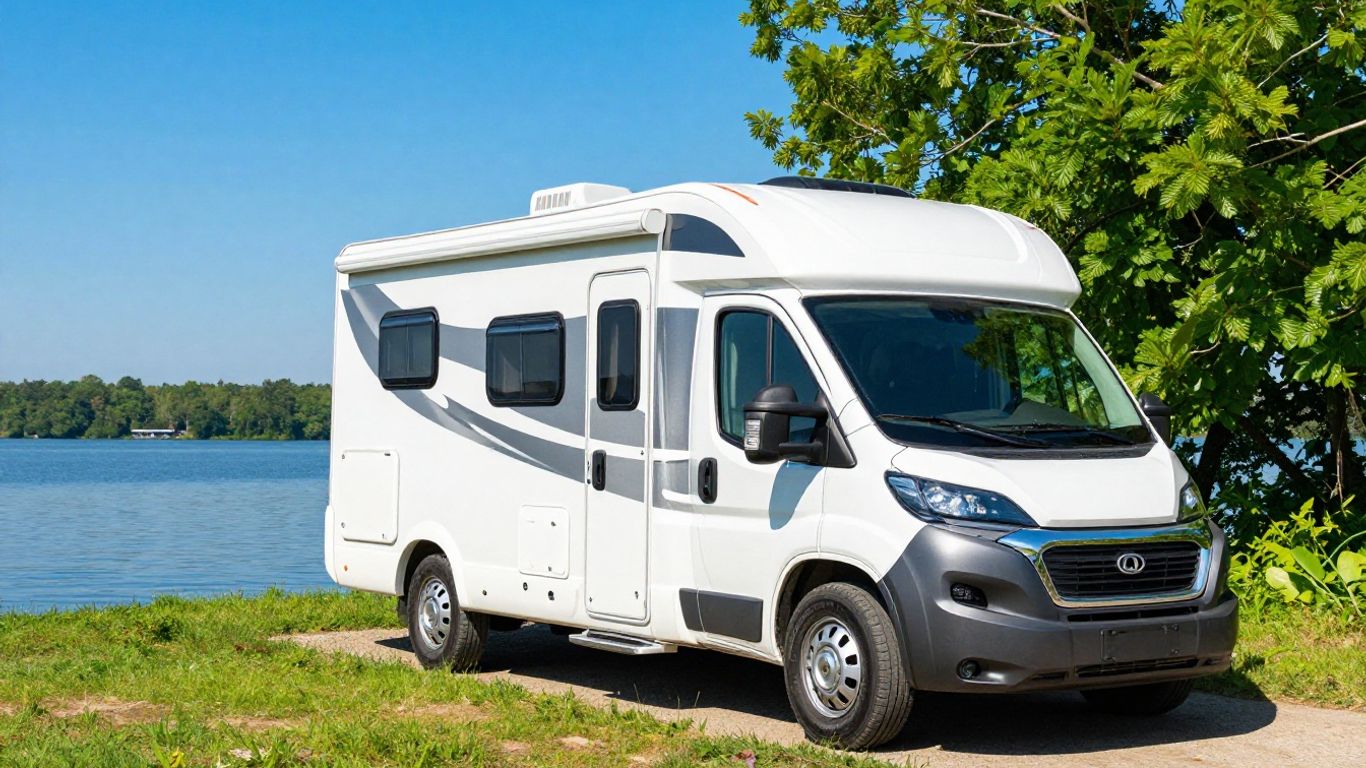
If you’re looking to stretch your camping adventures beyond summer, the Canada RV season guide is your new best friend. The truth is, camping in Canada doesn’t have to stop when the leaves start falling or even when the snow hits the ground. Every month brings its own set of changes, from campground closures to new opportunities for winter fun. Whether you’re chasing fall colors, planning a snowy getaway, or just want to know which parks are open, this guide will help you figure out what to expect month to month. Let’s see how you can make the most of RVing in Canada, all year long.
Key Takeaways
- The Canada RV season guide shows that camping doesn’t have to end with summer—many parks and private campgrounds are open well into fall and even winter.
- Campground closing dates vary by province, but most shut down between late September and mid-October. Some, like Algonquin’s Mew Lake or Banff’s Tunnel Mountain Village II, are open all year.
- Autumn camping means fewer crowds, less bugs, and beautiful scenery, but you’ll need to prep your gear for cooler weather and shorter days.
- Winter RVing in Canada is possible with the right setup—think insulated RVs, heated tanks, and a stash of warm clothes. Some parks even offer winter activities like skating and skiing right onsite.
- Every region is a bit different, so always call ahead to check campground status, and don’t be afraid to try out off-season camping—you might end up loving it.
Embracing the Extended RV Season
Discovering Year-Round Camping Opportunities
Lots of people think RV season wraps up when the leaves fall, but that’s really just the beginning of a whole new adventure for many. You don’t have to pack your RV away for the winter. In fact, with a little planning, you can enjoy camping well into the colder months, and some spots are even open year-round. It’s about seeing your RV as more than just a summer toy; it’s a four-season home on wheels. Think about it: fewer crowds, different scenery, and the chance to experience Canada in a way most people miss.
Combining RVing with Winter Activities
Why limit your RV trips to just hiking and swimming? The extended season opens up a world of winter fun. Imagine parking your RV near a ski resort or a curling bonspiel. Instead of driving back and forth, you’ve got your cozy home base right there. It makes attending events so much easier and safer, especially if the weather turns. Plus, you can find parks that offer activities like skating on frozen ponds, snowshoeing, or cross-country skiing right from your campsite. It’s a fantastic way to make the most of your RV investment all year long.
Planning Your Extended Season Adventure
Getting started with extended season RVing doesn’t have to be complicated. The first step is simply to reach out to campgrounds you’re interested in. Ask about their operating dates and what amenities are available during the shoulder seasons or winter. You might be surprised by how many places offer extended stays, sometimes with special arrangements like paying a small storage fee to keep your RV set up.
Here are a few things to consider when planning:
- Check campground schedules: Not all parks close on the same date. Some provincial and national parks have specific closing dates, while private campgrounds might stay open longer.
- Research winter activities: Look for areas that offer winter sports or attractions you enjoy. This could be anything from ice fishing to visiting winter festivals.
- Prepare your RV: Make sure your rig is ready for colder weather. This includes things like ensuring your heating system works well and considering extra insulation.
Extending your RV season is all about adapting your approach. It means being prepared for different weather and embracing the unique experiences that come with camping outside the typical summer months. Don’t be afraid to try it out, even if it’s just for a weekend trip to start.
Navigating Campground Closures Across Canada
As the leaves start to turn and the air gets a bit crisper, many RVers start to wonder about campground schedules. It’s a common question: when do the campgrounds actually close for the season? While summer is prime time for many, knowing the closing dates helps you plan those last autumn trips or even look ahead to year-round options. Most campgrounds across Canada typically wind down operations between late September and mid-October. However, this isn’t a hard and fast rule, and there are definitely exceptions.
Understanding Typical Seasonal End Dates
Generally, provincial and national parks aim to close by the Thanksgiving long weekend, which falls in early October. Mountainous regions often see earlier closures due to snow. For instance, in Alberta, parks like Peter Lougheed might close in early October, while Banff’s Tunnel Mountain Village II stays open longer. Similarly, in British Columbia, higher elevation sites close sooner than those on the coast. It’s always a good idea to check the specific park’s website for their exact closing date.
Identifying Parks with Extended Operations
Don’t pack up your RV just yet! Many parks and private campgrounds extend their seasons, especially in milder coastal areas or regions popular for winter activities. Some parks, like Goldstream Provincial Park in BC or Tunnel Mountain Village II in Banff, offer year-round camping with amenities like electrical hookups. Private RV resorts, particularly around Vancouver Island and the Lower Mainland, often provide winterized sites for those who want to keep RVing. These places can be great for a quieter, off-season getaway. You can find a list of parks that stay open for extended season camping.
Provincial and National Park Closing Schedules
Here’s a quick look at what to expect in different regions:
- British Columbia: Most provincial campgrounds close by mid-to-late October. Coastal parks often stay open longer.
- Alberta: Parks usually close around Thanksgiving. Mountain parks may close earlier.
- Ontario: Many close around Thanksgiving, but some, like Algonquin’s Mew Lake, are open year-round.
- Quebec: SEPAQ campgrounds generally close mid-October, but sites near ski areas often stay open.
- Atlantic Canada: Some provinces, like PEI and Newfoundland & Labrador, see closures by late September or early October. A few private campgrounds remain open, often for long-term stays.
Planning ahead is key. Knowing when your favorite spots close allows you to make the most of the remaining camping days and explore new possibilities for off-season adventures. Don’t let the calendar dictate your RVing fun!
It’s worth noting that private campgrounds can have different schedules than public parks. Many private operators are extending their seasons to cater to the growing number of RVers who enjoy camping in cooler weather, participating in winter sports, or simply seeking a more peaceful experience. These private facilities are often a good bet for finding open sites later into the fall and even through the winter months.
Fall RVing: A Transition to Cooler Months
As the leaves start to turn those vibrant shades of red and gold, there’s a special kind of magic that settles over the Canadian landscape. This is when RVing takes on a whole new feel, moving from the bustling summer crowds to a more peaceful, introspective experience. The crisp air and stunning scenery make autumn a prime time for exploring. It’s a season that invites you to slow down, enjoy the quiet beauty, and really connect with the outdoors before winter fully sets in.
The Appeal of Autumn Camping
There’s something undeniably charming about camping when the temperatures drop a bit. You trade the intense heat of summer for comfortable days perfect for hiking and exploring. Plus, campgrounds tend to be less crowded, offering a more serene atmosphere. Imagine sitting by a campfire, wrapped in a cozy blanket, with the scent of woodsmoke and fallen leaves in the air – it’s pretty unbeatable. Many find that the cooler weather actually makes outdoor activities more enjoyable, and the visual spectacle of fall foliage is a huge draw. It’s also a great time to visit popular spots without the peak season rush.
Gear and Preparation for Fall Adventures
Getting your RV ready for fall means thinking about warmth and comfort. You’ll want to make sure your heating system is in good working order. Consider adding extra insulation, like draft stoppers for windows and doors, to keep the chill out. Don’t forget warm bedding, extra blankets, and cozy layers of clothing. Having a good supply of firewood is also a must for those evening campfires. It’s also wise to check your RV’s seals and weather stripping to prevent any unwanted drafts.
- Check your RV’s heating system: Ensure it’s running efficiently and has enough fuel.
- Pack extra warm clothing: Think layers, including thermal underwear, fleece, and waterproof outer gear.
- Bring along cozy bedding: Consider electric blankets or flannel sheets for extra warmth.
- Don’t forget firewood: Stock up for those essential evening campfires.
Maximizing Your RV Experience in October
October is often the heart of fall RVing. The weather can be unpredictable, so flexibility is key. You might experience crisp, sunny days perfect for sightseeing, or cooler, rainy ones that call for cozying up inside your RV with a good book and a warm drink. Many provincial and national parks still have facilities open, but it’s always best to check their schedules. Some campgrounds offer reduced rates during the shoulder season, making it a more budget-friendly time to travel. Planning your route to include scenic drives through areas known for their fall colors can make for an unforgettable trip.
Embracing the fall season in your RV means adapting to changing weather. It’s about enjoying the beauty of nature’s transition, finding comfort in cooler temperatures, and appreciating the quieter side of the camping experience. With a little preparation, you can make the most of these beautiful autumn months on the road.
Winter Camping: Embracing the Cold
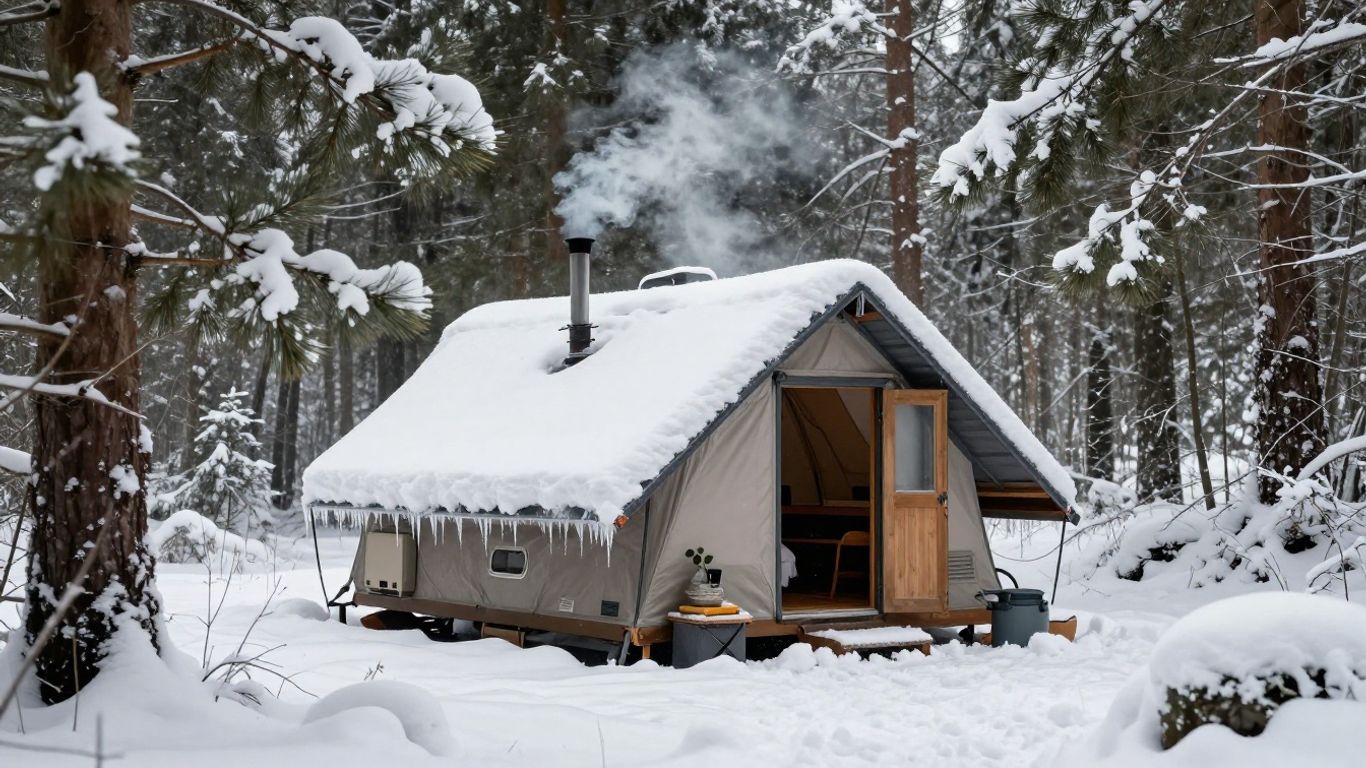
Winter RVing might sound a bit wild, but honestly, it’s where some of the most peaceful and stunning trips happen. Think about it: snow-covered trees, quiet trails, and the whole place feels like it’s yours. It’s a different kind of quiet than you get in the summer, a really deep kind of calm. Plus, you get to see parts of Canada that are just magical when they’re dusted in white. It’s not just about surviving the cold; it’s about really enjoying it.
Preparing Your RV for Sub-Zero Temperatures
Getting your RV ready for the cold isn’t just about turning up the heat. You’ve got to think about what the freezing temps can do to your rig. It’s like getting a winter coat for your home on wheels.
- Insulation is Key: Check your RV’s insulation. Adding extra insulation, especially around windows and doors, makes a huge difference in keeping the heat in and the cold out. Think about those reflective window covers – they’re surprisingly effective.
- Plumbing Protection: This is a big one. You don’t want your water lines freezing. Many RVers use heated water hoses or make sure their tanks are well-protected. Some even drain their systems completely if they’re not planning on using water for extended periods.
- Battery Power: Cold weather really drains batteries. Make sure yours are in good shape and consider getting a battery warmer or extra insulation for them. You’ll need all the power you can get for heating and lights.
- Propane Levels: Your furnace runs on propane, so keep a close eye on your tanks. It’s a good idea to have at least one full tank and maybe even a spare, especially if you’re heading somewhere remote.
Winter camping requires a bit more attention to detail than summer trips. It’s about being proactive and understanding how the cold affects your RV’s systems. A little preparation goes a long way in making your trip comfortable and safe.
Essential Gear for Winter RV Travel
Beyond the usual camping stuff, winter travel needs a few special items. It’s all about staying warm, safe, and comfortable when the temperature really drops.
- Warm Clothing Layers: This is non-negotiable. Think thermal base layers, fleece mid-layers, and a good waterproof/windproof outer shell. Don’t forget warm socks, gloves, and hats – you’ll need them more than you think.
- Snow Gear: If you plan on doing any walking or exploring, snowshoes or good winter boots are a must. A small shovel can also be incredibly handy for clearing snow around your RV or digging out a stuck tire.
- Heating Aids: While your RV furnace is the main player, things like electric blankets or portable propane heaters (used safely, of course!) can add extra warmth. Just be mindful of ventilation with any fuel-burning heaters.
- Emergency Kit: This should be more robust for winter. Include extra blankets, non-perishable food, a first-aid kit, jumper cables, a flashlight with extra batteries, and maybe even a portable power bank for your devices.
Safety and Comfort in Cold Weather
Staying safe and comfortable is the name of the game when RVing in winter. It’s about making smart choices so you can actually enjoy the experience without constantly worrying about the cold.
- Road Awareness: Winter roads are tricky. Black ice can appear out of nowhere, especially in shaded areas. Drive slower, give yourself extra stopping distance, and be extra cautious when pulling over or parking.
- Stay Connected: Let someone know where you’re going and when you expect to be back. Cell service can be spotty in winter, so having a plan for communication is important. Consider a satellite messenger if you’re going really off-grid.
- Ventilation: It sounds counterintuitive, but you need to ventilate your RV, even when it’s freezing. This helps prevent moisture buildup from cooking and breathing, which can lead to condensation and mold. Cracking a window slightly, especially when using propane appliances, is a good idea.
- Know Your Limits: Don’t push it. If the weather looks too severe or you’re not feeling prepared, it’s okay to change your plans. Sometimes the best adventure is the one you postpone until conditions are better.
Year-Round RV Destinations in Canada
British Columbia’s Coastal Retreats
When you think about RVing in Canada during the colder months, British Columbia’s coast often comes to mind first. The climate here is much milder than in other parts of the country, making it a popular choice for those who want to keep their RVs on the road longer. Parks like Goldstream Provincial Park and Alice Lake are known to stay open, offering a chance to experience the Pacific Northwest’s lush, green scenery even when snow blankets other regions. Many private RV resorts along the coast also provide winterized hookups, so you can stay connected and comfortable. It’s a great spot to enjoy the quiet beauty of the off-season without the extreme cold.
Alberta’s Mountain and Prairie Options
Alberta offers a bit of a mixed bag when it comes to year-round RVing. In the mountains, places like Tunnel Mountain Village II in Banff National Park are often open, giving you access to stunning winter landscapes and activities like skiing and snowshoeing. Imagine waking up to snow-capped peaks right outside your RV! On the prairie side, you’ll find that private RV parks near cities like Calgary and Edmonton tend to cater to long-term stays and winter visitors, sometimes serving snowmobilers or those working in the area. These spots usually have the necessary hookups to keep you warm.
Ontario’s Four-Season Campgrounds
Ontario has some fantastic options for those looking to extend their RV season well into the cooler months, and even through winter. Parks such as Algonquin’s Mew Lake, MacGregor Point, and Pinery Provincial Park are well-equipped for colder weather. They often feature heated comfort stations, and the surrounding areas are perfect for activities like cross-country skiing and snowshoeing. It’s a chance to really embrace the Canadian winter from the comfort of your RV, with access to trails and natural beauty that changes with the seasons.
Many private campgrounds and RV resorts across Canada are increasingly opening their doors for the off-season. They recognize the growing interest in year-round RVing and are adapting their facilities to accommodate travelers looking for winter adventures, whether it’s for sports, work, or simply a quieter camping experience.
Here’s a quick look at some parks known for extended seasons:
- British Columbia: Goldstream Provincial Park, Alice Lake, various coastal private resorts.
- Alberta: Tunnel Mountain Village II (Banff), select private parks near Calgary and Edmonton.
- Ontario: Mew Lake (Algonquin), MacGregor Point, Pinery Provincial Park.
Regional RV Season Variations
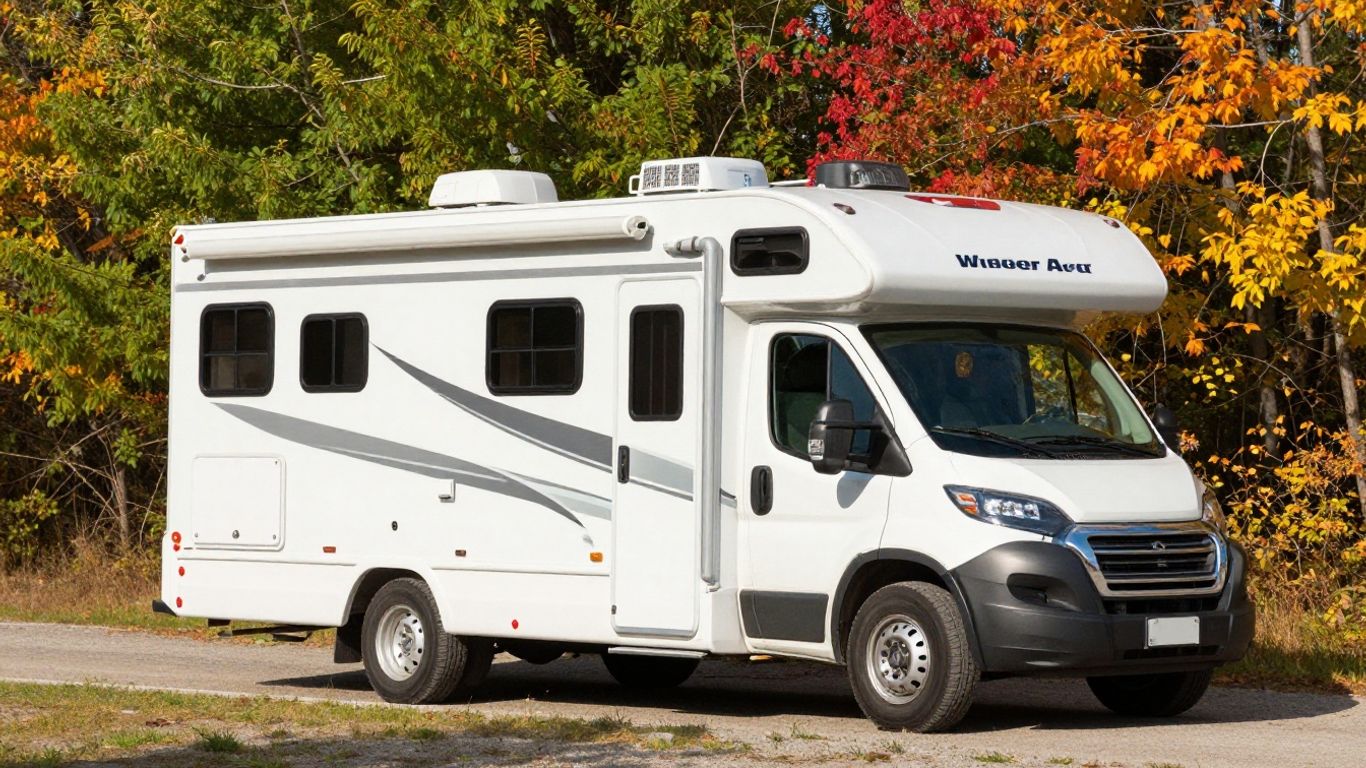
Canada is a big place, and when you can comfortably RV really changes depending on where you are. It’s not just about the calendar; it’s about the climate and local attitudes towards camping when it’s chilly.
Quebec’s Ski Region Campgrounds
If you’re into winter sports, Quebec is a fantastic spot. Many campgrounds near popular ski resorts stay open well into the spring, sometimes even all winter. Think about ringing in the New Year with a campfire under the stars, then hitting the slopes the next day. Some parks even offer special deals where you can pay a small storage fee to keep your RV set up, and they’ll handle snow removal. It’s a pretty sweet deal if you ask me.
- Ski-in/Ski-out Access: Some campgrounds are literally steps away from the ski lifts.
- Winter Activities: Beyond skiing, you’ll often find opportunities for snowshoeing, cross-country skiing, and even ice skating on frozen ponds.
- Community Feel: Winter camping can be a close-knit experience, with fellow enthusiasts sharing tips and stories around the fire.
Atlantic Canada’s Coastal Stays
Out east, the RV season tends to be a bit shorter, especially along the coast. The salty air and ocean views are amazing in the summer, but things quiet down significantly by late September or October. Some campgrounds might stay open for a few weeks into the fall, catering to folks who enjoy the dramatic, windswept scenery before the snow really sets in. You’ll need to do some digging to find these spots, as many are privately owned and might not advertise their extended season widely.
Finding open campgrounds in Atlantic Canada during the shoulder seasons requires a bit more legwork. It’s often a case of calling ahead and asking directly about availability, rather than relying on online booking systems that might show them as closed.
Prairie Provinces’ Winter Offerings
The Prairies can be harsh in the winter, no doubt about it. However, for the adventurous RVers, there are still options. Some provincial parks might keep certain campgrounds open, especially those closer to urban centers or popular winter activity areas. You might find places that offer basic services like power hookups, allowing you to stay warm while exploring ice fishing, snowmobiling, or just enjoying the vast, quiet landscapes. The key here is preparedness; you absolutely need to make sure your RV is winter-ready.
- Ice Fishing: Many lakes freeze over, providing excellent opportunities for ice fishing.
- Snowmobiling Trails: Designated trails often crisscross the landscape, offering miles of riding.
- Stargazing: With minimal light pollution, the prairie night sky is spectacular, even in winter.
Preparing for Winter RV Travel
Getting your RV ready for colder weather is a big step, but it opens up a whole new world of camping. It’s not as complicated as it might seem, and with a little planning, you can stay cozy even when it’s freezing outside.
Choosing a Winter-Ready RV
Not all RVs are built the same when it comes to cold weather. Some come from the factory with features designed for year-round use, like heated tanks and better insulation. If you’re buying or renting, look for RVs that are specifically advertised as ‘four-season’ or ‘winterized.’ These often have double-paned windows, enclosed underbellies, and more robust heating systems. If you’re not buying new, don’t worry too much. Many rental companies offer units that have already been prepped for the cold, and they can guide you on what to look for based on your trip plans. Discussing your route and needs with the rental expert is a good idea to find the right fit.
Winterizing Your RV’s Systems
This is where you make sure your RV’s plumbing and other systems can handle freezing temperatures. If your RV isn’t designed for full-time winter use, you might need to get creative. A common method is to bypass your fresh water tank and use jugs of water for cooking and drinking. For washing dishes, you can use a dishpan in the sink and catch the water. Some folks even use plastic bags in the toilet bowl for easier disposal, or opt for a portable toilet. It sounds a bit basic, but it works. You’ll also want to pay attention to drafts. Adding foam insulation around window edges and using snug-fitting window coverings can make a big difference in keeping heat in and cold out. Make sure all your safety detectors – carbon monoxide, smoke, and propane – are working correctly. A portable generator is also a smart item to have on hand, just in case the power goes out.
Keeping moisture under control is key in winter. You might notice condensation on your windows. A simple trick is to leave two vents slightly open, about the width of two fingers. Yes, a little heat will escape, but so will the moisture. Running a ceiling fan for a bit can help clear things up quickly. It really does help!
Packing Essentials for Cold Weather
Beyond your usual travel gear, winter RVing needs a few extra things. Think layers for clothing: moisture-wicking base layers, warm socks, waterproof gloves, and hats are a must. Extra blankets and thermal bedding, maybe even an electric blanket, can make sleeping much more comfortable. Don’t forget an emergency kit with extra food, water, flashlights, batteries, and a first-aid kit. A shovel, ice scraper, and de-icer are also good to have. If you plan on driving on less-traveled roads, consider a satellite phone or an offline GPS device. Always let someone know your travel plans and expected stops before you leave. This is super important for safety. Remember, flexibility is your friend; be ready to change your plans if the weather turns nasty. You can find great deals on RV rentals during the shoulder seasons, like late spring, which can be a good way to test the waters before committing to a full winter trip.
Making the Most of Your Canada RV Season Guide
So, you’ve got this guide to RVing across Canada, and you’re wondering how to really get the most out of it, especially when the calendar pages turn past the usual summer months. It’s all about shifting your perspective and seeing the opportunities that pop up when the crowds thin out. The real magic happens when you embrace the shoulder seasons and even winter itself.
Leveraging Off-Season Opportunities
Think of the spring and fall as bonus rounds for your RV adventures. Campgrounds that might be packed in July often have plenty of space in May or September. This means more peace and quiet, often lower rates, and a chance to really connect with the places you’re visiting without the hustle and bustle. Plus, the scenery in the fall, with all the changing leaves, is just spectacular. It’s a different kind of beauty than summer, and totally worth experiencing.
Adapting Your Camping Style
Camping in cooler weather or even full-on winter requires a few tweaks to your usual routine. It’s not just about throwing on an extra sweater. You’ll want to think about things like:
- RV Prep: Making sure your RV is ready for colder temps is key. This includes things like insulating your tanks, checking seals on windows and doors, and maybe even getting some all-weather tires.
- Gear Up: Extra blankets, a good quality propane heater, and maybe even some insulated window covers can make a huge difference in comfort. Don’t forget things like a good shovel and extra flashlight batteries – you never know!
- Activity Planning: Instead of just hiking, think about ice fishing, snowshoeing, or visiting local winter festivals. Many areas that are popular summer spots transform into winter wonderlands with their own unique activities.
Enjoying the Canadian RV Lifestyle Year-Round
Ultimately, making the most of your RV season guide means realizing that your RV isn’t just a summer toy. It’s a ticket to experiencing Canada in all its glory, no matter the month. From the crisp air of an autumn forest to the quiet beauty of a snow-covered landscape, there’s so much to discover. It just takes a little planning and a willingness to step outside your usual camping comfort zone. You might be surprised at how much you enjoy the solitude and unique charm that comes with RVing when the weather gets a bit more challenging.
The beauty of extending your RV season lies in discovering hidden gems off the beaten path. The solitude of winter roads allows you to truly connect with nature. Whether it’s the opportunity to explore small towns with local charm or experience spontaneous encounters with wildlife against a snowy backdrop, there is a fresh perspective around every corner.
Don’t Pack Up Just Yet!
So, as you can see, the Canadian RV season doesn’t have to end when the leaves start to fall. While many campgrounds do close up shop after Thanksgiving, there are still plenty of opportunities to get out there. Whether you’re looking for a crisp autumn getaway or even a full-on winter adventure, with a bit of planning and the right gear, you can keep your RV rolling. More and more places are opening up for the off-season, and people are really starting to embrace camping in the cooler months. Don’t let your RV sit idle – there’s a whole lot of Canada to explore, no matter the temperature.
Frequently Asked Questions
When do most Canadian campgrounds close for the season?
Generally, most campgrounds in Canada shut down for the season sometime between late September and mid-October. However, this can change depending on the province and whether it’s a national, provincial, or private park.
Are there campgrounds open all year in Canada?
Yes, absolutely! Some parks, especially in milder areas like coastal British Columbia or southern Ontario, stay open year-round. Many private RV resorts also offer services for winter campers.
What are the benefits of RVing in the fall?
Fall camping is great because there are fewer crowds, fewer bugs, and the cooler temperatures make for comfortable exploring. Plus, the autumn colors are beautiful!
What kind of activities can I do while RVing in the winter?
Winter RVing opens up a world of activities! You can enjoy skiing, snowboarding, ice fishing, snowmobiling, snowshoeing, or even just cozying up by a campfire and watching the snow fall.
How do I prepare my RV for cold weather?
To get your RV ready for winter, make sure it’s well-insulated, has heated tanks to prevent freezing, and proper tires. It’s also smart to have things like extra tarps for windbreaks and a way to keep your water lines from freezing.
Is it safe to drive an RV in the winter?
Driving an RV in winter requires extra caution. Always check the weather and road conditions before you go. If conditions are bad, it’s best to wait it out. Make sure your RV is equipped for winter driving.
What essential gear do I need for winter RV camping?
For winter camping, pack warm, dry clothing and footwear. You’ll also want things like an extra flashlight, a shovel, and maybe an electric blanket for extra warmth at night. Having a way to hang wet clothes is also helpful.
Why should I consider extending my RV season beyond the summer?
Extending your RV season lets you enjoy your camper for more of the year. You can take advantage of fewer crowds in the fall and unique winter activities, making the most of your investment and experiencing Canada’s beauty in different seasons.