

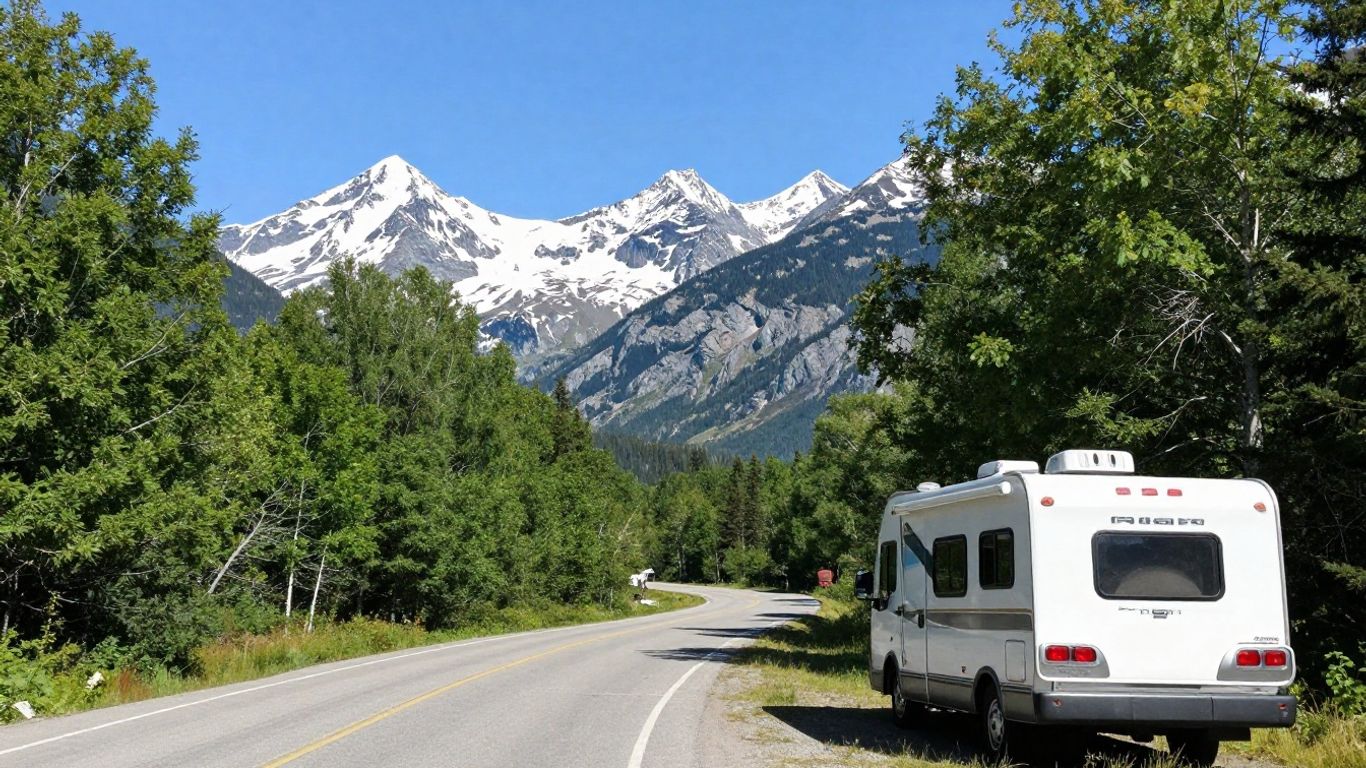
Planning an RV trip across Canada means thinking about when to go. The country is huge, and the weather can really change things up depending on where you are and what month it is. This guide looks at Canada RV travel weather by month to help you figure out the best time for your adventure. We’ll cover everything from the busy summer months to the quieter spring and fall, giving you a practical view for your planning.
Key Takeaways
- Summer, especially July and August, is peak season for RV travel in Canada, meaning high demand and crowds, so book well in advance.
- June and September offer a sweet spot with good weather, fewer people, and better rental prices for your Canada RV travel.
- Early October can be beautiful for fall colors in Eastern Canada, but be prepared for cooler nights.
- RVing in Canada is possible outside the main summer months, but many attractions and campsites close down after October.
- Consider regional weather differences; Eastern Canada has its own climate patterns compared to Western Canada when planning your Canada RV travel weather by month.
Understanding Canada RV Travel Weather By Month
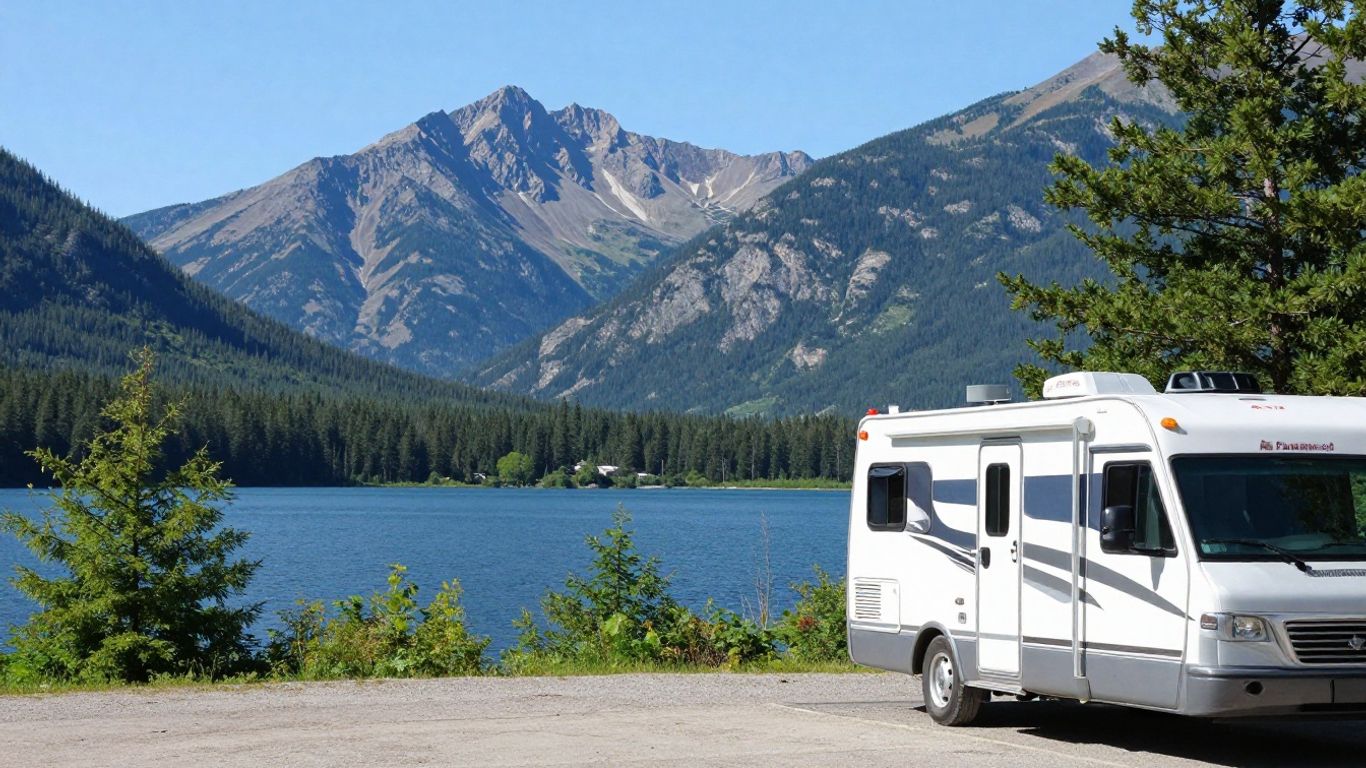
Peak Season for Canadian RV Adventures
When most people think about RVing in Canada, they picture long, sunny days and warm breezes. And honestly, that’s usually what you get during the summer months. The period from early July to mid-August is generally considered the prime time for RV travel across much of the country. This is when the weather is typically at its best, with warm temperatures and plenty of daylight for exploring. However, this peak season also means higher demand for RV rentals and campsites. If you’re aiming for these months, booking your RV and your preferred spots well in advance, sometimes six months or more, is a really good idea. You’ll find more options available and might even snag a better deal by planning ahead.
Shoulder Seasons: A Pleasant Alternative
If you prefer fewer crowds and potentially lower rental costs, consider the shoulder seasons. June and September often offer a sweet spot for RV adventures. The weather is usually quite pleasant, with comfortable temperatures that are great for sightseeing and outdoor activities. Plus, you’ll find that many of the summer crowds have thinned out, making for a more relaxed experience on the road and at campgrounds. It’s a nice balance between good weather and a more laid-back atmosphere.
The Charm of Early Autumn RVing
As summer fades, early autumn brings its own unique appeal to RV travel in Canada, especially in Eastern Canada. Think vibrant fall foliage, crisp air, and a sense of tranquility. The months of September and early October can be spectacular, with trees turning brilliant shades of red, orange, and gold. It’s a photographer’s dream and a wonderful time to enjoy scenic drives. Just be aware that while the days can be mild and beautiful, the nights start to get cooler, so packing layers becomes more important. Some services might also begin to wind down as the season progresses, so it’s always good to check ahead.
Spring RVing Considerations
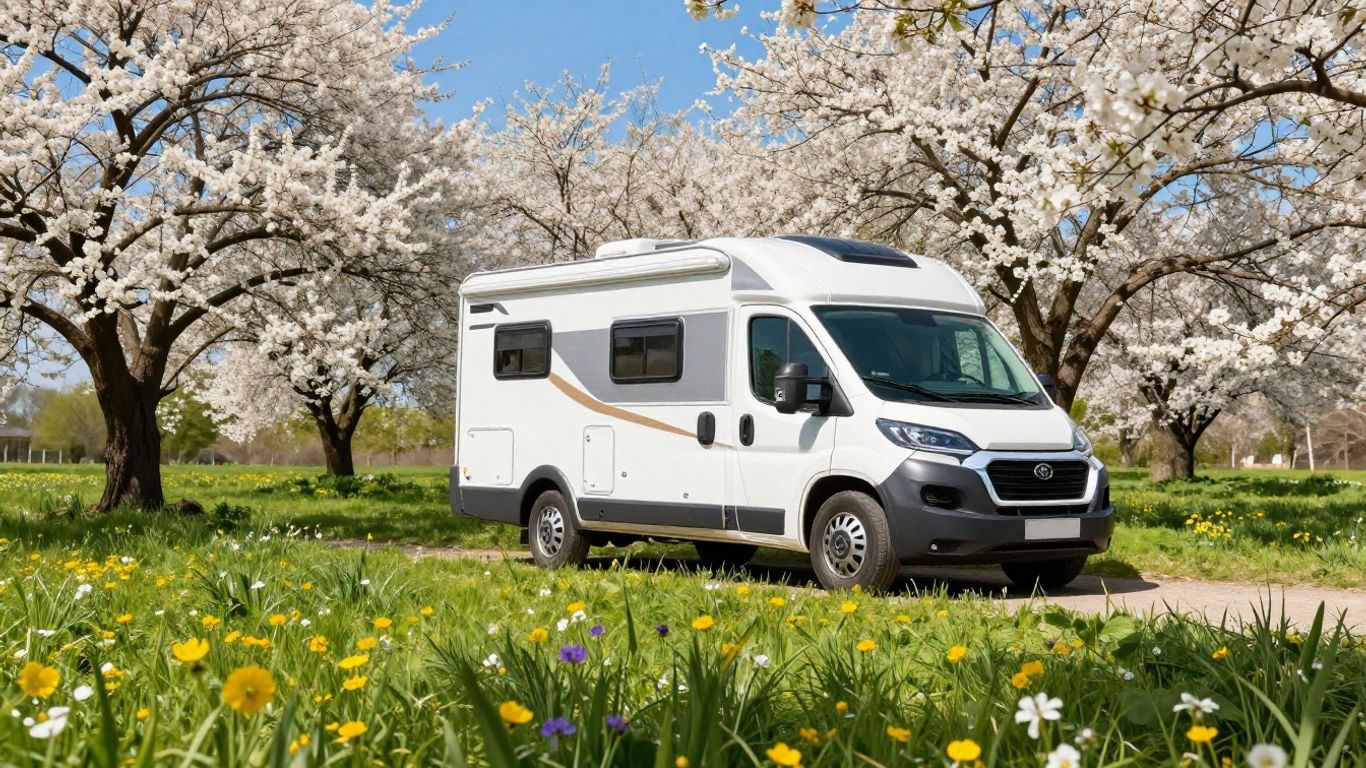
Spring is when the roads open up after Canada’s long winter, and every year, a whole new batch of RVers are eager to get rolling. If you’re thinking about hitting the road in the spring, there are a few things worth knowing so you don’t get caught off guard by the season’s quirks.
May: The Start of the RV Season
May is the unofficial kickoff for RV adventures across the country. By this point, most campgrounds are open, and the days are finally long enough to enjoy. You’ll find:
- Mild temperatures in most southern regions, though the north will still have chilly nights
- Some parks may still have limited services early in the month (think closed water hookups or muddy roads)
- Wildlife watching is golden—animals are active after winter
Here’s a quick look at average temperatures in May for a few popular regions:
| Region | Daytime High (°F) | Nighttime Low (°F) |
|---|---|---|
| Southern Ontario | 54–70 | 36–50 |
| British Columbia | 59–67 | 41–48 |
| Alberta Rockies | 48–62 | 27–39 |
For the best experience, it helps to:
- Pre-check which campgrounds have opened fully for the season
- Pack layers for changing temperatures
- Reserve sites early—holidays can book up even in May
Spring mornings can be cold, and some campsites open late if winter lingered. Bring extra blankets and prep for the odd chilly day.
Navigating April’s Transition
April is like a coin toss in much of Canada. You might get crisp blue skies and thawing forests, or you could be slogging through mud and dealing with late snow. For those who like peace and quiet, April is fantastic if you’re flexible:
- Expect unpredictable weather: sunny afternoons, rain showers, or flurries all possible
- Many provincial and national parks still closed—or only allow front-country camping
- Major tourist spots are empty, but some roads (especially in the Rockies) can still be icy or closed from winter
If you’re considering an April RV trip, keep these things in mind:
- Water lines in RVs might still freeze at night, so insulate or use bottled water
- Have alternate indoor activities for days stuck inside
- Don’t count on campsites for water or electricity—many are dry camping only
For folks willing to brave the wild swings of Canadian spring, April can be surprisingly rewarding—with fewer crowds and a sense of adventure everywhere you stop.
Summer RV Travel in Canada
June: Good Weather, Fewer Crowds
By the time June rolls in, most of Canada is finally shaking off any lingering spring chill. While you’ll still want a sweater in the evenings, the days are usually sunny and dry, especially as you head west or into the interior. June is a bit of a sweet spot—warm enough to really enjoy, but without the full crowds of July and August. You’ll have a better shot at snagging good campsites and relaxed evenings by the fire.
Advantages of June RVing:
- Mild temperatures, ideal for hiking or kayaking
- Early summer wildflowers everywhere
- Easier access to popular parks and sites
| Region | Typical Day Temps (°F) | Typical Night Temps (°F) |
|---|---|---|
| West Coast (BC) | 65–75 | 50–55 |
| Prairies (AB/SK) | 70–80 | 48–55 |
| Ontario/Quebec | 66–78 | 50–58 |
| Atlantic Canada | 63–73 | 47–54 |
June feels almost made for road trips: you’re set up for clear highways, calm lakes, and campgrounds with plenty of breathing room.
July and August: Peak Demand and High Season
Mid-July through August is prime family vacation time in Canada. Schools are out, so every beach, hiking trail, and national park fills up fast. If you want to RV during these months, you absolutely need to book your rental and campsites months in advance—sometimes even the year before, for top spots in and around places like Banff or Algonquin Park.
What to expect in peak season:
- Higher rental and camping prices
- Large crowds at major parks and attractions
- Daytime highs often hit 80–90°F in central and western Canada
- Tournaments, festivals, and lively events almost everywhere
Quick tips for traveling July–August:
- Reserve your RV and campgrounds asap (6–12 months ahead for busy areas).
- Be ready for some noise and activity at larger campsites—family reunions and big gatherings are common.
- Expect short thunderstorms, especially in the Prairies and Eastern Canada.
If you love the buzz and want to catch Canadian summer at its most lively, this is the time. But it’s a good idea to pack patience with your marshmallows.
Planning for Summer RV Travel
By now you’ve probably learned that summer RVing in Canada is all about organization. Campsites can go from empty to packed fast, especially around long weekends and school breaks. Weather is mostly great, but unpredictable days aren’t out of the question—you might deal with heat, bugs, or even a cold snap, depending on your route.
Summer Planning Checklist:
- Finalize your route and book campgrounds as early as possible
- Monitor weather, wildfire, and road alerts (especially in BC and Alberta)
- Pack sunscreen, bug spray, summer rain gear, and something warm for nights
Summer is when Canada really comes alive. Just a few practical steps and you’re set up to enjoy it all—one lakeside sunset at a time.
Autumn RVing Opportunities
Canada in autumn is really something special for RV travelers. The air shifts, crowds thin out, and campgrounds open up with way more choices. There’s this relaxed feeling you just don’t get in the packed summer weeks.
September: Competitive Pricing and Good Weather
September is a bit of a secret weapon for RV travel. You get that sweet spot—pleasant days, fewer people, and prices that finally make sense again. Summer’s heat fades, but you’re usually not battling any real cold yet, except maybe overnight. Most parks and campsites are still open, but tend to be quieter, so you can book on a whim instead of months ahead.
Here’s what stands out about RVing in September:
- Lower nightly and weekly campground rates, often up to 20-30% cheaper than in July-August
- Comfortably warm daytime temperatures, especially in southern or coastal Canadian provinces
- Less competition for prime sites, so you might snag lakefront views without reserving far in advance
| Province | Typical High (°F) | Nightly Rate Savings |
|---|---|---|
| Ontario | 65–75 | 20% |
| Alberta | 60–70 | 25% |
| British Columbia | 65–75 | 15% |
| Quebec | 60–70 | 30% |
September RV trips often surprise folks—they expect the weather to turn, but really, it just feels less frantic as everything slows down a bit.
October: Experiencing the Fall Colors
If you’re chasing scenery, October’s your month. The forests up north turn into streaks of red, orange, and gold. On a clear morning, parking your RV beside a mirror-still lake with those colors reflecting back is something that sticks with you. Weather starts to get unpredictable on the tail end of October, especially at night, so a little planning matters.
A couple ideas for October RVing:
- Pick regions famous for their leaves—like Algonquin (Ontario), the Laurentians (Quebec), or parts of BC’s interior
- Stock up on warm clothes and check the heater in your rig
- Plan for shorter daylight (by mid-October you lose an hour or two compared to September)
October’s also a time when a lot of RV campgrounds transition to limited services. Some close water hookups or move to self-registration, so it’s smart to call ahead.
The crisp air plus woods bursting with color have a way of making even a short road trip feel like a grand adventure.
Winter RVing in Canada
Winter in Canada doesn’t mean putting the RV away – for some, it’s a chance to see landscapes in a completely different way, and enjoy activities you just can’t get in the warmer months. With the right setup and mindset, winter RVing here can be rewarding and comfortable.
Embracing Cold Weather Activities
There’s something special about waking up to frost-filled windows, brewing coffee as snow falls outside. Popular winter activities for RV travelers include:
- Cross-country skiing and snowshoeing on Canada’s park trails
- Ice fishing in frozen lakes
- Exploring winter festivals or small towns decked out for the season
- Skiing and snowboarding, with many RV parks near major resorts staying open for enthusiasts
Many provincial and national parks keep selected campgrounds open year-round, especially in regions known for winter sports.
| Winter Activity | Typical Locations | Required Gear |
|---|---|---|
| Cross-country skiing | National/Provincial Parks | Skis, layers, gloves |
| Ice fishing | Central/Northern Canada | Auger, tent, boots |
| Snowshoeing | Forested trails | Snowshoes, poles |
| Winter hiking | Coastal & southern regions | Boots, crampons |
Even when it’s bitter outside, having a heated RV with your own kitchen and bathroom makes a huge difference and takes a lot of stress out of winter travel.
Resources for Winter RV Enthusiasts
Before setting out, you’ll want to check which campgrounds actually offer winter access, since many shut down by October. If you’re up for a new experience, a few parks do stay open year-round and even provide amenities like electrical hookups and plowed roads. You’ll want to make sure your RV is properly insulated, has heated tanks, and you’re carrying a good supply of propane or diesel for heat.
When preparing for winter RVing:
- Insulate windows and doors to prevent heat loss.
- Always travel with extra water, as hoses can freeze.
- Pre-plan dump station stops—some close for winter.
- Pack winter-ready foods and easy-to-make meals.
- Double-check your vehicle’s tires and battery efficiency in cold weather.
There are a handful of regional guides and forums where travelers share recent park and road conditions. For inspiration and park access info, Camping in Canada year-round highlights which parks keep their doors open and what winter fun you’ll find nearby.
Winter RVing isn’t the right call for everyone, but with some advance work, it can let you see a quieter, often more beautiful side of Canada. There’s a lot less traffic, crowd-free landscapes, and at night, you might get a spectacular view of the stars through clear, crisp skies.
Regional Weather Variations for RV Travel
Weather can really shape your RV experience in Canada, and it’s not all snow or endless summer. Different parts of the country have their own quirks, so a trip through Alberta isn’t going to feel the same as winding along the Maritimes coast.
Eastern Canada Climate Overview
Eastern Canada—think Ontario, Quebec, and the Maritime provinces—has dramatic swings across the year. Spring can hang on to chill longer than you’d expect and autumn hits fast, with leaf color changing rapidly in late September and October. The humidity in summer is real, too. Be ready for the odd muggy night or a week that feels more like Florida than the Great North.
Here’s a look at average temperatures you might face if you’re RVing in Eastern Canada:
| Month | Average Low (°F) | Average High (°F) | Typical Weather |
|---|---|---|---|
| May | 40 | 66 | Mild days, chilly evenings |
| July | 60 | 80 | Warm, risk of storms, humid |
| September | 50 | 70 | Comfortable, foliage changes |
| October | 38 | 56 | Cool, early frosts possible |
- Rain can show up any time, especially in spring and fall.
- Black flies and mosquitoes are worst in late spring and early summer—bring repellent.
- By mid-October, many campgrounds start closing for the season.
Nights along the lakes can cool down fast even after warm days, so don’t count on just T-shirts for sleeping.
Western Canada Weather Insights
Crossing into the west, it’s a whole new ballgame. Think British Columbia’s mountains, Alberta’s prairies, and everything in between. The weather is typically drier than the east, especially in the summer, but the mountains can flip that script any given day.
| Month | Average Low (°F) | Average High (°F) | Typical Weather |
|---|---|---|---|
| May | 36 | 62 | Cool mornings, pleasant afternoons |
| July | 50 | 77 | Stable, warm, little rain, drier air |
| September | 44 | 68 | Comfortable, rare early snow in Rockies |
| October | 35 | 55 | Chillier, possible snow even at lower elevations |
Some quick points about Western Canada weather:
- Altitude makes a huge difference—a campsite in Banff in July can freeze at night.
- Interior BC can be dry as a bone by August and even face wildfire smoke.
- West Coast (Vancouver, Vancouver Island) gets more rain, especially starting in October.
If you’re leaning toward Western Canada in spring or autumn, pack extra blankets and check ahead for snow warnings—mountain passes can surprise you, even into late May or early October.
- Expect widely different weather across provinces—plan layers!
- Prepare for unpredictable weather in the Rockies no matter the month.
- Don’t underestimate the sun at high elevation—sunscreen isn’t just a July thing.
Knowing these region-to-region differences can make the difference between an easy-going trip and one where you’re shivering or sweating unprepared. A little checking ahead and flexible packing go a long way when covering such a big country.
Planning Your Canada RV Itinerary
Getting your RV trip through Canada mapped out doesn’t have to be overwhelming, but a bit of groundwork now can save huge headaches down the road. Even if you like to be spontaneous, the best campgrounds and most popular stops fill up fast, especially from June to August. Here’s how to approach planning that golden route across the country.
Route Planning and Booking Campsites
The smoothest RV journeys are the ones with a route and at least your first few nights’ campsites booked ahead. Take some time to sketch a rough path—even if you tweak it once you’re on the road. Canada’s distances are no joke, and drive times can stretch longer than online maps predict, especially with a heavy RV and stops along the way.
Some practical steps to consider:
- Choose your must-see highlights (e.g., Banff, Whistler, Cabot Trail).
- Book popular campgrounds months in advance, especially for July and August.
- Try to arrive at campgrounds by late afternoon so you’re setting up in daylight.
- Have a backup plan for overnight stops in case your first pick is full.
| Peak Booking Months | Days You Should Book Ahead | Suggested Arrival Time |
|---|---|---|
| June–August | 60–180+ | 3–5 PM |
| September–October | 14–60 | 3–5 PM |
Traveling in spring or fall? You’ll have more wiggle room for last-minute bookings, but always double-check site availability as some campgrounds close early or operate at reduced capacity.
Driving Considerations and Safety
Canadian highways can be a breeze, but rural roads and mountain passes add their own quirks. You’ll want to:
- Keep your fuel topped up, especially in remote areas (there might be a 200 km stretch with nothing but trees).
- Avoid driving at dawn or dusk if you can—moose and deer are most active then, and car-RV encounters never end well for either party.
- Build extra time into daily travel estimates; roadwork, weather, and sightseeing stops all add up.
Don’t forget your driver’s license and check if it covers large vehicles. Different provinces may have unique rules about speed limits, roadside stops, or overnight parking.
Utilizing Navigation Tools
A GPS is handy, but not foolproof. Cell service can disappear the deeper you go. Here’s how to stay on track:
- Download offline maps or a dedicated RV GPS app before you leave wi-fi behind.
- Pack a paper road atlas as backup (old-school, but still the gold standard in the wilds).
- Use trip planner websites like Roadtrippers or Go RVing Canada to find refueling points, dump stations, and scenic detours.
Try mixing in classic Canadian road snacks and a good playlist—when the drive gets long, a little comfort goes a long way.
Planning out your RV itinerary makes for a trip that feels less like a risky adventure and more like a memory in the making, with minimal drama and big payoff. Don’t be afraid to ask fellow travelers for tips—they’re usually eager to share what worked (or didn’t) for them.
RV Amenities and Comforts
Onboard Facilities for Extended Trips
When you’re RVing across Canada, the onboard facilities are your home away from home. Most modern RVs come equipped with surprisingly capable kitchens, often featuring a stove, microwave, and a fridge/freezer combo. This means you can whip up full meals, not just campfire snacks. Think steaks, stir-fries, or whatever your heart desires – the storage space in the cupboards and fridge is usually pretty good. You’ll also find a bathroom, which typically includes a toilet, sink, and a shower. It’s a game-changer compared to tent camping, offering privacy and convenience, especially on those chilly mornings or after a long day of exploring.
- Kitchenette: Gas stove, microwave, fridge/freezer, sink, and counter space.
- Bathroom: Toilet, sink, and shower facilities.
- Sleeping Areas: Convertible dinettes, sofa beds, and dedicated bunks or queen beds.
- Living Space: Comfortable seating, dining areas, and entertainment options.
Having these facilities onboard means you can travel more independently, relying less on campground amenities, which can be a big plus during peak season or in more remote areas. It really makes a difference in the overall comfort of your trip.
Managing Temperature Extremes
Canada’s weather can swing wildly, and your RV needs to handle it. Thankfully, most RVs are built with temperature control in mind. You’ll usually find both heating and air conditioning systems. The heating is often propane-powered, providing cozy warmth even when it’s frosty outside. Air conditioning is a lifesaver during those hot summer days, especially when you’re parked in direct sun.
- Heating: Typically propane-powered furnace for cold weather.
- Air Conditioning: Essential for keeping cool during warmer months.
- Insulation: RVs are insulated to help maintain a stable interior temperature, reducing reliance on the climate control systems.
It’s a good idea to familiarize yourself with how your RV’s heating and cooling systems work before you set off. Knowing how to adjust the thermostat, manage vents, and even use window coverings can help you stay comfortable no matter the season. Proper management of these systems can significantly impact your fuel efficiency and overall enjoyment.
Packing Essentials for RV Adventures
Packing for an RV trip across Canada is kind of like putting together a puzzle inside a moving house. You want to be ready for almost anything—weather changes, bumpy roads, and a little bit of everything in between. Let’s get real about what actually needs to go with you and, just as important, how to pack it so you’re not tripping over a mountain of stuff or chasing loose bottles every time you turn a corner.
Leveraging RV Storage Space
In an RV, every inch counts. The best way to maximize your storage is to pack less, but smarter. Here are a few tricks I’ve picked up:
- Use stackable bins or soft-sided bags instead of bulky suitcases.
- Store heavy items low and light items up high, so nothing comes crashing down.
- Secure all cupboards and drawers before hitting the road—seriously, you don’t want to dodge flying plates.
| Storage Spot | Good For | Packing Tip |
|---|---|---|
| Under-bed bins | Spare clothes, shoes | Keep off-season clothes here |
| Overhead cabinets | Dry food, books, games | Use small crates or baskets inside |
| Outside compartments | Folding chairs, firewood | Store only weather-resistant items |
Packing smarter means less stress, more space, and no surprise messes when you stop for the night.
Essential Provisioning and Personal Kits
You’ve got storage, now what do you fill it with? Here’s a short checklist that goes a long way:
Kitchen & Eating
- Reusable plates, bowls, cups, and utensils
- One good skillet, one pot, and a kettle
- Chopping board, sharp knife, can opener
- Basic seasonings, coffee/tea supplies
Sleeping & Comfort
- Blanket or sleeping bag (nights can get chilly, even in June)
- Small pillow (ones from home beat rental kits)
- Cozy pajamas/fleece layers for evening
Personal Care
- Towel and toiletries (bring enough, but don’t overpack)
- Insect repellent – trust me, Canadian mosquitoes are not polite
- First aid kit (include any prescription meds)
Outdoor, Utility & Basics
- Folding camp chairs
- Flashlight or headlamp (plus spare batteries)
- Matches or lighter, portable grill (if allowed)
- Clothespins, basic laundry soap, and a small line
- Heavy-duty gloves for waste disposal
The more organized your provisions, the easier it is to find what you need—and to stop yourself from bringing things you never touch.
For longer trips, think about pantry basics: rice, pasta, canned goods, and a few treat items (like chocolate and marshmallows for those classic campfire moments). If you’re short on space or flying into Canada, look for RV rental companies that offer equipment and bedding kits you can reserve in advance, so you’re not lugging bulky gear across borders.
With a little upfront planning, you’ll spend less time sweating the small stuff, and more time actually enjoying everything Canadian RV travel has to offer.
The RV Lifestyle in Canada
A Growing Trend for All Ages
The recreational vehicle, or RV, has really taken off in Canada, and it’s easy to see why. It’s a fantastic way to explore the country, offering a blend of adventure and comfort. Forget roughing it in a tent; RVing is more like having a cozy, mobile apartment on wheels. You get the freedom to roam, the convenience of your own facilities, and the chance to really connect with the outdoors. It’s not just for retirees anymore, either. We met families traveling before school starts, remote workers who don’t need a fixed address, and plenty of couples and friends just looking for a different kind of getaway. The RV community is surprisingly diverse, welcoming everyone from first-timers to seasoned road warriors.
Community and Social Aspects of RVing
One of the best parts of RVing in Canada is how social it can be. Since everyone spends so much time outside their rigs, it’s super easy to strike up conversations with your neighbors. We found that fellow RVers are often happy to share tips, offer a helping hand if you’re stuck, or just chat about your travels. It’s a lot more communal than staying in a hotel. We’ve shared campfires, swapped stories, and even learned how to make things like ‘hobo pies’ – a kind of toasted jam sandwich – from people we met along the way. It’s these little interactions that really make a trip memorable. If you’re planning a trip, checking out resources from Go RVing Canada can give you a good starting point for understanding the lifestyle and finding great spots.
Digital Detox and Campfire Rituals
RV travel in Canada often feels like a natural digital detox. While you can get portable Wi-Fi, sometimes the signal just doesn’t reach deep into national parks, forcing a break from screens. This downtime is actually pretty great. It means more time for things like evening campfires. There’s something special about building a fire, finding the perfect marshmallow stick, and toasting s’mores while talking about the day’s adventures and what’s next on the itinerary. Even if it rains, you can stay snug inside the RV, maybe watching a movie or toasting marshmallows on the stove. It’s a simple, enjoyable ritual that’s a big part of the RV experience. For those looking to travel during less busy times, exploring shoulder season RVing can offer a more peaceful experience, though always be prepared for changing weather conditions.
Planning Your Canadian RV Adventure
So, you’re thinking about an RV trip across Canada. It’s a fantastic idea! We’ve looked at the weather across the country, month by month, to help you figure out the best time to go. Summer is generally the warmest and most popular, but it also means more people and higher prices. If you want a good balance of decent weather and fewer crowds, consider the shoulder months like June or September. Even early October can be beautiful, especially in the east, though it gets cooler at night. No matter when you decide to go, remember to book your RV and campsites ahead of time, especially if you’re traveling during peak season. Happy trails!
Frequently Asked Questions
When is the best time to go RVing in Canada?
The best time for RV travel in Canada is from mid-May to mid-October. Most campgrounds and attractions are open during this period, and the weather is usually pleasant. July and August are the busiest months, so booking early is a good idea.
Can I rent an RV in Canada during the winter?
Yes, you can rent an RV in Canada during the winter, but it’s less common. Many campgrounds close for the season, and you need to be prepared for cold weather. Some people enjoy winter RVing for snow sports and winter scenery, but it takes extra planning.
Do I need a special license to drive an RV in Canada?
For most standard RVs, a regular driver’s license is enough. If you want to drive a very large motorhome, check with the rental company, as some provinces may have different rules.
How far in advance should I book my RV rental for summer?
If you plan to travel in July or August, it’s smart to book at least six months ahead. These are the most popular months, and RVs can get booked up quickly.
What should I pack for an RV trip in Canada?
Pack clothes for all kinds of weather, as temperatures can change quickly. Bring food, cooking supplies, bedding, and personal items. Many rental companies offer kitchen and bedding kits for a fee.
Is it safe to drive an RV across Canada?
Yes, driving an RV across Canada is safe if you follow the rules of the road and stay alert. Be careful of wildlife, especially at dawn and dusk, and plan your stops ahead so you don’t run out of fuel or supplies.
Are there RV parks and campgrounds in every province?
Yes, every province has RV parks and campgrounds, but the number and quality can vary. National and provincial parks often have beautiful sites, but private campgrounds may offer more amenities.
Can I bring my pet on an RV trip in Canada?
Most RV rentals allow pets, but always check the company’s pet policy first. Many campgrounds are pet-friendly, but you should keep your pet on a leash and clean up after them.