

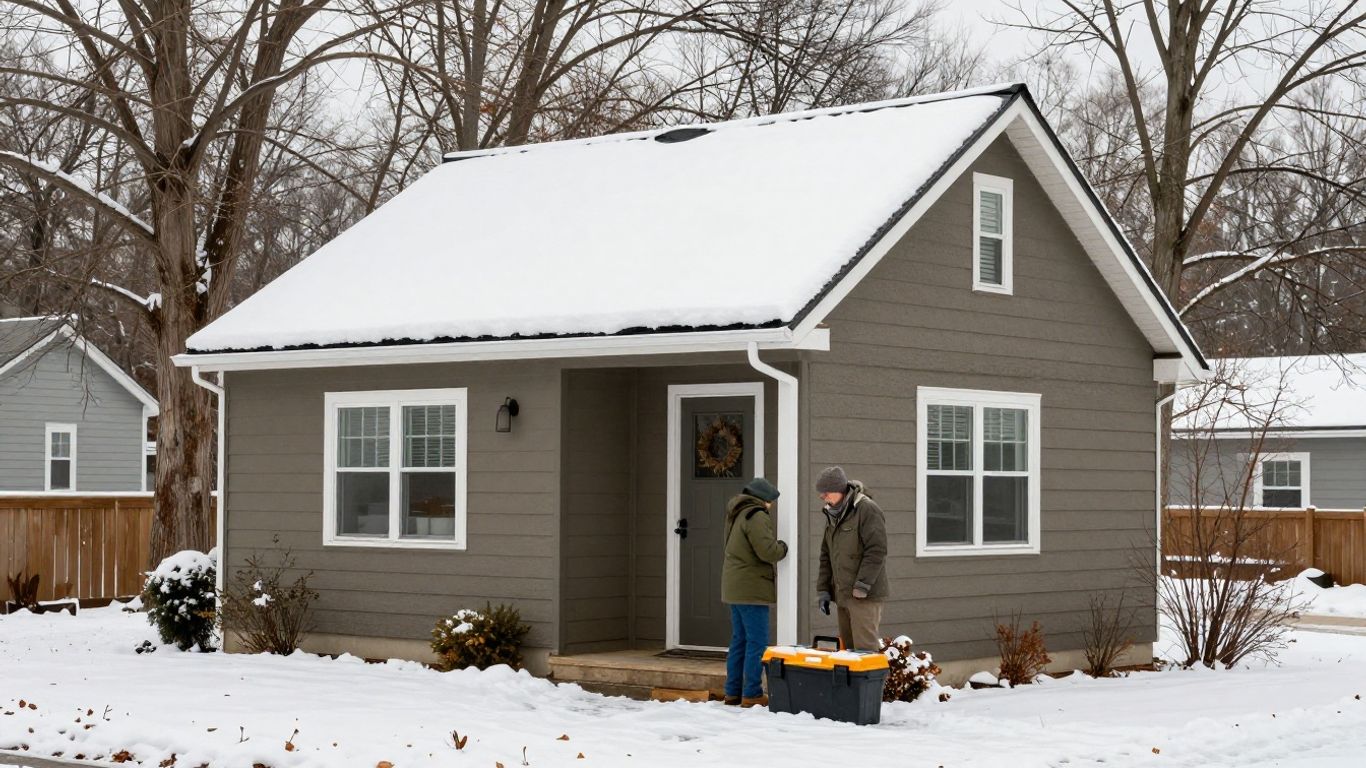
When the leaves start to turn and the summer crowds thin out, many rental owners think it’s time to shut down and wait for spring. But that’s a missed opportunity! The ‘shoulder season’—those cooler months between peak summer and the deep freeze—can actually be a really profitable time if you know how to adjust. It’s all about making your rental appealing when the weather gets a bit rough, especially if you’re dealing with a motorhome rental in Canada and winterization is on your mind. Let’s talk about how to keep those bookings coming in, even when it’s chilly.
Key Takeaways
- Adjust your rental’s features to be comfy in cooler weather. Think better heating, cozy indoor spaces, and maybe even outdoor hot tubs that work year-round. This makes it attractive for guests looking for a warm escape.
- Change up your pricing. Shorter stays and discounts for weekdays or specific seasons can draw in guests who might not book during the busy summer.
- Refresh how you show off your rental. Use photos that feel warm and inviting, and talk up winter activities nearby, like skiing or snowshoeing. Tell a story that makes people want to visit when it’s cold.
- For motorhome rental Canada winterization is a big deal. You need to protect the pipes from freezing and make sure the battery and electrical systems are good to go. Keeping things in working order is key.
- Don’t forget regular upkeep. Checking the heating system, sealing up drafts, and making sure everything is safe and warm will give guests a better experience and prevent problems.
Understanding Shoulder Season Opportunities
When the summer crowds pack up and the leaves start to turn, it might feel like the rental season is winding down. But honestly, that’s not the whole story. The periods between the super busy summer and the deep freeze of winter, often called ‘shoulder seasons,’ are actually a pretty sweet spot for rental owners. It’s not just about filling empty dates; it’s about tapping into a different kind of demand and making more money overall.
The Shift in Rental Demographics
Think about who rents during these cooler months. It’s not just families on summer break anymore. We’re seeing more remote workers looking for a quiet place to focus, adventure seekers wanting to hit the trails or slopes, and people just looking for a cozy getaway to relax and recharge. These folks have different needs and priorities than the typical summer renter.
- Remote Workers: They need reliable Wi-Fi and a comfortable workspace. A peaceful setting away from the usual hustle can be a big draw.
- Adventure Seekers: They’re interested in activities like hiking, biking, skiing, or even ice fishing, depending on the location and time of year.
- Wellness Travelers: These guests might be looking for amenities like hot tubs, saunas, or just a quiet space to practice yoga or meditate.
The key here is realizing that your rental can appeal to a wider range of people if you just adjust your thinking a bit. It’s about seeing the potential beyond the typical vacationer.
Maximizing Revenue Beyond Peak Season
So, how do you actually make more money when it’s not peak season? It’s a mix of smart pricing and making your place more appealing for a fall or winter stay. You might not get the same high rates as July, but you can get more bookings overall, which adds up. Plus, some of these cooler-weather guests might even book again during the summer.
| Season | Typical Occupancy | Potential Revenue Increase | Notes |
|---|---|---|---|
| Peak Summer | 90%+ | Baseline | Highest rates, highest demand |
| Early Fall | 60-80% | +15-25% | Leaf peepers, mild weather |
| Late Fall/Early Winter | 40-60% | +10-20% | Cozy getaways, holiday bookings |
| Deep Winter | 30-50% | +5-15% | Skiers, holiday travelers, remote workers |
The Financial Benefits of Extended Rentals
Keeping your rental booked for more months of the year has a direct impact on your bottom line. Instead of having a few months of high income followed by several months of little to no income, you can smooth things out. This consistent cash flow makes managing your finances much easier and can even help you pay off loans or invest in upgrades faster. It’s about turning what used to be downtime into productive, income-generating time. This consistent income stream is what separates a seasonal business from a year-round success.
Adapting Your Rental for Cooler Climates
When the leaves start to turn and the air gets a bit crisp, it doesn’t mean your rental property has to go into hibernation. In fact, this "shoulder season" can be a prime time for bookings if you make a few smart adjustments. Guests looking for a getaway during these cooler months often want something different than the summer crowd – think cozy vibes and outdoor adventures that are actually better in the fall or winter.
Enhancing Four-Season Comfort Features
Making your rental comfortable year-round is key. This isn’t just about having heat; it’s about creating a genuinely inviting space when the temperatures drop. Guests are looking for warmth and convenience, and providing that can make all the difference in getting bookings.
- Smart Thermostats: Install programmable or smart thermostats. They help manage heating efficiently and allow guests to easily adjust the temperature to their liking. Make sure there are clear instructions on how to use them, especially if you have a wood stove or a more complex heating system.
- Extra Bedding and Comforts: Stock up on plush blankets, extra duvets, and maybe even some heated mattress pads or electric blankets. These small touches make a big impact when it’s chilly outside.
- Indoor Entertainment: Don’t forget about what guests can do inside. A good selection of board games, puzzles, a well-stocked streaming service library, or even a collection of books can keep everyone entertained on a rainy or cold day.
Creating Cozy Indoor Retreats
People often book rentals in cooler weather specifically to escape the cold and find a warm, comfortable spot. Your interior should feel like a welcoming haven.
- Fireplace Focus: If you have a fireplace, make sure it’s in excellent working order and perhaps even staged with some firewood. A crackling fire is a huge draw.
- Lighting Matters: Swap out bright, summery lighting for warmer, softer tones. String lights, dimmable lamps, and candles (safely placed, of course) can create a much cozier atmosphere.
- Comfortable Seating: Ensure you have plenty of comfortable seating areas where guests can relax, read, or chat. Think plush sofas and armchairs.
The goal is to make your rental feel like a warm hug on a cold day. Guests who find that kind of comfort are more likely to return and recommend your place to others.
Upgrading Outdoor Amenities for Year-Round Use
Even when it’s cold, people still want to enjoy the outdoors, but they need a little extra incentive and comfort.
- Hot Tubs and Saunas: These are huge draws for fall and winter rentals. They provide a warm, relaxing experience even when the air is chilly.
- Covered Areas: If possible, having a covered porch or patio area allows guests to enjoy the outdoors without being directly exposed to rain or snow.
- Fire Pits: A well-maintained fire pit with seating around it can be a fantastic gathering spot on cooler evenings. Provide firewood and instructions for safe use.
By making these adaptations, you’re not just preparing for cooler weather; you’re opening up your rental to a whole new group of guests looking for a different kind of escape.
Strategic Pricing for Off-Peak Bookings
When the summer crowds thin out and the leaves start to change, it’s easy to think your rental income will dry up too. But that’s where smart pricing comes in. Adjusting your rates for the cooler months can keep your bookings steady and your profits healthy. It’s all about making your place attractive when people aren’t necessarily thinking ‘beach vacation’.
Implementing Dynamic Pricing Strategies
Think of dynamic pricing as a flexible approach to setting your rates. Instead of one price for the whole year, you adjust it based on demand, day of the week, and even local events. During the off-season, this usually means lowering prices to attract more guests. You can also look at what similar rentals are charging in your area and aim to be a bit more competitive. This helps fill those empty nights without completely devaluing your property. It’s a way to keep cash flowing when things are typically slower. For longer trips, consider offering discounts for campervan rentals in Canada, as longer bookings often come with better rates.
Reducing Minimum Stay Requirements
During peak season, you might require guests to book for a full week. That’s great when demand is high. But in the shoulder or off-season, a seven-night minimum can be a big turn-off. People might only want to visit for a weekend or a long weekend. By dropping that minimum stay requirement, you open your doors to a wider range of travelers. You could even consider removing it entirely for certain periods. This makes your rental accessible for shorter trips, which can be just what someone needs for a quick getaway.
Offering Weekday and Seasonal Discounts
Beyond just lowering nightly rates, think about specific discounts. Weekday discounts can be a big draw for remote workers looking for a change of scenery or for people taking advantage of local attractions that are less crowded during the week. You can also create special packages for holidays or local events happening in the fall or winter. Offering an early-bird discount for bookings made during the winter for the following spring can also secure income well in advance. These targeted offers make booking during slower times more appealing without training guests to expect a discount all the time.
Marketing Your Rental for Winter Appeal
When the leaves start to fall and the air gets crisp, it’s easy to think your rental property’s busy season is over. But that’s not necessarily true! With a little bit of effort, you can make your place super attractive to guests looking for a cozy getaway, even when it’s cold outside. The key is to shift your marketing focus from sunny days to warm nights.
Refreshing Listing Photos for Cozy Vibes
Your summer photos probably show off bright skies and outdoor fun. For winter, you need a whole new look. Think about swapping those shots for ones that highlight warmth and comfort.
- Indoor Ambiance: Capture images of the fireplace crackling, soft blankets draped over sofas, and maybe even a steaming mug of cocoa on a side table. Show off any reading nooks or comfortable seating areas.
- Exterior Warmth: If you have outdoor lighting, make sure it’s on and looking inviting. Photos of a hot tub steaming on a chilly evening can be very appealing.
- Seasonal Touches: Add subtle winter decorations like a small tree, some festive pillows, or even a bowl of pinecones. These small details make a big difference.
Highlighting Winter Activities and Proximity
People looking for winter trips often have specific activities in mind. Make sure your listing tells them you’re the perfect basecamp for their adventures.
- Winter Sports: If you’re near ski resorts, snowmobile trails, or ice-fishing spots, shout it out! Mention the distance and any specific benefits of staying with you for these activities (like secure storage for gear).
- Local Events: Are there winter festivals, holiday markets, or ice skating rinks nearby? Let potential guests know about them. This adds extra reasons to book.
- Cozy Town Charm: Highlight local restaurants, cafes, or shops that are open year-round and offer a warm place to relax after a day out in the cold.
Crafting a Compelling Off-Season Narrative
Your listing description needs to tell a story that appeals to the winter traveler. Instead of just listing features, paint a picture of what a stay at your rental would be like during the colder months.
Forget the idea that your rental is only for summer. Think about the remote worker who needs a quiet, inspiring place to focus for a few weeks, or the couple looking for a romantic escape by the fire. Your property can be that perfect sanctuary. Emphasize the peace, the quiet, and the chance to recharge away from the usual hustle and bustle.
Consider adding a section to your listing specifically about the winter experience. Mention things like:
- The ease of access during winter weather (e.g., well-maintained driveway).
- The availability of indoor entertainment like board games, streaming services, or a well-stocked bookshelf.
- Any special winter amenities you offer, such as extra blankets, a fireplace, or even a hot tub.
- The unique beauty of the landscape in winter – perhaps snow-covered trees or frozen lakes.
By adjusting your photos and descriptions, you can show potential guests that your rental is a desirable destination all year round, not just when the sun is shining. This can help fill those dates that might otherwise sit empty.
Essential Winterization for Motorhome Rentals
Prepping your motorhome for the shoulder season feels a bit like packing for a road trip in unpredictable weather—if you miss one small thing, it can snowball into a problem. Whether you rent out your rig full-time or just want to catch winter travelers, a bit of thoughtful winterization pays off all season. Here’s how to keep your motorhome in solid shape so your guests stay warm and worry-free.
Protecting Plumbing Systems from Freezing
Frozen pipes can mean expensive repairs and canceled bookings, so prepping your water system tops the list. Here are the basics:
- Drain all water tanks, holding tanks, and lines thoroughly.
- Use RV antifreeze specifically designed for potable systems—don’t try to cut corners with the automotive stuff.
- Insulate vulnerable pipes, especially those in exterior walls, with foam or heat tape.
- Remind renters about water usage limits and supply guidance for refilling safely.
It only takes one unexpected cold snap to wreck pipes, so never assume the weather will stay mild. Take preventive steps early in the season.
Ensuring Battery and Electrical System Integrity
Battery failure in freezing temps is a real travel mood-killer. Pay attention to these maintenance tips:
- Test and fully charge house and engine batteries before every rental period.
- Store batteries inside or in insulated compartments if possible.
- Teach guests how to conserve battery power during off-grid stays (think LED lights, only running fans briefly, etc.).
- Check generator and shore power cables for wear or corrosion.
Here’s a quick breakdown of battery maintenance tasks:
| Task | Recommended Frequency |
|---|---|
| Battery voltage check | Before each rental |
| Full recharge | After every trip |
| Terminal cleaning | Monthly (if stored) |
Securing Appliances and Interior Components
Loose appliances and fragile components are prime targets for wear and tear in the cold. Focus on these checks:
- Anchor microwaves, coffee makers, and TVs before travel days.
- Inspect seals on windows, vents, and doors to keep out drafts.
- Service the furnace annually and check for propane leaks.
- Verify the fridge switches to the correct power source—propane or electric.
Winter guests expect warmth and comfort. If you’re offering rentals in regions like Canada, where RV travel can extend all year, mention your winterization efforts so people feel confident booking outside the summertime peak.
Some repairs and maintenance might be easy to put off during warmer months, but small issues grow fast in cold weather. Early prep saves time and hassle for both you and your guests.
By making winterization part of every rental turnover, you’re not just protecting your investment—you’re extending your booking season and giving travelers the confidence to hit the road, no matter the forecast.
Maintenance and Preparation for Cold Weather
Getting your rental ready for the cold months isn’t anyone’s favorite weekend project, but it can save you a big headache (not to mention cash) down the road. A quick check and tune-up now means guests stay warm and happy, you avoid emergency repair calls, and you can keep booking out your place even when the snow flies.
Conducting HVAC Tune-Ups and Inspections
- Have an HVAC professional check your heating system before the first freeze.
- Replace air filters and clean ducts if needed—it improves both performance and air quality.
- Test thermostats and consider upgrading to smart models for remote adjustments.
Overlooking routine checks for your heating system can lead to surprise breakdowns just when guests need heat the most.
Checking for Air Leaks and Drafts
- Walk through the rental with your hand near windows and doors to feel for chilly spots.
- Use weatherstripping or caulk to seal gaps you find.
- Don’t forget attic spaces or basements, as even tiny cracks can let out a lot of warmth.
Here’s a quick view of common trouble spots and fixes:
| Area | What to Check | Simple Fixes |
|---|---|---|
| Windows | Cold air leaks | Caulking, insulation |
| Doors | Light around edges | Weatherstripping tape |
| Attics/Basements | Unsealed joints | Expanding foam |
Maintaining Fireplace and Heating Systems
- If you have a fireplace, have it swept and inspected each year (wood or gas, both need it).
- Clean or replace gas logs and check for blockages that could cause fumes inside.
- Stock up on firewood or schedule regular propane/oil deliveries for the season.
A tidy, working fireplace isn’t just about safety—it’s a huge selling point for your winter guests.
Staying on top of these simple steps means your rental can handle whatever winter throws at it—and so can your guests. If you’re doing this for the first time, just take it one section at a time, and by the end, you’ll have a place that’s cozy, safe, and ready for bookings all season.
Attracting a New Guest Profile
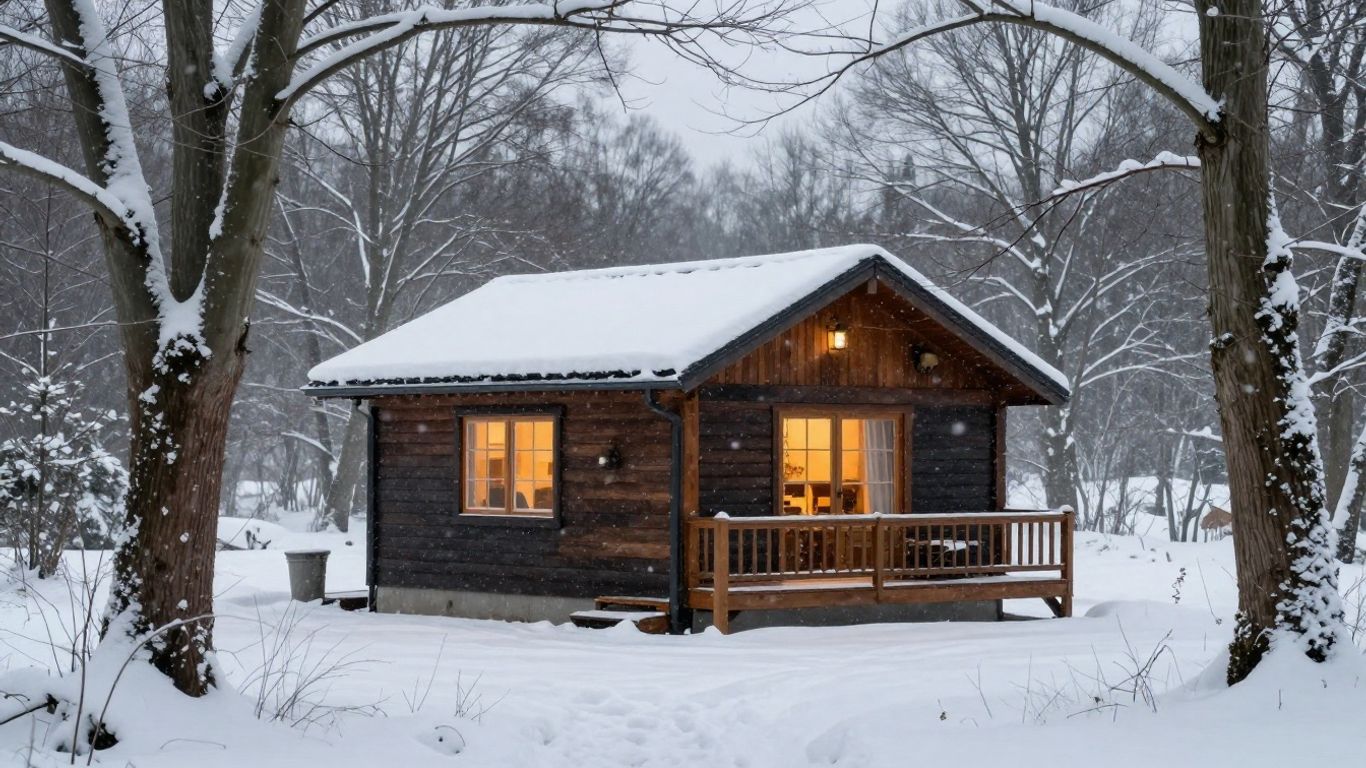
Winter and the shoulder season are not just about a drop in temperature—they also mean a change in who’s looking to book your rental. Being open to new guest types doesn’t just fill your calendar—it can seriously bump up your earnings.
Targeting Remote Workers and Digital Nomads
Many remote workers want a change of scenery once the summer crowds are gone. If your property is peaceful, has good Wi-Fi, and offers a comfortable workspace, you’re already ahead. Here’s how you might attract this crowd:
- Call out high-speed internet and a quiet environment in your listing.
- Mention local cafes, co-working spaces, or nature walks for lunch breaks.
- Offer weekday discounts for longer stays and midweek bookings.
| Amenity | Importance for Remote Workers |
|---|---|
| Fast Wi-Fi | High |
| Desk or workspace | High |
| Cozy seating | Medium |
| Nearby amenities | Medium |
Appealing to Adventure Seekers
Winter doesn’t mean staying inside. There are thrill-seekers hunting down adventure, even in cold weather. Want to become their favorite spot?
- Highlight proximity to snowmobile trails, ski slopes, or hiking spots.
- List gear storage options, like a heated garage or lockers.
- Suggest local tours: snowshoeing, ice fishing, or guided wildlife walks.
If you position your place as a basecamp for winter fun, you might notice guests turning a weekend thrill into a cold-month tradition.
Catering to Wellness and Relaxation Travelers
The cold months draw out people longing for quiet, cozy getaways—sometimes with a wellness twist. Here’s what might pull them in:
- Add a hot tub, sauna, or spa-like bathroom amenities.
- Share photos of cozy spaces: fireplaces, oversized blankets, reading nooks.
- Offer optional add-ons like yoga mats, in-home massages, or discount spa packages with a local partner.
By focusing your listing and amenities on these new guests—remote workers, adventure lovers, or wellness seekers—you keep your rental relevant (and booked) even when the lake is frozen.
Leveraging Property Protection Services
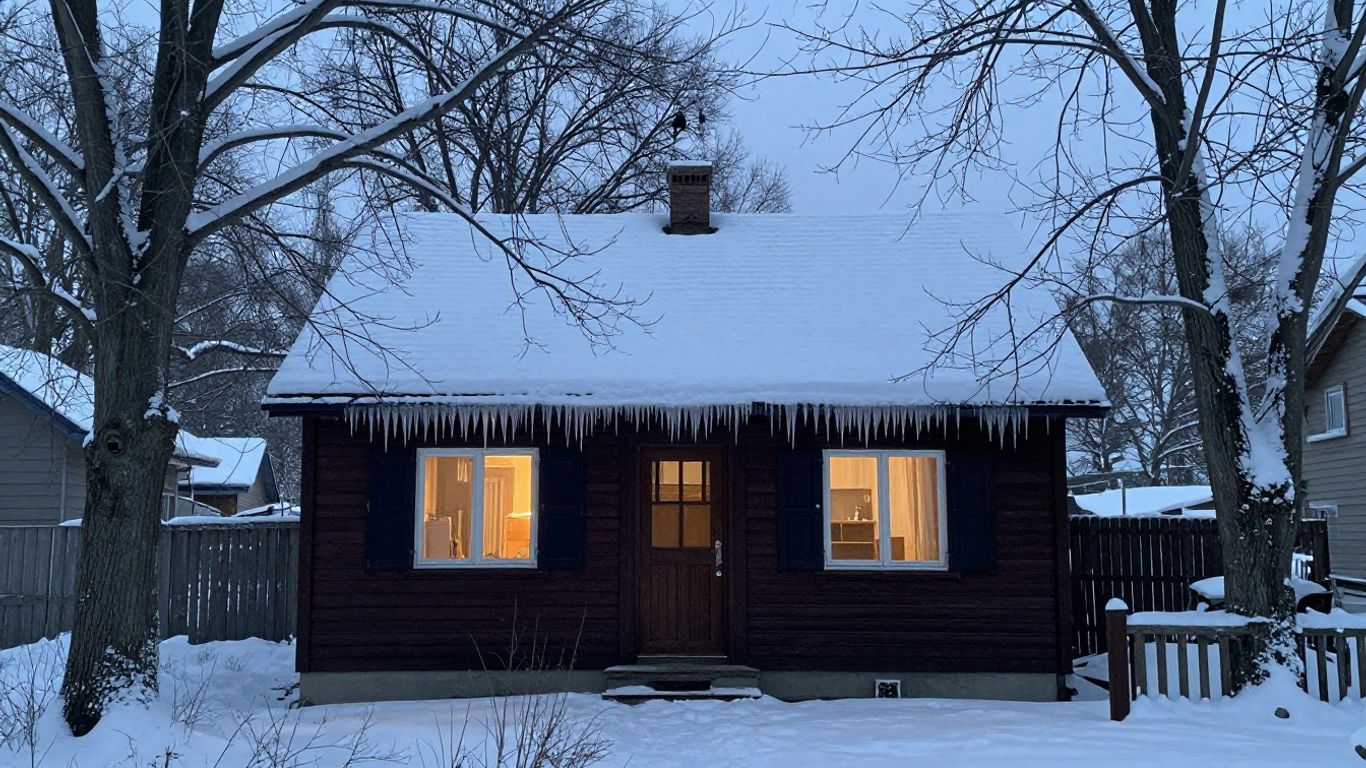
When you’re thinking about keeping your rental property safe, especially during those less busy times of the year, looking into protection services is a smart move. It’s not just about the big stuff; it’s about having peace of mind knowing that potential issues are covered. This can really help you focus on getting bookings rather than worrying about what might go wrong.
Understanding Renter Screening Benefits
Screening potential renters before they book is a pretty straightforward way to reduce risks. It’s like doing a quick background check to see if they have a history of being responsible. This can help avoid problems down the line, like property damage or late payments. Most services will look at things like credit history, past rental behavior, and sometimes even criminal records. It’s a good first step to make sure you’re inviting the right people into your space.
- Reduces the likelihood of property damage.
- Minimizes the chance of non-payment.
- Helps maintain a positive rental history for your property.
- Provides a sense of security for you as the owner.
The Importance of Short-Term Rental Insurance
Standard homeowner’s insurance often doesn’t cover the risks associated with short-term rentals. That’s where specialized insurance comes in. It’s designed to protect you from things like accidental damage caused by guests, liability if someone gets hurt on your property, and even loss of rental income if your property becomes temporarily uninhabitable due to a covered event. Think of it as a safety net that catches you when unexpected things happen.
| Coverage Type | What It Typically Covers |
|---|---|
| Property Damage | Accidental damage by guests, vandalism, theft |
| Liability | Guest injuries on the property, legal defense costs |
| Loss of Income | Covers lost rent if property is damaged and unrentable |
| Contents Coverage | Protection for furniture, appliances, and personal items |
Mitigating Risks During All Seasons
No matter the season, there are always risks involved with renting out your property. Winter might bring concerns about frozen pipes or heating system failures, while summer could see increased wear and tear. Having solid protection services in place means you’re prepared for a range of scenarios. It’s about being proactive rather than reactive, which can save you a lot of money and headaches.
Investing in renter screening and appropriate insurance isn’t just an expense; it’s a strategic decision that safeguards your rental income and property value throughout the year. It allows you to operate with greater confidence, especially when welcoming guests during the off-peak seasons when you might be more eager to fill vacancies.
Expanding Rental Income Streams
It’s easy to think of your rental property as just a place for people to stay, especially during the busy summer months. But what if you could make more money from it, even when the weather gets chilly or the peak season winds down? There are definitely ways to do that, and it’s not as complicated as you might think.
Hosting Corporate Retreats and Workshops
Think about businesses. They often need places for their teams to get together, brainstorm, or learn new skills. Your rental, especially if it’s a bit larger or has some nice common areas, could be perfect for this. Corporate groups might book during the week, which is usually a slower time for vacationers. They’re often looking for more than just a bed; they might need meeting spaces, good Wi-Fi, and maybe even catering options. You could partner with local caterers or event planners to offer packages.
- Offer meeting space amenities: Ensure you have a solid table, comfortable chairs, and reliable internet. A projector or large screen can be a big plus.
- Provide catering coordination: Connect with local restaurants or caterers who can deliver meals or set up buffet-style lunches.
- Bundle with team-building activities: Suggest local attractions or activities that businesses can use for team bonding.
Businesses often have budgets for employee development and team cohesion, and a well-equipped rental property can fit right into their plans, especially during the off-season.
Offering Day-Use Packages
Not everyone needs to stay overnight. Sometimes, people just need a comfortable, quiet place for a few hours. This could be for remote workers who need a change of scenery from their home office, students looking for a study spot away from campus distractions, or even local families wanting a cozy place for a small gathering without the commitment of an overnight stay. You could offer packages for a half-day or a full day, perhaps with access to specific amenities like a kitchen or a quiet workspace.
- Define clear time slots: Offer 4-hour or 8-hour blocks.
- Specify available amenities: List what guests can use during their day visit.
- Set appropriate pricing: Day rates should be less than overnight rates but still reflect the use of the property.
Partnering with Local Activity Providers
Your rental is likely near some cool local spots or activities. Instead of just letting guests figure it out themselves, why not team up with them? You could create packages that include a stay at your rental plus tickets to a local museum, a guided tour, a wine tasting, or even a ski lesson if you’re in a winter destination. This makes booking easier for your guests and gives you a commission or a referral fee from the activity provider. It’s a win-win that adds extra value and income.
| Partner Type | Example Service | Potential Benefit to You |
|---|---|---|
| Adventure Tours | Guided Hiking/Kayaking | Referral Fees, Package Deals |
| Wineries/Breweries | Tasting Experiences | Commission, Guest Upsell |
| Ski Resorts/Rentals | Lift Tickets, Lessons | Bulk Discounts, Package Deals |
| Local Museums | Admission Tickets | Group Rates, Guest Attraction |
By thinking beyond just overnight stays, you can turn your rental property into a more versatile income generator throughout the year.
Building Guest Loyalty for Future Bookings
So, you’ve managed to keep your rental booked through the cooler months. That’s great! But the real win isn’t just filling those off-peak dates; it’s turning those temporary guests into repeat customers. Think of it as planting seeds for next year’s harvest. Happy guests who had a fantastic, cozy experience during the "off-season" are way more likely to book again, maybe even during peak times, or at least recommend you to friends.
Implementing Return Guest Discounts
This is a pretty straightforward way to show appreciation. When a guest has stayed with you before, offering them a little something off their next booking makes them feel valued. It doesn’t have to be a huge discount, but even 5-10% can make a difference. It’s a small price to pay for a guaranteed booking and a happy customer.
Here’s a simple breakdown:
- First-time guest: Standard rate.
- Second stay: 5% discount.
- Third stay and beyond: 10% discount.
This kind of tiered approach rewards loyalty and encourages longer-term relationships.
Collecting Guest Emails for Communication
If you’re not already doing this, start now. You need a way to stay in touch with people who have stayed at your rental. A simple guestbook where people can leave their email address, or even a QR code that links to a sign-up form, works wonders. The goal is to build a list of contacts you can reach out to directly. This bypasses the algorithms of social media and gets your message straight to interested people.
Sending Seasonal Updates and Offers
Once you have that email list, use it! Don’t just blast them with booking requests. Send out occasional newsletters with updates about your property or the local area. Maybe share some photos of the fall colors or mention a local winter festival. Then, sprinkle in special offers for your past guests. Think early bird discounts for next summer, or a special package for a quiet spring weekend. It keeps your property top-of-mind without being pushy.
Building a loyal customer base is about more than just a transaction. It’s about creating an experience that guests want to repeat and share. By making them feel appreciated and keeping them informed, you’re setting yourself up for consistent bookings year after year, turning those shoulder season efforts into long-term success.
Don’t Let Your Rental Sit Empty
So, it turns out that those ‘in-between’ seasons, the ones that used to feel like a quiet time for your rental property, can actually be a pretty good source of income. By making a few smart changes, like updating your listing to show off cozy features or adjusting your prices a bit, you can keep guests coming. It’s not about completely overhauling everything, but small tweaks can make a big difference in keeping your rental booked and earning money all year round. Think of it as giving your property a little extra polish so it shines, no matter the weather outside.
Frequently Asked Questions
What is ‘shoulder season’ for rentals?
Shoulder season is the time between the busy summer months and the cold winter. Think of it as the cool, crisp days of fall and the early chilly weeks of spring. It’s a time when fewer people are on vacation, but it can still be a great time to rent out your place.
Why should I rent my place during the shoulder season?
Renting during the shoulder season can actually make you more money over the whole year! Many people think rentals stop after summer, but there are still travelers looking for getaways. By renting it out, you can earn extra income during what might have been empty weeks.
Who rents places during the fall and early spring?
Different kinds of people rent during these times. Some are remote workers looking for a quiet place to work away from home. Others are adventure lovers who want to enjoy activities like hiking or early skiing. People also look for relaxing trips, maybe with a hot tub or a cozy fireplace.
How can I make my rental more appealing for cooler weather?
You can add features that make your place extra cozy. Think about adding things like heated blankets, a good fireplace or wood stove that’s easy to use, and maybe even a hot tub or sauna. Making sure your place is warm and comfortable inside is key.
Should I change my prices for the shoulder season?
Yes, it’s a good idea to be flexible with your prices. You might want to offer lower prices for weekdays or during certain weeks. Also, consider allowing shorter stays, like just 2 or 3 nights instead of a full week. This can attract more guests who might not stay for a long time.
How can I advertise my rental for the off-season?
Update your photos to show how cozy your place looks in the fall or winter. Highlight activities that happen during these times, like nearby hiking trails, ski resorts, or even just enjoying a warm drink by the fire. Tell a story about why someone would love staying at your place when it’s cooler outside.
What kind of maintenance should I do for colder weather?
It’s important to make sure your heating system is working well. Check for any drafts or air leaks around windows and doors to keep the heat inside. Also, make sure your fireplace or wood stove is safe and ready to use. Keeping your rental warm and safe is a top priority.
How can I encourage people to book again?
Offer discounts for guests who come back. Collect their email addresses so you can send them updates about your rental or special offers for future stays. Building a connection with your guests can lead to them booking with you again and again.