

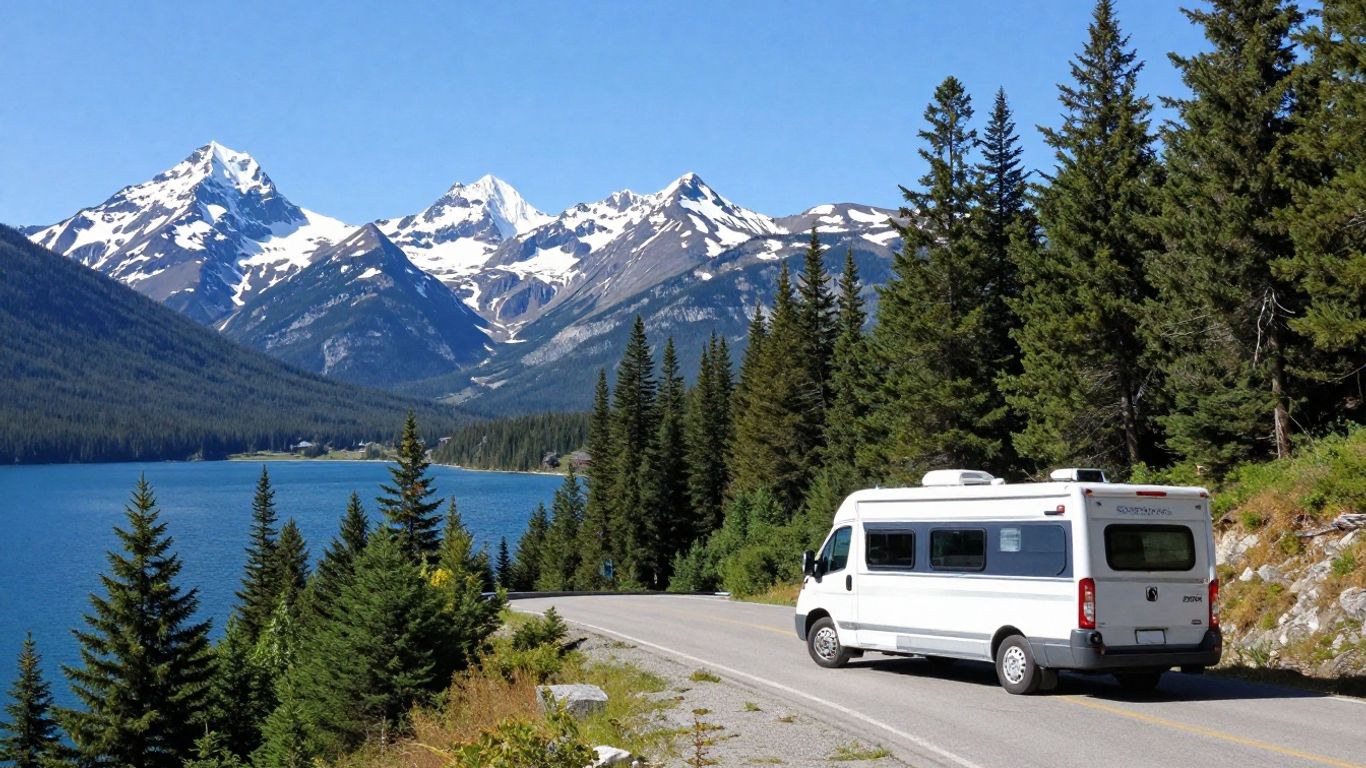
Planning a motorhome trip across Canada can be an amazing adventure, but figuring out the actual cost can feel like a puzzle. You see all these pictures of people exploring national parks and scenic routes, and you start wondering, ‘What’s the real motorhome trip Canada cost per week?’ Well, it’s not just about the rental price. There are a bunch of other things that add up, from where you park your rig each night to how much gas you burn getting from point A to point B. This guide breaks down all those expenses so you can budget realistically for your own Canadian road trip.
Key Takeaways
- Motorhome rental prices in Canada vary a lot based on the size of the vehicle and the time of year you travel. Expect to pay more during peak summer months.
- Campsite fees can range from affordable national park spots to more expensive private campgrounds, and booking ahead is usually a good idea, especially in popular areas.
- Fuel is a big part of the budget. The distance you plan to cover and the motorhome’s fuel efficiency will heavily influence your spending here.
- Don’t forget about insurance and the security deposit for the rental, as these can be significant upfront costs that you get back later, provided there’s no damage.
- Beyond the big items like rent and fuel, remember to budget for everyday costs like food, park entry fees, and unexpected incidentals to get a true picture of your motorhome trip Canada cost per week.
Motorhome Rental Prices in Canada
Renting a motorhome for a week in Canada can be a great way to explore the country’s vast landscapes with total freedom. However, the real cost depends on the type of RV you choose, the time of year, and all those extra charges that can sneak up on you. Let’s break down what you should expect so you don’t get caught off guard.
Typical Weekly Rates by RV Size and Season
The price of a motorhome rental in Canada swings wildly based on vehicle size and demand. During peak summer, larger family rigs can get especially pricey.
| RV Type | Low Season (per week) | Peak Season (per week) |
|---|---|---|
| Campervan (2 berth) | $800 – $1,100 | $1,400 – $1,700 |
| Class C (mid-size) | $1,200 – $1,700 | $2,000 – $2,700 |
| Class A (luxury) | $2,000 – $2,800 | $3,500+ |
Most companies prefer you rent for a full week, especially between June and September, when bookings fill fast. Shoulder seasons—spring and fall—usually offer the best deals if your schedule is flexible.
Inclusions and Extra Fees to Consider
Rental prices cover the basics, but you’ll need to keep an eye out for:
- Mileage limits (overages are billed per kilometer)
- Prep fees (cleaning, tank dumping, propane top-up)
- Kitchen kits, linens, and camping gear rentals
- Additional driver fees
- Insurance (often only basic liability is included)
Blockquote:
You might see an advertised weekly price that looks good, but extras can easily tack on another few hundred bucks—sometimes turning a cheap-sounding deal into a real headache.
Booking Tips for Better Value
- Compare companies: Use consolidator platforms and check smaller local agencies for deals.
- Book early: Summer is busy across Canada’s top routes. Reserve 4–6 months in advance if you want your pick of vehicles.
- Double-check policies: Ask about unlimited mileage vs. included mileage, and get clarification on all fees.
- Consider rental duration: Sometimes, a slightly longer rental drops the daily rate—4 days can cost nearly as much as a week.
- Ask about relocation deals: Occasionally, companies need one-way drivers, offering steep discounts if you’re flexible about pickup and drop-off cities.
Building in a realistic buffer in your motorhome trip budget is smart, especially since hidden charges and last-minute add-ons are so common in this space. Take time to read the fine print and ask questions upfront—your wallet will thank you.
Campsite Fees and Reservation Insights
Finding a place to park your motorhome each night is a big part of planning your trip, and it can really change how much you spend. Campsite fees can vary a lot, from totally free spots to places that cost as much as a hotel room. It’s not just about the price, though; what you get for your money is super important too.
Campground Cost Ranges and What’s Included
Campgrounds in Canada can be a mixed bag when it comes to price and what they offer. You’ll find everything from basic spots with just a patch of dirt to fancy resorts with all the bells and whistles. Generally, expect to pay more for sites with full hookups (water, electricity, and sewer) compared to those without.
Here’s a rough idea of what you might encounter:
- Free Camping (Boondocking/Dispersed Camping): This is your zero-cost option. You might find these spots on Crown land (in some provinces) or designated public lands. You won’t have any services like water, electricity, or restrooms, so you need to be self-sufficient. It’s great for saving money but requires more planning.
- Basic Provincial/National Park Sites: These often cost between CAD $25-$50 per night. They usually include a place to park, maybe a picnic table and fire pit, and access to shared washrooms and sometimes water taps. Hookups are less common here.
- Private Campgrounds: Prices here can range from CAD $40-$80 per night for a standard site with hookups. Some private campgrounds, especially those with amenities like pools, playgrounds, or organized activities, can go up to CAD $100 or more per night. Monthly rates are sometimes available and can offer savings if you plan to stay put for a while.
- Full-Service Resorts: These are the high-end options, often costing CAD $80-$150+ per night. They come with all the hookups, plus amenities like Wi-Fi, laundry facilities, recreation centers, and sometimes even guided tours or activities.
When you book, always check what’s included. Does the price cover electricity? Is Wi-Fi extra? Are there any hidden fees for things like dumping your tanks or using the showers?
Differences Between National Parks and Private Sites
Choosing between a national park campground and a private one really depends on what you’re looking for during your trip. They offer pretty different experiences.
National Parks (like those managed by Parks Canada) are usually all about immersing yourself in nature. The campsites are often more spread out, nestled among trees, and provide a more rustic feel. You’re right there, close to hiking trails, scenic viewpoints, and wildlife. The focus is on the natural environment. However, amenities can be basic – think shared washrooms, no hookups at many sites, and sometimes limited cell service or Wi-Fi.
Private campgrounds, on the other hand, are more like traditional campgrounds or even RV resorts. They are run as businesses, so they tend to have more amenities designed for convenience and comfort. You’ll find full hookups (power, water, sewer) are standard at most sites, and they often offer extras like swimming pools, convenience stores, laundry facilities, playgrounds, and sometimes even organized entertainment. They can be a great option if you want more creature comforts or if you’re traveling with kids who need more to do. The trade-off is that they can be more crowded, and you might feel less connected to the wild.
When and How to Book Campsites
Booking your campsites in advance is pretty much a must, especially if you’re traveling during peak season (summer) or visiting popular areas. Trying to find a spot on the fly can lead to a lot of stress and disappointment.
Here’s a general guide:
- Start Early: For national and provincial parks, especially in popular spots like Banff, Jasper, or PEI National Park, reservations often open months in advance (sometimes up to six months). Popular sites can book up within minutes of becoming available.
- Use Official Websites: Parks Canada has its own reservation system (reservation.pc.gc.ca). Provincial parks will have their own booking sites, usually linked from the provincial government’s tourism or parks department website. For private campgrounds, you’ll typically book directly through their individual websites or through third-party booking platforms.
- Be Flexible: If your first choice is booked, don’t give up immediately. Keep checking back, as cancellations do happen. Also, consider slightly less popular parks or sites within a park, or look at private campgrounds as alternatives.
- Understand the Rules: Each booking system has its own rules about how far in advance you can book, how long you can stay, and cancellation policies. Make sure you read these carefully before you commit.
Planning your route and knowing where you want to stay each night is key. Don’t underestimate how quickly good campsites get taken, especially during the busy summer months. Having a few backup options in mind is always a smart move.
Fuel Expenses for a Week-Long Motorhome Journey
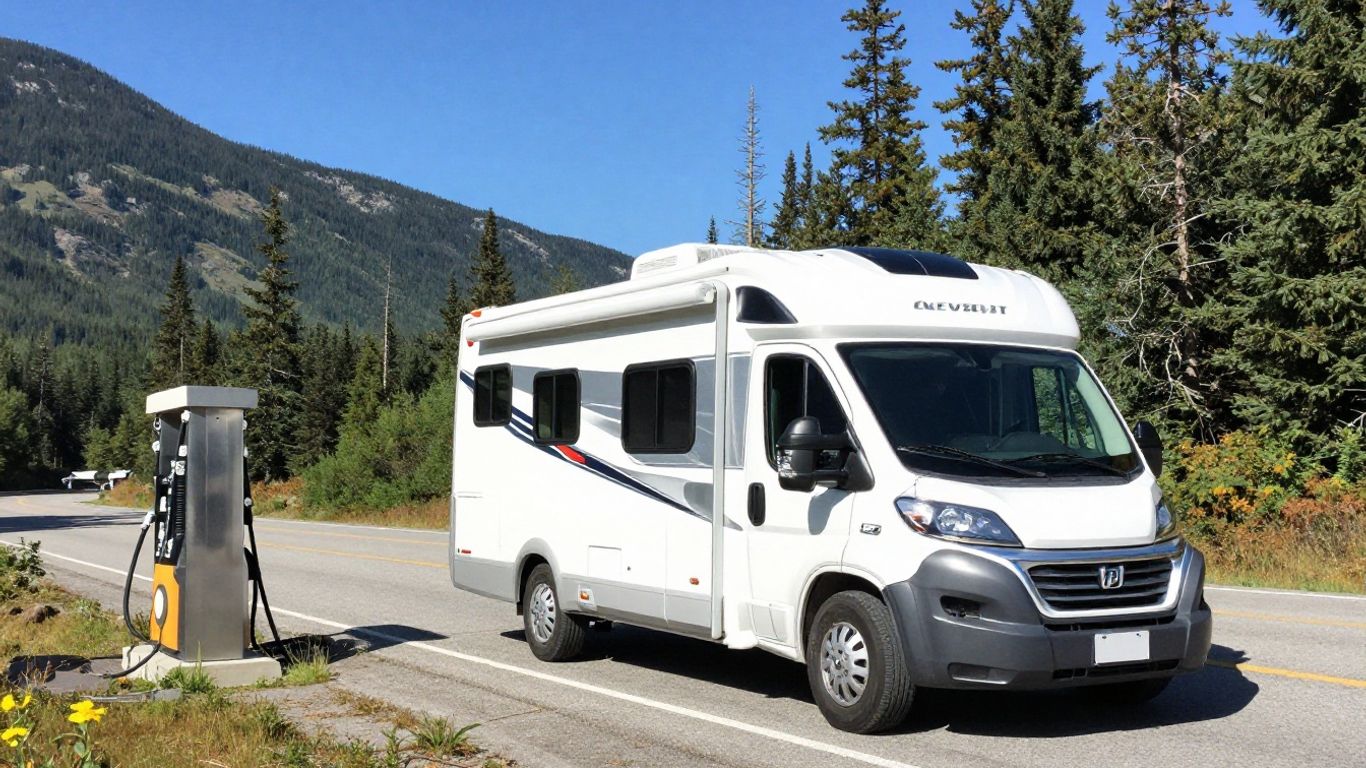
When you’re planning a motorhome trip across Canada, figuring out the fuel costs is a big part of the puzzle. These vehicles, while offering freedom, aren’t exactly known for sipping gas. Your fuel budget can easily become one of the largest single expenses, especially if you plan on covering a lot of ground.
Estimating Gasoline or Diesel Usage
Motorhomes vary a lot in their fuel efficiency. A larger, gas-powered RV might get anywhere from 6 to 10 miles per gallon (MPG). If you’re in a diesel model, you might see slightly better numbers, maybe 8 to 12 MPG. Smaller camper vans, on the other hand, can sometimes reach 15 to 20 MPG. It really depends on the size, engine, and how you drive.
Here’s a rough idea of what you might expect:
| RV Type | Estimated MPG | Fuel Type | Common Weekly Distance (km) | Estimated Weekly Fuel Cost (CAD) |
|---|---|---|---|---|
| Small Camper Van | 15-20 | Gasoline | 1000 | $150 – $200 |
| Class C RV | 10-14 | Gasoline | 1000 | $220 – $300 |
| Class A RV | 6-10 | Gasoline | 1000 | $350 – $500 |
| Diesel Pusher | 8-12 | Diesel | 1000 | $300 – $450 |
Note: These are estimates. Actual costs will vary based on current fuel prices, specific vehicle efficiency, and driving conditions. Weekly distance is an example; adjust based on your itinerary.
Factors Affecting Your Fuel Budget
Several things can really sway how much you end up spending on fuel:
- Distance Traveled: This is the most obvious one. The more kilometers you cover, the more fuel you’ll burn. Planning your route carefully is key.
- Vehicle Efficiency: As mentioned, different motorhomes have different MPG ratings. A smaller, more aerodynamic vehicle will generally cost less to fuel than a large, boxy one.
- Fuel Prices: Prices at the pump fluctuate significantly across Canada. You’ll find differences between provinces and even between towns within the same province. Keeping an eye on prices can help you find better deals.
- Driving Habits: Speed is a big factor. Driving at higher speeds uses considerably more fuel than cruising at a moderate pace. Aggressive acceleration and braking also increase consumption.
- Terrain and Load: Driving through mountainous areas or carrying a heavy load will make your engine work harder, using more fuel.
When planning your trip, it’s wise to add a buffer to your fuel budget. Unexpected detours, finding a better campsite further down the road, or simply enjoying the journey can add unexpected kilometers to your odometer. Being prepared for these possibilities means less stress when you’re on the road.
Tips for Saving Fuel While Traveling
Want to keep your fuel costs down? Here are a few ideas:
- Drive Slower: Stick to the speed limit or even a bit below. Driving around 90-100 km/h (55-60 mph) instead of 110-120 km/h can make a noticeable difference in fuel economy. It also gives you more time to enjoy the scenery!
- Plan Your Route: Use mapping tools to find the most direct routes and avoid unnecessary backtracking. Sometimes, a slightly longer but more direct highway route is more fuel-efficient than winding back roads.
- Minimize Idling: Turn off the engine if you’re going to be stopped for more than a minute or two. This is especially relevant if you’re waiting for someone or taking a longer break.
- Proper Tire Inflation: Underinflated tires create more rolling resistance, making your engine work harder. Check your tire pressure regularly, especially as temperatures change.
- Lighten the Load: Don’t carry unnecessary weight. The heavier the motorhome, the more fuel it will consume. Pack smart and only bring what you truly need for your Canadian campervan trip.
By keeping these points in mind, you can better estimate and manage your fuel expenses, making your motorhome adventure more predictable and enjoyable.
Mileage and Distance Considerations
When you’re planning a motorhome trip, thinking about how far you’ll actually drive is super important. It’s not just about getting from Point A to Point B; it’s about how that distance impacts your budget and your overall experience.
Mileage Package Costs and Overages
Most motorhome rentals come with a certain number of miles included for your trip. It’s usually a weekly or daily allowance. You’ve got to keep an eye on this because going over can get pricey. Rental companies often charge a per-mile fee for any extra distance, and these rates can add up fast. Always check what the included mileage is and what the overage charge will be before you sign anything.
Here’s a general idea of what you might see:
| Rental Type | Included Miles (Weekly) | Overage Fee (Per Mile) |
|---|---|---|
| Small Camper Van | 700 miles | $0.35 – $0.50 |
| Class C RV | 700 miles | $0.40 – $0.60 |
| Class A Motorhome | 700 miles | $0.45 – $0.75 |
Note: These are estimates and can vary significantly by rental company and location.
Realistic Distances for a One-Week Trip
So, how much ground can you realistically cover in a week? It really depends on your travel style. Are you trying to see as much as possible, or are you taking it slow? A common approach for a one-week trip might involve driving between 100 to 200 miles per day on average. This allows for some sightseeing and relaxation without feeling rushed.
- Relaxed Pace: Aim for under 100 miles daily, focusing on one or two main destinations. This is great for really soaking in a place.
- Moderate Pace: Around 150 miles per day gives you flexibility to explore smaller towns or scenic routes along the way.
- Ambitious Pace: Pushing 200+ miles daily means you’re covering a lot of ground, but you might spend more time driving than exploring.
Remember, RVs aren’t built for speed, and you’ll want to factor in time for setup and breakdown at campsites.
How Route Planning Impacts Costs
Where you decide to go makes a big difference. A direct route on major highways might be faster, but it could also mean more tolls. Taking scenic backroads might be more enjoyable and avoid tolls, but it will likely increase your driving time and potentially your fuel consumption due to lower speeds and more stops.
Planning your route ahead of time is key. Look at maps, consider potential tolls, and think about the kind of roads your motorhome can comfortably handle. Sometimes, a slightly longer route that avoids expensive tolls or difficult terrain can save you money and stress in the long run. Don’t forget to check for any road restrictions for larger vehicles in certain areas.
Consider these points when planning:
- Toll Roads: Research toll costs along your intended route. Some electronic tolls can be surprisingly expensive.
- Fuel Stops: Plan where you’ll refuel. RVs have larger tanks, but knowing where to find diesel or gas can save time and sometimes money.
- Scenery vs. Speed: Decide if you prioritize seeing the sights or covering distance quickly. This choice directly affects your mileage and fuel costs.
Insurance and Bond Deposits for Motorhome Rentals
When you rent a motorhome, you’re essentially taking on a lot of responsibility for a big, expensive vehicle. That’s where insurance and security deposits come into play. It’s not the most exciting part of planning a trip, but it’s super important to get right so you don’t end up with a nasty surprise.
Mandatory and Optional Insurance Types
Most rental companies will require you to have some form of insurance. This usually covers damage to the rental vehicle itself. Think of it like the collision and comprehensive coverage you’d get for a car, but for a motorhome.
- Collision Damage Waiver (CDW) or Loss Damage Waiver (LDW): This isn’t technically insurance, but a waiver that limits your financial responsibility if the motorhome is damaged or stolen. It often has a deductible.
- Liability Insurance: This covers damage or injury you might cause to others or their property. It’s usually a minimum requirement.
- Supplemental Liability Insurance (SLI): Sometimes the basic liability isn’t enough, especially in certain areas. SLI offers higher limits.
- Personal Effects Coverage: This protects your belongings inside the motorhome if they are stolen or damaged.
- Tire and Windshield Protection: These are often separate add-ons, as standard policies might not cover damage to tires or glass.
Typical Bond or Security Deposit Requirements
Besides insurance, you’ll almost always have to put down a security deposit, often called a bond. This is basically a hold on your credit card. The rental company uses it to cover any potential damages, fuel charges, or late return fees that aren’t covered by your insurance or waiver.
- Amount: Deposits can range quite a bit, from $500 to $3,000 or even more, depending on the size of the motorhome and the rental company’s policies.
- Payment Method: It’s usually paid with a credit card. Debit cards are sometimes accepted, but they might have stricter requirements or require you to purchase more insurance.
- Refund: The deposit is typically refunded after you return the motorhome in the agreed-upon condition, with a full tank of fuel, and on time. It can take a few business days to show up on your statement.
What Insurance Actually Covers
It’s really important to read the fine print on whatever insurance or waiver you choose. What’s covered can vary a lot. For example, many policies won’t cover damage from driving on unpaved roads, or if you were driving under the influence. Also, things like awning damage or roof issues can sometimes be excluded or have special conditions.
Always clarify what happens if you have a breakdown or need roadside assistance. Does the rental company handle it, or is it your responsibility? Knowing this upfront can save a lot of stress if something unexpected happens on your trip. Don’t assume anything; ask questions until you’re completely comfortable with the coverage and what you’re paying for.
Food and Grocery Spending on the Road
Even after accounting for the motorhome, campgrounds, and gas, food still plays a huge role in your trip budget. There are a few ways travelers handle meals on the road, and each comes with pretty different costs.
Cooking in the Motorhome vs. Eating Out
One of the main perks of an RV rental is the flexibility to cook your own meals most of the time. Making simple dishes yourself can save a lot of money compared to frequent restaurant visits. Here’s a quick comparison of possible costs:
| Approach | Estimated Weekly Cost (for 2 people) |
|---|---|
| Cooking all meals | $80–$120 |
| Mix of cooking and eating out | $150–$250 |
| Eating out every meal | $400+ |
On a tight budget, you might stick to easy meals: think pasta, sandwiches, or chili. Grocery stores like Walmart, No Frills, or Superstore usually offer the lowest prices. Storage in a motorhome is limited, so plan for a couple of smaller shopping trips instead of one huge haul.
But let’s be honest—sometimes you just want to try that highly-rated local burger spot, or treat yourself to breakfast in a new town. Even grabbing a quick lunch out a few times in a week quickly adds up. Expect at least $15 per person for a simple sit-down meal, and more in touristy spots or at unique restaurants.
Average Weekly Grocery Costs
Grocery bills in Canada are a bit higher than in the U.S.—it’s just the reality of transportation and supply here. Plan for things to be around 10–15% pricier, especially if you’re visiting smaller towns or remote areas.
- For a couple, budget at least $100–$140/week for groceries if you cook most of the time.
- Add another $50–$100 for the week if you plan to eat out for a few meals, or want to pick up wine, fresh treats, or campfire snacks.
Here’s a quick grocery breakdown for a typical week:
| Item Category | Sample Weekly Spend (CAD) |
|---|---|
| Fresh Fruits & Veg | $30 |
| Meat & Proteins | $30 |
| Dairy & Eggs | $15 |
| Bread & Grains | $10 |
| Snacks | $10 |
| Drinks/Coffee | $15 |
| Total | $110 |
It’s smart to stock up at big city stores before heading into national parks or more isolated areas, since grocery options there can be expensive and limited.
Budget Meal Planning Tricks
Stretching your food budget isn’t tough, but you’ll need to plan just a little:
- Stick with one-pot meals that use affordable, versatile staples (rice, pasta, canned beans).
- Buy in bulk when you can, especially for snacks and pantry basics.
- Visit local farmers’ markets for cheaper (and fresher) produce—lots of small towns set these up on weekends.
- Make use of leftovers, and try to use up what you buy to avoid waste.
- Limit impromptu restaurant meals—decide ahead which days you’ll splurge, then stick to the plan otherwise.
There’s always a balance between convenience and cost. Some days you’ll want a camp-cooked meal under the stars—other days, only a restaurant will do. With a little planning, you can keep food costs reasonable while still sampling the best of the Canadian road trip experience.
Park Entry and Attraction Passes
When you’re planning a motorhome adventure in Canada, it’s not just about the vehicle and the road. The parks and attractions you visit can shape your whole trip experience—and your wallet feels it too. Park entry fees, attraction passes, and smart choices add up fast if you’re not keeping an eye on them. Here’s what you need to know about budgeting for Canada’s incredible sights.
Parks Canada Pass Options and Prices
For anyone exploring Canada’s national parks, a Parks Canada Discovery Pass makes a lot of sense. It’s usually the best value, especially if you’re hopping between several parks or historic sites.
| Type of Pass | 2026 Price (CAD) | Coverage |
|---|---|---|
| Single Day, Adult | $11.00 | 1 park, 1 day |
| Family/Group Day Pass | $22.00 | 1 park, up to 7 ppl |
| Discovery Pass, Individual | $70.00 | All parks, 1 year |
| Discovery Pass, Family | $140.00 | All parks, 1 year |
- The Discovery Pass covers entry for more than 80 parks and historic sites nationwide.
- Some parks charge separate fees for parking, shuttle buses, or activities (think canoe rentals or interpretive programs).
- If you only visit one or two parks, stick with daily passes. For three or more, the annual Discovery Pass quickly pays for itself.
How Many Passes Do You Need?
Knowing what passes you’ll actually need can be a bit of a guessing game if you haven’t mapped everything out. Here are some things to keep in mind:
- Count the number of national parks you plan to enter—Parks Canada passes don’t cover provincial or private parks.
- For provincial parks, expect different fee structures by province; Ontario and BC often have their own annual or daily permits.
- Attractions in big cities (like museums or aquariums) usually need separate tickets, not covered by any park pass.
A common mistake is overbuying passes, especially if you end up spending more time in free spots or skipping certain parks due to weather or detours. Double-check your route before purchasing.
Maximizing Value from Attraction Passes
Stretch your travel dollars by focusing on passes or combos that actually fit your trip:
- Look for city passes in places like Toronto or Vancouver, which bundle museums, galleries, and other sights at a discount.
- Some provinces offer combined regional park passes if you’re hitting several in one area.
- Plan park-heavy days to get the most out of your day or week pass—group visits together to avoid extra daily fees.
Remember, cost-saving isn’t just about finding cheap rates. Timing matters, too. Traveling in shoulder season can mean fewer crowds and cheaper fees overall—something to consider when comparing the total motorhome trip costs in Canada.
Incidentals and Miscellaneous Travel Costs
Beyond the big ticket items like rental fees and fuel, there are always those little extras that pop up. Think of these as the "life happens" costs of your motorhome adventure. They might not seem like much individually, but they can add up if you’re not keeping an eye on them.
Parking, Tolls, and Ferry Fees
Depending on where your travels take you in Canada, you might encounter a few unexpected charges. Major cities often have paid parking lots, and some scenic routes or bridges come with tolls. Ferries, especially in coastal areas like British Columbia, can also be a significant expense. It’s wise to factor these in, especially if you plan on hitting urban centers or specific coastal routes. A quick check of your planned route on a mapping service can often give you a heads-up on potential toll roads.
- City Parking: Expect to pay anywhere from $2-$5 per hour in downtown areas.
- Tolls: Bridge and highway tolls vary widely, from a few dollars to over $10 for some major crossings.
- Ferries: Costs depend on the length of the ferry and the size of your vehicle; budget $50-$150+ for longer routes.
Laundry and Hygiene Expenses
Living in a motorhome for a week means you’ll likely need to do laundry at some point. Most campgrounds have coin-operated laundry facilities, so bring plenty of quarters. Also, don’t forget about personal hygiene items. While you’ll pack most of what you need, you might need to pick up extras like specialized RV toilet paper (it’s different from household paper and important for your holding tanks!) or extra cleaning supplies to keep your temporary home tidy. These are small costs, but they’re part of the reality of living on the road.
Budgeting for Unexpected Purchases
This is where that little bit of wiggle room in your budget comes in handy. Maybe you forgot to pack a certain kitchen utensil, or perhaps you find a souvenir you just can’t pass up. Sometimes, unexpected things happen – a tire might need a patch, or you might need to replace a broken camp chair. It’s always a good idea to have a small buffer for these kinds of surprises. For a week-long trip, setting aside an extra $50-$100 for these unknowns can save you from stress.
It’s easy to get caught up in the excitement of the open road and forget about the small expenses that can chip away at your budget. Being prepared for parking fees, tolls, and the occasional necessity like laundry soap can make a big difference in how smoothly your trip goes. Always have a little extra cash or a separate budget category for those "just in case" moments. Flexibility is key when you’re traveling.
Remember to check for any potential last-minute RV rental availability if you’re still in the planning stages, as this can sometimes influence your overall budget and travel style.
Connectivity and Entertainment On the Go
Staying connected and entertained while you’re out exploring in a motorhome is a big part of the modern travel experience. It’s not just about posting photos; it’s about keeping in touch, maybe even working remotely, and having some downtime options. Let’s break down what you need to consider.
Internet Options for Motorhome Travelers
Reliable internet can be a bit of a mixed bag when you’re on the road. Campground Wi-Fi is often available, but honestly, it’s usually slow and not super secure. Don’t count on it for anything important, like a big work deadline. Many travelers find themselves relying on their own mobile data.
- Mobile Hotspots: Using your smartphone as a hotspot is a common solution for shorter trips. If you’re traveling for a longer period or need more consistent access, a dedicated mobile hotspot device might be a better investment. These can often handle more connections and might offer better data plans.
- Cell Signal Boosters: If you plan on venturing into more rural areas, a cell signal booster can make a huge difference. It helps grab a weaker signal and makes it usable. These are a one-time purchase that can save you a lot of frustration.
- Satellite Internet: For those who absolutely need internet everywhere, even in the middle of nowhere, satellite systems like Starlink are an option. They come with a significant upfront cost for the equipment, plus a monthly fee, but they offer internet access where cell service doesn’t exist. It’s a game-changer for remote workers but might be overkill for casual users.
Don’t underestimate the value of a good internet setup. It can turn a potentially frustrating situation into a smooth experience, whether you’re catching up on emails or just streaming a movie after a long day of driving.
Phone and Data Plan Considerations
When it comes to your phone and data, there are a few ways to go. For short trips, your regular phone plan might be just fine. But if you’re on the road for an extended period, especially if you need to use your phone as a hotspot, you might want to look into specific plans. Canadian data plans can be quite expensive, so if you’re coming from Canada and heading to the US, or vice-versa, it’s worth checking out international roaming options or even getting a local SIM card. Some US-based plans include data in Canada at no extra charge, which is a nice perk. For a more robust setup, many full-time RVers opt for unlimited data plans that can be used for hotspots, often costing around $100-$150 per month. This is a significant planning expense but provides peace of mind.
Free and Paid Entertainment Types
Beyond staying connected, you’ll want ways to relax and have fun. Luckily, there are plenty of options, both free and paid.
- Free Entertainment: Think hiking, exploring local parks, visiting free museums (many cities have them!), attending community events, or simply enjoying the scenery. Reading books, playing card games, or listening to podcasts are also great, low-cost ways to pass the time.
- Paid Entertainment: This is where your personal interests come in. It could be anything from national park entry fees (consider a Parks Canada Discovery Pass if you plan on visiting multiple sites), museum admissions, guided tours, local attractions, concerts, or sporting events. Factor these into your overall trip budget based on what you enjoy doing.
- Streaming Services: If you have reliable internet, your usual streaming subscriptions like Netflix, Spotify, or Disney+ work just like they do at home. Just remember that the data to stream them is the key cost factor on the road.
Comparing Motorhome Travel to Other Accommodations
So, you’re thinking about an RV trip. That’s awesome! But how does it stack up against, say, a hotel and a rental car, or even just staying home and exploring locally? It’s a fair question, and the answer isn’t always straightforward. Motorhome travel offers a unique blend of accommodation and transportation, which changes the cost equation quite a bit.
Cost Differences with Hotels and Car Rentals
When you compare a motorhome trip to a traditional vacation with hotels and a rental car, the upfront costs can seem higher for the RV. You’re essentially paying for your lodging, your vehicle, and your travel all rolled into one. A hotel room might cost $150-$300 a night, and a rental car could add another $50-$100 daily. Add in meals out and attraction tickets, and it adds up. However, the motorhome bundles these. For a week-long trip, renting an RV can range from $1,000 to $3,000 or more, depending on the size and season. This might seem steep, but remember, that includes your ‘hotel’ and your ‘car’ for the entire week.
| Accommodation Type | Estimated Weekly Cost (CAD) | Notes |
|---|---|---|
| Motorhome Rental | $1,000 – $3,000+ | Includes vehicle and lodging |
| Hotel (Mid-Range) | $1,050 – $2,100 | Based on $150-$300/night |
| Rental Car | $350 – $700 | Based on $50-$100/day |
| Total (Hotel + Car) | $1,400 – $2,800+ | Excludes food and activities |
Keep in mind, these are just rental figures. If you own an RV, your costs shift to ownership expenses like insurance, maintenance, and depreciation, which can be spread out over the year. For part-time RVers, renting for specific trips might be more economical than owning.
Pros and Cons of Each Travel Style
Motorhome Travel:
- Pros: Ultimate freedom and flexibility, ability to cook your own meals (saving money), unique experiences, no need to pack/unpack daily, access to remote areas.
- Cons: Higher upfront rental costs, fuel expenses can be significant, requires more planning for campsites, can be slower to travel, parking can be a challenge in cities.
Hotel & Rental Car:
- Pros: More comfortable and familiar accommodations, easier to explore urban areas, less driving responsibility, often more dining options readily available.
- Cons: Less flexibility in terms of where you stay and when you move, can be more expensive for longer trips or families, requires separate bookings for lodging and transport, less opportunity for spontaneous detours.
When Motorhome Trips Offer the Best Value
Motorhome trips really shine when you’re looking for a certain kind of adventure. They are often the most cost-effective for families or groups traveling together for extended periods, especially if you plan to visit multiple national parks or remote natural areas. If you enjoy cooking and want to control your food budget, the onboard kitchen is a huge plus. For those who value flexibility and the ability to change plans on a whim, the RV lifestyle is hard to beat. It’s also a fantastic way to experience the journey itself, not just the destination. Think about it: waking up to a new view every morning, without having to pack your bags. That’s pretty special.
Saving Money on Your Motorhome Trip Canada Cost Per Week
Alright, so you’ve crunched the numbers and you’re ready to hit the road in a motorhome across Canada. Awesome! But let’s be real, we all want to make our travel dollars stretch a bit further, right? It doesn’t take a genius to figure out that a week in a motorhome can add up, but there are definitely smart ways to keep that total cost from getting out of hand. The key is to be strategic about where you spend your money and where you can cut back without sacrificing the fun.
Using Membership Discounts and Loyalty Programs
Think of memberships like secret keys to savings. Many campgrounds, especially private ones, offer discounts if you’re a member of their club or a national RV association. Even gas stations sometimes have loyalty programs that can shave a few cents off per litre – and when you’re filling up a big motorhome, those cents add up fast.
- RV Associations: Look into groups like the Good Sam Club or local Canadian RV associations. They often have partnerships with campgrounds, offering nightly rate reductions.
- Grocery Store Loyalty Cards: Don’t underestimate these! Signing up for a grocery store’s loyalty program can lead to significant savings on your food bill throughout the week.
- Fuel Rewards Programs: Many major gas station chains have apps or cards that offer discounts. Keep an eye out for these, especially if you know you’ll be frequenting a particular brand.
Traveling in Shoulder or Off-Season
This is probably one of the biggest money-savers. Everyone wants to travel when the weather is perfect and all the attractions are open, but that’s also when prices are at their peak. If you can swing it, traveling just before or just after the main summer rush can make a huge difference.
- Shoulder Seasons (Spring/Fall): Think late April to early June, or September to mid-October. You’ll often find lower rental rates for the motorhome, cheaper campsite fees, and fewer crowds. The weather might be a bit more unpredictable, but the savings are substantial.
- Off-Season (Winter): If your motorhome is equipped for colder weather and you’re not planning on hitting the beaches, winter travel can be incredibly budget-friendly. Just be prepared for road conditions and limited services.
Creative Ways to Lower Daily Expenses
Beyond the big-ticket items, it’s the little things that can nickel-and-dime you. Being mindful of these smaller costs can really help keep your overall budget in check.
- Cook More, Eat Out Less: This is a no-brainer. Eating out, even at casual places, adds up quickly. Plan your meals, do a big grocery shop at the start of your trip, and utilize that motorhome kitchen. Pack lunches for your day trips instead of buying them.
- Free Activities: Canada is packed with natural beauty. Instead of expensive tours, focus on hiking, exploring national and provincial parks (with a pass, of course!), visiting free viewpoints, and enjoying local markets.
- Water Bottle Refills: Carry reusable water bottles and refill them at campgrounds or public fountains instead of constantly buying bottled water. It’s better for your wallet and the environment.
Planning ahead is your best friend when trying to save money on a motorhome trip. Knowing where you’re going, what you’ll need, and looking for deals before you leave can prevent a lot of impulse spending on the road. It’s about making conscious choices that align with your budget while still allowing for spontaneous adventures.
Here’s a quick look at how some choices can impact your weekly spend:
| Cost Category | High Season / Peak Choice | Shoulder Season / Budget Choice | Potential Weekly Savings |
|---|---|---|---|
| Motorhome Rental | $250/day | $180/day | $490 |
| Campsite Fees | $60/night | $40/night | $140 |
| Eating Out | $100/day (for 2) | $40/day (for 2) | $420 |
| Total Potential Savings | $1,050 |
So, What’s the Final Word on a Motorhome Trip in Canada?
Alright, so we’ve looked at all the numbers for a motorhome trip up in Canada. It’s definitely not a cheap vacation, especially if you’re thinking about renting a big rig for a week or more. We saw how the costs can really pile up with rental fees, fuel, campsites, and all those little extras. But, as we’ve seen, there are ways to make it work. Camping, for instance, can slash your costs way down, letting you experience the amazing scenery without breaking the bank. Even with an RV, smart planning, like choosing your route carefully and maybe traveling in the shoulder season, can make a big difference. Ultimately, a motorhome trip in Canada is totally doable, but it really pays to do your homework beforehand. Knowing these costs upfront means you can plan better and focus on enjoying those incredible Canadian landscapes.
Frequently Asked Questions
What’s the average cost to rent a motorhome in Canada for a week?
Renting a motorhome for a week in Canada can cost anywhere from around $700 to over $2,100. Smaller campervans are usually cheaper, starting at about $100 per day, while larger, fancier RVs can cost $250 or more each day, especially during the busy summer season. Remember to check what’s included, as things like mileage, insurance, and even kitchen kits can add extra costs.
How much should I budget for campsites each night?
Campsite fees can vary a lot. You might find basic spots in national parks for around $25 to $30 per night. Private campgrounds or those with more amenities, like full hookups (water, electricity, sewer), can cost $40 to $80 or even more per night. Booking in advance, especially for popular spots in national parks, is a really good idea.
How do fuel costs add up for a week-long trip?
Fuel is a big part of the cost. Motorhomes aren’t very fuel-efficient, so you’ll need to budget carefully. Depending on how much you drive and current gas prices (which can change!), you might spend anywhere from $200 to $600 or more on fuel for a week-long trip. Planning your route to be more direct and driving at moderate speeds can help save money.
What’s typically included in the motorhome rental price?
Rental prices often include the basic rental of the motorhome itself and sometimes a certain number of miles. However, things like insurance, propane, cleaning fees, unlimited mileage packages, and extra equipment (like chairs or bedding) are usually extra. Always read the rental agreement carefully to know what you’re paying for and what you might owe at the end.
How much does insurance and a security deposit cost for an RV rental?
Insurance for RV rentals can add a significant amount, sometimes $250 or more for a week-long trip, depending on the coverage you choose. You’ll also likely need to pay a security deposit, often called a bond, which can be quite high – think $1,000 to $4,000 or even more. This deposit is usually refunded after the trip if the RV is returned in good condition.
What’s a realistic food budget for a week in a motorhome?
If you plan to cook most of your meals in the motorhome, a good budget for groceries for two people for a week might be around $300 to $400. Eating out a lot will definitely increase this cost. Planning your meals and shopping at larger grocery stores like Walmart can help keep food costs down.
Do I need a Parks Canada pass, and how much does it cost?
Yes, you’ll need a Parks Canada Discovery Pass to visit most national parks. For a week-long trip, it’s usually more cost-effective to buy the annual Discovery Pass, which costs around $84. This pass covers unlimited access to all national parks for a year, so it’s a great deal if you plan to visit multiple parks.
What are some common ‘extra’ costs I should plan for?
Besides the big items, watch out for smaller costs that add up. These can include parking fees in cities, tolls on roads or bridges, ferry charges if you’re traveling to islands, laundry expenses at laundromats, and maybe even costs for Wi-Fi or propane refills. It’s wise to set aside a buffer for unexpected expenses too.