

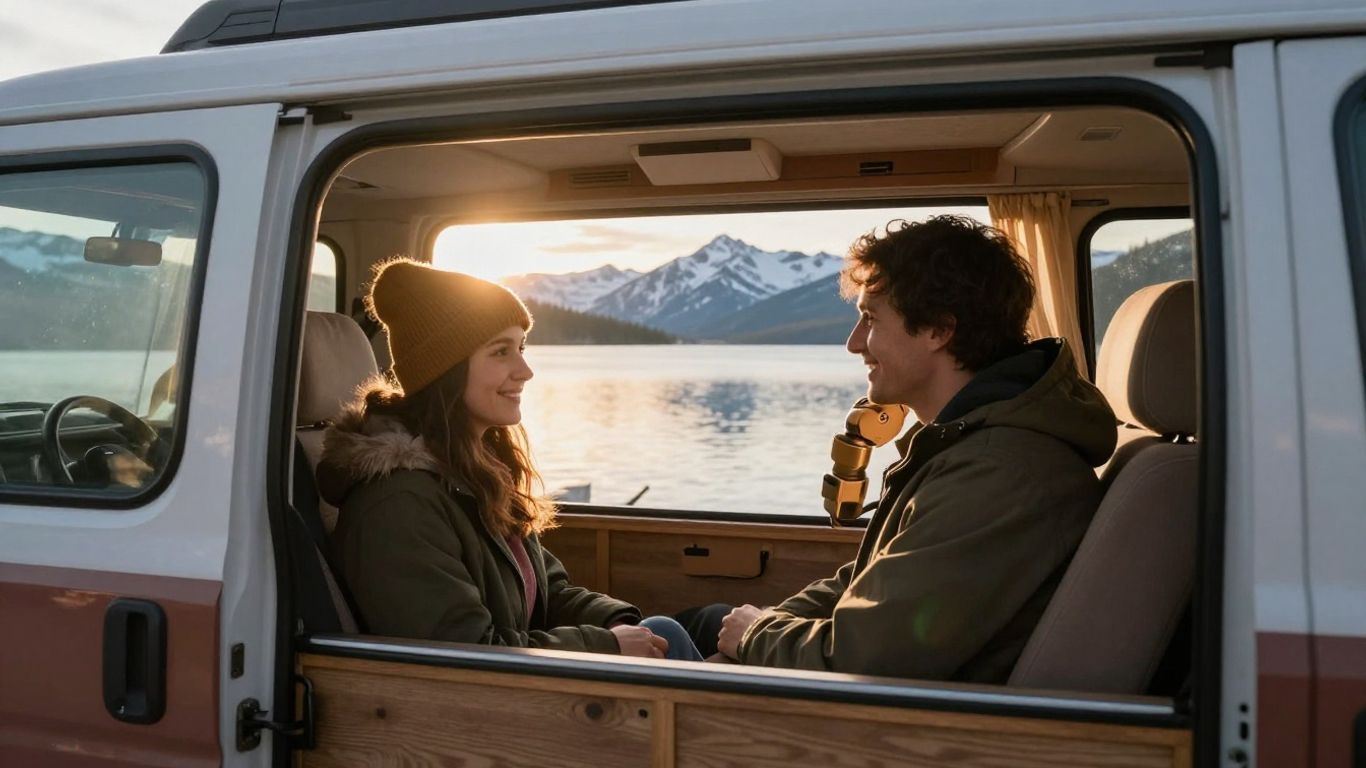
Thinking about a campervan trip through Canada with your significant other? It’s a fantastic idea for couples looking for adventure and a unique way to see the country. Forget crowded hotels and rigid schedules; a campervan offers freedom and a chance to really connect with each other and the stunning Canadian landscapes. This kind of trip is all about shared experiences, from planning the route together to cooking meals side-by-side and waking up to incredible views. It’s a different pace of travel, one that can really bring you closer.
Key Takeaways
- Choosing the right campervan for two is key – think about space for sleeping, cooking, and just hanging out. Don’t forget to check rental details like mileage limits and insurance.
- Planning a route is smart, but leave room for surprises. Canada is huge, so focus on a region or a theme, like national parks, and be open to spontaneous detours.
- Embrace the cozy life! Living in a smaller space together means learning to share and adapt, which can actually strengthen your bond.
- Campgrounds offer amazing access to nature, but research booking apps or be ready for first-come, first-served sites. Sometimes, a Walmart parking lot is a perfectly fine and safe option.
- Campervan Canada for couples is more than just a vacation; it’s a chance to create lasting memories, deepen your connection, and enjoy the simple pleasures of traveling together.
Planning Your Campervan Canada Adventure
Getting ready for a campervan trip across Canada is kind of like prepping for a big expedition, but way more fun. It’s all about setting yourselves up for smooth sailing (or driving, in this case) so you can actually enjoy the journey together. Think of it as building the foundation for all those amazing memories you’re about to make.
Choosing the Right Campervan for Two
Picking the perfect home on wheels for just the two of you is a big deal. You don’t want something so tiny you’re tripping over each other, but you also don’t need a giant RV meant for a family of six. Most rental companies offer a range of sizes, and often, a "mid-size" or "compact" campervan is just right. Look for one that has a comfortable sleeping area, a small kitchen setup, and ideally, a bathroom. Having your own toilet and shower can be a real game-changer, especially when you’re out in more remote spots.
- Sleeping Space: Make sure the bed is big enough for both of you to sleep comfortably. Some vans have convertible dinettes, while others have fixed beds.
- Kitchenette: A sink, a small fridge, and a stovetop are usually standard. Think about how much cooking you actually plan to do.
- Bathroom: A wet bath (where the shower and toilet share the same space) is common in smaller vans. If this isn’t your thing, you might need a larger vehicle or plan to use campground facilities.
- Storage: You’ll be surprised how much stuff two people can accumulate. Check for decent storage solutions.
Deciding on Your Ideal Canadian Route
Canada is massive, seriously huge. You can’t see it all in one go, so you’ll need to pick a region or a general path. Are you dreaming of the Rocky Mountains with their turquoise lakes and towering peaks? Or maybe the rugged coastlines of British Columbia? Perhaps the vast prairies or the charming Maritimes? It’s good to have a rough idea, but also be open to changes.
Don’t try to cram too much into your itinerary; long driving days can be tiring.
Here are a few popular ideas:
- The Rockies: Banff, Jasper, Yoho National Parks. Think stunning mountain scenery and wildlife.
- Pacific Coast: Vancouver, Vancouver Island, Whistler. Coastal drives, rainforests, and ocean views.
- The Prairies: Saskatchewan, Manitoba. Wide-open spaces and unique landscapes.
- East Coast: Nova Scotia, Prince Edward Island. Charming towns, lighthouses, and seafood.
Essential Campervan Rental Considerations
When you’re looking to rent, there are a few things to keep in mind to avoid any surprises. First off, check the age requirements for drivers; usually, it’s 21 or 25, and there might be extra fees for younger drivers. You’ll also need a valid driver’s license, and if it’s not in English or French, you might need an International Driving Permit. Always ask about insurance – what’s included, and what extra coverage you might want. Also, get the lowdown on mileage limits, what’s included in the rental (like kitchen kits or bedding), and the process for picking up and dropping off the vehicle.
Booking your campervan well in advance, especially if you’re traveling during the peak summer months (June to August), is highly recommended. Popular rental companies and specific vehicle types can get snapped up quickly, leaving fewer options and potentially higher prices if you leave it too late. Aim to book at least three to six months ahead for the best selection and rates.
- Driver’s Age & License: Confirm minimum age and license requirements.
- Insurance: Understand what’s covered and consider additional protection.
- Included Amenities: Check for kitchenware, bedding, and any other extras.
- Pick-up/Drop-off: Clarify the process and locations.
Embracing the Campervan Lifestyle Together
Switching to a campervan for your trip isn’t just about changing your accommodation; it’s about adopting a whole new way of living, at least for a little while. It means getting used to a smaller space, which can actually be a good thing for couples. You learn to work together, communicate better, and appreciate the efficiency of your little home on wheels. The freedom of having your living space follow you wherever you go is pretty amazing.
The Freedom of a Home on Wheels
Imagine waking up to a new view every morning, right outside your window. That’s the magic of a campervan. You’re not tied to hotels or fixed locations. Want to spend an extra day by that lake you discovered? No problem. Feel like chasing the sunset to a different town? You can. This flexibility is a huge part of the appeal. It allows for spontaneous decisions and a more organic travel experience. You can pull over at any scenic spot for a coffee break or a picnic lunch, turning a long drive into part of the adventure. It’s like having a cozy basecamp that travels with you, ready for whatever comes next. This kind of freedom really lets you set your own pace and truly explore Canada’s national parks.
Adapting to Compact Living
Living in a campervan together is an exercise in close quarters. It requires a bit of adjustment, but it can be surprisingly rewarding. You’ll quickly learn who’s the morning person and who needs their coffee first. Organization becomes key; everything needs its place to avoid clutter. Think of it as a fun challenge to see how efficiently you can share a small space. It forces you to be mindful of each other’s needs and routines. Plus, it cuts down on the stuff you bring, which is always a win.
Here are a few tips for making compact living work:
- Designate zones: Even in a small space, try to create distinct areas for sleeping, cooking, and relaxing. This helps mentally separate activities.
- Communicate openly: If something is bothering you, like a misplaced item or a shared chore, talk about it calmly. Small annoyances can grow in tight spaces.
- Embrace multi-functionality: Many campervan items serve double duty. A table might be a dining surface and a workspace. Get creative!
Finding Your Rhythm on the Road
Every couple finds their own groove when traveling by campervan. It’s about discovering what works for both of you, balancing shared activities with personal time. Maybe one of you enjoys navigating and planning the day’s route, while the other prefers to handle the cooking or setting up camp. It’s a dance of cooperation and compromise. You’ll learn each other’s travel styles and preferences, which can be a really bonding experience. Some days might be packed with activities, while others are for simply relaxing and enjoying the journey. The key is to be flexible and go with the flow, creating a travel rhythm that feels natural and enjoyable for both of you.
Navigating Canada’s Scenic Landscapes
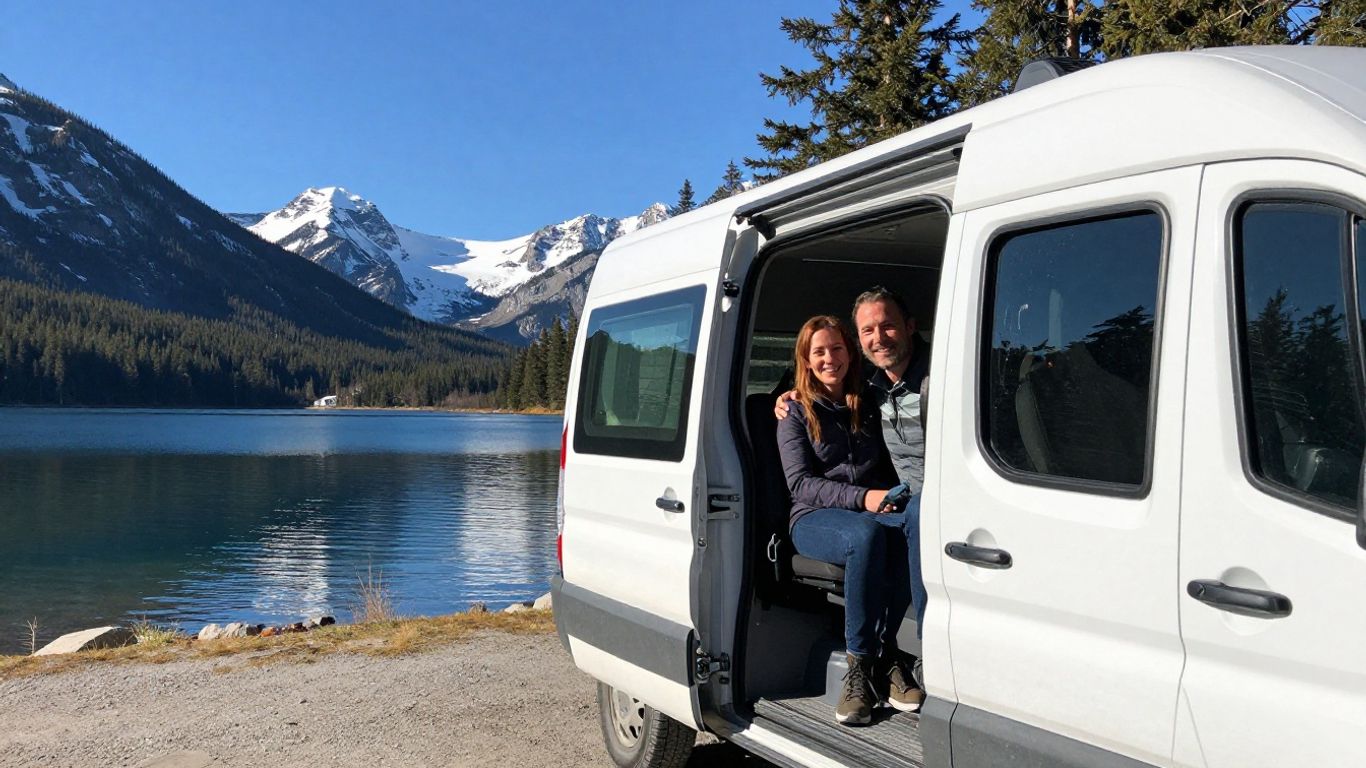
Canada is just massive, and the views you get while driving are pretty incredible. You’ll want to plan your routes to take in as much of the scenery as possible, but also be realistic about driving times. Some of those drives are long, but honestly, they’re part of the experience.
Exploring National and Provincial Parks
Canada’s parks are the crown jewels, and you’ll definitely want to spend time in them. Think towering mountains, crystal-clear lakes, and forests that go on forever. Booking your park passes and campsites well in advance is a really good idea, especially if you’re traveling during peak season. Many parks have specific rules about where you can park your campervan overnight, so always stick to designated spots. It’s all about respecting the natural beauty and making sure everyone can enjoy it.
- Banff and Jasper National Parks: Famous for the Icefields Parkway, a drive that’s just unreal. Expect glaciers, waterfalls, and wildlife. Book campsites months ahead.
- Pacific Rim National Park Reserve: On Vancouver Island, offering coastal views and rainforest hikes. You’ll need to factor in ferry travel.
- Provincial Parks: Don’t overlook these! Places like Algonquin in Ontario or Kananaskis in Alberta offer stunning landscapes with often fewer crowds than the national parks.
Discovering Hidden Gems Off the Beaten Path
While the famous spots are amazing, sometimes the best moments happen when you take a turn down a road that looks interesting. Canada is full of little towns, quiet lakeshores, and scenic viewpoints that aren’t in every guidebook. Keep an eye out for local signs and don’t be afraid to pull over when something catches your eye. These spontaneous stops often lead to the most memorable experiences.
Always have offline maps downloaded or a portable Wi-Fi device. Cell service can be spotty, especially once you get away from the main highways and towns. You don’t want to get lost when you’re trying to find that perfect, secluded spot.
Embracing the Long Drives in Comfort
Driving in Canada can be tiring, not because the roads are bad (they’re generally pretty good!), but because you’ll constantly be stopping to gawk at the scenery. Make sure your campervan is set up for comfort. Having a good spot to stretch your legs, maybe a comfy passenger seat, and plenty of snacks and drinks will make a huge difference. Plan your days so you’re not rushing. The goal is to enjoy the journey, not just reach the destination. Consider using a service like Campstar to find the right vehicle for your trip, ensuring it has the amenities you need for those longer stretches on the road. Remember that driving distances are significant; our whole trip was over 4,000 km, so pacing yourself is key.
Creating Unforgettable Couple Moments
Cherishing Spontaneous Adventures
Campervan trips are practically built for spontaneity. One minute you’re following a map, the next you spot a sign for a quirky roadside attraction or a breathtaking viewpoint. Don’t be afraid to ditch the plan for a bit. These unplanned detours often lead to the most memorable experiences. Maybe it’s stumbling upon a local festival, finding a secluded lake for a swim, or simply pulling over to watch an incredible sunset. These moments, shared between just the two of you, build a unique bond.
Romantic Evenings Under the Stars
There’s something incredibly romantic about cooking dinner together in your cozy campervan, then stepping outside to a sky full of stars. Canada’s vast landscapes often mean minimal light pollution, offering a spectacular celestial show. Pack a blanket, a bottle of wine, and just enjoy the quiet. It’s a chance to talk, reconnect, and appreciate the simple beauty of being together in nature. Consider bringing a portable speaker for some soft music to set the mood.
Celebrating Milestones on the Road
Anniversaries, birthdays, or even just celebrating the trip itself – a campervan offers a unique backdrop for marking special occasions. You don’t need fancy restaurants. A special meal cooked onboard, a decorated campsite, or a thoughtful gift exchanged under the open sky can be just as meaningful, if not more so. Think about planning a small surprise for your partner, like their favorite dessert or a handwritten note tucked into their bag. The shared effort and the unique setting make these celebrations truly stand out.
Practicalities of Campervan Travel for Couples
Getting your campervan trip sorted for two involves a bit of forethought, especially when it comes to packing and feeding yourselves. It’s not like a hotel where you can just grab whatever you need. You’re essentially bringing your home with you, so space is a big deal.
Packing Smart for Two
When you’re living in a confined space, every item counts. Forget those bulky suitcases; soft duffel bags are your best friend here. They’re way easier to shove into nooks and crannies once the bed is made. Think about clothes that don’t wrinkle much, too. You’ll want to pack less than you think you will, and if you get desperate, there are laundromats scattered around. A good rule of thumb is to pack for about a week and plan to do laundry once.
- Toiletries: Keep a dedicated bag for your bathroom essentials. This makes quick trips to the campground facilities much smoother, especially in the morning or late at night.
- Electronics: Designate a spot for all your chargers. Fumbling around in the dark for a phone charger is no fun.
- Comfort items: A few battery-powered fairy lights can make the evenings feel cozier when you’re inside.
The key to packing for a campervan trip with your partner is to be ruthless. Lay out everything you think you need, then halve it. You’ll be surprised at how much you can actually live without.
Managing Meals and Cooking Onboard
Food is a big part of any trip, and in a campervan, it’s a whole different ballgame. Your first stop after picking up the van should be a grocery store for a "big shop." This saves you multiple trips later. Plan your meals ahead of time. Trying to cook elaborate dishes with a million ingredients is a recipe for disaster (and a messy kitchen).
- One-pot wonders: Focus on meals that can be cooked in a single pot or pan. They’re easier to make and clean up.
- Cooler is king: A good cooler box is invaluable for keeping drinks and extra food cold, especially if your van’s fridge is small.
- Snack station: For longer drives, having a readily accessible snack station upfront can be a lifesaver. Think easy-to-grab items like fruit, nuts, and granola bars.
Staying Connected and Entertained
While the point of a campervan trip is often to disconnect, you’ll still want some entertainment and a way to stay in touch. Make sure you have downloaded offline maps and any music or podcasts you want before you head out, as cell service can be spotty. A portable power bank is also a good idea for keeping devices charged on the go. For those moments when you’re parked up for the night or during a rainy day, a couple of good books or a deck of cards can be perfect for some low-tech fun. If you’re looking for a comfortable and maneuverable option for your travels, consider looking into Class B motorhomes for their efficiency and ease of driving.
Finding Your Perfect Campsites
Figuring out where you’ll park your campervan each night is a big part of planning your Canadian adventure. It’s not just about finding a spot to sleep; it’s about respecting the environment and local rules. Thinking ahead about your overnight stops makes the whole trip smoother, letting you focus on the fun stuff.
Utilizing Booking Apps and Websites
These days, there are tons of handy apps and websites that can help you find campsites. For popular spots, especially within National and Provincial Parks, booking ahead is almost a must, particularly during peak season. Many sites open up reservations months in advance, so it’s wise to check their booking windows early. Some apps even let you set up alerts for when a popular campground has a cancellation, which can be a lifesaver if your first choice is full.
- Parks Canada Reservation Service: The official site for booking campsites in National Parks. Keep an eye on when reservations open each year (often in January).
- Provincial Park Websites: Each province has its own system for booking campsites within its parks. These can sometimes be less crowded than national parks.
- Third-Party Apps: Services like Hipcamp can show you a variety of options, from private land to unique spots, often with reviews from other travelers.
The Joys of First-Come, First-Served Sites
While booking ahead is smart, there’s a special kind of thrill in snagging a first-come, first-served (FCFS) campsite. These spots often offer a more rustic experience and can be found in less developed areas or as overflow options. Arriving earlier in the day, especially on weekdays, increases your chances. It feels like a small victory when you pull into a beautiful, available spot without a reservation.
Sometimes, the best adventures happen when you’re a little flexible. Not having every single night booked can open up opportunities for spontaneous detours or staying longer in a place you really love. It’s a balance, for sure.
Understanding Overnight Parking Options
Beyond traditional campgrounds, Canada offers other places to park your campervan for the night. Some areas allow dispersed camping on public lands, which means you can often find a quiet spot away from it all, provided you follow Leave No Trace principles. For a quick overnight stop, some businesses, like certain Walmart locations, may permit overnight parking. Always check local signage and regulations before settling in for the night to avoid any issues. Remember to be bear aware in wildlife country – secure all food and scented items properly.
The Unique Benefits of Campervan Canada for Couples
Deepening Your Connection Through Shared Experiences
Traveling in a campervan across Canada with your partner isn’t just a vacation; it’s a shared adventure that can really bring you closer. You’re not just seeing the sights; you’re experiencing them together, from the big moments to the little everyday things. Think about waking up to a sunrise over a mountain range, then making coffee together in your cozy mobile home. Or maybe it’s navigating a winding road, figuring out directions side-by-side, and then celebrating with a picnic at a stunning viewpoint. These shared experiences, big and small, build a unique bond.
The Ease of Spontaneous Detours
One of the best parts of a campervan trip is the freedom to change your mind. See a sign for a hidden waterfall? You can pull over. Hear about a local festival happening just a few towns away? You can go. This flexibility means you can chase those unexpected moments that often turn into the best memories. It’s about embracing the journey as much as the destination.
Creating Lasting Memories Together
Campervan trips in Canada offer a different pace of travel. You’re not rushing from one hotel to another. Instead, you have your own space, your own kitchen, and your own bed wherever you go. This allows for more relaxed exploration and deeper immersion in the incredible Canadian landscapes. Whether it’s cooking a meal together after a day of hiking, stargazing from your campsite, or simply enjoying the quiet moments on the road, these experiences create a rich tapestry of memories that you’ll both cherish for years to come.
Here are a few ways campervanning helps create those memories:
- Shared Responsibilities: From planning routes to setting up camp, you’ll be working as a team, which can be surprisingly rewarding.
- Unplugged Time: Limited cell service in many areas encourages you to disconnect from the digital world and truly connect with each other.
- Discovering Together: Exploring national parks, small towns, and scenic drives side-by-side creates a shared sense of discovery.
The beauty of a campervan trip lies in its simplicity and intimacy. It strips away the usual distractions and puts the focus squarely on your relationship and the incredible world around you. It’s a chance to see Canada, and each other, in a whole new light.
Mastering the Art of Couple Campervanning
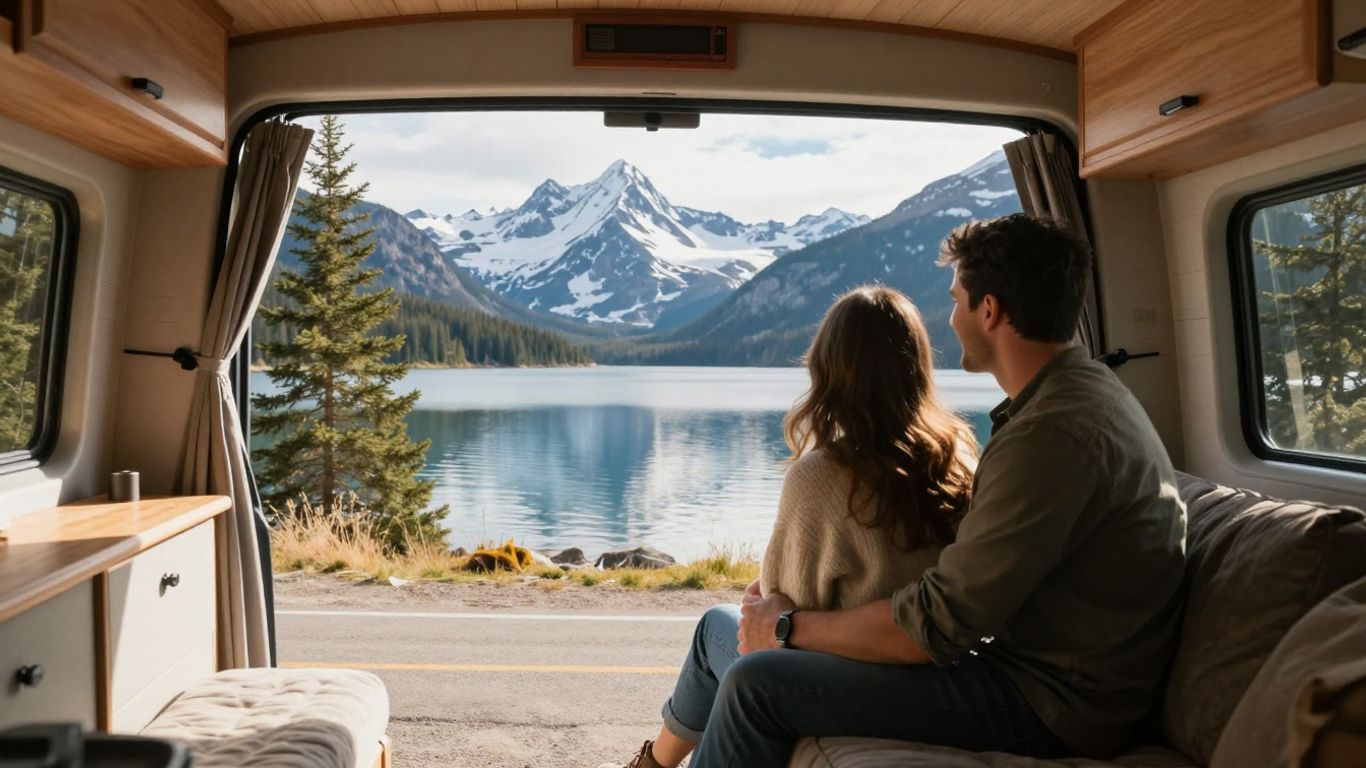
Traveling in a campervan as a couple is a unique experience, and like any good partnership, it thrives on balance and understanding. It’s not just about the destination; it’s about how you get there together. Finding a rhythm that works for both of you is key to a smooth and enjoyable adventure.
The Importance of Patience and Flow
Let’s be real, being in close quarters for extended periods can test anyone’s patience. Long drives, unexpected detours, or even just figuring out who gets the last cookie can lead to friction. This is where patience and a willingness to go with the flow come into play. Instead of getting worked up over minor inconveniences, try to see them as part of the adventure. If a campsite is full, or the weather turns, don’t let it ruin your day. Adapt, find a new plan, and remember why you’re doing this in the first place – to explore Canada together.
Embracing flexibility means you’re less likely to stress about things you can’t control. It’s about enjoying the journey, bumps and all, and coming out the other side with a good story.
Balancing Plans with Spontaneity
While it’s good to have a general idea of where you’re headed, don’t overschedule every minute. Some of the best travel memories are made when you stumble upon something unexpected. Maybe you see a sign for a quirky roadside attraction or a breathtaking viewpoint that wasn’t on your map. Being open to spontaneous detours can lead to incredible discoveries. However, you also need a basic plan, especially when it comes to booking campsites in popular areas. A good approach is to have your major stops planned but leave room for those unplanned moments in between. You can use apps like Roadtrippers to scout potential spots along your route.
Learning Each Other’s Travel Styles
Campervan travel is a crash course in understanding your partner’s habits and preferences. You’ll quickly learn who’s the meticulous planner and who’s the go-with-the-flow type. It’s about recognizing these differences and finding ways to complement each other. For instance, one person might be better at navigating and driving longer stretches, while the other enjoys handling meal prep and keeping the living space tidy. Dividing tasks based on strengths can make the trip much more efficient and enjoyable for both of you. Don’t be afraid to communicate what you enjoy and what you find challenging. This shared experience, including understanding each other’s travel styles, can significantly deepen your connection.
Here’s a quick look at how you might divide responsibilities:
- Driving: Who prefers longer stretches? Who needs more frequent breaks?
- Navigation: Is one person better with maps (digital or paper)?
- Cooking: Who enjoys planning meals and who likes to do the actual cooking?
- Camp Setup/Teardown: Who is more organized with packing and unpacking?
- Entertainment: Who curates the road trip playlist?
Making the Most of Your Campervan Canada Trip
Embracing the Outdoors Together
Canada is practically built for outdoor adventures, and a campervan is your perfect ticket to experiencing it all. Think waking up to mountain views, having breakfast by a lake, and spending your days hiking, biking, or just soaking in the scenery. The freedom to pull over whenever a breathtaking vista calls is unparalleled. You’re not tied to hotel check-ins or rigid schedules. This flexibility means you can chase the best light for photos, find that perfect quiet spot for a picnic, or simply stop to watch wildlife. It’s about immersing yourselves in the natural beauty that Canada offers in abundance.
Disconnecting to Reconnect
In our hyper-connected world, a campervan trip offers a rare chance to truly unplug. While it’s wise to have a plan for staying in touch for safety and logistics, resist the urge to be constantly online. Cell service can be spotty in many of Canada’s most stunning areas anyway, which is actually a good thing. Use this time to focus on each other and your surroundings. Share stories, play card games, or just enjoy the quiet companionship. This shared experience of disconnecting from the digital noise can really help you reconnect as a couple.
The Thrill of a New Way to Travel
There’s an undeniable excitement that comes with a campervan trip. It’s a different pace, a different perspective. You’re not just visiting places; you’re living in them, even if just for a few days. This mode of travel encourages spontaneity and adaptability. Maybe you planned to be in one park but a road closure or a local festival redirects you – that’s part of the adventure! Embrace these unexpected turns. They often lead to the most memorable experiences and inside jokes. Consider looking into one-way motorhome rentals if you want to explore a vast area without backtracking, though be mindful of potential extra fees.
The beauty of campervan travel lies in its simplicity and direct connection to the environment. It strips away the non-essentials, leaving you with the core experience of exploration and companionship. It’s about the journey, the shared moments, and the freedom to discover at your own pace.
Ready for Your Own Adventure?
So, there you have it. Campervan trips in Canada can be an amazing way for couples to connect and explore. It’s about finding that sweet spot between planning and just going with the flow. Remember to pack light, be patient with each other, and most importantly, have fun making memories. Whether it’s a short getaway or a long journey, the open road in a campervan offers a unique kind of freedom and a chance to see Canada like never before. Give it a try – you might just find it’s the perfect adventure for you and your partner.
Frequently Asked Questions
Why choose a campervan for a trip in Canada?
Campervans are awesome for Canada because the country is huge and full of amazing nature. You get to travel in your own comfy space, like a little house on wheels. This means you can stop whenever you see a cool view, make your own snacks, and sleep in peaceful spots. It’s way more flexible than staying in hotels.
What’s the best way to pick a campervan for two people?
Think about how much room you need. For two, a smaller van is usually easier to drive and park. Make sure it has a comfy bed, a small kitchen area to cook simple meals, and maybe a tiny bathroom. Check if it comes with things like bedding and cooking stuff so you don’t have to bring it all.
How do we plan a route for a campervan trip in Canada?
Canada is super big, so don’t try to see everything! Pick a region you’re interested in, like the Rocky Mountains or the coast. Look at national and provincial parks – they have stunning scenery and places to park overnight. Websites and apps can help you map out a route that fits your time and interests.
What are the biggest challenges of living in a campervan together?
Space can be tight! You’ll be sharing a small area, so it’s important to be tidy and give each other personal space when you can. Also, driving long distances can be tiring. Learning to work together, like sharing driving duties or cooking tasks, makes it much smoother.
How do we find places to park our campervan overnight?
There are many options! National and provincial parks often have campgrounds you can book ahead or sometimes get by showing up early. Apps like Hipcamp or Roadtrippers can show you other spots. Sometimes, if you’re really stuck, places like Walmart parking lots allow overnight stays, but always check the rules first.
What’s the best advice for couples traveling in a campervan?
Patience is key! Things might not always go as planned, and you’ll be spending a lot of time together. Try to go with the flow, communicate openly, and remember to have fun. Enjoy the little moments, like cooking together or watching a sunset from your van. It’s all about making memories.
What should we pack for a campervan trip?
Pack smart and light! Bring layers of clothing because Canadian weather can change. Don’t forget comfortable shoes for hiking, rain gear, and bug spray. Inside the van, think about things like a good playlist, books, games, and any personal items that make your space feel cozy.
Is it hard to cook and manage meals in a campervan?
It’s simpler than you might think! Most campervans have a small stove and fridge. Plan easy meals like pasta, sandwiches, or campfire cooking. Grocery shopping at local stores along your route is part of the adventure. Having a good system for washing dishes helps too.