

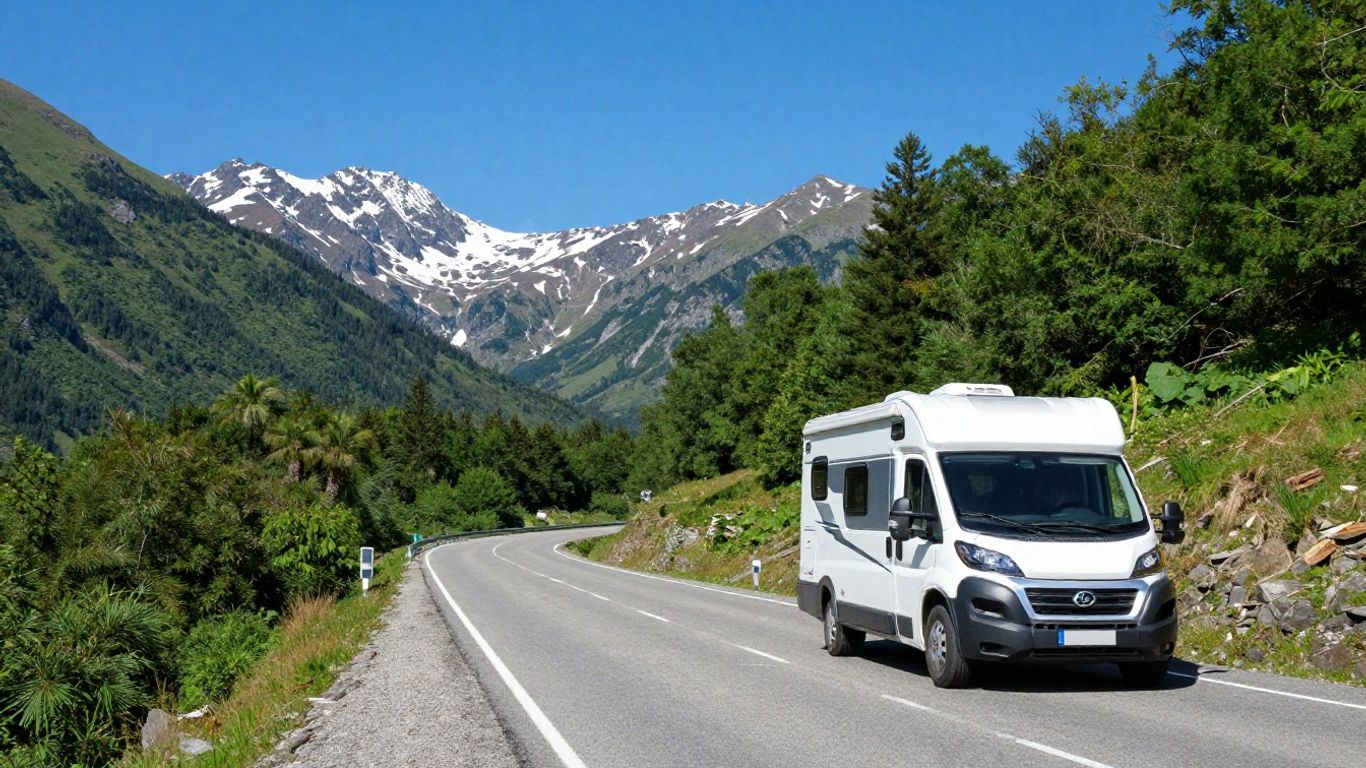
Thinking about hitting the road in a motorhome for an Alaska adventure? It’s a fantastic way to see the Last Frontier, but there’s a bit to think about before you book. This guide covers what you need to know for a smooth motorhome rental Canada Alaska route trip, from picking the right RV to knowing the roads and making the most of your budget. Let’s get you ready for an unforgettable journey up north.
Key Takeaways
- When choosing a motorhome for the Alaska Highway, consider different types, vehicle size, and if an overland vehicle is better for rougher spots. Remember, not all rentals allow driving on gravel roads.
- Alaska’s main roads are generally fine for RVs, but be cautious on secondary or gravel roads, especially with weather changes. Always check conditions before you go.
- Carefully review your rental agreement. Pay attention to mileage limits versus unlimited plans, what amenities are included, and the details of your insurance coverage.
- To save money, book during the shoulder seasons (May, early June, late August, early September) and look for unlimited mileage plans. Be aware of potential extra fees.
- Research rental companies thoroughly. Compare local and national options, read recent reviews, and confirm their policies regarding driving on unpaved roads.
Choosing Your Motorhome Rental Canada Alaska Route
Picking the right motorhome for your trip up the Alaska Highway is kind of a big deal. It’s not just about getting from point A to point B; it’s about how you’ll experience the journey itself. You’ve got a few main types to think about, and each has its own pros and cons.
Understanding Different Motorhome Types
When you’re looking at rentals, you’ll mostly see a few categories. There are the Class A motorhomes, which are the big, bus-like ones. They offer a lot of space and amenities, making them feel like a home on wheels. Then you have Class C, which are built on a truck chassis and usually have that distinctive over-cab sleeping area. They’re a bit more manageable than Class A. Finally, there are Class B motorhomes, often called campervans. These are the smallest and easiest to drive, fitting into regular parking spots, but they offer less living space.
- Class A: Most spacious, like a bus. Great for longer trips and more people.
- Class C: Good balance of space and drivability, often with sleeping for up to six.
- Class B: Smallest, most like a van. Easiest to park and maneuver, but limited space.
Assessing Vehicle Size for Your Needs
Think about who’s going with you and how much stuff you’re bringing. A family of four will need a different setup than a couple. A larger motorhome means more living space and storage, but it can be harder to drive and park, especially on smaller roads or in busy towns. Also, consider where you plan to go. If you’re sticking to the main paved highways, most standard motorhomes will be fine. But if you’re thinking about venturing onto any gravel roads, you’ll need to be more selective.
Considering Overland Vehicles for Rugged Terrain
Now, if your Alaska adventure plans include getting off the beaten path, you might want to look beyond the typical motorhome. Overland vehicles, sometimes equipped with rooftop tents, are built for tougher conditions. Some rental companies specifically allow their vehicles on gravel roads, which is a huge plus for exploring more remote areas. This type of vehicle offers a different kind of experience, often more connected to the outdoors, but with less creature comfort than a full-sized motorhome.
The Alaska Highway and its surrounding routes can present varied road conditions. It’s wise to understand the limitations of your rental vehicle and choose one that matches your intended travel style and destinations. Don’t assume all rental companies permit driving on unpaved surfaces.
Navigating Alaska’s Road System
So, you’re thinking about hitting the road in Alaska with a motorhome. That’s awesome! But before you get too far into planning, let’s talk about the roads themselves. Alaska’s highway system is a bit different from what you might be used to, and knowing what to expect can save you a lot of headaches.
Main Road System Suitability for RVs
Most of the major highways in Alaska are perfectly fine for RVs and motorhomes. Think of routes like the Glenn Highway (connecting Anchorage to Glennallen), the Parks Highway (linking Wasilla to Fairbanks), and the Richardson Highway (running from Fairbanks down to Valdez). These are generally paved and well-maintained, though you’ll still encounter some bumps and uneven patches here and there. You shouldn’t shy away from exploring Alaska just because you’re worried about the main roads. They’re designed for travel, and with a bit of caution, your motorhome should handle them just fine. Just keep an eye out for construction zones or areas where the pavement might be a bit rough.
Cautions for Secondary and Gravel Roads
Now, this is where things get a little more interesting. Alaska has a lot of secondary roads and gravel routes that lead to some truly spectacular, off-the-beaten-path places. Roads like the Denali Highway, Taylor Highway, or the Edgerton Highway (leading towards McCarthy) can be stunningly scenic. However, they often come with challenges. These roads can be unpaved, narrow, muddy, or soft, especially during certain times of the year. Many rental companies actually have policies against taking their motorhomes on these types of roads, so it’s super important to check your rental agreement. Even if your rental company allows it, you need to be prepared for a rougher ride that can put extra wear and tear on your vehicle. It’s always a good idea to ask locals or check road conditions before heading down any gravel path.
Impact of Weather on Road Conditions
Alaska’s weather is a force to be reckoned with, and it can change road conditions in a heartbeat. Even in the summer, you might encounter rain that makes roads slick or causes temporary flooding. As you get into late September and October, snow can start to fall, especially at higher elevations and mountain passes. This can make roads treacherous, even the main ones. Some secondary roads can become impassable due to snow or mud. It’s wise to keep a close eye on weather forecasts and be flexible with your plans. If a storm is rolling in, it might be best to stay put or find a different route.
Always remember that road conditions can vary greatly depending on the season and recent weather. What might be a smooth drive in July could be a muddy or snowy challenge in September. Being prepared and informed is key to a safe and enjoyable trip.
Key Considerations for Your Rental Agreement
Alright, so you’ve picked out your motorhome, which is awesome! But before you hand over the keys and your credit card info, let’s talk about the rental agreement. This is where the nitty-gritty details live, and understanding them can save you a lot of headaches (and money) down the road. It’s not the most exciting part, I know, but it’s super important.
Unlimited Mileage vs. Per-Mile Charges
This is a big one, especially for a trip like the Alaska Highway. You’ll see two main ways companies charge for miles: unlimited mileage or a set number of miles per day with charges for anything over. For a long haul like this, unlimited mileage is almost always the way to go. Trying to calculate how many miles you’ll actually drive can be tricky, and going over your limit can get expensive fast. Imagine planning your route and then realizing you have to cut stops short because you’re worried about mileage fees. No thanks!
Here’s a quick breakdown:
- Unlimited Mileage: Pay a flat rate, drive as much as you want. Great for flexibility and peace of mind on long trips.
- Per-Mile Charges: A daily allowance (e.g., 150 miles/day) with extra fees for each mile beyond that. Can be cheaper if you plan short, infrequent trips, but risky for Alaska.
Included Amenities and Housekeeping Packages
When you rent an RV, it’s not just the vehicle itself. You’ll want to know what’s included inside. Some companies offer "housekeeping packages" or "convenience kits." These can cover things like:
- Linens and towels
- Kitchen utensils and cookware
- Basic cleaning supplies
- Sometimes even things like camp chairs or a small grill
Don’t assume these are standard. Some companies charge extra for every single item, which can really add up, especially if you’re traveling with a family. Always ask for a detailed list of what’s included and what costs extra. You don’t want to arrive and realize you have to buy pots and pans!
Understanding Insurance Coverage Details
This is another area where you really need to pay attention. Your personal car insurance likely won’t cover an RV, and RVs are big, expensive machines. You’ll typically have a few options:
- Collision Damage Waiver (CDW) or Loss Damage Waiver (LDW): This is not insurance, but a waiver that limits your financial responsibility if the RV is damaged or stolen. It usually has a deductible.
- Supplemental Liability Insurance (SLI): This provides extra liability coverage beyond what the rental company offers.
- Personal Effects Coverage: Protects your belongings inside the RV if they are stolen or damaged.
Always ask for a clear explanation of what each coverage option protects you from and what the deductible is. It’s also a good idea to check if your credit card offers any rental insurance benefits, though these often have limitations for RVs.
Make sure you understand the deductible amounts for any damage waivers. A low daily fee for a waiver might sound good, but if you have a significant incident, a high deductible could still mean a big out-of-pocket expense. It’s worth looking into one-way RV rentals to see how different companies structure their agreements, as policies can vary widely.
Maximizing Your Rental Budget
Planning an RV trip up the Alaska Highway is exciting, but keeping an eye on your spending is smart. You want to enjoy the adventure without breaking the bank. Let’s talk about how to get the most bang for your buck when renting your motorhome.
Seasonal Pricing and Booking Strategies
When you book your RV can make a big difference in cost. Prices usually go up in the summer, especially July and August. If you can travel in May, June, or late August into early September, you might find better deals. Think about booking way ahead of time, too. Many people start looking in February or March for summer trips, so getting your reservation in early can sometimes lock in a better rate. Some companies might even offer discounts for one-way rentals if they need to move a vehicle to a different location.
Evaluating Daily Rates vs. Mileage Plans
Rental companies often have two main ways they charge: a flat daily rate or a combination of a daily rate plus a per-mile charge. If you plan on sticking to one main route and not driving too much, a per-mile plan might seem cheaper. However, for most Alaska Highway trips, which involve a lot of driving, unlimited mileage plans are usually the way to go. While the daily rate might seem higher upfront, it often ends up being more cost-effective than paying extra for every mile you cover. Always do the math based on your expected mileage.
Avoiding Hidden Fees and Additional Charges
This is where costs can really sneak up on you. Always ask what’s included and what’s not. Some companies charge extra for things you might assume are standard, like linens, towels, or basic kitchen supplies. Others might have fees for cleaning the RV when you return it, or charge you for damages you didn’t cause if you don’t document the RV’s condition thoroughly before you leave. Don’t forget to factor in the cost of fuel, propane for heating and cooking, and campground fees, which aren’t usually part of the rental price. It’s also wise to check the deposit requirements and understand the cancellation policy – some can be quite strict.
Here’s a quick look at common extra costs:
- Linens and towels
- Kitchenware (pots, pans, utensils)
- Propane refills
- Dump station fees
- Late return fees
- Cleaning fees
- Insurance (your car insurance likely won’t cover an RV)
Always get a detailed breakdown of all potential costs before signing anything. A seemingly good deal can quickly become expensive if you’re not aware of all the add-ons and fees.
Rental Company Selection and Reviews
Picking the right motorhome rental company is a big step for your Alaska Highway adventure. It’s not just about the vehicle; it’s about the support, the policies, and the overall experience you’ll have. You’ll want to do some digging to find a company that fits your needs and budget.
Comparing Local vs. National Rental Companies
When you’re looking for a rental, you’ll see both big national chains and smaller, local Alaskan businesses. National companies like Cruise America have a presence in many places, which might seem convenient. However, local companies often have a better understanding of Alaska’s specific road conditions and can sometimes offer more specialized vehicles, like 4×4 options for rougher terrain. They might also have more flexible policies tailored to the Alaskan experience.
Here’s a quick look at some common types:
- National Chains: Often have standardized processes and a larger fleet. Might be easier to find if you’re starting your trip from outside Alaska.
- Local Alaskan Companies: Can offer more personalized service and local knowledge. May have vehicles better suited for Alaska’s unique roads.
- Peer-to-Peer Rentals (e.g., RVShare, Outdoorsy): Renting directly from an owner can sometimes lead to better deals and unique vehicles, but backup support might be limited if something goes wrong.
Seeking Recent Customer Experiences
Reviews are your best friend here. Don’t just look at the star rating; read what people are actually saying. Pay attention to comments about the condition of the motorhomes, the helpfulness of the staff, and how issues were handled. Look for reviews from the last year or two, as companies can change their policies or fleet over time.
What to look for in reviews:
- Vehicle Condition: Were the motorhomes clean and well-maintained? Any mention of mechanical issues?
- Customer Service: Were staff friendly and knowledgeable? Was pick-up and drop-off smooth?
- Problem Resolution: How did the company handle any complaints or breakdowns?
- Hidden Fees: Did customers mention unexpected charges?
Evaluating Company Policies on Gravel Roads
This is super important for the Alaska Highway. Many rental companies have strict rules about where you can and cannot drive their vehicles. Some prohibit gravel roads entirely, which could limit your exploration. Others might allow them but with specific conditions or extra insurance requirements. Always clarify this policy before you book. Driving on a restricted road could void your insurance and leave you footing a hefty repair bill.
Always get the company’s policy on gravel roads in writing. What one person considers a ‘well-maintained gravel road’ might be considered a ‘restricted road’ by your rental company. Don’t assume anything; ask direct questions and get clear answers.
It’s worth noting that some companies might offer specific "overland" or "expedition" style vehicles that are designed for more rugged conditions, but these often come with a higher price tag and different rental terms.
Preparing Your Motorhome for the Journey
Getting your motorhome ready for the Alaska Highway is more than just packing clothes. It’s about making sure the vehicle itself is set up for the adventure ahead. Think of it like prepping your own home, but with a few extra considerations for the road.
Essential Inclusions for Cooking and Comfort
Most rental companies will provide a basic set of kitchenware, but it’s worth double-checking what’s included. You’ll want to know if you’ve got enough pots, pans, utensils, and dishes for your group. Some places offer "housekeeping packages" that cover these items, which can be a real time-saver. Don’t assume you’ll have everything; always confirm the specifics of your rental agreement.
Here’s a quick checklist of what to look for:
- Cookware (pots, pans)
- Eating utensils (forks, knives, spoons)
- Drinking glasses and mugs
- Plates and bowls
- Basic cooking tools (spatula, whisk, can opener)
Beyond the kitchen, think about comfort. Does your rental have adequate bedding and towels? If not, you’ll need to factor those into your packing list. Also, consider if you’ll need any special cleaning supplies for the RV itself.
Packing Additional Items for Convenience
While the rental company handles the big stuff, there are smaller items that can make a big difference. Think about things that make daily life easier on the road. A good set of reusable water bottles is a must, and maybe some basic first-aid supplies beyond what’s legally required. Don’t forget things like a small toolkit for minor fixes, or even some extra blankets for chilly evenings.
Consider these additions:
- Navigation Aids: While GPS is great, having a physical map of Alaska can be a lifesaver if you lose signal. You can often pick these up at visitor centers or online before you go.
- Comfort Items: Camp chairs for relaxing outside, a small portable fan for warmer days, and maybe some books or games for downtime.
- Practical Gear: Headlamps or flashlights, extra batteries, and a power strip for charging multiple devices.
Understanding Generator and Air Conditioner Use
Many motorhomes come equipped with a generator and an air conditioner. The generator provides power when you’re not hooked up at a campsite, which is super handy for boondocking or just having power on the go. The air conditioner is pretty self-explanatory – a welcome relief in warmer weather.
It’s important to understand how these systems work and their limitations. Generators use fuel, so you’ll need to keep an eye on your fuel levels. Air conditioners can draw a lot of power, so you might need to run the generator simultaneously if you’re not plugged into shore power. Always ask your rental company for a demonstration and any specific operating instructions. Knowing how to use these features properly can significantly improve your comfort and convenience throughout the trip.
Some companies include unlimited generator use, which is a nice perk. Others might have limits or charge extra. Make sure you know the deal before you head out. This is especially important if you plan on spending a lot of time away from established campgrounds. You can find more details on what’s typically included with rentals here.
Best Times for Your Alaskan Adventure
Deciding when to hit the road in your motorhome for an Alaskan adventure is a big part of the planning. You want good weather, fewer bugs, and open roads, right? The sweet spot for most RV travelers is generally from June through August. This is when the weather is typically at its most cooperative, with longer daylight hours and milder temperatures. However, this is also peak season, meaning more crowds and higher rental prices.
Optimal Months for RV Travel in Alaska
If you’re looking for a balance between decent weather and fewer people, consider the shoulder months. May can be lovely, but you might still encounter lingering snow at higher elevations, and some services might not be fully operational yet. June is a fantastic month, with the landscape bursting into life and the midnight sun making for incredibly long days of exploration. July is prime time, offering the warmest weather and the most services available, but also the biggest crowds. August is another strong contender, with the summer crowds starting to thin out a bit, the fall colors beginning to appear in some areas, and wildlife often being very active.
Risks of Early or Late Season Travel
Heading out too early, like in April or early May, means you’re likely to face cold temperatures, potential snow, and limited access to roads and campgrounds. Many businesses and services catering to tourists won’t be open yet. On the other hand, traveling in late September or October can be beautiful with the fall colors and crisp air, but snow can become a significant issue, especially on higher passes and more remote roads. Road conditions can change rapidly, and services start to shut down for the season. You’ll also have much shorter daylight hours to explore.
Planning Around Potential Snowfall
Alaska’s weather is famously unpredictable. Even in the summer months, you can encounter snow at higher elevations, particularly in mountain passes. The main highways like the Glenn, Parks, and Richardson are generally well-maintained, but secondary roads can be more susceptible to early or late season snow. It’s wise to keep an eye on weather forecasts and road conditions, especially if you’re traveling in May or September. Some rental companies may also have restrictions on where you can take their vehicles if roads are deemed too challenging due to weather.
Always have a flexible plan. While you might aim for a specific month, be prepared to adjust your itinerary based on weather reports and road closures. Having a motorhome gives you that flexibility, but it’s still wise to check conditions daily.
Popular Destinations Along the Route
The Alaska Highway and the roads branching off it hold some of the best RV-friendly stops you’ll find anywhere. Driving an RV through this part of the world gives you direct access to wild coastlines, big mountain valleys, and towns you’ll remember forever. Sometimes it’s tricky to choose, so here’s a closer look at where you might want to plan your stops.
Key Stops on the Main Road System
- Seward: Amazing waterfront camping options and wooded RV parks, with fast access to Kenai Fjords National Park.
- Denali Area: While spots inside Denali National Park fill early, plenty of camping is available just outside, ideal for travelers after stunning mountain views and wildlife watching.
- Valdez: Glacial fjord views, a couple of RV-friendly campgrounds in and just outside of town, plus easy hiking or fishing if that’s your thing.
- Homer: Camp beside the ocean right on the famous Spit, or try the bluff or a few miles out for more peace and quiet.
- Fairbanks: A handy stop for refueling (and shopping), with a mix of private and public RV parks.
High-Interest Scenic Lakes and Parks
- Kenai Lake
- Skilak Lake
- Eklutna Lake
- Nancy Lake
Exploring the Kenai Peninsula by RV
The Kenai Peninsula is a perfect slice of Alaska for anyone in an RV. It’s all linked to the main highways, with no real need to leave paved roads. Here are three highlights:
- Cooper Landing: Great campgrounds close to fishing rivers and lakes, plus mountain trails if you’re itching to stretch your legs.
- Kenai/Soldotna: Lots of campgrounds along both the Kenai River and Kenai Lake. You’re close to town if you need groceries, or you can just camp out by calm water.
- Girdwood: If you’re looping back to Anchorage, don’t skip the forests, mountains, and bakery stops here.
Sometimes the best thing about the Kenai is how many places let you step out of your RV to a lake or river right outside your door. Even on busy weekends, you’ll usually find somewhere to park and relax.
Campground Availability in Scenic Areas
It helps to know what to expect when parking for the night. In Alaska, the best-located RV campgrounds can fill quickly, especially near national parks and popular beach areas.
| Campground Area | Reservation Needed? | Utilities (Typical) |
|---|---|---|
| Seward Waterfront | Yes (book early) | Electric, water |
| Denali Entrance | Yes (high demand) | Limited electric/water |
| Homer Spit | Sometimes, 1st-come/serve | Full hookups available |
| Valdez Main | 1st-come/serve or call | Mixed, some full |
| Kenai Lake/Cooper | 1st-come/serve | Often dry camping |
- While reservations can help, first-come, first-served is still normal in smaller or wilder locations.
- Beach and lakefront sites are always the fastest to disappear.
- For a spontaneous road trip, target weekdays or less-trafficked towns.
Choosing where to stop along the route can shape your road trip, so take a little time to figure out which views, lakes, and towns match your vibe.
The Benefits of RV Travel in Alaska
Freedom and Flexibility in Your Itinerary
An RV lets you travel at your own pace, with no fixed schedule holding you back. Want to stay an extra night by a glacier-fed lake, or leave a crowded campground early? Go for it. With a motorhome, your plans can change on a whim – no need to rebook hotels or worry about restaurant reservations. If you spot a herd of caribou or an especially good sunset, you just pull over and enjoy. That kind of freedom is almost impossible with more traditional travel.
- Change your route anytime without hassle
- Sleep, eat, and rest whenever you feel like it
- Camp in places regular tourists might never see
Parking the RV in the middle of nowhere, with nothing but wildflowers and distant mountain peaks, just feels different than any hotel stay.
Cost-Effectiveness Compared to Other Travel
Traveling through Alaska isn’t cheap, but taking an RV can really help keep things in check. All your lodging, transportation, and most meals are rolled into one rental. You’ll skip high room rates, plane tickets between towns, and restaurant bills that add up in a hurry.
| 14-day Alaska trip | RV Rental (incl. fuel, camp, food) | Hotels + Car + Food |
|---|---|---|
| 2 people | ~$3,000–$4,500 | ~$5,000–$7,000 |
| 4 people | ~$4,000–$5,000 | ~$7,000–$10,000 |
- One nightly fee instead of separate hotel & rental hires
- Cook your own meals, rather than eat out every day
- Extra guests sleep for free (no extra room bookings)
Experiencing Alaska’s Natural Beauty Up Close
RV travel carries you right into the heart of Alaska. You can wake up to the sound of loons on a lake, step outside in the early morning and see moose tracks in the dew, or watch midnight sun set across a mountain valley—all from right outside your door. State and federal campgrounds are often set in areas with views you’d never get from a hotel window.
- Park at lakeshores or beside rivers
- Camp near national parks or on the edge of fjords
- Enjoy wildlife sightings from the comfort of your own "front yard"
There’s something about having coffee while looking out at snowy peaks that just makes the whole trip feel special.
Essential Services and Support
When you’re planning a big trip like driving the Alaska Highway in a motorhome, it’s easy to get caught up in the excitement of the open road and forget about the practical stuff. But having the right support in place can make all the difference between a smooth adventure and a stressful one. Think about what happens if something goes wrong, or even just what you need to keep things running day-to-day.
Availability of RV Parking and Campgrounds
Finding a place to park your motorhome overnight or for a longer stay is pretty important, right? Along the main routes, especially in and around larger towns, you’ll usually find plenty of options. These can range from full-service RV parks with hookups for water and electricity to simpler spots that just offer a place to park. However, as you get further off the beaten path or into more remote areas, spots can become fewer and farther between. It’s a good idea to have a few backup plans or to book ahead, especially if you’re traveling during peak season. Some places might have size restrictions, so always check if your motorhome will fit.
- Full-Service RV Parks: These are your best bet for hookups (power, water, sewer) and amenities like laundry, showers, and sometimes even Wi-Fi. They’re great for longer stays or when you need to restock and recharge.
- Public Campgrounds: Often managed by national or state parks, these can be more rustic but offer stunning locations. Hookups might be limited or non-existent, so be prepared to be self-sufficient.
- Dispersed Camping: In some areas, you can camp for free on public lands away from developed campgrounds. This is for the truly adventurous and requires you to pack out everything you pack in.
24/7 Emergency Assistance Options
This is a big one. What if you have a mechanical issue, a flat tire, or some other unexpected problem when you’re miles from anywhere? Most reputable rental companies will offer some form of 24/7 roadside assistance. It’s super important to understand exactly what this includes before you sign anything. Does it cover towing? Tire changes? Lockouts? What are the response times like in remote areas? Getting this information upfront can save you a lot of worry.
Don’t assume that roadside assistance covers everything. Some policies have limits on mileage for towing or may not cover issues arising from driving on unpaved roads, which can be common in Alaska. Always clarify the specifics of your coverage.
Utilizing Rental Company Facilities
Beyond emergency help, think about what other support your rental company might provide. Some companies have dedicated service centers or partner with repair shops along popular routes. They might offer services like propane refills, waste disposal, or even a place to get your RV cleaned up before you return it. Knowing what facilities are available and where they are located can be a real lifesaver, especially if you encounter any issues or just need some routine maintenance during your trip. It’s also worth asking about their policy on returning the vehicle – do they expect it to be spotless, or do they handle the final cleaning?
- Pre-Trip Orientation: A good rental company will give you a thorough walkthrough of your motorhome before you leave. Make sure you ask all your questions then!
- On-the-Road Support: This includes roadside assistance and potentially access to company-owned service points.
- Return Procedures: Understand what’s expected when you bring the motorhome back to avoid any surprise charges. This often includes emptying tanks and returning it with a full tank of fuel.
Conclusion
So, that’s the gist of renting a motorhome for the Alaska Highway. There’s a lot to think about, but it’s totally doable if you plan ahead. Picking the right rental company, knowing what’s included, and understanding the rules about where you can drive are all pretty important. The freedom to pull over and camp wherever the view is best is hard to beat. Just remember, Alaska’s weather can be unpredictable, and some roads get rough, so double-check your route and what your rental agreement allows. If you’re traveling with others, be ready for some close quarters—sometimes that’s half the fun, sometimes it’s a test of patience. In the end, driving the Alaska Highway in a motorhome is one of those trips you’ll remember for a long time. Take your time, enjoy the scenery, and don’t stress too much about the little stuff. Safe travels!
Frequently Asked Questions
What type of motorhome should I rent for the Alaska Highway?
It depends on your group size and where you plan to travel. Smaller campervans are easier to drive and park, while bigger motorhomes have more space and comfort. If you want to explore rougher roads, consider an overland vehicle or truck camper.
Is it safe to drive a rental RV on Alaska’s highways?
Most main highways in Alaska are safe and suitable for RVs. However, some secondary and gravel roads can be rough, especially after bad weather. Always check with your rental company about where you can drive and ask locals about current road conditions.
When is the best time to rent an RV for an Alaska road trip?
The best time is from May to mid-September. Before May and after mid-September, you might face snow and cold weather, and many campgrounds and attractions may be closed.
Do I need to reserve campgrounds along the Alaska Highway?
During the busy summer months, it’s a good idea to book your campgrounds in advance, especially in popular spots like Denali or the Kenai Peninsula. In less busy areas or early/late in the season, you might find open spots without a reservation.
What’s usually included in a motorhome rental in Alaska?
Most rentals include basic kitchen supplies, bedding for two people, and some cleaning items. Extras like camping chairs, extra blankets, or more bedding may cost extra. Always check what’s included before you book.
Are there extra fees I should watch out for when renting an RV?
Yes, there can be extra charges for things like mileage, extra drivers, generator use, or cleaning. Some companies offer unlimited mileage, while others charge per mile. Ask for a full list of fees before you sign the rental agreement.
Can I drive a rental RV on gravel roads in Alaska?
Not all companies allow their vehicles on gravel roads. Some, like GoNorth, do, but others may not. Always ask your rental company about their policy, as driving on restricted roads could void your insurance.
What should I pack for an RV trip on the Alaska Highway?
Bring layers of clothing for changing weather, rain gear, food, and extra blankets. It’s also smart to pack bug spray, a flashlight, and any special cooking items you want. If your rental doesn’t include everything you need, you can often buy or rent extras.