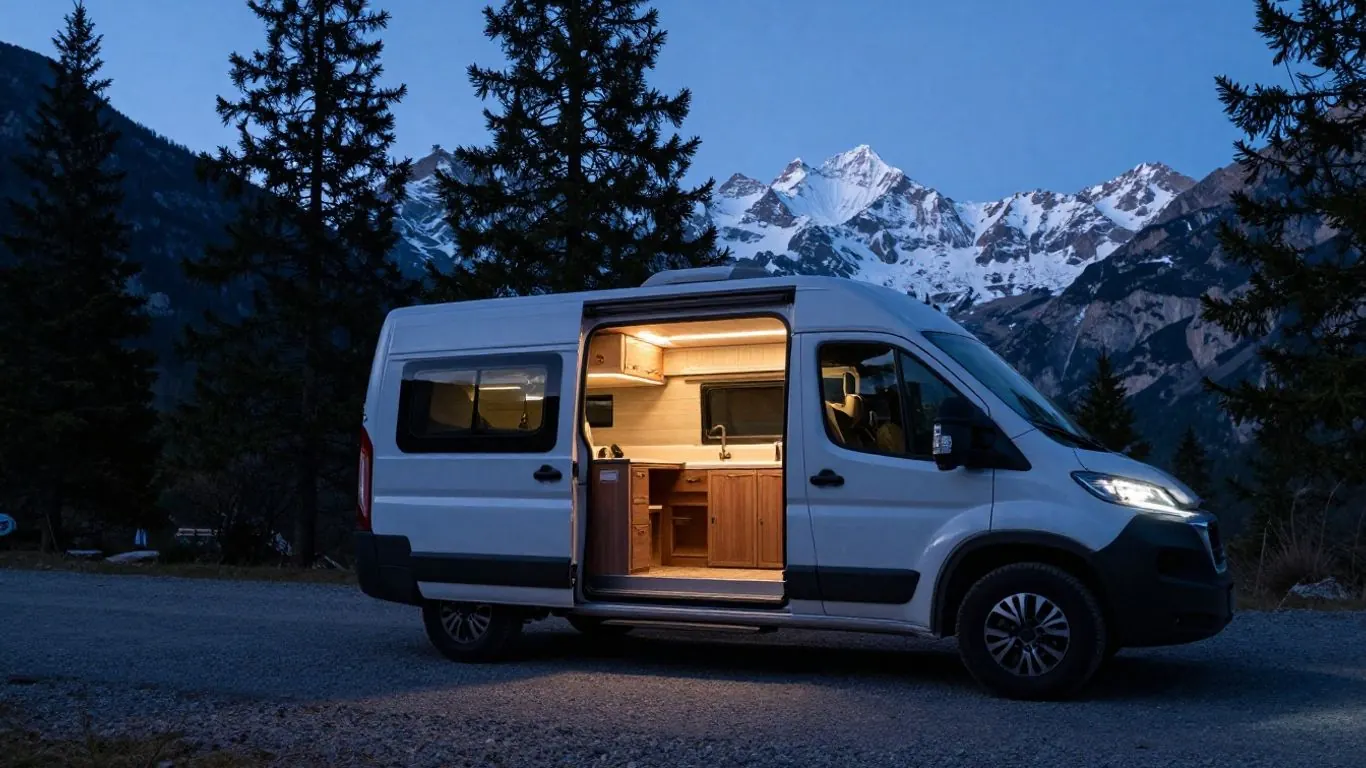
Multigenerational RV trips work best when each household has its own space and the days are short. For most families that means two vehicles: two motorhomes, or one motorhome with a car or a fixed-roof tent-cabin for the grandparents. Add a driving limit of about three hours a day, two-night stays, and campgrounds with playgrounds, evening programs and easy walks. Then everyone gets the shared trip without living on top of each other.
For family trip ideas in general, start with our family travel style page.
One motorhome or two vehicles?
| Setup | Works well when | Watch out for |
|---|---|---|
| One large motorhome | Small group, short trip, everyone shares a sleep schedule | Belted seats can be fewer than sleeping spots. No escape from bedtimes and early risers |
| Two motorhomes | Two households who each want a kitchen and bathroom | Two rental agreements, twice the fuel and a campsite for each |
| Motorhome plus car | Grandparents prefer to drive a car, or you want day trips without breaking camp | Some sites allow only one vehicle plus the RV. Check before you book |
| Motorhome plus oTENTik or hotel | Grandparents want a proper bed and a door that closes | oTENTiks are only at some campgrounds and book up fast |
Whichever you choose, count belted, forward-facing seats in the exact model, not just berths, because everyone must be belted while the vehicle is moving. If young children need car seats, our guide to RV trips with toddlers covers which motorhome seats work for them. Our family layout guide compares floor plans.
Making a two-vehicle trip run smoothly
- Check site limits before you book. In Jasper, Parks Canada allows up to two vehicles per site, with one RV and one tent or two tents, and up to six people, or seven for two adults with their dependent children. Banff sites generally allow two vehicles, two tents and six people. Some campgrounds are stricter, such as Tunnel Mountain Trailer Court, which allows one vehicle and one wheeled camping unit. Large families often need two sites anyway.
- Book both sites in one session. Reserve on the same day, in the same loop, choosing neighbouring site numbers where the map lets you choose.
- Register every driver. Anyone who might take the wheel of a rental must be listed on that rental agreement.
- Plan meeting points, not a convoy. Mountain highways have patchy cell coverage. Agree on the next fuel stop, viewpoint or campground rather than trying to stay nose to tail.
- Split the shopping. One household stocks breakfasts and snacks, the other the shared dinners. Fridges are small, so this saves space.
Pacing that suits ages 4 to 84
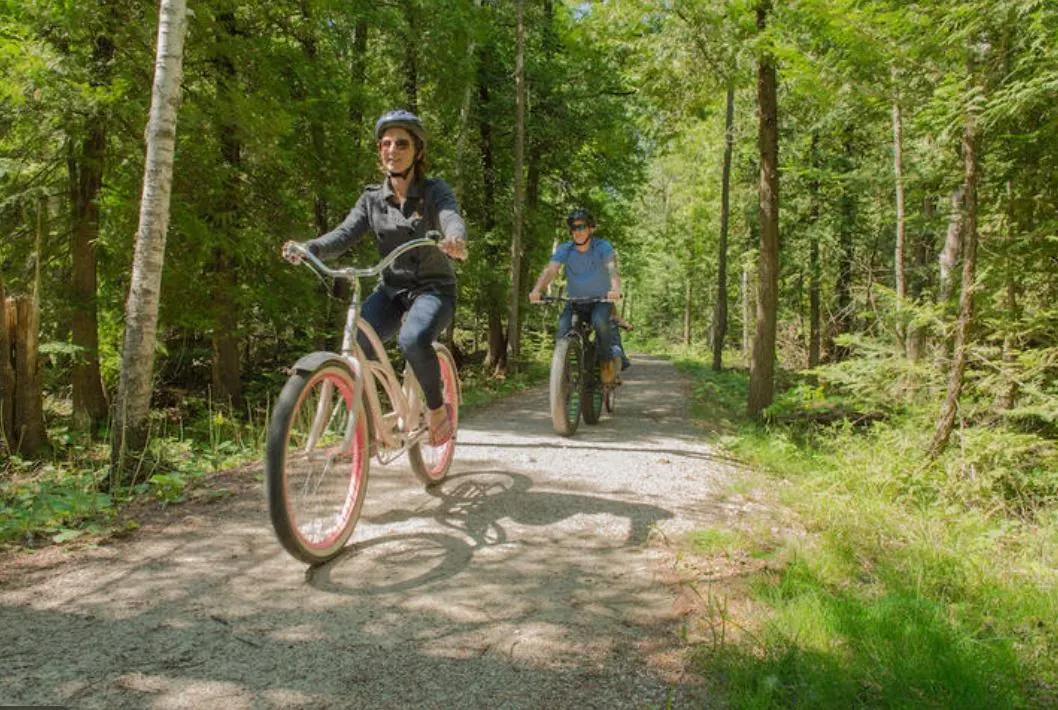
The youngest and oldest travellers set the pace. A rhythm that works:
- Drive in the morning, arrive by mid-afternoon. This covers toddler naps, gives daylight for setting up and leaves time for a walk before dinner.
- Cap driving at about three hours. Longer days are possible, but they are when patience runs out.
- Stay two nights per stop. Moving camp every day means constant packing and hookups. Every second day off the road makes a big difference.
- Schedule a true rest day each week. No driving: a playground, a lakeshore and an early campfire with hot chocolate.
- Split up on purpose. Grandparents can take the scenic drive or a gentle boardwalk while parents hike with the older kids, and then everyone meets for dinner.
If grandparents have mobility or comfort needs, our guide to RV travel for seniors covers step heights, bed layouts and accessible campsites.
Campgrounds with something for every age
Whistlers, Jasper
Parks Canada describes Whistlers as having something for everyone. It has a playground, hot showers, evening interpreter shows all summer and a trail into town for an ice-cream walk or bike ride. It takes most motorhome sizes and has full-service and electrical sites, plus oTENTiks in summer.
Tunnel Mountain, Banff
The Tunnel Mountain campgrounds sit just above the town of Banff and have public transit stops, so the family can ride into town without moving the RV. Village II has electrical sites and oTENTiks, and the Trailer Court has full hookups. See the Banff camping page for current site types.
Lake Louise hard-sided, Banff
This campground has electrical sites, showers and evening interpretive programs, and it is close to the lakes. Since parking at the lakes is scarce, the Parks Canada shuttle takes the stress out of the day. Parks Canada says shuttles during regular hours can provide a wheelchair-accessible option. Ask when you book.
Two Jack Lakeside, Banff
This is a scenic lakeside campground with oTENTiks, suitable for smaller RVs and campervans only. It works well as a one-night treat if grandparents take an oTENTik while the family has the van.
Our Banff campground comparison lists length limits and hookups for each.
Costs and passes for a big group
- Park admission: Parks Canada offers free admission for youth aged 17 and under, so you pay for the adults. A Discovery Pass covers more than 80 Parks Canada places for 12 months and is worth pricing against daily fees for a long trip.
- Camping: two sites cost twice as much, but are often still cheaper than adding hotel nights.
- Fuel: two vehicles roughly double fuel costs. Plan shorter driving days to keep it in check.
Check current rates with Parks Canada and your rental company before you budget.
Safety with mixed ages
- Bear-safe camps. Under Parks Canada's "Bare" Campsite program, food, coolers and toiletries go inside the hard-sided RV whenever you are not using them. Give kids a job checking the picnic table before bed.
- Supervise in campgrounds. Parks Canada notes that children can get lost in large campgrounds or wander onto neighbouring sites. Agree on a meeting spot and walk the loop together on arrival.
- Medications and comfort. Keep grandparents' medications in a day bag, not deep in a storage bay, and carry warm layers for cool mountain evenings.
- Wildlife distance. Stay well back from elk and bears and never stop on the highway to watch them.
Planning notes
Decide the vehicle setup first, since it decides seats, campsites and budget. Then book campgrounds with the most for every age on launch day: Whistlers, Tunnel Mountain and Lake Louise. Build in two-night stops and a rest day. If you would like help matching vehicles and campgrounds to three generations, we can plan the trip with you.
Frequently asked questions
Can grandparents and grandkids share one campsite with two RVs?
Rarely. Most sites allow one RV, so two motorhomes normally need two sites. A motorhome plus a car or a tent often fits on one site, depending on the campground.
What is an oTENTik?
It is Parks Canada's fixed tent-cabin with beds, available at selected campgrounds. It suits grandparents who want a real bed without a hotel.
Use this guide for trip ideas, not a current quotation or a guarantee of access, safety, inclusions or availability. Confirm the requirements and conditions for your dates, destination and provider before booking.