

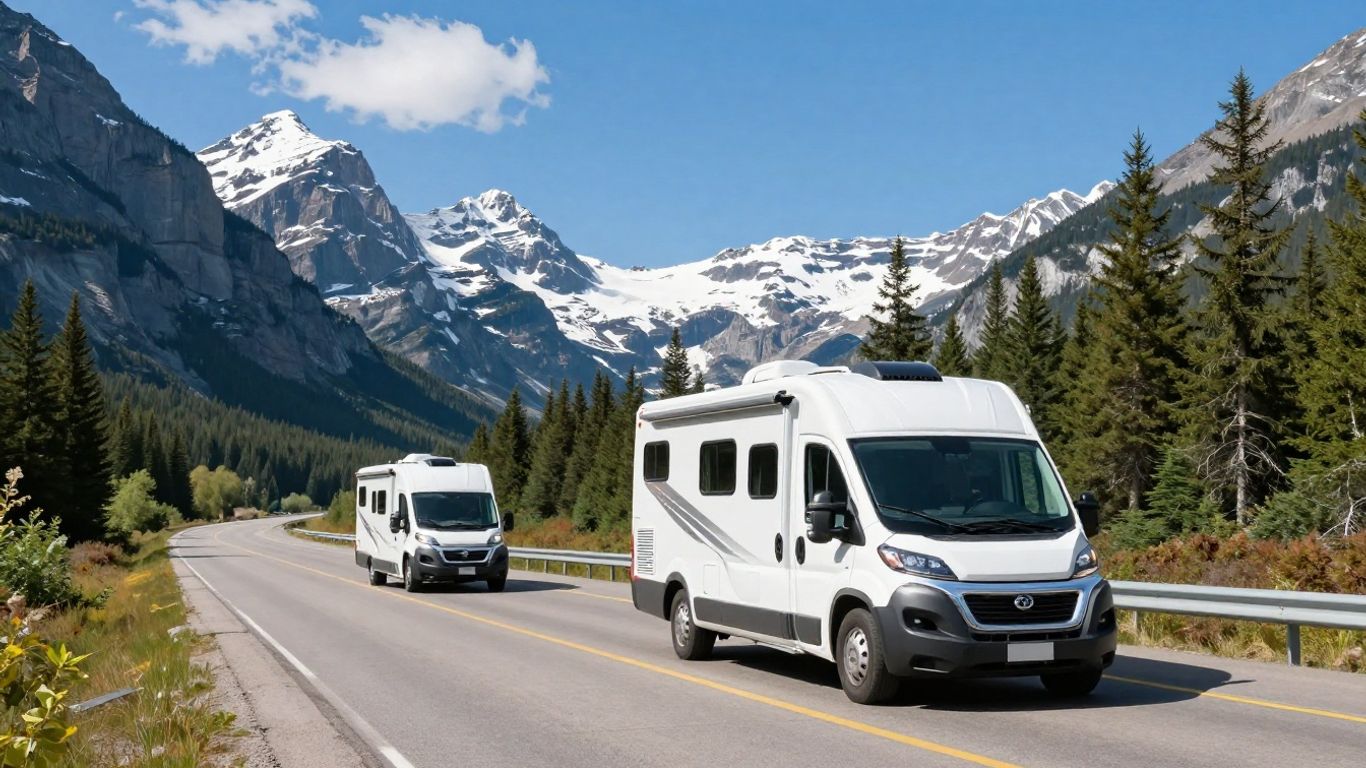
Planning a Canada road trip in motorhome when to go can feel like a puzzle, right? You want the best weather, fewer crowds, and maybe even a good deal on the rental. Canada’s huge, and its seasons really change things up. So, figuring out the sweet spot for your trip is key to making it awesome. It’s not just about the scenery; it’s about how you’ll actually travel and live in your motorhome.
Key Takeaways
- The best window for a Canada road trip in motorhome is generally from mid-May to mid-October, with July and August being the busiest peak season.
- June and September offer a good balance of pleasant weather, fewer tourists, and potentially better rental prices compared to the peak summer months.
- Shoulder seasons, like early October in Eastern Canada, can be stunning with fall colors, but require careful consideration of cooler temperatures and potential closures.
- Booking campsites well in advance is highly recommended, especially for popular areas and during peak times, as spots fill up quickly.
- When planning your route, remember that RV travel times can be longer than estimated by standard GPS, and it’s wise to factor in extra time for stops and exploring off the main roads.
Understanding Canada’s Seasonal Appeal
The Ever-Changing Canadian Landscape
Canada is a country that really shows off its different sides depending on the time of year. One minute it’s lush and green, the next it’s covered in a blanket of snow. This constant shift means the ‘best’ time to visit really depends on what you’re hoping to see and do. For a motorhome trip, you’ve got to think about the weather, of course, but also how you’ll be living and traveling. Driving through a blizzard in a big RV? Not exactly ideal.
Matching Your Experience to the Season
When you’re planning your trip, figuring out when to go is a big piece of the puzzle. You’ll need to consider time off work, any big events you want to catch, and when the kids are out of school. But for an RV holiday, you also need to think about what facilities are open and what the weather will be like. Canada is pretty year-round, but its beauty changes.
- Winter: Think stunning snowy scenes and icy landscapes. Great if you love the cold and snow.
- Spring/Summer: Explore green countryside, see wildlife, and enjoy longer days. Perfect for general sightseeing.
- Autumn: The landscape turns into a riot of color – reds, golds, and browns. Beautiful, but days get shorter.
Think about what you most want to experience, and then factor in the practicalities of RV travel during different weather conditions.
When you’re planning your motorhome adventure, it’s not just about the destination; it’s about the journey and how the season impacts your ability to enjoy it fully. Consider the trade-offs between weather, crowds, and accessibility.
Practicalities of Motorhome Travel
When you’re thinking about renting a motorhome in Canada, it’s often easiest during the shoulder seasons. This is usually around April to May and then again in September to October. During these times, prices tend to be a bit lower, and you’ll likely find more availability compared to the busy summer months. Summer, from June to August, usually has the best weather, but you’ll need to book your vehicle and campsites well in advance, sometimes 6 to 12 months ahead, because everyone else wants to travel then too. This high demand also means costs can go up. If you’re looking for a more budget-friendly option, renting a motorhome in Canada during the off-peak times can make a big difference. Winter RVing is also a possibility, especially in the warmer parts of the country, and you’ll find the lowest prices then.
The Prime Season for Your Canada Road Trip in Motorhome
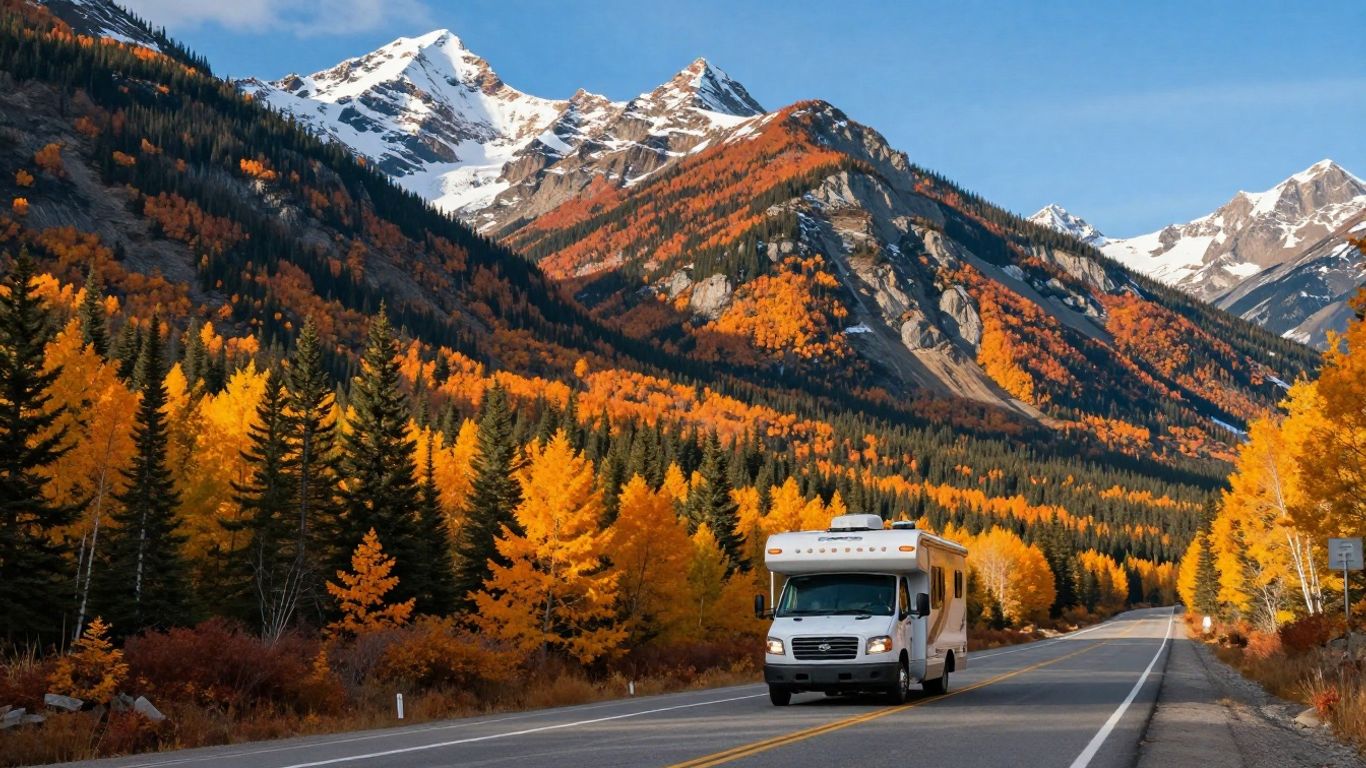
When you’re thinking about hitting the road in a motorhome across Canada, timing really does make a difference. While you can technically rent an RV from early May all the way through to the end of October, most folks find the sweet spot for a trip falls between mid-May and mid-October. Outside of this window, you’ll find that a lot of the cool attractions and even some campgrounds start to shut down for the season, which can really limit your options.
Mid-May to Mid-October: The Recommended Window
This period is generally your best bet for a smooth and enjoyable motorhome adventure. The weather is usually pretty agreeable, with longer daylight hours and milder temperatures, making it perfect for exploring. Plus, most of the country’s tourist infrastructure is up and running, so you won’t miss out on key sights or services. It’s a good balance between decent weather and having access to everything you need.
Peak Season: July to Mid-August
If you’re aiming for the heart of summer, July and the first half of August are when things are really buzzing. This is when the weather is typically at its warmest and driest across most of Canada. It’s fantastic for outdoor activities, from hiking in the mountains to exploring the coastlines. However, be prepared: this is also the busiest time. RVs are in high demand, and campsites can fill up fast. Booking your motorhome and your preferred campgrounds at least six months in advance is highly recommended if you plan to travel during these months. You’ll also find more fellow travelers on the road, which can be fun if you enjoy a lively atmosphere, but might feel a bit crowded if you’re seeking solitude.
The Advantages of June and September
Many seasoned RV travelers actually prefer June and September for their Canadian road trips. The weather is still quite pleasant, often sunny with comfortable temperatures, but the crowds are noticeably thinner than in July and August. This means less traffic, easier access to popular spots, and often, more competitive pricing on RV rentals and campsites. It’s a great time to experience the beauty of Canada without the peak-season hustle. You get a lot of the summer benefits with fewer of the drawbacks.
Traveling during these shoulder months can offer a more relaxed pace and a chance to connect more deeply with the places you visit. You’ll find that local businesses are less overwhelmed, and you might even snag better deals on accommodations and activities.
Embracing the Shoulder Seasons
While summer gets all the glory, don’t overlook the charm of Canada’s shoulder seasons – spring and fall. These periods offer a different, often more relaxed, way to experience the country in your motorhome. Think fewer crowds, potentially lower rental prices, and a unique kind of beauty that summer just can’t match.
The Spectacle of Early October in Eastern Canada
Eastern Canada in early October is something else. The leaves put on a show, turning forests into vibrant tapestries of red, orange, and gold. It’s a photographer’s dream and a fantastic time for scenic drives. Places like Quebec’s Lanaudière and Mauricie regions, or the Laurentians near Mont Tremblant, are stunning. You can still find campgrounds open, especially around the Thanksgiving weekend, offering a peaceful base to explore charming small towns and national parks. Just be prepared for cooler temperatures; packing layers is key.
Benefits of Traveling Outside Peak Times
Choosing to travel outside the July-August rush comes with some nice perks. For starters, you’ll find that campsites are much easier to book. No more stressing about snagging a spot months in advance! Plus, RV rental companies often have better rates in May, June, September, and October. This can make your trip more affordable, allowing you to stay longer or splurge on unique experiences. You’ll also find popular attractions less crowded, giving you more space to enjoy them.
Here’s a quick look at what you might gain:
- Fewer Crowds: Enjoy popular spots without the summer throngs.
- Cost Savings: Potentially lower prices on RV rentals and some campsites.
- Unique Scenery: Experience the vibrant colors of fall or the fresh bloom of spring.
- Wildlife Viewing: Animals are often more visible during these transitional seasons.
Traveling during the shoulder seasons means you get a more intimate feel for Canada. It’s less about ticking off a checklist and more about soaking in the atmosphere. You might find yourself chatting more with locals and fellow travelers, creating a richer experience.
Considering Weather for Off-Season Adventures
Of course, shoulder seasons mean unpredictable weather. Early May can still see frost, and late October can bring early snow, especially in mountainous areas or further north. It’s vital to check forecasts regularly and be flexible with your plans. Having a motorhome is great because you have your cozy shelter, but driving conditions can change rapidly. Always check road conditions before setting out, particularly if you’re venturing onto less-traveled routes. Being prepared with appropriate tires and emergency supplies is a smart move for any off-season motorhome trip.
Planning Your Motorhome Itinerary
Getting your motorhome route sorted ahead of time makes the whole trip a lot smoother. There’s something freeing about going where the road takes you, but a little advanced planning can save you a lot of headaches, especially during the busy months.
Booking Campsites in Advance
- Campsites in popular spots (like national parks or lakes) can fill up months ahead, especially in July and August.
- For the best choice, consider booking at least six months ahead for busy times, or even up to a year if you’ve got your heart set on a premium site.
- Shoulder seasons—May, June, September, and October—are less hectic, but it’s still smart to reserve your spot when you can. For a broader perspective, check out advance booking tips.
Booking early really does save you from the last-minute scramble or awkward nights parked in less-than-ideal spots, believe me.
Estimating Travel Times Accurately
Driving a motorhome just isn’t the same as zipping down the road in a car. Expect to move a little slower, stop more often, and add a bit of buffer time for unexpected stops or stretches.
Some good practices:
- Aim to reach your next campsite before dusk—setting up is much easier in daylight.
- GPS apps are handy, but sometimes underestimate travel time. Consider paper maps or offline navigation apps as a backup.
- Plan for extra time if you’re hitting small towns or scenic backroads.
Here’s a quick comparison of time estimates:
| Route | Car (hrs) | Motorhome (hrs) |
|---|---|---|
| Toronto-Ottawa | 4.5 | 6 |
| Calgary-Banff | 1.5 | 2.5 |
| Vancouver-Whistler | 2 | 3 |
Exploring Beyond the Main Roads
It’s easy to stick to the highway, but you’ll see so much more if you wander off the beaten path. Some ideas:
- Take scenic detours—small lakes, roadside markets, or quirky museums are often worth a stop.
- Don’t be afraid to pause and have a roadside picnic. Motorhomes make this super simple.
- Ask locals at campgrounds for their favorite hidden spots—they usually know the best trails or viewpoints.
Sometimes the best days are the ones where you ditch the schedule for an unplanned adventure.
Experiencing Canada’s Diverse Regions
Canada is a huge place, and when you’re in a motorhome, you get to see so much of it. It’s not just one kind of scenery; it really changes depending on where you are. You could be looking at towering mountains one week and then the next, you’re by the ocean. It’s pretty amazing how much variety there is.
The Majestic Canadian Rockies
This is probably what a lot of people picture when they think of Canada. The Rockies are just… wow. Think huge, snow-capped peaks, bright blue lakes that look like they’re from a postcard, and forests that go on forever. Driving through here in a motorhome is something else. You can pull over at viewpoints that offer incredible vistas, and there are tons of national parks like Banff and Jasper where you can park up and go for hikes or just soak it all in. It’s a place that really makes you feel small in the best way possible.
- Banff National Park: Famous for Lake Louise and Moraine Lake, with stunning turquoise waters.
- Jasper National Park: Known for its wildlife viewing opportunities and the Maligne Canyon.
- Icefields Parkway: A scenic highway connecting Banff and Jasper, offering breathtaking glacier views.
The sheer scale of the mountains can be a bit overwhelming at first, but it’s also incredibly peaceful. You’ll find yourself stopping the motorhome just to stare.
Coastal Charms of Nova Scotia
If mountains aren’t your thing, or you just want a change of scenery, head east to Nova Scotia. This is a totally different vibe. You’ve got rugged coastlines, charming fishing villages with colorful houses, and the smell of salt in the air. Driving the Cabot Trail is a must-do; it winds along the coast with amazing ocean views. Plus, the seafood here is fantastic. It feels a lot more laid-back than the Rockies, and you can spend your days exploring lighthouses and enjoying the ocean breeze.
- Cabot Trail: A scenic highway loop on Cape Breton Island, famous for its stunning coastal views.
- Peggy’s Cove: An iconic lighthouse and picturesque fishing village.
- Halifax: A historic port city with a lively waterfront and rich maritime history.
Exploring Western Canada’s Parks and Lakes
Beyond the Rockies, Western Canada has so much more to offer, especially if you love water. Think vast, clear lakes and more national parks. Places like Waterton Lakes National Park, where Canada meets the US, or the many lakes scattered throughout British Columbia and Alberta, offer incredible opportunities for kayaking, fishing, or just relaxing by the water. The landscapes here are still dramatic, but with a different feel, often more rolling hills and expansive lake shores. It’s a great area for a more relaxed motorhome trip, focusing on nature and outdoor activities.
Navigating Campsite Facilities
When you’re planning your Canada motorhome adventure, figuring out where you’ll park it each night is a big part of the puzzle. Campsite facilities can really vary across the country, so it’s good to know what to expect. You’ll find everything from basic spots in the woods to places that feel more like mini-resorts.
Varied Amenities Across Canada
Larger, privately-owned campgrounds often come with extra perks. Think on-site shops for forgotten essentials, little cafes for a treat, and sometimes even swimming pools. These places usually offer full hookups, meaning you can easily connect your motorhome to power, water, and sewage right from your spot. It’s convenient, for sure.
Provincial Park Campgrounds: A Natural Setting
On the other hand, many travelers, myself included, really enjoy the provincial park campgrounds. They tend to be more about getting back to nature. You’ll typically find a reception area where you check in, and you can usually grab ice and firewood there. The real draw here is the location – you might be parked right by a lake, a waterfall, or deep in a forest. It’s a simpler setup, but the scenery often makes up for any lack of fancy amenities.
Essential Facilities for Motorhome Stays
No matter the type of campground, there are a few things you’ll likely find. Most will have washrooms with showers, and laundry facilities. Just a heads-up, you’ll often need Canadian dollar coins, sometimes called ‘loonies’, for the washing machines and dryers. Electrical hookups are pretty common, as are stations for filling up your fresh water tank and dumping your grey and black water tanks. It’s not glamorous, but it’s part of the RV experience!
Here’s a quick rundown of what you might encounter:
- Washrooms & Showers: Usually available, though cleanliness can vary.
- Laundry Facilities: Great for longer trips, often coin-operated.
- Hookups: Full hookups (power, water, sewer) are more common at private sites; provincial parks might only offer electrical.
- Water & Dump Stations: For refilling fresh water and emptying waste tanks. This is a must-do for any motorhome trip.
- Fire Pits & Picnic Tables: Standard at most sites, perfect for enjoying the outdoors.
Emptying the waste tanks is one of those tasks that sounds worse than it is. Most RVs have separate tanks for grey water (from sinks and showers) and black water (from the toilet). You’ll find designated dump stations at most campgrounds. It’s a good idea to get a feel for how full your tanks are and empty them regularly, especially before a long drive, as full tanks add weight and can affect fuel efficiency. Having a pair of heavy-duty gloves and some tank deodorizer can make the process much more pleasant.
The Social Side of RV Travel
A Welcoming Community of Travelers
One of the unexpected joys of motorhome travel in Canada is the people you meet. It’s not just about the stunning scenery; it’s about the connections you make along the way. You’ll find a real sense of camaraderie among fellow RVers, a shared spirit of adventure that breaks down barriers. People are generally happy to chat, share tips, and offer a helping hand, whether you’re a seasoned pro or a first-timer. It’s a far cry from the anonymity of a hotel stay.
Connecting with Fellow Motorhome Enthusiasts
Campgrounds often become impromptu social hubs. You’ll see people gathered around picnic tables, sharing stories, or admiring each other’s rigs. Don’t be shy about striking up a conversation. Many long-term RVers are happy to share their knowledge, from the best local spots to how to fix a tricky appliance. We met folks from all over the world, each with their own unique travel tales. It’s a great way to learn about different parts of Canada and get insider tips you won’t find in any guidebook.
Sharing Experiences Around the Campfire
There’s something special about a campfire. It’s a natural gathering point, a place where conversations flow easily under the stars. Whether you’re toasting marshmallows, enjoying a quiet drink, or just watching the flames dance, the campfire is where many memorable moments happen. You might find yourself invited to join a neighbor’s gathering or striking up a conversation with someone from a completely different background. These shared experiences, often over a simple meal or a cup of coffee, are what truly make an RV trip special. It’s these little interactions that often become the highlights of the journey.
RV travel fosters a unique social environment. Unlike staying in hotels, where interactions are minimal, RV parks and campgrounds encourage mingling. People are often more relaxed and open to conversation when they’re in a shared, outdoor setting. This makes it easier to form new friendships and create lasting memories.
Driving and Logistics
Getting around Canada in a motorhome is a pretty unique experience. It’s not quite like driving your regular car, but it’s also not as intimidating as you might think. The key is to give yourself plenty of room and time.
Ease of Driving an RV in Canada
If you’ve never driven a large vehicle before, don’t worry too much. Most people find that with a little practice, driving an RV in Canada is quite manageable. Remember that it takes longer to get going from a standstill and also longer to brake. So, always keep a good distance between you and the vehicle in front. You’ll want to plan your routes with this in mind, especially if you’re looking at motorhome tours in Western Canada.
Navigating Canadian Roads
Canadian roads are generally well-maintained and quite wide, especially the major highways. The Trans-Canada Highway, for instance, is a fantastic artery that connects the country. Outside of the big cities, the roads are often straightforward. However, it’s wise to be aware of your motorhome’s dimensions – its height and width – in case you encounter any low bridges or narrow passages. Some campsites might require you to reverse into your spot, which can be tricky. If you’re not comfortable with it, having someone guide you from outside the vehicle is a good idea. You can even get walkie-talkies for better communication if you plan on doing this often.
Avoiding Wildlife Encounters on the Road
Canada is home to a lot of wildlife, and you’ll likely see some of it during your travels. While it’s exciting, it also presents a potential hazard on the road. Always be alert, especially at dawn and dusk when animals are most active. Keep your speed down in rural areas and national parks. If you see an animal on or near the road, slow down and give it plenty of space. Never feed wildlife, as this can lead to dangerous situations for both you and the animals. Secure your food properly at campsites to avoid attracting curious critters like raccoons or, in bear country, larger animals.
The practicalities of motorhome travel include managing waste disposal. Your RV will have separate tanks for grey water (from sinks and showers) and black water (from the toilet). Most campsites have designated dumping stations. It’s a good idea to empty them every couple of days to keep the vehicle lighter and improve fuel efficiency. You can buy special tank treatments to help with odors, and heavy-duty gloves are a must for this task.
Autumn Adventures in an RV
The Picturesque Fall Season
When summer crowds start to thin out, Canada transforms into a stunning canvas of reds, oranges, and yellows. Autumn is a fantastic time for an RV road trip, offering cooler, comfortable days perfect for exploring. You’ll often find better deals on rentals and campsites are easier to snag compared to the peak summer months. It’s a more relaxed pace, letting you really soak in the scenery without the hustle.
Victoria, British Columbia in Autumn
Victoria really shines in the fall. The famous Butchart Gardens put on a spectacular show as the Japanese maples turn brilliant shades. It’s a bit spooky and a lot of fun to explore the city’s haunted history, maybe even take a ghost tour if you’re feeling brave. For Halloween fans, Galey Farms has some seriously impressive displays and a haunted house that’s sure to give you a scare. If that’s not your speed, just wandering the charming downtown or enjoying the waterfront views is a treat. And of course, high tea at the Empress is always a classic.
Exploring Quebec’s Charming Regions in Fall
Head to regions like Lanaudière and Mauricie in Quebec for a taste of old-world charm. Driving the Chemin du Roy offers a glimpse into New France’s heritage, while Mauricie National Park becomes a breathtaking spectacle of fall colors. You can find RV camping spots in places like Mistagance and Rivière à la Pêche, often available until the Thanksgiving weekend. It’s a great way to experience the quieter side of Quebec.
- Enjoy vibrant foliage: Witness the stunning transformation of maple and birch trees.
- Explore historic routes: Drive along the Chemin du Roy for a historical journey.
- Experience national parks: Discover the natural beauty of Mauricie National Park.
Traveling in the fall means longer nights, which are perfect for stargazing. Many areas in Canada are designated Dark Sky Preserves, offering incredible views of the night sky away from city lights. It’s a peaceful time to sit by the campfire and just watch the stars.
| Region | Key Attractions in Fall |
|---|---|
| Victoria, BC | Butchart Gardens, Haunted History Tours, Galey Farms |
| Lanaudière, QC | Chemin du Roy, Small Town Charm |
| Mauricie, QC | Mauricie National Park, Fall Colors, Provincial Campgrounds |
| Algonquin Park, ON | Birch & Maple Forests, Hiking, Canoeing, Mew Lake Campground |
| Dark Sky Preserves | Stargazing, Quiet Campfire Evenings |
So, When Should You Go?
Figuring out the best time for your Canadian motorhome adventure really comes down to what you want to see and do. Summer offers the warmest weather and everything’s open, but it’s also the busiest and most expensive. Spring and fall bring fewer crowds, potentially lower prices, and stunning scenery, though you’ll need to be prepared for cooler nights and maybe some unpredictable weather. No matter when you decide to go, planning ahead, especially for campsites and your RV rental, is key. Canada’s beauty changes with the seasons, so pick the time that best fits your travel style and get ready for an unforgettable trip on the open road.
Frequently Asked Questions
When is the best time to take a motorhome trip in Canada?
The sweet spot for a Canadian motorhome adventure is generally from mid-May to mid-October. This window offers pleasant weather for exploring. If you want to avoid the biggest crowds and potentially save some money, consider traveling in June or September. These months still have great weather but with fewer tourists.
What’s the busiest time for RV travel in Canada?
July and early August are the peak season for RV trips in Canada. This is when most people travel, so expect more visitors on the roads and at popular spots. It’s also when RV rentals are most in demand, so booking your vehicle many months in advance is a really good idea.
Can I travel by motorhome in Canada during the fall?
Absolutely! Fall, especially early October in Eastern Canada, can be incredibly beautiful with amazing colors. Just be aware that the nights can get quite chilly. It’s a great time to see places like Victoria, British Columbia, or the charming regions of Quebec.
What should I know about driving an RV in Canada?
Driving an RV is different from a car. They take longer to speed up and slow down, so always leave plenty of space between you and other vehicles. Canadian roads are often wide and straightforward, especially outside of big cities. Just be mindful of wildlife, especially at dawn and dusk.
How do I find places to park my motorhome overnight?
It’s smart to book campsites ahead of time, especially if you’re traveling during peak season or on weekends. Popular spots, like those in the Rockies, fill up fast. You can find a mix of private campgrounds with lots of amenities and provincial park campgrounds that offer a more natural setting.
What kind of facilities can I expect at Canadian campsites?
Campsite facilities can vary a lot. Some larger, private sites might have shops, pools, and full hookups for power, water, and sewage. Provincial parks often offer a more basic, nature-focused experience with essential services like restrooms, showers, and places to fill up water and dump waste.
Is it easy to meet other RV travelers in Canada?
Yes, the RV community in Canada is known for being friendly and welcoming! Many people who travel in motorhomes enjoy sharing stories and tips. You’ll often find yourself chatting with neighbors around the campfire or getting help if you need it.
What are some must-see regions for an RV trip in Canada?
Canada offers incredible diversity! The Canadian Rockies are breathtaking with their mountains and blue lakes. For coastal beauty, Nova Scotia is stunning. Western Canada is also fantastic for exploring its many parks and lakes. Each region offers a unique experience.