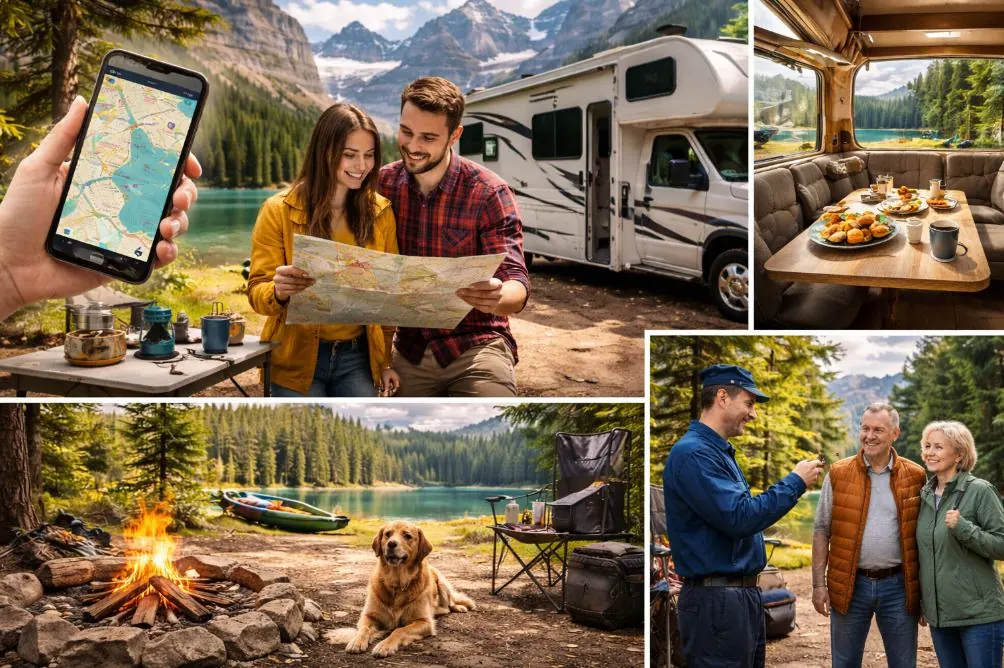
Planning a trip to Vancouver Island in an RV? It’s a fantastic idea! This island offers so much to see, from city vibes in Victoria to wild coastlines. If you’re looking into an rv rental canada victoria pickup, you’re starting in a great spot. This guide will help you get set up and explore the island without too much fuss. We’ll cover getting your RV, hopping on ferries, seeing the sights, and making sure your trip goes smoothly.
Key Takeaways
Book your RV and ferry reservations well in advance, especially if you’re traveling during peak season. This helps avoid last-minute stress and secures your spot.
Be prepared for limited cell service in some areas of the island. Download offline maps and consider a GPS device for remote travel.
Vancouver Island’s weather can change quickly. Keep an eye on forecasts and pack layers for sun, rain, and cooler temperatures.
Embrace flexibility on your trip. While planning is good, allow for spontaneous stops and discoveries along the way – that’s part of the RV adventure.
When exploring, always practice Leave No Trace principles to help preserve the island’s natural beauty for everyone.
Planning Your Victoria RV Rental Pickup
Getting your RV in Victoria is the first step to an amazing Vancouver Island trip. It’s not just about grabbing the keys; it’s about making sure you’ve got the right rig for the job and that the pickup process goes smoothly. Think of it as setting the stage for your entire adventure.
Understanding RV Rental Logistics
When you book an RV, there are a few things to keep in mind. Most rental companies have specific pick-up and drop-off times, so be sure to check those. Also, clarify what’s included in your rental – things like mileage limits, generator hours, and whether you need to bring your own linens or kitchenware can really add up. It’s also a good idea to ask about any specific driving restrictions or recommendations for Vancouver Island roads. Some companies might have age restrictions for drivers or require a certain amount of driving experience.
Confirm pick-up and drop-off dates/times.
Understand mileage allowances and fuel policies.
Inquire about included amenities and optional add-ons.
Ask about any specific driving requirements or restrictions.
It’s always wise to do a thorough walk-around of the RV with the rental agent before you leave the lot. Check for any existing damage, test all the appliances, and make sure you know how everything works, from the water heater to the slide-outs. This saves a lot of headaches later on.
Booking Your RV in Advance
This is super important, especially if you’re planning to travel during the popular summer months or around holidays. RVs are not like rental cars; there are fewer of them, and they get booked up fast. Booking ahead gives you a better chance of getting the exact type of RV you want, and often, you can snag a better price too. Don’t wait until the last minute, or you might end up with something that doesn’t quite fit your needs or your budget. You can find a wide range of options when you book your RV ahead of time.
Choosing the Right RV for Your Trip
Vancouver Island has a bit of everything, from winding coastal roads to some tighter spots in charming towns. So, the size and type of RV you choose really matter. A smaller, more maneuverable Class C might be perfect for navigating some of the narrower routes, while a larger Class A might offer more comfort if you plan on spending more time at established campgrounds. Think about how many people are traveling, how much gear you’re bringing, and what kind of roads you anticipate driving on. It’s a balance between comfort and practicality for the specific adventures you have in mind.
Ferry Reservations for Peak Season
Getting your RV onto Vancouver Island often means taking a ferry, and if you’re traveling during the busy summer months, booking your spot well in advance is a really good idea. Seriously, don’t wait until the last minute. Making ferry reservations at least a month ahead of time is highly recommended to avoid disappointment and ensure you get a sailing time that works with your schedule. This is especially true if you’re traveling with a larger RV, as space can be limited on certain sailings.
Understanding Ferry Routes and Terminals
There are a few main ferry routes that connect mainland British Columbia (like Vancouver) to Vancouver Island. The primary ferry operator is BC Ferries, which runs several routes. For those coming from the US, the Black Ball Ferry Line connects Port Angeles, Washington, to Victoria. It’s important to know which terminal you’ll be departing from and arriving at, as this will affect your driving route once you’re on the island.
Here’s a quick look at some common routes:
Tsawwassen (mainland) to Swartz Bay (near Victoria): This is a very popular route, offering frequent sailings.
Horseshoe Bay (mainland) to Departure Bay (Nanaimo): Another major route, good if your plans take you further up the island.
Port Angeles, WA to Victoria (Inner Harbour): This is the main US connection and lands you right in the heart of Victoria.
Tips for RV Ferry Travel
Traveling with an RV on a ferry is a bit different than a regular car. You’ll typically drive your RV onto the ferry and then park it in a designated vehicle deck.
Check Vehicle Size Restrictions: Make sure your RV’s height and length are within the ferry’s limits. This information is usually available on the ferry operator’s website.
Arrive Early: Even with a reservation, it’s wise to arrive at the terminal with plenty of time to spare, especially with an RV. This gives you time to find parking and get organized.
Secure Your RV: Once parked, make sure your RV is in park and the emergency brake is engaged. Some ferries might have specific instructions for securing larger vehicles.
Enjoy the Ride: Once you’re parked, you can head up to the passenger decks to enjoy the views. Bring snacks and drinks, as onboard food options can be pricey.
Planning your ferry travel is a big part of getting your RV adventure on Vancouver Island started right. It can seem like a lot of details, but a little preparation goes a long way in making the journey smooth and enjoyable.
Exploring Victoria’s Charm
Victoria, the capital city of British Columbia, really does have a special kind of charm. It feels a bit like stepping back in time, but with all the modern conveniences you’d expect. It’s a fantastic place to start your RV adventure on Vancouver Island, offering a mix of history, culture, and beautiful waterfront views. You could easily spend a couple of days just soaking it all in.
Strolling the Inner Harbour
This is the heart of Victoria, and for good reason. The Inner Harbour is always buzzing with activity. You’ll see seaplanes taking off and landing, ferries coming and going, and plenty of people just enjoying the waterfront. It’s a great spot to just wander, grab a coffee, and watch the world go by. There are often street performers, and the views of the Parliament Buildings and the Fairmont Empress Hotel are pretty iconic. It’s a nice introduction to the city, especially after you’ve picked up your RV.
Visiting Beacon Hill Park
Just a short drive or a longer walk from the Inner Harbour, Beacon Hill Park is a huge green space that’s perfect for a break from city exploring. It’s got beautiful gardens, walking trails, and even a petting zoo for the kids. The views from the higher points in the park are amazing, looking out over the Strait of Juan de Fura. It’s the kind of place where you can spread out a blanket, have a picnic, or just find a quiet bench to relax. It’s a real gem.
Discovering Local Landmarks and Shops
Beyond the harbour and the park, Victoria has a lot more to offer. The Royal BC Museum is a must-see if you’re interested in natural history and local culture. It’s really well done and gives you a good sense of the island’s past and present. The Parliament Buildings themselves are also worth a look, and you can often take tours inside. If you like to shop, check out the unique boutiques and artisan stores scattered throughout the downtown area, especially in areas like Bastion Square or Government Street. Don’t forget to explore Chinatown, one of the oldest in Canada. It’s a vibrant area with distinct architecture and interesting shops.
Here are a few ideas for your Victoria visit:
Parliament Buildings: Admire the architecture and consider a free guided tour.
Royal BC Museum: Explore exhibits on natural history, Indigenous culture, and British Columbia’s past.
Fairmont Empress Hotel: Even if you don’t stay, it’s a landmark worth seeing. High tea here is a classic, though pricey, experience.
Chinatown: Wander through the narrow streets and soak in the atmosphere.
Victoria offers a delightful blend of historical significance and natural beauty. It’s a city that invites you to slow down and appreciate the details, from the grand architecture to the charming streetscapes. Taking the time to explore its nooks and crannies will reward you with a deeper appreciation for this island capital.
If you’re looking for a place to start your island journey, picking up a motorhome in Vancouver is a popular choice, and Victoria is often the first stop.
Scenic Drives and Coastal Routes
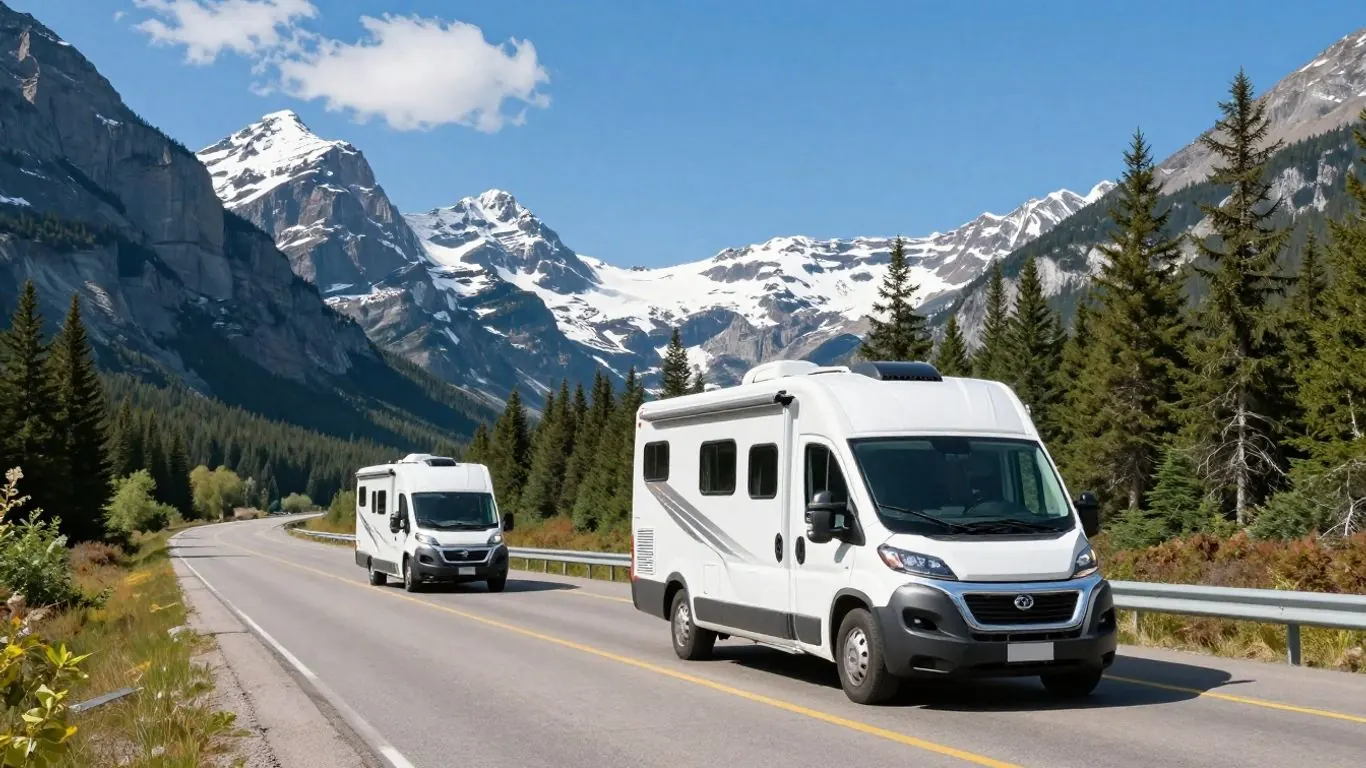
Vancouver Island isn’t just about where you’re going; it’s also about the amazing journey you take to get there. The island’s roads wind through some truly spectacular scenery, offering a different kind of adventure for your RV trip. These drives are a big part of what makes exploring the island so special.
The Pacific Marine Circle Route
This is a fantastic loop that gives you a taste of the island’s southern coast. It’s not super long, making it manageable for a day trip or a relaxed overnight. You’ll find yourself driving past rugged coastlines, through charming small towns, and maybe even spotting some unique natural wonders. It’s a great way to see a variety of landscapes without covering too much ground.
Big Lonely Doug: A massive, solitary Douglas fir tree that really makes you feel small. It’s a powerful reminder of the ancient forests here.
Tidal Beaches: Keep an eye out for stunning beaches that change dramatically with the tides. Some are perfect for a quiet stroll, others for exploring tide pools.
Local Art Galleries and Cafes: Many small communities along the route have little shops and eateries worth stopping for.
The Coastal Highway to Tofino
This drive is legendary for a reason. As you head west, the landscape transforms. You’ll leave the more settled areas behind and enter a world of dense rainforests and dramatic ocean views. The highway itself can be a bit winding, so take your time and enjoy the ride. Passengers get the best views, so make sure someone’s got their camera ready.
Pacific Rim National Park: This park is right along the way and offers incredible access to the coast. You can stop for short walks or just admire the views.
Long Beach: You absolutely have to stop here. It’s a huge stretch of sand that’s perfect for walking, watching surfers, or just breathing in the salty air.
Quaint Seaside Villages: Little towns pop up along the coast, each with its own character. They’re great places to grab a bite or stretch your legs.
North Island Coastal Drive Highlights
If you’re heading further north, the coastal drives become even more wild and remote. This part of the island feels truly untamed. You’ll encounter dramatic cliffs, hidden coves, and a sense of getting away from it all. It’s a different vibe than the south, more rugged and adventurous.
Rugged Cliffs: Expect breathtaking views from high up, looking out over the vast Pacific Ocean.
Ocean Views: The scenery is dominated by the sea, with endless horizons and the sound of waves.
Hidden Inlets: Keep an eye out for quiet inlets and bays that offer a sense of discovery.
Remember that cell service can be spotty on many of these routes, especially further north. It’s a good idea to download offline maps and let someone know your general plans before you set off on these more remote drives. It adds to the adventure but also means being prepared.
These drives are more than just getting from point A to point B; they are an integral part of the Vancouver Island experience. So, pack some snacks, put on some good music, and get ready to soak in the incredible views.
Essential Vancouver Island Travel Tips
Alright, so you’ve got your RV, you’re ready to roll, but before you hit those stunning coastal highways, let’s chat about a few things that’ll make your trip smoother. Vancouver Island is amazing, truly, but it’s also a bit wild and wonderful, and being prepared makes all the difference.
Preparing for Limited Cell Service
This is a big one, especially if you’re heading north or into some of the more remote parks. Don’t expect to have bars everywhere you go. Seriously, there were times I couldn’t even get a text out. Download your maps offline before you leave your accommodation. It sounds simple, but it’s a lifesaver when you’re trying to find that hidden campsite or just need to know which way to turn. A dedicated GPS unit can also be a good backup if you’re really going off the beaten path. It’s all part of the adventure, right?
Monitoring Local Weather Conditions
The weather here can change on a dime. One minute it’s sunny, the next you’re in a proper Pacific Northwest drizzle. It’s not usually extreme, but it’s good to be aware. Check the forecast regularly, especially if you have specific outdoor plans. Pack layers – that’s the golden rule for island weather. You’ll want a good waterproof jacket, but also some lighter stuff for those surprisingly warm afternoons. Being ready for anything means you can enjoy your time no matter what the sky is doing.
Embracing Flexibility on the Road
This is probably the most important tip for any RV trip, but especially here. You might have an itinerary, and that’s great, but Vancouver Island has a way of surprising you. You might see a sign for a little-known beach, or a local festival happening in a small town, or just feel like stopping to watch the waves for an extra hour. Don’t be afraid to ditch the plan sometimes. Some of the best memories come from those unplanned detours. It’s your trip, after all! You can always adjust your route if something unexpected catches your eye. Just go with the flow; that’s what RVing is all about.
Experiencing Nature and Wildlife
Vancouver Island is a wild place, and getting out to see its natural side is a big part of the fun when you’re in an RV. You’ve got forests, beaches, and plenty of creatures to spot.
Whale Watching Excursions
Seeing whales is pretty amazing. Campbell River is a good spot to look for tours. You might see orcas, humpbacks, or even gray whales depending on the season. It’s a real treat to see these big animals in the ocean.
Best Times: Generally, spring through fall offers the best chances.
What to Expect: Tours often last a few hours and go out into the open water.
What to Bring: Binoculars, a camera, and layers of clothing are a good idea.
Exploring Cathedral Grove’s Ancient Trees
Just off Highway 4, on the way to Tofino, is Cathedral Grove. It’s a part of MacMillan Provincial Park. Walking through here feels like stepping back in time. The trees are huge – some are hundreds of years old and really tall Douglas firs. There’s a boardwalk that makes it easy to wander around without disturbing the forest floor.
It’s a quiet place, perfect for a peaceful walk. You can really feel the age of the forest around you. Just remember to stick to the paths so these old trees stay protected.
Visiting Long Beach
Long Beach, part of the Pacific Rim National Park Reserve near Tofino, is exactly what it sounds like – a really long stretch of sand. It’s a popular spot for beachcombing, flying kites, or just taking a long walk. The waves here can be pretty big, making it a famous place for surfers too. Even if you’re not surfing, the views are great, and the sound of the ocean is pretty relaxing.
Don’t forget to check the tide charts before you go, especially if you want to explore tide pools at the edges of the beach.
Culinary Delights of Vancouver Island
Vancouver Island isn’t just about stunning scenery; it’s also a place where your taste buds can go on an adventure. The food here really reflects the ocean and the land. You’ll find a lot of places focusing on fresh, local ingredients, which makes a big difference.
Sampling Fresh Local Oysters
If you’re a fan of oysters, you’re in for a treat. Vancouver Island is known for its incredible oyster farms. The cool, clean waters create the perfect environment for them to grow plump and flavorful. You can find them at many restaurants, but for a real treat, try visiting a local market or a small seafood shack right near the coast. It’s a chance to taste them as fresh as they possibly can be, often shucked right in front of you. They have a distinct briny taste that’s really unique to this region.
Enjoying Island Seafood Restaurants
When it comes to dining, the seafood restaurants on Vancouver Island are a must-visit. Forget about fancy, complicated dishes; here, it’s all about letting the quality of the seafood shine. Think perfectly grilled salmon, succulent crab, and fish that was likely swimming in the ocean just hours before it lands on your plate. Many of these restaurants are located with beautiful ocean views, making the dining experience even better. It’s a simple pleasure, but one that truly captures the spirit of the island.
The focus on local sourcing means you’re not just eating a meal; you’re tasting the very essence of Vancouver Island’s coastal environment. It’s a connection to the place that’s hard to find anywhere else.
Here are a few things to look out for:
Seasonal Catches: Ask what’s fresh and in season. The menu often changes based on what the local fishermen bring in.
Oyster Varieties: Different areas of the island produce oysters with slightly different flavors. Don’t be afraid to try a few!
West Coast Style: Many restaurants serve dishes with a "West Coast" flair, often meaning simple preparations that highlight the natural flavors of the seafood, sometimes with Asian or Pacific influences.
Farm-to-Table: Beyond seafood, many restaurants also pride themselves on using produce from local farms, creating a well-rounded island dining experience.
Northern Vancouver Island Adventures
Heading north on Vancouver Island opens up a whole different world, way more rugged and wild than what you find down south. It’s a place where the forests get thicker, the coastlines get more dramatic, and you really feel like you’re getting away from it all. If you’re looking for a true wilderness experience with your RV, this is where you want to be.
Discovering Port Hardy’s Wilderness
Port Hardy is pretty much the gateway to the northern tip of the island. It’s a working town, but it’s surrounded by some seriously stunning natural beauty. Think quiet inlets, dense forests, and a real sense of peace. It’s a great spot to just slow down and breathe in that fresh ocean air. You can find some nice spots to park your RV here, often with great views.
Sea-to-Sky Trail: This trail is a big deal up here, stretching for miles. You can hike or bike parts of it, and the views of the fjords and the wild landscape are just incredible. It’s a good workout with a big payoff.
Quatse Salmon Stewardship Centre: If you’re curious about the local ecosystem, this place is worth a visit. They do a lot of work protecting salmon, and you can learn a lot about the marine life that calls these waters home.
San Josef Bay: A short walk from the parking area gets you to this bay, which is famous for its cool sea stacks and rock formations. It’s a photographer’s dream, especially when the tide is right.
The further north you go, the more you’ll notice the pace of life changing. It’s slower, more connected to the natural rhythms of the land and sea. Embrace it.
Exploring Telegraph Cove
Telegraph Cove is a real gem, a tiny, historic fishing village that feels like stepping back in time. It’s famous for its boardwalks that connect the colorful buildings right over the water. It’s also a prime spot for whale watching tours, which are a must-do if you get the chance.
Whale Watching Tours: This is probably the main draw. You can see humpback whales, orcas, and other marine life. It’s an amazing experience to see these giants up close.
Historic Village: Just wandering the boardwalks and taking in the old buildings is an experience in itself. It’s got a unique charm you won’t find many other places.
Kayaking: The sheltered waters around Telegraph Cove are perfect for kayaking. You can paddle around and explore the coastline at your own pace.
First Nations Culture in Alert Bay
A short ferry ride from Port McNeill brings you to Cormorant Island, home to Alert Bay. This is a vibrant First Nations community with a rich cultural heritage. It’s a place to learn, connect, and appreciate the deep history of the Kwakwaka’wakw people.
U’mista Cultural Centre: This center is dedicated to preserving and showcasing the art, history, and traditions of the Kwakwaka’wakw people. It’s a really important stop for understanding the local culture.
Totem Poles: Alert Bay has one of the largest collections of totem poles in the world, many of them carved by local artists. Walking through the village and seeing them is quite moving.
Local Art and Craft Shops: You can find beautiful, authentic First Nations art and crafts here. It’s a great way to support local artists and take home a meaningful souvenir.
Getting to these northern spots often involves a bit more planning, especially with ferry schedules, but the reward is a truly wild and unforgettable RV adventure.
RV Camping and Site Reservations
Finding a good spot to park your RV on Vancouver Island is pretty important, right? You don’t want to end up driving around aimlessly after a long day. Booking your campsite well in advance is the smartest move you can make , especially if you’re traveling during the busy summer months. Seriously, some popular spots get booked up six months or even a year ahead of time. It’s not like finding a hotel room; RV parks have limited space.
When you’re looking for a place to stay, think about what you need. Do you want full hookups – that means water, electricity, and sewer? Or are you okay with something more basic? Many parks offer different levels of service. Also, consider the size of your RV. Some older or smaller campgrounds might not be able to accommodate larger rigs, so always check the park’s policies on vehicle size.
Here are a few things to keep in mind when booking:
Location, Location, Location: Do you want to be close to the ocean, nestled in a forest, or near a town for easy access to amenities?
Amenities: What’s important to you? Wi-Fi, laundry facilities, picnic tables, fire pits, or maybe even a playground if you have kids?
Type of Camping: Are you looking for a full-service RV resort with all the bells and whistles, or a more rustic, natural setting in a provincial park?
Here’s a quick look at what different types of sites might offer:
Remember that provincial parks often have beautiful settings but might have fewer amenities than private campgrounds. They can also be very popular, so booking early is key. Don’t forget to check if your RV is considered big-rig friendly’ if you’re driving something substantial; some parks have specific areas or limitations for larger vehicles.
Respecting Vancouver Island’s Environment
Vancouver Island is a pretty special place, and it’s up to all of us to keep it that way. When you’re out there in your RV, exploring all the amazing natural beauty, it’s important to tread lightly. Think about it like visiting a friend’s house – you wouldn’t want to leave a mess, right? The same goes for these incredible forests, beaches, and coastlines.
Practicing Leave No Trace Principles
This is a big one. Leave No Trace is basically a set of guidelines to help minimize your impact when you’re enjoying the outdoors. It’s not super complicated, but it makes a huge difference. Here’s the gist:
Plan Ahead and Prepare: Know where you’re going, what the rules are, and pack accordingly. This means bringing trash bags, knowing if campfires are allowed, and understanding the local wildlife.
Travel and Camp on Durable Surfaces: Stick to marked trails and established campsites. Avoid trampling vegetation or disturbing sensitive areas, especially near water.
Dispose of Waste Properly: Pack it in, pack it out. This includes all your trash, food scraps, and even things like fruit peels. If you have to go to the bathroom, know how to do it properly away from water sources.
Leave What You Find: Don’t take rocks, plants, or anything else from nature. Take pictures instead!
Minimize Campfire Impacts: If fires are permitted, use existing fire rings and keep them small. Make sure fires are completely out before you leave.
Respect Wildlife: Observe animals from a distance. Never feed them, as it can harm their health and alter their natural behaviors.
Be Considerate of Other Visitors: Keep noise levels down and respect others’ experience in nature.
The goal is to leave a place looking as if you were never there, or at least, as if you left it better than you found it. It’s about preserving the wildness for everyone, now and in the future.
Supporting Sustainable Tourism
Beyond just Leave No Trace, think about how your visit impacts the local communities and environment. Choosing local businesses, respecting cultural sites, and being mindful of resource use all contribute to a more sustainable trip. This could mean opting for tours run by local operators who prioritize conservation, buying souvenirs from local artisans, or even just being conscious of your water and energy usage in your RV. It’s about being a good guest on the island, ensuring that its natural and cultural wonders are around for generations to come. Every little bit helps in keeping Vancouver Island the stunning destination it is.
Wrapping Up Your Vancouver Island RV Trip
So, that’s a wrap on our Vancouver Island RV adventure! We’ve covered a lot of ground, from Victoria’s charming streets to the wild coastlines up north. Remember to book those ferries and campsites early, especially if you’re traveling in the summer – it really makes a difference. Keep an eye on the weather, and don’t be afraid to pull over if you see something amazing. The best part of RVing is the freedom to explore. We hope this guide has given you some great ideas for your own trip. Vancouver Island is a special place, and exploring it in a home on wheels is an experience you won’t forget. Happy trails!
When is the best time to book my RV and ferry?
It’s super smart to book your RV and ferry tickets ahead of time, especially if you’re traveling during the busy summer months. Booking early helps you snag the best spots and avoids any last-minute stress.
Will I have phone service everywhere on the island?
Not always! Some parts of Vancouver Island, particularly up north, might have weak or no cell phone signals. It’s a good idea to download offline maps and maybe bring a GPS device just in case you’re out of service range.
What should I pack for the weather?
The weather on Vancouver Island can change pretty quickly. It’s wise to check the local forecasts and pack clothes for both sunny days and rainy ones. Layers are your friend!
How flexible should my travel plans be?
While having a plan is great, one of the best parts of RVing is being able to go with the flow. Don’t be afraid to stop and explore cool places you didn’t plan for, like a hidden trail or a cute roadside cafe. Be open to adventure!
What’s the best way to see the island’s scenery?
Vancouver Island has some amazing scenic drives! The Pacific Marine Circle Route, the Coastal Highway to Tofino, and the North Island Coastal Drive are all fantastic ways to see the stunning coastlines, forests, and wildlife. The journey is just as much fun as the destination.
Are there good places to eat fresh seafood?
Absolutely! Vancouver Island is famous for its fresh seafood. You’ll find plenty of great restaurants, especially in coastal towns, where you can try delicious local oysters and fish caught right from the ocean.
What are some must-see natural spots?
You’ve got to check out places like Cathedral Grove to see giant old trees, and Long Beach for its vast sandy shores and powerful waves. If you’re lucky, you might even spot some whales on a whale watching tour!
How do I find RV parks and book them?
It’s a good idea to book your RV campsites in advance, especially during peak season. Look for parks that offer full hookups if you need them, and check if they are suitable for bigger RVs if you have one.